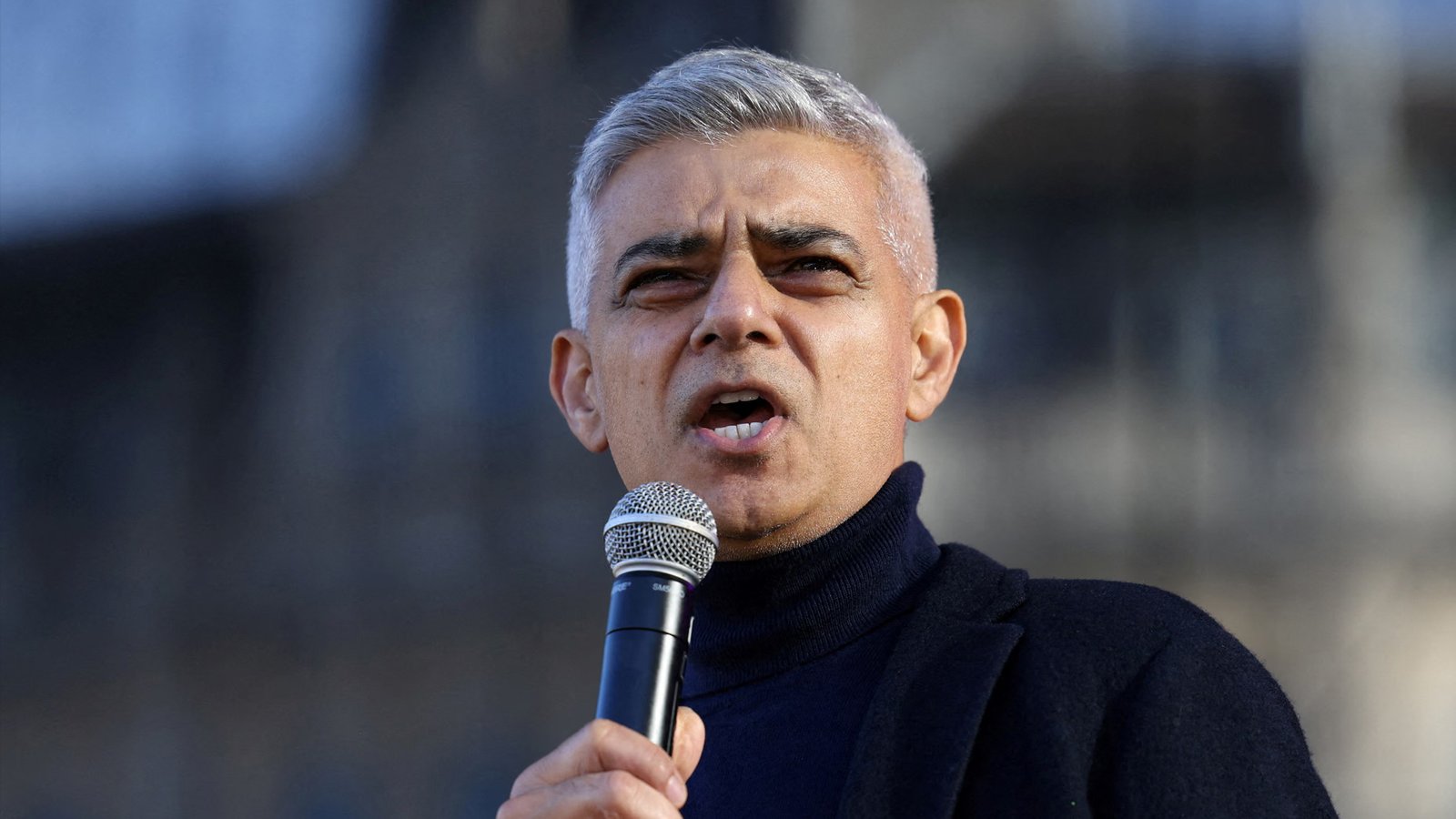
Published: 25 September 2025. The English Chronicle Desk
London Mayor Sir Sadiq Khan has publicly accused former US President Donald Trump of displaying racism, sexism, misogyny, and Islamophobia, following comments the former president made about him at the United Nations General Assembly in New York. Speaking to BBC London, Sir Sadiq described the remarks as indicative of deep-seated prejudice, questioning why he “appears to be living rent-free inside Donald Trump’s head.”
During his address to the UN, Trump criticized London’s mayor, referring to him as “a terrible, terrible mayor” and claiming that the city had “been so changed.” He further suggested that London was moving toward the implementation of Sharia law, comments that Sir Sadiq dismissed as inaccurate and inflammatory.
In response, Sir Sadiq highlighted London’s achievements as a liberal, multicultural, and globally influential city. He noted that record numbers of Americans continue to visit the capital and emphasized that the city consistently ranks highly in cultural assessments worldwide.
The White House has been approached for comment regarding Trump’s remarks. Meanwhile, UK Cabinet Minister Pat McFadden defended Sir Sadiq, noting the longstanding tension between the mayor and the former president. McFadden categorically rejected the suggestion that London intended to implement Sharia law, emphasizing that British law governs the country.

Justice Minister Sarah Sackman had earlier clarified in the House of Commons that Sharia law forms no part of the law of England and Wales. While religious tribunals, including Sharia councils, do operate in the UK, their functions are largely limited to marriage arbitration and financial matters within religious communities, and their rulings are not legally binding. Similar structures exist for Christian and Jewish communities, including the Church of England’s ecclesiastical courts and Jewish Beth Din tribunals, both of which operate on a voluntary basis for religious or civil matters.
Reform UK leader Nigel Farage commented on the exchange, suggesting that while Trump’s comments should not be taken literally, they should be regarded seriously as part of his broader narrative about perceived threats to Western culture, heritage, and identity. Farage emphasized that there is no direct connection between London’s mayor and any formal implementation of Sharia law in the city.
The confrontation between Sir Sadiq and Donald Trump has a long history. In 2019, Trump referred to the mayor as a “stone cold loser,” and in subsequent years he has repeatedly criticized Sir Sadiq over his responses to security incidents, including the London Bridge attack in 2017. Trump has also challenged the mayor to an IQ test and, during a visit to Scotland in July, described him as “a nasty person” who had “done a terrible job.” On multiple occasions, Prime Minister Sir Keir Starmer has intervened to defend Sir Sadiq in diplomatic settings, describing him as a friend.
Earlier this month, Trump stated that he “didn’t want” Sir Sadiq present at a state banquet hosted by the King at Windsor Castle. Sir Sadiq did not attend the event and reportedly neither sought nor expected an invitation. During this period, Trump described him as “among the worst mayors in the world,” reinforcing the ongoing public friction between the two political figures.
Sir Sadiq’s remarks to the BBC underscore not only the personal nature of the conflict but also broader concerns about the portrayal of Muslim leaders and multicultural cities on the international stage. By highlighting his record as a successful and progressive mayor, he sought to counter what he described as misleading narratives and to reaffirm London’s global standing in culture, governance, and civic inclusivity.

The dispute also illustrates the continuing tension between political rhetoric and public perception, with Sir Sadiq stressing that actions and statements by public figures, especially those with global influence, have real consequences for social cohesion, community relations, and international diplomacy.
Related News:
 Kinnock’s Rebuke Echoes Loudly as Corbyn Allies Launch Left-Wing Breakaway: “A Gift to Farage”
 Tories in Turmoil as Sir Jake Berry’s Defection to Reform Sparks Fears of Further Exodus
 Starmer Seeks to Regain Momentum with Summer ‘Refresh’ Amid Political Pressures and Party Fractures
 “I Feel English”: Young Migrant’s Dream of Britain Amid Political Pressure Over Channel Crossings
 UK and Norway Forge Stronger Ties Through Joint Sanctions and Enhanced Defence Cooperation
 Nation Mourns as Former Nigerian President Muhammadu Buhari Passes Away in London
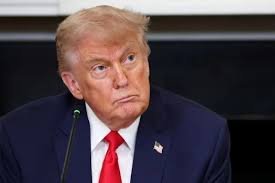 Trump Administration Dismisses 17 Immigration Judges, Sparking Debate Over Judicial Independence
 WHO Condemns Israeli Attacks on Gaza Facilities as Humanitarian Crisis Deepens
 Lammy Condemns Israel’s Targeting of Starving Palestinians: Sanctions Threatened Amid Global Outrage
 Netanyahu Announces Plan to Take Over Gaza City, Escalating Conflict Further
 Prominent Al Jazeera Journalist Anas al-Sharif Among Five Reporters Killed in Israeli Airstrike on Gaza
 Denmark Investigates Professional Drone Incursions Across Multiple Airports, No Evidence of Russian Involvement
 Tony Blair Considered for Leadership Role in Transitional Gaza Authority
 Trump Seeks Breakthrough in Israel-Gaza Peace Talks
 Japan’s First Female Governing-Party Leader Emerges Amid Ultra-Conservative Politics
 Misinformation and Political Pressure Force Weston-super-Mare to Abandon Refugee Sanctuary Plan
 Trump Hails Gaza War’s End, Pushes for Middle East Peace
 Mikie Sherrill Elected New Jersey’s Governor in Key Win
 Britain deploys RAF specialists to assist Belgium with drone threats
 Hannibal Gaddafi Freed After Nearly a Decade in Lebanon
 US Justice Department Files Lawsuit Against California Over Partisan Voting Maps
 December Run-Off in Chile as Election Produces No Winner
 UN Security Council Approves Trump’s Gaza Peace Plan
 Congress Approves Release of Epstein Files, Trump Expected to Sign
 Shadow Fleet at Sea: Europe’s Battle Against Illicit Oil Shipping
 Rapper Nicki Minaj Highlights Threats to Christians in Nigeria
 Rama Rebukes Mahmood for Targeting Albanian Families
 Russian Vessel Used Lasers on RAF Pilots, UK Claims
 Pentagon Officials in Ukraine to Discuss War End
 WhatsApp Messages Expose Nathan Gill’s Bribery
 India’s COP30 Delay Raises Global Climate Concerns
 Venezuela Threatens Nobel Winner Machado with Fugitive Status
 Texas Governor Faces Lawsuit From CAIR
 Trump Envoy to Discuss Ukraine Peace at Kremlin
 Pope Leo XIV Begins Historic Trip to Turkey and Lebanon
 Georgians Defy Government Crackdown After Year of Protests
 Putin Intensifies Territorial Demands Before US Talks
 India’s Labour Law Overhaul Sparks Fierce Debate
 Video shows Israeli troops kill Palestinians after surrender
 Trump to Recheck Green Cards from 19 Nations After DC Attack
 Chinese & Japanese Boats Clash Near Disputed Islands
 Putin Meets US Envoy Amid Key Ukraine Peace Talks
 Kremlin Talks With US Yield No Ukraine Peace Breakthrough
 Justice Deferred, Not Denied: Government Orders Full Statutory Inquiry into Orgreave Clash Four Decades On
 UK Must Act with Courage and Clarity on Israel-Palestine Conflict, Says Foreign Affairs Committee Report
 Northern Ireland Family of Three Shot Dead in Maguiresbridge Home Incident
 Trump Threatens 100% Tariff on Nations Importing Russian Oil Amid India Standoff Over Ukraine War
 Radioactive Leak at UK’s Nuclear Warhead Base Sparks Outcry Over Safety and Secrecy
 Mutual Inconvenience: Why Alaska Was Chosen for the Trump-Putin Summit on Ukraine
 Hong Kong Summons UK and Australian Envoys Following Asylum Grants to Democracy Activists
 Is the UK Ready to Put Boots on the Ground in Ukraine? Assessing Military Capacity and Challenges
 Costa Blanca Holiday Horror as Food Poisoning Outbreak Hits Four-Star Hotel
 Conservative Influencer Charlie Kirk Fatally Shot During University Debate
 Channel Crossings Surge: Over 1,000 People Arrive in the UK in Small Boats in a Single Day
 Widow of Charlie Kirk Forgives Killer at Emotional Memorial Service
 Public Executions in Gaza City Captured on Video Amid Ongoing Conflict
 Macron Phones Trump Over Traffic Jam in New York
 UK Fighter Jet Purchase Could Breach Nuclear Treaty, Warns CND
 A Third of EU Citizens in UK Report Discrimination by Public Bodies Post-Brexit
 Arsenal Showcase Depth and Flexibility as Arteta Eyes Title Challenge
 Public Trust in SNP Hits Historic Low Amid NHS Concerns
 Johnson Suggests Mandelson Linked to China Spy Controversy
 Zelensky to Urge Missile Aid as Trump and Putin Plan Summit
 Rachel Reeves signals welfare reform ahead of key budget
 Ireland Votes as Two Women Compete for Presidency
 Experts Warn Russia’s Burevestnik Missile Could Destabilise Arms Control
 Johnson Approved China’s London ‘Super-Embassy’ in 2018
 Tragedy on Lizard Island: Cruise Passenger Dies
 Zarah Sultana Launches Party to Change Politics
 US Senate Passes Funding Bill to End Historic Shutdown
 Pressure Mounts on Starmer to Sack Chief of Staff Over Briefing Row
 Trump Deploys DHS to Charlotte in Major Arrest Operation
 Orban Says Ukraine Has ‘No Chance’ as EU Support Continues
 Israeli Strike Kills 13 Near Palestinian Camp in Lebanon
 Haiti Qualifies for World Cup Despite Coach Never Visiting Country
 Vietnam Battles Deadly Floods as Rains Continue
 Millions Face Higher Taxes Under Reeves New Budget
 Two National Guard Soldiers Critically Injured Near White House
 Sri Lanka Floods Leave 56 Dead, Dozens Missing
 Jordan Bardella: France’s Young Presidential Contender