Published: 28 September ‘2025. the English Chronicle Desk
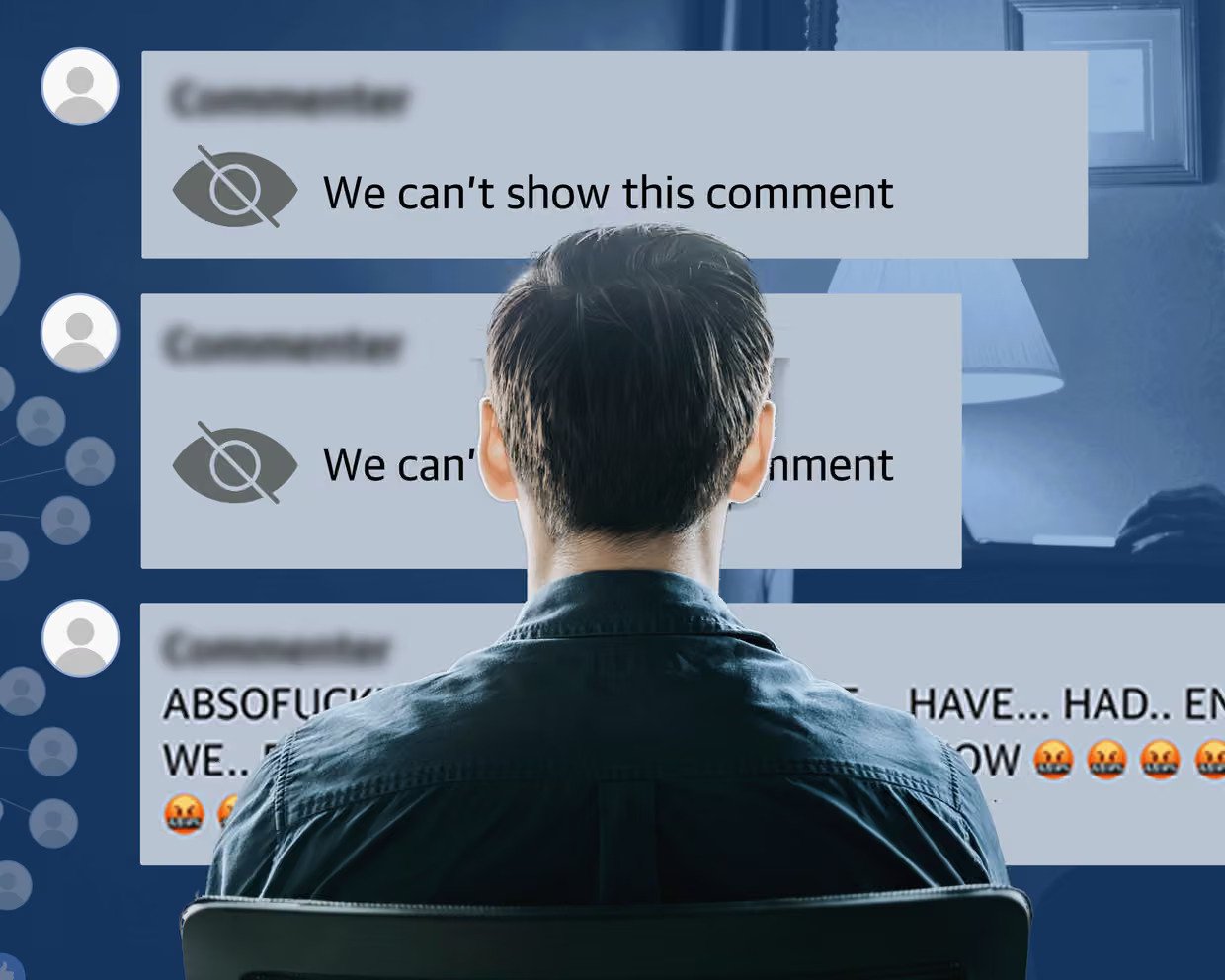
A recent investigation into far-right networks on Facebook has revealed that these online communities are acting as significant drivers of radicalisation in the United Kingdom, exposing hundreds of thousands of users to extremist narratives and racist misinformation. The Guardian-led probe, which analysed months of data, suggests that otherwise ordinary members of the public, many of them older adults and retirees, are running these groups, creating spaces where far-right rhetoric flourishes largely unchecked.
These Facebook communities, often presented as political discussion forums, have become hotbeds of anti-immigration and racially charged content. Experts who reviewed the data warned that such environments have the potential to push individuals toward extreme views, increasing the likelihood of actions ranging from online harassment to real-world violence. The findings come in the wake of a massive far-right protest in London, which drew over 150,000 participants from across the country, significantly surpassing police estimates and alarming politicians due to its size and intensity.

The Guardian’s investigative team identified the groups by tracing the online activity of participants involved in riots following the tragic deaths of three girls in Southport last summer. From this data, a broader ecosystem of interconnected far-right communities emerged. Within these groups, mainstream politicians were routinely described with terms such as “treacherous,” “traitors,” and “scum,” while institutions like the police and courts were accused of enacting a “two-tier” system of justice. Even charitable organisations such as the RNLI were disparaged and mocked as a “taxi service,” highlighting the pervasive mistrust and antagonism that characterises these online spaces.
Over 51,000 posts from three of the largest public groups in the network were analysed, revealing hundreds of concerning examples of misinformation, conspiracy theories, racist slurs, and content promoting white nativism. Far-right tropes were commonly recycled across multiple groups, often word-for-word or with minor variations, demonstrating the efficiency with which extremist narratives are spread within the network. This ecosystem of radicalisation is maintained by administrators—predominantly middle-aged and older Facebook users—who manage invitations, moderate discussions, and selectively amplify content, ensuring the messages reach broader audiences across related groups.
The geographic distribution of these administrators spans England and Wales, with concentrations in the south-east and Midlands. Their backgrounds are diverse, encompassing different socio-economic statuses and living situations, from large seaside townhouses on the south coast to modest council homes in urban centres like Birmingham. Despite these differences, the common thread among administrators is their active engagement in curating content that sustains far-right ideology online.
When approached for comment, most administrators declined to speak on the record. One, a resident of a Leicestershire village who moderates six groups with a combined membership approaching 400,000, claimed that far-right users who breached group rules were “deleted and blocked.” However, the investigation found abundant evidence contradicting these claims, including numerous instances of extreme posts containing well-known debunked conspiracy theories and xenophobic content.
Immigrant communities, particularly Muslims, were frequent targets of vitriolic language, ranging from dehumanising labels such as “parasites,” “criminals,” and “primitive,” to broader cultural attacks, accusing them of being “incompatible with the UK way of life.” Some posts employed particularly inflammatory imagery, describing the need for a “humongous nit comb” to remove people deemed undesirable, reflecting the intensity of prejudice being normalised within these online circles. Other messages warned of societal decay, claiming that towns and villages were being “filled” with people bringing crime and “third-world culture,” illustrating the narratives of fear and division propagated within these groups.
Experts emphasised that these online forums are particularly potent because they combine algorithmic amplification with the trust users place in content from peers or community leaders. Dr Julia Ebner, a radicalisation researcher at the Institute for Strategic Dialogue, noted that these spaces act as breeding grounds for extremist ideologies and play a significant role in the radicalisation of individuals. “The online spaces amplify dynamics of hate and conspiracy at unprecedented speed,” she said. “With deepfakes, fabricated videos, and bot automation, people are often more likely to trust content shared by an individual account than official sources, which is inherently dangerous.”
Historically, far-right online movements had found a home on platforms such as 4chan, Parler, and Telegram, which often catered to younger, more tech-savvy audiences. The emergence of far-right networks on Facebook, however, demonstrates a shift toward older demographics and mainstream social media platforms, broadening the reach and influence of extremist narratives. Many administrators and moderators of these groups are over 60, representing a cohort that is often more socially integrated and influential in offline communities.
Despite the pervasive spread of far-right content, Meta, the parent company of Facebook, reviewed the three groups analysed in the Guardian investigation and concluded that the material did not violate its current hateful conduct policies. This raises broader questions about the effectiveness of content moderation on large social media platforms and highlights the difficulty of policing ideologically driven speech that operates at scale.
The Guardian’s investigation recorded the combined membership of the network at 611,289 individuals as of 29 July 2025, though this figure likely includes double counting since many users belong to multiple groups. The scale of these networks underscores the potential for radicalisation to reach significant numbers of people, demonstrating that far-right extremism is not limited to marginalised online spaces but has infiltrated mainstream digital platforms where it can reach older, otherwise socially conventional users.
Researchers warn that the combination of algorithmic amplification, peer reinforcement, and repeated exposure to extremist content creates a potent environment for radicalisation. Online hate can shift from rhetoric to real-world action, as evidenced by the riots and protests linked to far-right mobilisation in the UK over the past year. The persistence of these groups, coupled with limited effective oversight, allows extremist narratives to spread rapidly, reaching audiences who might not otherwise encounter such content.

Ultimately, this investigation highlights the urgent need for a multi-pronged response, including improved content moderation, public awareness campaigns, and research-driven strategies to counteract the appeal of online far-right ideologies. The UK’s law enforcement, policymakers, and social media platforms are now facing increasing pressure to address the systemic issues that allow radicalisation to proliferate in seemingly ordinary online communities. While Facebook remains a platform of global connectivity, the rise of far-right networks within it illustrates how social media can also serve as a conduit for misinformation, hate, and extremist mobilisation.
The findings also reinforce the critical role of independent investigative journalism in uncovering these dynamics. By tracing the links between online activity and offline mobilisation, investigations like the Guardian’s illuminate the hidden mechanisms through which extremist networks operate, exposing both the reach of radical narratives and the urgent need for policy responses that address the digital ecosystem’s role in shaping political and social behaviour.
As far-right groups continue to grow and adapt online, the challenge for regulators and society at large will be to balance freedom of speech with the imperative to prevent the radicalisation of vulnerable individuals. This investigation provides a sobering reminder of the scale, sophistication, and societal impact of far-right networks operating under the guise of ordinary social media communities.
Related News:
 Tasers Introduced in UK Prisons to Combat Rising Violence and Protect Staff
 UK Government Unveils Tough Crackdown on Social Media Ads Promoting Illegal Channel Crossings
 Police Prepare for Potential Disorder as Far-Right Groups Promote Anti-Migrant Protests Across England
 Mass Arrests in London as Protest Defies Ban on Palestine Action
 Police Advised to Disclose Ethnicity of Suspects in High-Profile Cases
UK police plans to reveal suspects’ ethnicity spark fears of “dog-whistle politics”
Police Advised to Disclose Ethnicity of Suspects in High-Profile Cases
UK police plans to reveal suspects’ ethnicity spark fears of “dog-whistle politics”
 UK Police Face ‘Chronic Pressure’ Amid Surge in Protests Over Asylum and Gaza
 Graffiti Targeting Angela Rayner Removed After Resident Foots the Bill
 Peter Mandelson Referred to Jeffrey Epstein as ‘My Best Pal’ in 50th Birthday Letter
 Peter Mandelson’s Letter to Jeffrey Epstein Sparks Renewed Scrutiny
 Charlie Kirk Killing Used to Mobilise UK’s Largest Far-Right Rally in Decades
 Metropolitan Police Considers Requiring Officers to Declare Freemasonry Membership
 UK Police to Gain New Powers to Manage Repeated Protests, Home Office Announces
 Stephen Lawrence’s Father Demands Justice Before Killer’s Parole
 Starmer Condemns 7 October Student Protests as ‘Un-British’
 Teen and Man Arrested Over Nursery Cyber Attack Exposing 8,000 Children
 UK Charities Warn Rising Hate Threatens Staff Safety
 Agnes Wanjiru’s niece urges Labour to expedite ex-soldier’s extradition
 Southport rioter dies in cell after prison disciplinary charge
 Starmer’s grooming gang inquiry in turmoil after two survivors quit
 Reform Councillor Defects to Tories Over ‘Uncomfortable’ Policies
 FBI Director Kash Patel Defends Girlfriend Amid Government Jet Claims
 French Taxi Driver Cleared in David Lammy Theft Case After Fare Dispute
 Company linked to Michelle Mone owes £39m in tax
 Met Police Culture Makes Racial Harm ‘Inevitable’
 Eleven Arrested After Pro-Palestine Protest at Villa Match
 ‘Reckless’ cuts to victims’ services will cost more than they save
 British state supplied victims to ‘worst sex offender in history’
 New review urges UK to repatriate Shamima Begum, others from Syria
 Victims’ commissioner Baroness Newlove dies aged 63
 UK Candidate Moved to Safe House After Election Threats
 Ex-Classmate Accuses Farage of Dishonesty on Racism Claims
 Ex-Brexit MEP Rejects Claim of Pro-Russia Payments
 UK Must Act with Courage and Clarity on Israel-Palestine Conflict, Says Foreign Affairs Committee Report
 Targeted Attack in Bury Sparks Murder Investigation as Community Awaits Justice
 Man Remanded After Children Fall Ill at Leicestershire Summer Camp in Shocking Child Cruelty Case
 Chancellor Faces Mounting Pressure Amid “Impossible Trilemma” Over Tax Rises
 Radioactive Leak at UK’s Nuclear Warhead Base Sparks Outcry Over Safety and Secrecy
 Mutual Inconvenience: Why Alaska Was Chosen for the Trump-Putin Summit on Ukraine
 UK Government Expands ‘Deport Now, Appeal Later’ Policy to 23 Countries
 Chancellor Rachel Reeves Pushes for Sweeping Changes to Environmental Protections to Accelerate Development
 Larger Families Could Gain Thousands if Labour Ends Two-Child Benefit Cap
 Merseyside Police Helicopter Crew Cleared After Low-Altitude Pursuit of Suspect
 Is the UK Ready to Put Boots on the Ground in Ukraine? Assessing Military Capacity and Challenges
Palestine Action Ban Protesters Plan Tactic to Overwhelm Police at Next London Demonstration
Is the UK Ready to Put Boots on the Ground in Ukraine? Assessing Military Capacity and Challenges
Palestine Action Ban Protesters Plan Tactic to Overwhelm Police at Next London Demonstration
 Police Scotland Spends £500,000 Compensating Officers Over Trump Visit
 Britain’s Migration Challenge: Rising Asylum Numbers and Hotel Pressures
 Elon Musk Sparks New Controversy by Backing Tommy Robinson Amid Farage Feud
 Urgent Action Needed on Windrush Compensation as Survivors Speak of “Waiting to Die”
 Tanni Grey-Thompson Faces Abuse Over Opposition to Assisted Dying Bill
 TfL Invites RMT to Resume Talks as London Tube Strikes End
 Prime Suspect in Madeleine McCann Case Declines Metropolitan Police Interview Ahead of German Prison Release
 Nigel Farage Unveils Controversial Immigration and Welfare Plans at Reform UK Press Conference
 Ed Miliband Urges Labour to Confront Billionaire-Backed Opposition to Net Zero Goals
 A Third of EU Citizens in UK Report Discrimination by Public Bodies Post-Brexit
 Senior Tories Condemn Badenoch’s Vow to Repeal Climate Change Act as Catastrophic
 Digital ID Plans Ignite Debate Over £600m Treasury Tax Boost and Privacy Concerns
 Public Trust in SNP Hits Historic Low Amid NHS Concerns
 Yvette Cooper Backs Digital ID Plan for UK Teens
 Ian Watkins Killed in Prison; Ex-Girlfriend Speaks Out
 Johnson Suggests Mandelson Linked to China Spy Controversy
 Ministry of Justice fails to file £11bn in spending receipts
 Rachel Reeves signals welfare reform ahead of key budget
 Reform UK candidate fined £19,000 after using AI-generated cases to challenge election
 William Steps Up Over Prince Andrew Palace Response
 Green Party Surges Past Labour in Latest UK Poll
 Celebrities and Charities Demand UK Government Act on Child Poverty
 Zarah Sultana Launches Party to Change Politics
 Mass Stabbing on Doncaster to London Train Leaves Ten Injured
 Just Stop Oil Protesters Convicted Amid Climate Defence Row
 How to get help when a child goes missing – call 999 urgently
 Starmer Faces Growing Dissent as Labour MPs Weigh Leadership Challenge
 Pressure Mounts on Starmer to Sack Chief of Staff Over Briefing Row
 Peers Flood Assisted Dying Bill with 942 Amendments
 Mother Watches in Horror as Teen Daughter Dies on Tracks
 Serial Rapist and Former Cop Found Guilty Again
 Venezuela Threatens Nobel Winner Machado with Fugitive Status
 Most Tories Expect to Support a Farage-Led Government
 Labour MP claims devolution bill is ‘blatant discrimination’ against Cornwall
 Millions Face Higher Taxes Under Reeves New Budget