Published: 30 September ‘2025. The English Chronicle Desk
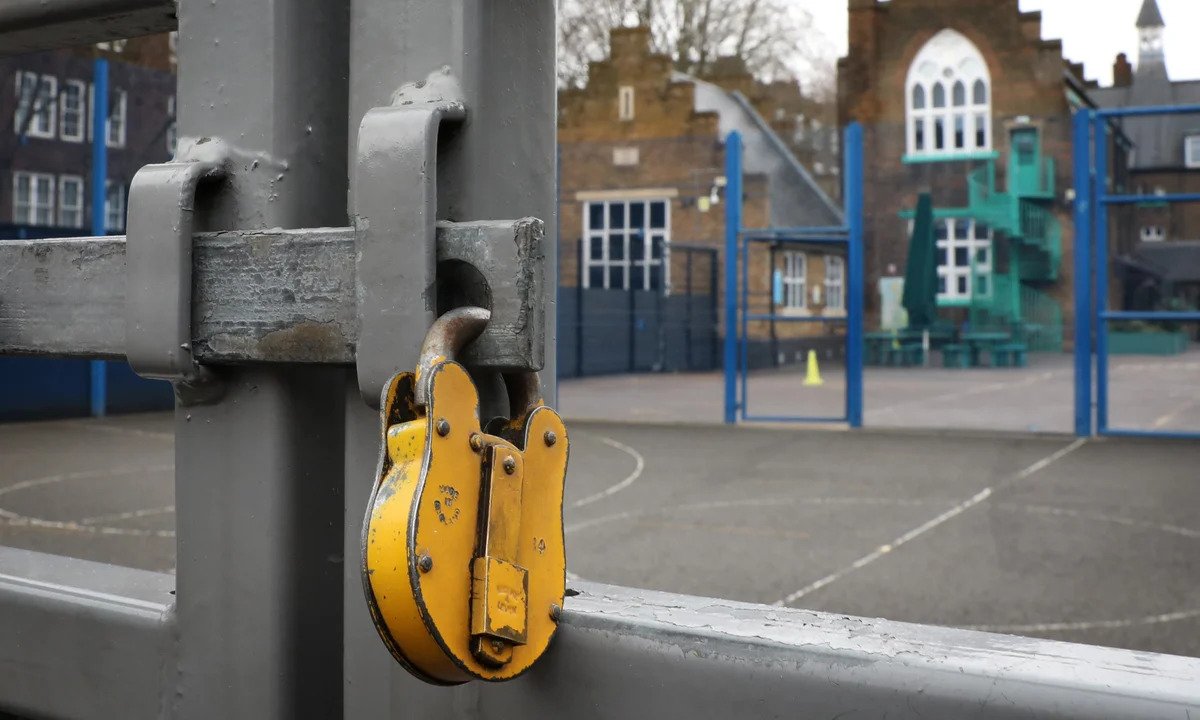
The Covid-19 pandemic inflicted profound and lasting damage on the lives of children in the United Kingdom, a public inquiry has heard, describing the school closures and lockdown measures as having disrupted the “very fabric of childhood.” On the opening day of a four-week session examining the pandemic’s impact on children and young people, Clair Dobbin KC, counsel to the inquiry, cautioned that much of the evidence to be presented would be “difficult to listen to,” reflecting the severe consequences endured by young people over the past several years.
Dobbin explained that some children lost parents, grandparents, and other close family members to the virus, while others themselves succumbed to Covid-19 or continue to experience serious, often long-term, effects from the illness. Beyond the immediate health consequences, she emphasized the dramatic toll on children’s social, emotional, and educational development, highlighting that many missed key milestones and rites of passage that form the foundation of childhood. Birthday celebrations, school proms, sports activities, trips, and exams were all curtailed, and the absence of these formative experiences has had lasting repercussions on young people’s mental health and social skills.

The inquiry also heard troubling evidence about children who suffered harm at home during lockdown, as the closure of schools removed an important layer of protection normally offered by teachers and school staff. Some children were exposed to risks including violent pornography and other online dangers, while many struggled to access education remotely. For some, daily life was dominated by video gaming, with one child recalling spending six months playing Animal Crossing instead of attending school, and another reporting up to 19 hours per day on Roblox. Dobbin quoted a student who described attending online lessons from bed, often keeping the camera off while simultaneously posting on social media or watching reality television.
Dobbin described the loss of play, learning, and social interaction as a deprivation of “much of the fun that makes a childhood,” highlighting that everyday activities—playing sport, celebrating birthdays, going on school trips, and attending holidays—comprise what she called the “very fabric of childhood.” The inquiry was told that the decision to close schools in March 2020 had consequences that are difficult to overstate.
Evidence presented to the inquiry indicated that the Department for Education (DfE) had undertaken no contingency planning for school closures before lockdown was declared. “In England, evidence that the DfE did not start planning for the closure of schools until after 16 March 2020 is a cause for alarm,” Dobbin said. She outlined that Jonathan Slater, then permanent secretary to the DfE, testified that from January to mid-March 2020, the department’s contingency plans assumed that schools and other educational institutions would remain open. This approach aligned with the government’s broader pandemic preparedness strategy at the time.
Gavin Williamson, the education secretary then in office, confirmed this perspective but described a sudden shift in strategy on 17 March, just one day before schools were ordered to close. Dobbin noted Williamson’s characterization of a “discombobulating 24-hour sea change” in policy, moving abruptly from plans to keep schools open to discussions about closing them. By 18 March, the government mandated school closures across England. Dobbin added that Williamson did not request an assessment of the potential impact of such closures, nor did Downing Street officials commission advice from the DfE regarding the consequences for children and families.
The inquiry also explored evidence from former Prime Minister Boris Johnson, who reportedly challenged Williamson’s account, suggesting that the DfE had been aware of the potential for school closures. Dobbin noted that the discrepancy in recollections raises concerns about the adequacy of government planning for such a significant event. “It’s my respectful submission that it’s significant that there should be a dispute about whether planning for so seismic an event existed,” she said. She added that the notion of waiting for official commissioning of planning by the DfE, rather than taking proactive steps, is “perhaps alarming.”
Chair of the inquiry, Heather Hallett, described the pandemic’s impact on children as “severe and, for many, long-lasting.” She emphasized that many young people missed critical educational opportunities and social interactions, and for those most at risk, school closures eliminated essential protections from abuse and neglect. An impact film shown at the start of proceedings highlighted some of these experiences, narrated by adults to preserve the anonymity of the children involved. Stories included children who lost friends or family members, suffered significant weight loss due to illness, or required ventilation to survive severe cases of Covid-19.
Parents and guardians also provided testimony about the immense challenges of managing children’s education at home. One single parent recounted the difficulties of attempting to educate and care for three children at different educational stages, ultimately conceding that homeschooling had become unmanageable. “In the end I just said we’re not doing it,” the parent said, reflecting the pressures and emotional strain of confinement. Another mother spoke of her son, who had been out of school since February 2022, noting the profound disruption to family life and expressing concern about his future independence and wellbeing. “We should not sacrifice children. Children are the future,” she stated.

The inquiry’s initial session underscored not only the educational setbacks but also the social and psychological consequences of prolonged isolation, lack of structured learning, and diminished opportunities for peer interaction. Dobbin highlighted that some young people experienced severe disruptions to their daily routines, became increasingly isolated, and faced risks exacerbated by the digital shift, including exposure to harmful content and online exploitation. These effects, combined with the loss of conventional schooling and social milestones, have left an enduring mark on a generation of children in England.
The evidence presented illustrates the wide-ranging effects of Covid-19 school closures, from interrupted education and lost childhood experiences to emotional trauma and exposure to online risks. Dobbin and the inquiry chair stressed the need to understand these consequences fully to inform future policy decisions and preparedness strategies. By documenting the stories of children and families, the inquiry aims to provide a comprehensive record of the human impact of the pandemic and ensure that lessons are learned to prevent similar disruptions in the future.
Related News:
 Calls Grow for a Complete Ban on Smacking as Public Opinion Shifts
 Ofsted Pushes Ahead with Controversial New Inspection Regime Despite Widespread Opposition
 Phillipson Warns Parents Over Poor Quality Online Advice
 One in 12 Secondary Pupils Sent to Isolation Weekly
 Marie Curie Launches End-of-Life Checklist to Ease Stress
 No link found between paracetamol in pregnancy and autism
 Ageless Energy: How Life After 40 Is Sparking a New Era of Vitality and Innovation
 The Ketamine Crisis in the UK is a Silent Epidemic Leaving Users with Lifelong Pain
 Verbal Abuse in Childhood Linked to Greater Risk of Poor Mental Health in Adulthood, New Study Reveals
 My Husband Won’t Stop Playing with Lego and It’s Driving Me Nuts
 ‘I’m Trying to Cut Down My Alcohol Intake and This 99p Low-Calorie Drink Converted Me’
 Woman Warned She Might Need Leg Amputation to Survive After Liquid Brazilian Butt Lift
 Alarming rise in abusive teen relationships in the UK sparks urgent warnings
 Learner Drivers to Face CPR and Defibrillator Questions in New Theory Tests
 Breakthrough Clinical Trial Lets 12-Year-Old Boy with Rare Skin Disorder Play Football
 Inquest Finds Agency Worker Failings Led to Unlawful Death of Vulnerable 14-Year-Old
 Shocking Rise in Children’s Exposure to Violent Online Pornography Raises Alarm
 Compulsory Period Education for Boys and Girls Urged by New Study
 Martha’s Rule Now Fully Implemented Across All Acute Hospitals in England
 Why E-Bikes and E-Scooters Are Making Streets a ‘Nightmare’ for Blind People
 Council Proposes Limits on Ice Cream Van Music and Parking in South Cambridgeshire
 Norfolk Hospital Ranked Worst in England as NHS League Tables Return
 More Than Half of UK Births Now Involve Medical Intervention
 UK Graduates in Healthcare Report Highest Satisfaction with Degree Choices
 NHS ‘Toxic Culture’ Risks Harm to Mothers and Babies, Health Leader Warns
 One in Three GPs in England Do Not Work in NHS, Raising Concerns Over Access to Care
 UK Doctors Guilty of Sexual Misconduct Continue Practising Amid Weak Sanctions, Research Finds
 Private Psychology Costs Surge in UK as Practitioners Turn Away Clients Amid Record Demand
 Global Study Reveals Violence in GP Surgeries Linked to Long Waiting Times and Drug Refusals
 Heavy Drinkers Lead Growth in Non-Alcoholic and Low-Alcohol Market
White Low-Income Pupils in England Show Lowest Levels of School Engagement, Study Finds
Heavy Drinkers Lead Growth in Non-Alcoholic and Low-Alcohol Market
White Low-Income Pupils in England Show Lowest Levels of School Engagement, Study Finds
 Starmer Unveils Plan for NHS “Online Hospital” to Tackle Waiting Lists
 Tragic Death Strikes Half-Marathon in Stoke-on-Trent: Runner Dies Shortly After Crossing Finish Line
 Medical Cannabis Offers New Hope for British Women Struggling with Chronic Pain
 One in four UK residents fear a loved one drinks excessively as addiction concerns rise
 Eating International Foods Linked to Greater Tolerance, UK Study Finds
 Majority of UK Men Would Opt for Prostate Cancer Screening, Survey Finds
One in Three UK Workers Call in Sick After Work Drinks as Cultural Pressures Persist, Survey Finds
Majority of UK Men Would Opt for Prostate Cancer Screening, Survey Finds
One in Three UK Workers Call in Sick After Work Drinks as Cultural Pressures Persist, Survey Finds
 NHS Facilities Staff Vote to Strike Over Pay Discrimination
 Ambulance Worker Fired After Flinging Amputee from Wheelchair and Offering Bribe
 Women Challenge Meta Over Targeted Ads After Miscarriage
 Mum’s Final Wish: Donating Her Body to Science
 Phillipson urges UK universities to combat antisemitism
 UK Woman Becomes Longest Survivor of Heart-Lung Transplant
£18 Prostate Cancer Test Could Save Thousands of Lives
UK Woman Becomes Longest Survivor of Heart-Lung Transplant
£18 Prostate Cancer Test Could Save Thousands of Lives
 New wearable UV detector aims to prevent sunburn
Pregnant Women in England Face Rising Risk of Severe Birth Injury
New wearable UV detector aims to prevent sunburn
Pregnant Women in England Face Rising Risk of Severe Birth Injury
 Mother dies after black market weight loss injection
 UK Health Leaders Push for Urgent Tobacco & Vape Bill
 Man Trapped in Quicksand Rescued in Dramatic Coastal Rescue
 Hospice Cuts Raise Alarm Across England Amid Funding Crisis
 Morning-After Pill Now Free Across England’s Pharmacies
 How Bringing Forests Into Preschools Boosts Children’s Health
 Children to Learn Local History in Major Curriculum Overhaul
 Experts Warn on Home Birth Risks, Call for Skilled Midwives
 Greta Thunberg Backs Student Facing UK Visa Revocation
 Experts Urge Legal Right to Timely Cancer Care
 London’s Childlessness Crisis: Schools Closing as Families Shrink
 North Sea oil workers must lose weight or face job loss
 Crisis charity to become landlord amid UK housing emergency
 NHS frontline staff forced to cover gaps as managers remain scarce
 Seven Conditions That Automatically Qualify You for a Free Bus Pass
 Understanding Missing Children: Facts vs. Myths
 UK Disability Pay Gap Means Millions Work for Free From Today
 Leading doctors issue warning amid ‘bad’ flu season
 South Korea’s College Exam Tests Perseverance of Blind Students
 Working-Class Men with Prostate Cancer Left Behind by NHS
 Princess Beatrice Opens Up About Premature Birth Journey
 UK Schools Face Staff Exodus Amid Wellbeing Crash
 107-Year-Old Veteran Credits Whiskey for Longevity
 Nestle Criticised for Adding Sugar to Baby Food in Developing Nations
 ‘Traumatic Wait’: Northern Ireland Women Face Breast Cancer Delays
 Healthy Habits in Your 30s That Boost Life in Your 70s
 Woman Meets Boy Whose Life She Saved with Kidney
 Scottish Families Take Legal Action Over School CO Leak
 Coffins Now Too Large to Cremate Amid Rising Obesity Crisis
 Vicki Fears Losing Motability Car
 Delhi’s Toxic Air Crisis Leaves Children Sick and Vulnerable
 Fibromyalgia Patients Struggle as NHS Fails to Provide Care
 “Enough is Enough”: Local MP Vows to Fight Rainham Quarry Plans