Published: 06 October 2025. The English Chronicle Desk, English Chronicle Online
Civil liberties organisations have voiced serious concerns over government plans to grant police expanded powers to regulate protests, a move that coincides with organisers of mass demonstrations against the banning of Palestine Action promising a “major escalation” of their campaign.
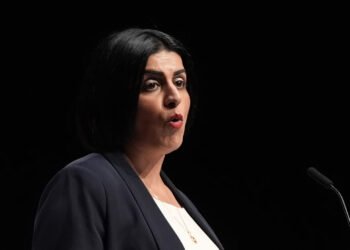
Labour MP Shabana Mahmood stated that repeated large-scale protests over Gaza had created “considerable fear” within the Jewish community, particularly in the aftermath of a deadly terror attack at a Manchester synagogue last week. Under the proposed legislation, police would have the authority to impose stricter conditions on static demonstrations and marches, taking into account the “cumulative impact” of prior protests in the same locations.
Following Mahmood’s statement, the campaign group Defend Our Juries announced plans to intensify demonstrations in support of Palestine Action over a ten-day period in November. A spokesperson for the group condemned the government’s proposed powers as “an extraordinary new affront to our democracy,” warning that the restrictions would likely fuel public backlash against the ban.

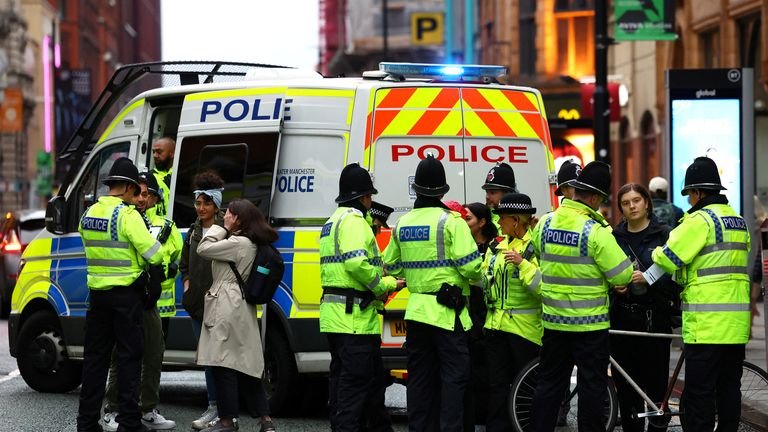
The proposals come after nearly 500 people were arrested in London over the weekend for participating in protests supporting Palestine Action. Jewish community leaders, law enforcement officials, and political figures, including Labour leader Keir Starmer, had called for restraint following the tragic attack on the synagogue.
Mahmood is reportedly reviewing all existing anti-protest legislation, with the potential to strengthen authorities’ ability to ban certain demonstrations entirely. Shami Chakrabarti, Labour peer and former shadow attorney general, cautioned against the introduction of sweeping powers, warning that such measures could be misused if they fell into the hands of future governments with less commitment to civil liberties. “Street protest that isn’t a bit of a nuisance isn’t usually effective,” she noted. “Any government seeking to further restrict it should carefully consider the implications if powers are used in the wrong hands.”
Concerns were echoed by two Labour MPs, who emphasised that even distasteful protests should not justify hastily enacted laws that could curtail legitimate demonstrations in the future. Under the proposed rules, repeated protests at the same site causing disorder would empower police to instruct organisers to relocate events, limit participant numbers, or enforce time restrictions. Home Office officials confirmed that the legislation would amend sections 12 and 14 of the Public Order Act 1986, which currently subjects offenders to up to six months in prison, an unlimited fine, or both for breaching police-imposed conditions.
Speaking to Sky News, Mahmood argued that a gap in the law necessitated the changes, asserting that “cumulative disruption” is a valid consideration for police when setting restrictions. On BBC One’s Sunday with Laura Kuenssberg programme, she clarified that the measures are not aimed at banning protests outright, but rather at allowing police to apply conditions that manage timing, location, and other factors to reduce repeated disruption.
The Liberal Democrats criticised the proposals, warning that they could divert police resources toward minor incidents while neglecting real criminal activity. Max Wilkinson, the party’s home affairs spokesperson, described the plans as a continuation of “a messy approach to protest laws” first seen under Conservative leadership.
Legal experts have noted that the government’s plans could face challenges in court, referencing similar attempts by former Conservative Home Secretary Suella Braverman to curb protests, which were struck down by the courts. In 2023, Braverman’s legislation lowered the threshold for police intervention in demonstrations, covering any disruption deemed more than minor. The High Court ruled this move unlawful in May 2024, a decision hailed as a major victory by civil rights organisation Liberty.
Amnesty International UK and Liberty have criticised the current proposals. Tom Southerden, a director at Amnesty International, called the measures “ludicrous,” suggesting they are a cynical attempt to appear tough on protests. Liberty’s director, Akiko Hart, warned that granting police even broader powers could undermine fundamental rights without improving public safety in the wake of violent incidents like the Manchester synagogue attack.
In response to the anticipated judicial review, Defend Our Juries has announced plans for widespread civil disobedience between 18 and 28 November. Mahmood, in a letter to chief constables, acknowledged that the country faces “heightened tensions and division” and expressed gratitude to police for their response to the recent attack. She confirmed that legislation would be introduced to expand police powers against repeated disruptive protests while also reviewing the full spectrum of public order legislation to ensure it remains effective in light of evolving protest activity.

The planned new powers complement existing measures in the Crime and Policing Bill, which would criminalise the possession of face coverings, fireworks, and flares at protests, as well as certain actions involving war memorials. The proposals have reignited debates over the balance between public safety, civil liberties, and the right to peaceful protest, highlighting the ongoing tensions in UK politics around how to respond to demonstrations on sensitive political issues.
As the debate continues, civil liberty groups, legal experts, and political leaders are closely monitoring the government’s approach, stressing that any legislative changes must safeguard fundamental democratic rights while maintaining public order. The evolving situation is likely to remain a key point of contention in the coming months, particularly as activists plan to test the limits of proposed restrictions through mass demonstrations.
Related News:
 UK Must Act with Courage and Clarity on Israel-Palestine Conflict, Says Foreign Affairs Committee Report
 Wethersfield Controversy Deepens as Asylum Seeker Numbers Set to Surge by 50%
 Chancellor Faces Mounting Pressure Amid “Impossible Trilemma” Over Tax Rises
 Radioactive Leak at UK’s Nuclear Warhead Base Sparks Outcry Over Safety and Secrecy
 Mass Arrests in London as Protest Defies Ban on Palestine Action
 Mutual Inconvenience: Why Alaska Was Chosen for the Trump-Putin Summit on Ukraine
 Russell T Davies Warns of Declining UK Gay Rights Amid Rise of Reform UK and Trump Influence
 UK Government Expands ‘Deport Now, Appeal Later’ Policy to 23 Countries
 Farage Accuses PM of ‘Democratic Disparity’ in House of Lords Representation
 Chancellor Rachel Reeves Pushes for Sweeping Changes to Environmental Protections to Accelerate Development
 Larger Families Could Gain Thousands if Labour Ends Two-Child Benefit Cap
 Is the UK Ready to Put Boots on the Ground in Ukraine? Assessing Military Capacity and Challenges
 Palestine Action Ban Protesters Plan Tactic to Overwhelm Police at Next London Demonstration
 Police Scotland Spends £500,000 Compensating Officers Over Trump Visit
 Britain’s Migration Challenge: Rising Asylum Numbers and Hotel Pressures
 Elon Musk Sparks New Controversy by Backing Tommy Robinson Amid Farage Feud
 Urgent Action Needed on Windrush Compensation as Survivors Speak of “Waiting to Die”
 Tanni Grey-Thompson Faces Abuse Over Opposition to Assisted Dying Bill
 Protests Expected as Israeli Arms Firms Join Global Defence Trade Fair in London
 TfL Invites RMT to Resume Talks as London Tube Strikes End
 UK Rejoining EU ‘Unlikely in My Lifetime,’ Says Starmer’s Europe Reset Negotiator
 ‘Unite the Kingdom’ Rally Sparks Fears of Far-Right Normalisation Among Minority Britons
 France Proposes Ceiling on UK Role in €150bn EU Defence Fund
 Thousands Gather in London to Protest Donald Trump’s Second UK State Visit
 Zarah Sultana Seeks Legal Action After Bitter Clash with Jeremy Corbyn Over Party Membership Funds
 Nigel Farage Unveils Controversial Immigration and Welfare Plans at Reform UK Press Conference
 Top Andy Burnham Ally Launches Fierce Critique of Starmer Ahead of Labour Conference
 Mahmood Pledges Reform of Modern Slavery Laws After Court Blocks Deportation Appeal
 It Changed My View’: Campaign Encourages Pupils in Deprived Areas to Consider University
 UK Fighter Jet Purchase Could Breach Nuclear Treaty, Warns CND
 Ed Miliband Warns UK Government on X, Citing Elon Musk as a “Dangerous Influence”
 Ed Miliband Urges Labour to Confront Billionaire-Backed Opposition to Net Zero Goals
 A Third of EU Citizens in UK Report Discrimination by Public Bodies Post-Brexit
 Senior Tories Condemn Badenoch’s Vow to Repeal Climate Change Act as Catastrophic
 Home Secretary condemns Gaza protests after Manchester synagogue attack as “un-British”
 Digital ID Plans Ignite Debate Over £600m Treasury Tax Boost and Privacy Concerns
 Robert Jenrick Reiterates Controversial Comments on Birmingham’s Integration as Backlash Grows
 Public Trust in SNP Hits Historic Low Amid NHS Concerns
 Yvette Cooper Backs Digital ID Plan for UK Teens
 Starmer Faces Backlash Over Downing Street Shake-Up and Progressive Exodus
 Johnson Suggests Mandelson Linked to China Spy Controversy
 Ministry of Justice fails to file £11bn in spending receipts
 Witness statements reveal the CPS China spy row collapse in the UK
 Rachel Reeves signals welfare reform ahead of key budget
 Starmer pledges to claw back Baroness Michelle Mone’s Covid contract millions
 Reform UK candidate fined £19,000 after using AI-generated cases to challenge election
 The debate over England’s compulsory reading test for 13-year-olds
 Hermer to face questions on alleged China spy case intervention
 Kosovo agrees to host Britain’s refused asylum seekers
 Sex offenders to lose parental rights for children born of rape
 William Steps Up Over Prince Andrew Palace Response
 UK Health Leaders Push for Urgent Tobacco & Vape Bill
 How the Royal Navy Can’t Stop the Channel Boats
 British Woman in Iran ‘Losing Hope’ Amid Ongoing Detention
 Johnson Approved China’s London ‘Super-Embassy’ in 2018
 BBC Journalist Held and Interrogated in Vietnam
 Green Party Surges Past Labour in Latest UK Poll
 Celebrities and Charities Demand UK Government Act on Child Poverty
 Zarah Sultana Launches Party to Change Politics
 FBI Director Kash Patel Defends Girlfriend Amid Government Jet Claims
 ‘Reckless’ cuts to victims’ services will cost more than they save
 Starmer Faces Growing Dissent as Labour MPs Weigh Leadership Challenge
 Politics latest: Starmer ‘will fight any leadership coup’ as Streeting denies attempt to oust Labour PM
 Pressure Mounts on Starmer to Sack Chief of Staff Over Briefing Row
 Peers Flood Assisted Dying Bill with 942 Amendments
 England’s Special Needs Support Faces Breaking Point
 MoD warned over Excel risks before Afghan data breach
 Navy cuts scrap key landing upgrade for UK F-35B jets
 Labour Faces Historic Decline in Wales
 PM Highlights UK Business at G20 in South Africa
 Kate Forbes: Motherhood Harder Than Politics
 Most Tories Expect to Support a Farage-Led Government
 Labour MP claims devolution bill is ‘blatant discrimination’ against Cornwall
 Millions Face Higher Taxes Under Reeves New Budget
 Peers Get Extra Time to Debate Assisted Dying Bill
 “Enough is Enough”: Local MP Vows to Fight Rainham Quarry Plans
 Reform campaign in Clacton faced ‘juggernaut’ scrutiny, say rivals
 Met officers ordered to declare Freemason links
 Culture secretary to review Telegraph takeover by Daily Mail owner
 Reform Candidate Sparks Fury Over Loyalty Comments