Published: 09 October 2025. The English Chronicle Desk. The English Chronicle Online.
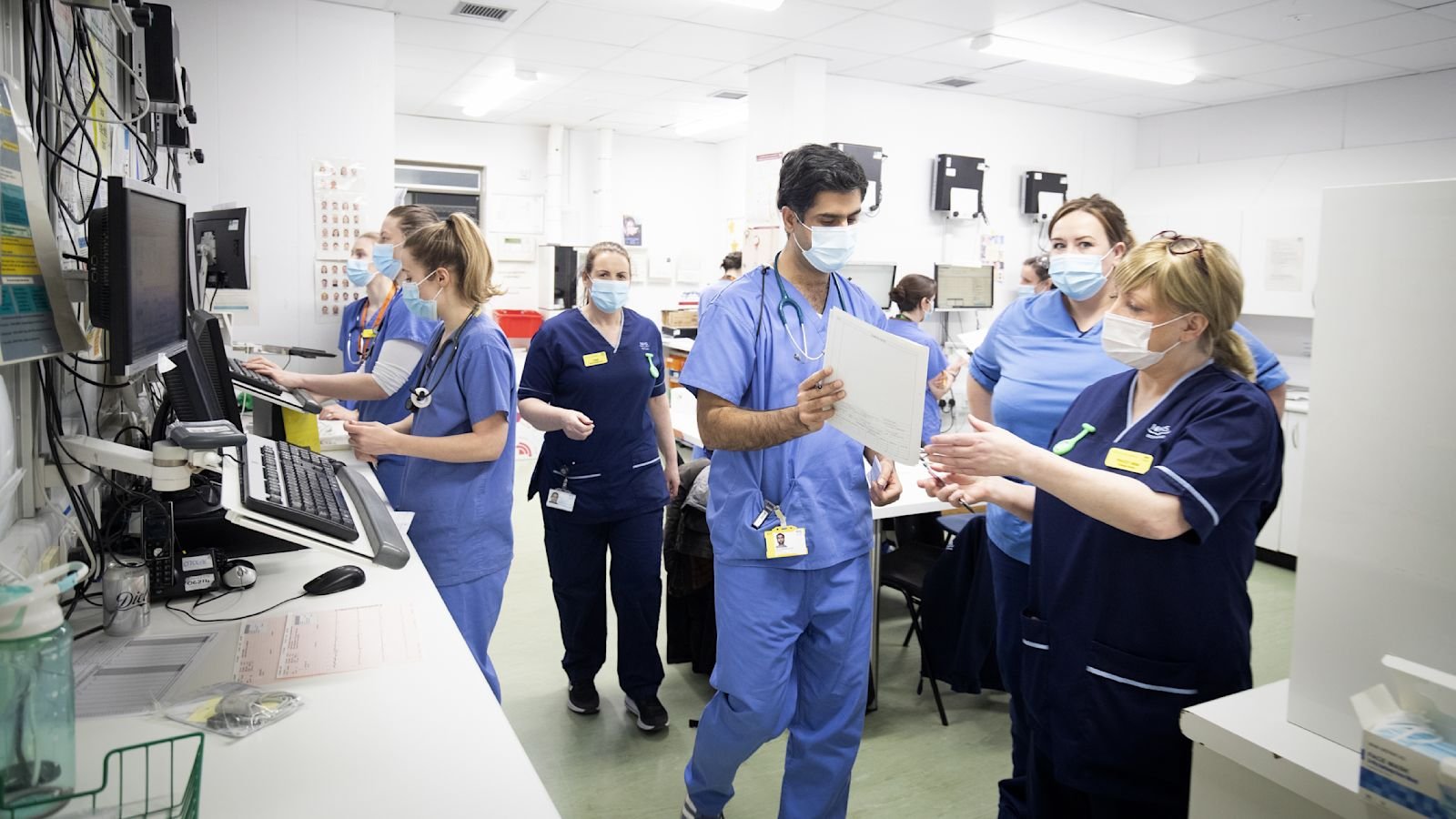
Hundreds of NHS hospital workers are preparing to walk out in protest after claiming they have been denied more than £36 million in wages and pension contributions over the past four years. The dispute, which has sent shockwaves through one of London’s largest hospital groups, has raised fresh questions about pay inequality, systemic discrimination, and fairness within the UK’s National Health Service.
More than 330 low-paid employees — including cleaners, caterers, and porters — working under the St George’s, Epsom and St Helier hospital group (GESH) have voted overwhelmingly to strike. Represented by the United Voices of the World (UVW) union, the workers allege that they have been unfairly excluded from the NHS’s “Agenda for Change” (AfC) pay structure, which guarantees standardised wages, sick pay, and pension benefits across the health service.

According to a new UVW report, the hospital group’s treatment of its facilities staff constitutes “institutional racism,” as the majority of those affected come from minority and migrant backgrounds. The union claims that despite being technically employed by the NHS, these workers continue to receive lower pay and inferior working conditions compared to other NHS colleagues.
The findings come amid a wider debate about inequality within the NHS workforce. Many of these workers were originally outsourced to private contractors that provided minimal pay and fewer benefits. Over the past few years, several NHS trusts have decided to bring facilities staff back in-house, promising improved conditions and parity. However, GESH has been accused of failing to uphold those promises, leaving hundreds of its employees trapped in what they describe as “second-class NHS jobs.”
The union’s figures suggest the affected workers are entitled to a maximum hourly rate of £13.85, while other NHS employees within the same hospital group earn at least £14.92 per hour. In addition, the facilities staff do not receive paid sick leave for the first three days of absence, a condition not applied to other hospital employees.
Hospital officials insist that in practice, facilities workers are paid from the first day they call in sick, but union members dispute this, saying many have lost income due to unclear and inconsistently applied policies.
The disparities go far beyond sick pay. Facilities staff receive just 24 days of annual leave — significantly less than their NHS counterparts, who can receive up to 33 days plus bank holidays depending on their years of service. Pension contributions also reveal a dramatic imbalance: while standard NHS employees benefit from employer contributions of 23.7%, facilities workers receive just 3% under their current contracts.
Based on these differences, the UVW estimates that facilities staff have collectively lost out on over £30 million in wages since 2021, with some individuals working antisocial hours underpaid by as much as £10,000 per year. In addition, the union believes that around £6 million has been lost in pension contributions that workers would have received had they been covered by full NHS terms.
A UVW survey of 154 members at GESH painted a bleak picture of life on the hospital’s lowest pay grades. Eighty-three per cent of respondents admitted they go to work even when they are ill because they cannot afford to lose pay, while nearly half said they are struggling to survive on their current wages. Almost one in four reported that they are falling into debt just to make ends meet.
Annabella, a specialist cleaner in the pathology department at Epsom Hospital, said the experience has been both exhausting and demoralising. “Why this discrimination?” she asked. “For many of us, English is not our first language, and it feels like we are being taken advantage of and exploited. We work hard, often under pressure, yet we are treated as if we are worth less than other NHS workers.”
The UVW’s general secretary, Petros Elia, condemned the hospital group’s actions, accusing GESH of deliberately withholding “millions in vital pay and pension contributions from their lowest-paid staff.” He warned that the patience of these employees has run out. “For years, our members have endured inequality and broken promises,” he said. “The clock has run out on this injustice. Over 300 workers are ready to take industrial action to demand what they are owed.”
This dispute echoes previous cases across the NHS where support staff, many of whom are migrants or people of colour, have fought for fairer treatment. In 2019, a landmark campaign by outsourced NHS workers at Imperial College Healthcare NHS Trust — also covered by The Guardian — resulted in their transfer to in-house contracts, securing better pay, improved sick leave, and access to NHS pension schemes. The UVW says that victory set a precedent, but GESH has failed to follow it.
In response to the strike threat, a spokesperson for Epsom and St Helier University Hospitals said that management values the contribution of porters, cleaners, caterers, and patient transport staff, and is working to resolve the issue. “Our porters, cleaners, catering and patient transport colleagues are hugely valued and respected,” the spokesperson said. “We have inherited a difficult issue at a time when NHS finances are extremely challenging, but we are determined to treat people fairly.”
The hospital group insists that it has already made progress in improving conditions. “When colleagues were brought in-house, they received improved pay and conditions, including the London living wage, increased annual leave and access to the national workplace pension scheme (NEST),” the spokesperson explained. “We are now in the process of giving staff the choice to join the NHS pension scheme. We were wrong not to do this earlier, and we are sorry for this error. We also want to offer our facilities staff equal terms and conditions, and a full review is under way.”

Despite this promise, the UVW argues that action, not words, is what workers now expect. Union organisers say the planned strike will proceed unless GESH commits in writing to placing all facilities staff on full “Agenda for Change” contracts — the gold standard for NHS employment terms.
Labour unions across the country are watching the dispute closely, viewing it as a test case for whether NHS trusts can continue to justify pay disparities between clinical and non-clinical staff. Analysts suggest that if the strike goes ahead, it could disrupt hospital operations across southwest London and Surrey, particularly in cleaning, catering, and patient transport services.
For the workers themselves, the fight is about more than just money. It is about dignity, fairness, and recognition within a system that relies on their labour but too often overlooks their value. “We love our jobs and we care about our patients,” said one porter at St George’s Hospital. “But love doesn’t pay the bills. We just want to be treated the same as everyone else in the NHS.”
As negotiations continue, both sides face mounting pressure to find a solution. For the government and NHS leaders, the case serves as a stark reminder that the success of Britain’s healthcare system depends not only on doctors and nurses but also on the thousands of unseen workers who keep hospitals clean, safe, and running day and night.
Related News:
 Norfolk Hospital Ranked Worst in England as NHS League Tables Return
 Ed Davey Urges UK to Attract US Cancer Scientists Amid Funding Cuts Under Trump
 Labour Announces Pay Boost and New Negotiating Body to Address England’s Care Sector Crisis
 UK Health Leaders Push for Urgent Tobacco & Vape Bill
 Celebrities and Charities Demand UK Government Act on Child Poverty
 Lancashire council plans to close care homes and day centres
 Reeves rejects £1bn plea for NHS redundancy payouts
 Boris Johnson Oversaw Toxic No 10 Culture, Covid Inquiry Finds
 Welsh Government Christmas 2020 Lockdown Criticised
 “Enough is Enough”: Local MP Vows to Fight Rainham Quarry Plans
 Concerns Mount Over Accuracy of At-Home Health Tests as Study Calls for Stricter Regulation
 UK Must Act with Courage and Clarity on Israel-Palestine Conflict, Says Foreign Affairs Committee Report
 Labour Faces Standoff as NHS Strike Exposes Deeper Crisis
 The Ketamine Crisis in the UK is a Silent Epidemic Leaving Users with Lifelong Pain
 Chancellor Faces Mounting Pressure Amid “Impossible Trilemma” Over Tax Rises
 Radioactive Leak at UK’s Nuclear Warhead Base Sparks Outcry Over Safety and Secrecy
 Mass Arrests in London as Protest Defies Ban on Palestine Action
 Mutual Inconvenience: Why Alaska Was Chosen for the Trump-Putin Summit on Ukraine
 UK Government Expands ‘Deport Now, Appeal Later’ Policy to 23 Countries
 Cats Develop Dementia Similarly to Humans, Study Finds
 Chancellor Rachel Reeves Pushes for Sweeping Changes to Environmental Protections to Accelerate Development
 Larger Families Could Gain Thousands if Labour Ends Two-Child Benefit Cap
 Is the UK Ready to Put Boots on the Ground in Ukraine? Assessing Military Capacity and Challenges
 Palestine Action Ban Protesters Plan Tactic to Overwhelm Police at Next London Demonstration
 Police Scotland Spends £500,000 Compensating Officers Over Trump Visit
 Britain’s Migration Challenge: Rising Asylum Numbers and Hotel Pressures
 Elon Musk Sparks New Controversy by Backing Tommy Robinson Amid Farage Feud
 Why E-Bikes and E-Scooters Are Making Streets a ‘Nightmare’ for Blind People
 Urgent Action Needed on Windrush Compensation as Survivors Speak of “Waiting to Die”
 Tanni Grey-Thompson Faces Abuse Over Opposition to Assisted Dying Bill
 Millions in the UK at Higher Risk of Heart Failure and Stroke Due to Air Pollution, Study Warns
 TfL Invites RMT to Resume Talks as London Tube Strikes End
 UK Rejoining EU ‘Unlikely in My Lifetime,’ Says Starmer’s Europe Reset Negotiator
 ‘Unite the Kingdom’ Rally Sparks Fears of Far-Right Normalisation Among Minority Britons
 Systemic Racism in Maternity Care Continues to Endanger Black Women in England, MPs Warn
 One in Three GPs in England Do Not Work in NHS, Raising Concerns Over Access to Care
 Thousands Gather in London to Protest Donald Trump’s Second UK State Visit
 Zarah Sultana Seeks Legal Action After Bitter Clash with Jeremy Corbyn Over Party Membership Funds
 Nigel Farage Unveils Controversial Immigration and Welfare Plans at Reform UK Press Conference
 Top Andy Burnham Ally Launches Fierce Critique of Starmer Ahead of Labour Conference
 Mahmood Pledges Reform of Modern Slavery Laws After Court Blocks Deportation Appeal
 Ed Miliband Warns UK Government on X, Citing Elon Musk as a “Dangerous Influence”
 Ed Miliband Urges Labour to Confront Billionaire-Backed Opposition to Net Zero Goals
 A Third of EU Citizens in UK Report Discrimination by Public Bodies Post-Brexit
 Questions Remain as Rugby Legend Lewis Moody Faces Motor Neurone Disease Diagnosis
 Digital ID Plans Ignite Debate Over £600m Treasury Tax Boost and Privacy Concerns
 Kemi Badenoch Unveils ‘Golden Rule’ to Halve Spending Cuts for Deficit Reduction at Tory Conference
 Public Trust in SNP Hits Historic Low Amid NHS Concerns
 Yvette Cooper Backs Digital ID Plan for UK Teens
 Starmer Faces Backlash Over Downing Street Shake-Up and Progressive Exodus
 Women Challenge Meta Over Targeted Ads After Miscarriage
 Genetic Tests May Predict Return of Blood Cancer
 Johnson Suggests Mandelson Linked to China Spy Controversy
 £18 Prostate Cancer Test Could Save Thousands of Lives
 Ministry of Justice fails to file £11bn in spending receipts
 Pregnant Women in England Face Rising Risk of Severe Birth Injury
 Rachel Reeves signals welfare reform ahead of key budget
 Reform UK candidate fined £19,000 after using AI-generated cases to challenge election
 The debate over England’s compulsory reading test for 13-year-olds
 Kosovo agrees to host Britain’s refused asylum seekers
 One in 12 Secondary Pupils Sent to Isolation Weekly
 William Steps Up Over Prince Andrew Palace Response
 How the Royal Navy Can’t Stop the Channel Boats
 Hospice Cuts Raise Alarm Across England Amid Funding Crisis
 Johnson Approved China’s London ‘Super-Embassy’ in 2018
 Green Party Surges Past Labour in Latest UK Poll
 Zarah Sultana Launches Party to Change Politics
 FBI Director Kash Patel Defends Girlfriend Amid Government Jet Claims
 London’s Childlessness Crisis: Schools Closing as Families Shrink
 ‘Reckless’ cuts to victims’ services will cost more than they save
 Starmer Faces Growing Dissent as Labour MPs Weigh Leadership Challenge
 Politics latest: Starmer ‘will fight any leadership coup’ as Streeting denies attempt to oust Labour PM
 Pressure Mounts on Starmer to Sack Chief of Staff Over Briefing Row
 Peers Flood Assisted Dying Bill with 942 Amendments
 ‘Traumatic Wait’: Northern Ireland Women Face Breast Cancer Delays
 Coffins Now Too Large to Cremate Amid Rising Obesity Crisis
 Most Tories Expect to Support a Farage-Led Government
 Labour MP claims devolution bill is ‘blatant discrimination’ against Cornwall
 Millions Face Higher Taxes Under Reeves New Budget
 Fibromyalgia Patients Struggle as NHS Fails to Provide Care