Published: 21 October 2025. The English Chronicle Desk. The English Chronicle Online.
Keir Starmer’s national grooming gang inquiry has been plunged into uncertainty after two survivors resigned from its oversight panel, citing “contempt” and “political interference” by the Home Office and Labour before the appointment of a chair.
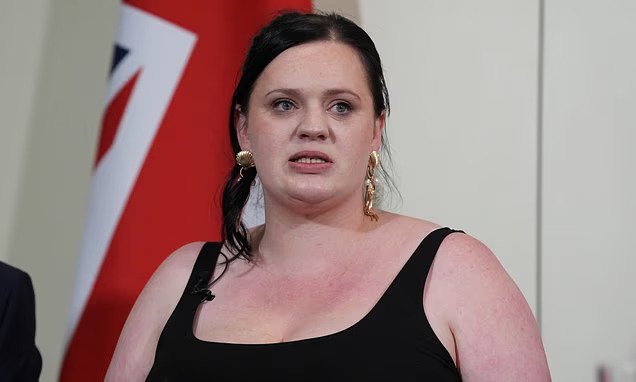
Ellie-Ann Reynolds and Fiona Goddard stepped down on Monday, criticising the inquiry for “condescending and controlling language used towards survivors” during the process. Their resignations come at a sensitive stage, as the panel prepares to meet two prospective candidates for chair: former deputy chief constable Jim Gamble and Annie Hudson, chair of the child safeguarding practice review panel.

Reynolds, from Barrow, described her frustrations, stating: “The Home Office held meetings we weren’t told about, made decisions we could not question, and withheld information that directly affected our work. When I asked for clarity, I was treated with contempt and ignored.”
Goddard, abused while living in a children’s home in Bradford, raised concerns over conflicts of interest among stakeholders and the potential dilution of the inquiry’s focus. Both survivors warned that expanding the inquiry beyond known grooming gang victims could prolong proceedings and divert attention from established cases.
The Guardian recently reported that discussions over the statutory investigation’s terms are still ongoing four months after the Prime Minister, under public pressure, officially announced the inquiry. Survivors have objected to calls by Labour mayor Tracy Brabin to broaden the inquiry to examine regional trends, arguing it risks diluting its impact. Brabin and her deputy, Alison Lowe, requested that the inquiry consider grooming gang activity across West Yorkshire.
One source close to the inquiry noted, “Survivors want justice, and that means focusing on specific victims in specific places and getting to the bottom of who knew what and when. If you widen the inquiry, it will become too vague.”
Goddard emphasised the risk of repeating the drawn-out nature of previous investigations, referencing the seven-year Independent Inquiry into Child Sexual Abuse (IICSA) led by Prof Alexis Jay. In her resignation email, she said, “Expanding the scope of this inquiry risks it being watered down and once again failing to get to the truth.”
She also raised concerns that potential chairs, being from policing or social work backgrounds, could create perceived conflicts of interest due to historical failures in protecting children. “This is a disturbing conflict of interest, and I fear the lack of trust in services from years of failings and corruption will have a negative impact on survivor engagement with this inquiry,” she wrote.
So far, 61 defendants are charged or listed to stand trial across 14 investigations in Bradford, Calderdale, Kirklees, and Wakefield. Survivors argue that a focused approach is critical to uncovering the truth behind these crimes.
Lowe defended the regional approach, stating, “Our actions in West Yorkshire have always been guided by survivors, and that is why we are taking action to get them justice. The evidence shows that this appalling crime is not confined to one part of our region. We have written to the home secretary to invite the chair of the inquiry to West Yorkshire, as well as examining the issues within each district, so we can ensure justice is provided for all victims.”
Lawyer Richard Scorer, representing roughly 30 grooming gang victims, warned of potential political interference. “I’m very concerned at the suggestions I’ve heard that the Home Office is seeking to stage-manage this process. I know survivors are concerned about it too. To be effective, this inquiry has to be able, where necessary, to criticise the actions of politicians at both national and local levels,” he said.

In response, safeguarding minister Jess Phillips denied any cover-up or political interference in a letter to the Home Affairs Select Committee. “It is by no means exceptional for an inquiry to be announced a few months before a chair is appointed. The conduct and procedure of the inquiry will be a matter for the chair, but the terms of reference will be clear that its scope will be laser-focused, as Baroness Casey recommended,” she stated.
A Home Office spokesperson reiterated the department’s commitment to the inquiry. “The abuse of children by grooming gangs is one of the most horrific crimes imaginable. We will do everything in our power to ensure these crimes never happen again. That is why we have launched a statutory inquiry – equipped with the powers and resources required to get to the truth and deliver justice to the survivors,” the statement read.
The resignations of Reynolds and Goddard have highlighted the fragility of the inquiry’s early stages and amplified concerns about survivor trust, the scope of investigations, and potential political influence. With the appointment of a chair still pending, the inquiry faces scrutiny over how it balances thorough investigation, survivor engagement, and independence from political pressures.
Related News:
 Tasers Introduced in UK Prisons to Combat Rising Violence and Protect Staff
 UK Government Unveils Tough Crackdown on Social Media Ads Promoting Illegal Channel Crossings
 Police Prepare for Potential Disorder as Far-Right Groups Promote Anti-Migrant Protests Across England
 Mass Arrests in London as Protest Defies Ban on Palestine Action
 Police Advised to Disclose Ethnicity of Suspects in High-Profile Cases
UK police plans to reveal suspects’ ethnicity spark fears of “dog-whistle politics”
Police Advised to Disclose Ethnicity of Suspects in High-Profile Cases
UK police plans to reveal suspects’ ethnicity spark fears of “dog-whistle politics”
 UK Police Face ‘Chronic Pressure’ Amid Surge in Protests Over Asylum and Gaza
 Graffiti Targeting Angela Rayner Removed After Resident Foots the Bill
 Peter Mandelson Referred to Jeffrey Epstein as ‘My Best Pal’ in 50th Birthday Letter
 Peter Mandelson’s Letter to Jeffrey Epstein Sparks Renewed Scrutiny
 Charlie Kirk Killing Used to Mobilise UK’s Largest Far-Right Rally in Decades
 Far-Right Facebook Groups Fuel Radicalisation in the UK, Investigation Reveals
 Metropolitan Police Considers Requiring Officers to Declare Freemasonry Membership
 UK Police to Gain New Powers to Manage Repeated Protests, Home Office Announces
 Stephen Lawrence’s Father Demands Justice Before Killer’s Parole
 Starmer Condemns 7 October Student Protests as ‘Un-British’
 Teen and Man Arrested Over Nursery Cyber Attack Exposing 8,000 Children
 UK Charities Warn Rising Hate Threatens Staff Safety
 Agnes Wanjiru’s niece urges Labour to expedite ex-soldier’s extradition
 Southport rioter dies in cell after prison disciplinary charge
 Reform Councillor Defects to Tories Over ‘Uncomfortable’ Policies
 FBI Director Kash Patel Defends Girlfriend Amid Government Jet Claims
 French Taxi Driver Cleared in David Lammy Theft Case After Fare Dispute
 Company linked to Michelle Mone owes £39m in tax
 Met Police Culture Makes Racial Harm ‘Inevitable’
 Eleven Arrested After Pro-Palestine Protest at Villa Match
 ‘Reckless’ cuts to victims’ services will cost more than they save
 British state supplied victims to ‘worst sex offender in history’
 New review urges UK to repatriate Shamima Begum, others from Syria
 Victims’ commissioner Baroness Newlove dies aged 63
 UK Candidate Moved to Safe House After Election Threats
 Ex-Classmate Accuses Farage of Dishonesty on Racism Claims
 Ex-Brexit MEP Rejects Claim of Pro-Russia Payments
 UK Must Act with Courage and Clarity on Israel-Palestine Conflict, Says Foreign Affairs Committee Report
 Targeted Attack in Bury Sparks Murder Investigation as Community Awaits Justice
 Man Remanded After Children Fall Ill at Leicestershire Summer Camp in Shocking Child Cruelty Case
 Chancellor Faces Mounting Pressure Amid “Impossible Trilemma” Over Tax Rises
 Radioactive Leak at UK’s Nuclear Warhead Base Sparks Outcry Over Safety and Secrecy
 Mutual Inconvenience: Why Alaska Was Chosen for the Trump-Putin Summit on Ukraine
 UK Government Expands ‘Deport Now, Appeal Later’ Policy to 23 Countries
 Chancellor Rachel Reeves Pushes for Sweeping Changes to Environmental Protections to Accelerate Development
 Larger Families Could Gain Thousands if Labour Ends Two-Child Benefit Cap
 Merseyside Police Helicopter Crew Cleared After Low-Altitude Pursuit of Suspect
 Is the UK Ready to Put Boots on the Ground in Ukraine? Assessing Military Capacity and Challenges
Palestine Action Ban Protesters Plan Tactic to Overwhelm Police at Next London Demonstration
Is the UK Ready to Put Boots on the Ground in Ukraine? Assessing Military Capacity and Challenges
Palestine Action Ban Protesters Plan Tactic to Overwhelm Police at Next London Demonstration
 Police Scotland Spends £500,000 Compensating Officers Over Trump Visit
 Britain’s Migration Challenge: Rising Asylum Numbers and Hotel Pressures
 Elon Musk Sparks New Controversy by Backing Tommy Robinson Amid Farage Feud
 Urgent Action Needed on Windrush Compensation as Survivors Speak of “Waiting to Die”
 Tanni Grey-Thompson Faces Abuse Over Opposition to Assisted Dying Bill
 TfL Invites RMT to Resume Talks as London Tube Strikes End
 Prime Suspect in Madeleine McCann Case Declines Metropolitan Police Interview Ahead of German Prison Release
 Zarah Sultana Seeks Legal Action After Bitter Clash with Jeremy Corbyn Over Party Membership Funds
 Nigel Farage Unveils Controversial Immigration and Welfare Plans at Reform UK Press Conference
 Mahmood Pledges Reform of Modern Slavery Laws After Court Blocks Deportation Appeal
 Ed Miliband Warns UK Government on X, Citing Elon Musk as a “Dangerous Influence”
 Ed Miliband Urges Labour to Confront Billionaire-Backed Opposition to Net Zero Goals
 No Evidence Found to Substantiate Alleged Rape in Oxfordshire Churchyard, Police Confirm
 Kemi Badenoch Unveils ‘Golden Rule’ to Halve Spending Cuts for Deficit Reduction at Tory Conference
 Massive London Poundland Fire Engulfs High Street
 Paedophile Singer Ian Watkins Dies After Prison Attack
 DNA Test Confirms Alleged Stalker Is Not Madeleine McCann
 UK border officers deployed to Balkans to tackle migrant smuggling
 UK MPs warn of repeat riots over online misinformation
 Reform UK candidate fined £19,000 after using AI-generated cases to challenge election
 William Steps Up Over Prince Andrew Palace Response
 Green Party Surges Past Labour in Latest UK Poll
 Zarah Sultana Launches Party to Change Politics
 Mass Stabbing on Doncaster to London Train Leaves Ten Injured
 Just Stop Oil Protesters Convicted Amid Climate Defence Row
 How to get help when a child goes missing – call 999 urgently
 Starmer Faces Growing Dissent as Labour MPs Weigh Leadership Challenge
 Pressure Mounts on Starmer to Sack Chief of Staff Over Briefing Row
 Peers Flood Assisted Dying Bill with 942 Amendments
 Mother Watches in Horror as Teen Daughter Dies on Tracks
 Serial Rapist and Former Cop Found Guilty Again
 Venezuela Threatens Nobel Winner Machado with Fugitive Status
 Most Tories Expect to Support a Farage-Led Government
 Labour MP claims devolution bill is ‘blatant discrimination’ against Cornwall
 Millions Face Higher Taxes Under Reeves New Budget