Published: 23 October 2025. The English Chronicle Desk. The English Chronicle Online.
A groundbreaking proposal seeking to change the legal status of nature is being launched today in the House of Lords, marking a potentially historic moment for environmental law in the United Kingdom. The UK Nature’s Rights Bill, a private member’s initiative, aims to legally enshrine the principle that there can be no lasting economic progress or social justice without respect for the natural world. If enacted, it would shift the legal status of nature from a passive object, property, or resource to a legal subject endowed with inherent rights.
The initiative, drafted and championed by the environmental group Nature’s Rights, proposes a radical rethinking of governance and legal accountability. It would establish a statutory duty of care towards nature and introduce a governance framework through national and bioregional councils tasked with implementing, monitoring, and enforcing the bill’s provisions. These measures are designed to embed sustainable and regenerative practices across the economy, society, and policy-making, effectively ensuring that nature is considered in every decision that could affect it.

“We are looking for a seismic shift in law and policy-making,” said Mumta Ito, founder of Nature’s Rights and the lead architect of the bill. “We need to encode a new consciousness in law, with laws that protect nature as the very basis of life. This is about recognising that our survival, and the survival of all species, depends on how we treat the world around us.”
The launch of the bill comes amid a global rise of nature rights movements, reflecting growing frustration with humanity’s exploitative relationship with other species and increasing awareness of the limitations of technology- and market-based approaches to the climate and biodiversity crises. Supporters argue that recognising nature’s rights is not merely symbolic; it is a practical framework to prevent harm and ensure ecosystems are safeguarded before degradation occurs.
Prominent environmentalists are backing the initiative. Chris Packham, the renowned naturalist and animal welfare campaigner, said the timing could not be more urgent. “We’re in a biodiversity and climate emergency,” Packham said. “The Nature’s Rights Bill is a practical step that embeds nature into everyday decision-making. We prevent harm rather than clean up after it. Giving nature a voice in law is beyond overdue and urgently needed.”
The bill will be submitted in the House of Lords by Baroness Natalie Bennett, former leader of the Green Party, who has long advocated for environmental reform and radical ecological policies. Bennett stressed the need for systemic change and the importance of rethinking entrenched attitudes toward the natural world. “Political change happens in big jumps. We have to model what the next jump will be,” she said. “There is an increasing realisation that what we are doing now is not working. We need to unlearn a whole lot of 20th-century thinking, including that nature is something we can just manipulate and abuse.”
Globally, legal recognition of nature’s rights is gaining momentum. Countries including Ecuador, Bolivia, Uganda, the United States, Canada, Brazil, New Zealand, Mexico, and Northern Ireland have some form of legal acknowledgement of the rights of nature in constitutions, national laws, or local regulations. Courts in India and Colombia have recognised the rights of ecosystems, rivers, and other natural entities, setting legal precedents for environmental protection. Internationally, the United Nations has explored the concept at gatherings of the UN Environment Programme and the Convention on Biological Diversity, signalling increasing recognition of the idea that ecosystems themselves can hold rights.
In the UK, recognition of nature’s rights has largely been regional until now. The Welsh parliament has led the way with its Well-being of Future Generations Act, which embeds environmental and social responsibility in legislation. Several English councils, including Lewes, Basingstoke and Deane, and Test Valley, have recognised the rights of local rivers to flow freely and remain free from pollution. In Scotland, petitions have been submitted seeking legal personhood for rivers such as the Clyde. These incremental efforts have laid the groundwork for a broader national conversation about granting legal standing to the natural world.
Critics of the bill argue that its passage faces significant obstacles. Private members’ bills in the UK must first win a parliamentary lottery to be debated, and even then they often encounter strong opposition from political forces resistant to environmental regulation. Opposition is likely from sectors concerned with economic impact, property rights, and industries reliant on natural resource exploitation. Despite these challenges, supporters view the bill as the first step in a long-term strategy to reshape the legal and ethical framework through which society interacts with nature.
Jonathan Elmer, the Green Party’s nature spokesperson, emphasised the strategic importance of the initiative. “This is the very start of the process,” he said. “We might not get it through parliament yet, but if we are not successful the first time, we will do it again. We are going through a period of extreme political upheaval. Old allegiances are breaking down. It is chaotic, but we have to make sure there are hopeful examples out there to coalesce behind. This is a stalking horse. It is framed as rights of nature, but it is much bigger than that.”

The bill’s potential impact is profound. By recognising nature as a legal subject, it could transform decision-making in planning, infrastructure, agriculture, and resource management. It would create new legal avenues for communities, scientists, and environmental organisations to challenge harmful practices, ensuring that economic and social development is balanced with ecological protection. Advocates argue that this approach could fundamentally shift the way society perceives its relationship with the natural world, moving from exploitation to stewardship.
Beyond legislative ambitions, the campaign aims to inspire a cultural shift in public consciousness. Proponents believe that legal recognition alone is insufficient without a societal understanding of nature’s intrinsic value. Education, advocacy, and public engagement are essential components of the campaign, ensuring that citizens and policymakers alike understand the interconnectedness of environmental health and human wellbeing.
While the journey to legal recognition of nature’s rights in the UK is at an early stage, campaigners see hope in the global precedent and increasing public awareness of environmental crises. The Nature’s Rights Bill represents both a practical legal proposal and a symbolic statement about humanity’s responsibilities toward the Earth. As the debate begins in the House of Lords, it signals a bold step toward rethinking the nation’s legal and moral relationship with the natural world.
Related News:
 Britain’s Butterfly Numbers Rebound but Remain Average
 History Will Remember Who Showed Up: Pressure Mounts on Keir Starmer to Attend Cop30 Summit
 Anglian Water Fined £63 Million Over Sewage Scandal Amid National Outrage
 How to Exit Your Broadband Contract Without Paying Exit Fees
 Michele Dougherty Makes History as the UK’s First Female Astronomer Royal
 Heathrow Unveils £21 Billion Third Runway Plan to Boost UK Connectivity Amid Environmental Concerns
 Unseen Killers of the Deep Inside the UK Lab Uncovering the Silent Deaths of Sea Creatures
 UK Launches World-First Gonorrhoea Vaccine Amid Record Infection Surge
 Permission Granted for Britain’s First Vertical Rocket Launch at Shetland Spaceport
 Storm Floris Paralyzes Scotland: Emergency Response in Motion as Travel Disruption Worsens
 Southern Water’s Bid to Draw from Rare River Test Sparks Outcry from Conservationists and Campaigners
 Mind the Grab’: Bold Campaign Launched on Oxford Street to Combat Phone Theft
 AI Tools Used by English Councils Found to Downplay Women’s Health Issues, Raising Concerns Over Gender Bias in Care
 England Braces for Prolonged Dry Spell as National Drought Group Urges Urgent Water-Saving Measures
 UK Quickly Reclaims Leading Role in EU’s Horizon Europe Science Research Programme
 Breakthrough Clinical Trial Lets 12-Year-Old Boy with Rare Skin Disorder Play Football
 From ‘Skibidi’ to ‘Mouse Jiggler’: Cambridge Dictionary Expands with Modern Slang and Social Terms
 Shocking Rise in Children’s Exposure to Violent Online Pornography Raises Alarm
 Ed Davey Urges Government to Block Elon Musk’s Tesla from Supplying UK Home Energy
 Millions in the UK at Higher Risk of Heart Failure and Stroke Due to Air Pollution, Study Warns
 UK Weather: Rain Expected Above Average This Autumn, but Drought Likely to Persist
 Rivers in English and Welsh National Parks Suffer Sewage Pollution at Twice the National Rate
 UK Could Generate Nearly £2bn Annually by Taxing SUVs, New Study Reveals
 Jaguar Land Rover Extends Production Halt Following Cyber-Attack
 Persistent Offenders Owe Over £700m in Ulez Fines as TfL Cracks Down on Evasion
 British AI Startup Outshines Human Forecasters in Global Prediction Contest
Public Skepticism Over AI Poses Challenge to UK’s Superpower Ambitions, Says Tony Blair Institute
British AI Startup Outshines Human Forecasters in Global Prediction Contest
Public Skepticism Over AI Poses Challenge to UK’s Superpower Ambitions, Says Tony Blair Institute
 Scottish Teenager’s Petition on Single-Use Plastics Gains Parliamentary Support
 UK Fighter Jet Purchase Could Breach Nuclear Treaty, Warns CND
 Hackers Allegedly Steal Data of 8,000 Children from Kido Nursery Chain
 Omeprazole Alert: NHS Issues Guidance on Safe Use for Heartburn and Indigestion
 Biomethane Found Unfit for Large-Scale UK Home Heating as Study Highlights Limitations
 Royal Mail Owner Acquires Stake in Collect+ and Launches High Street Rebrand
 Russia repeatedly targets UK military satellites, warns Space Command chief
 Eligibility Confusion Over COVID Vaccination Leaves Pharmacies Struggling Across the UK
 Millions in the UK at Risk of Cyber-Attacks as Microsoft Ends Windows 10 Updates, Warns Which?
 Majority of UK Men Would Opt for Prostate Cancer Screening, Survey Finds
 Scientists Announce First Potentially Accurate Blood Test for Chronic Fatigue Syndrome
 NHS May Pay 25% More for Medicines Amid US Drug Talks
 Cooper Unveils £4m Cyber Plan Against Russian Hackers
 Survey Shows Most GPs Rushing Appointments
 Yvette Cooper Backs Digital ID Plan for UK Teens
 With Most MPs Unaware of Urgency, UK Faces Hurdle to Reach Net Zero
 Genetic Tests May Predict Return of Blood Cancer
 UK Woman Becomes Longest Survivor of Heart-Lung Transplant
 Labour MPs Warn Digital ID Scheme Risks Cost and Support
 Waymo to Launch Driverless Taxis in London by 2026
 Watchdog Rules Red Tractor Ad Misled Public on Environmental Claims
 Thousands in the UK sue Johnson & Johnson over alleged talcum powder, linked to cancer
 ‘Game-Changing’ HIV Prevention Jab Set for NHS Approval
 UK to Test Digital ID Scheme with Veteran Card
 Runners’ records at risk as Garmin goes to war with Strava
 Reform UK candidate fined £19,000 after using AI-generated cases to challenge election
 Harry and Meghan join global AI leaders urging superintelligence ban
 Met Launches Drones to Respond Rapidly to 999 Calls
 Time to Turn Back the Clock: Celebrating Willett’s Legacy
 Five More Prisoners Freed by Mistake in Essex Week
 How Bringing Forests Into Preschools Boosts Children’s Health
 Boris Johnson: Tories Risk Election Loss if They ‘Bash the Green Agenda’
 Prince William Plants Trees with Brazil’s Nature Heroes
 England Curriculum Review Recommends Major Changes
 Experts Urge Legal Right to Timely Cancer Care
 Nicola Sturgeon Urges SNP to Oppose New Oil Fields
 One of world’s last dinosaurs on sale for £3m
 Jailed UK climate protesters face extremist-style restrictions
 North Sea oil workers must lose weight or face job loss
 No link found between paracetamol in pregnancy and autism
 Government urges schools to ban phones to curb classroom disruption
 Northern Lights May Illuminate UK Skies Amid Strong Solar Storm
 UK Greenlights First Small Nuclear Plant in North Wales
 Valve Opens the Door for Android Games on Steam
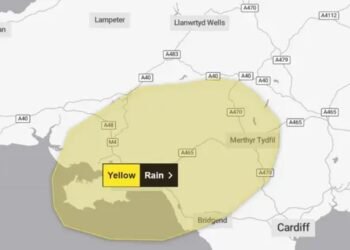 New weather warning issued with risk of flooding
 Higgs Donates Nobel Medal to His Beloved University
 UK launches major AI drive to fight deadly superbugs
 Coffins Now Too Large to Cremate Amid Rising Obesity Crisis
 Clifftop Lodges Spark Fears Over Jurassic Coast Stability
 UK Taskforce Unveils Plan to Streamline Nuclear Reactor Rules
 Thinktank Urges Smaller Hospitals to End NHS ‘Permacrisis’
 NHS paediatric leave parents waiting months for answers
 Ofcom urges platforms to limit abuse and curb online ‘pile-ons’