Published: 03 November 2025. The English Chronicle Desk. The English Chronicle Online.
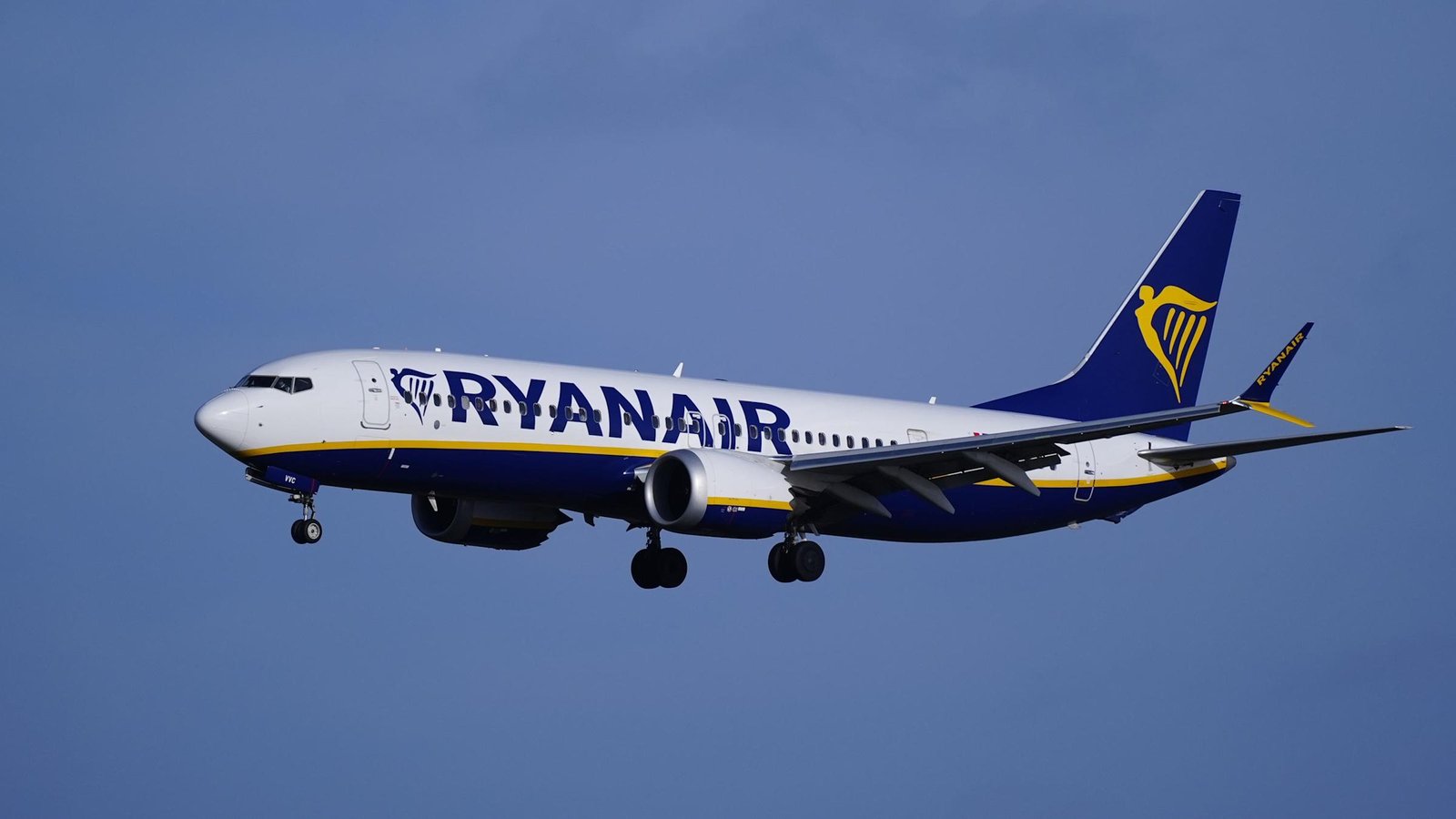
Ryanair’s outspoken chief executive, Michael O’Lear,y has launched a scathing attack on the Labour government, declaring that the UK economy is “doomed” under the current leadership and warning that punitive tax policies could cripple business growth. His remarks came just weeks before the highly anticipated UK budget announcement, scheduled for 26 November, as the airline reported a significant surge in first-half profits.
O’Leary accused Chancellor Rachel Reeves of abandoning her pledge to prioritise economic expansion, claiming that the government’s fiscal strategy threatens to stifle productivity and investment. “The UK economy under the current leadership is doomed,” he said. “The country badly needs growth, but the way to deliver growth is through selective tax cuts. You are not going to grow the UK economy by taxing wealth or by taxing air travel.”

The comments come as the aviation sector braces for a potential increase in Air Passenger Duty (APD), a levy imposed on all flights departing from UK airports. Industry leaders fear that the Labour government may raise the duty once again in the upcoming budget, pushing ticket prices even higher for passengers.
Currently, APD adds as much as £2 to short-haul economy fares, and the tax is set to rise on 1 April. Airlines typically pass the cost directly to customers, leading to concerns that further increases could make flying less affordable for British travellers and undermine the competitiveness of UK airports.
O’Leary warned that if APD were raised again, Ryanair and other carriers could shift operations away from smaller British airports to European markets with more business-friendly tax regimes such as Sweden and Italy. “I hold very little faith in Rachel Reeves or the current economic strategy of the Labour government,” he said. “The threat of higher wealth taxes is already driving investment away from London.”
In his typically blunt style, O’Leary added that “rich people are fleeing the country as they try to find low-fare flights to get the hell out of London before Rachel Reeves taxes their mansions, their income, and their inheritance.”
Despite his criticism of UK fiscal policy, Ryanair continues to post robust financial results. The Dublin-based airline, which employs around 26,000 people globally, announced a €2.5 billion (£2.2 billion) after-tax profit for the first half of its financial year—an impressive 42% increase compared with the same period last year. The airline carried 119 million passengers, up 3% year-on-year, buoyed by strong demand for leisure travel and an accelerated delivery schedule of new Boeing 737 aircraft.
Average airfares rose by 13% to €58, helping to drive record profitability, though O’Leary cautioned travellers not to expect prices to fall anytime soon. “Short-haul European air fares are going to modestly increase for the next four or five years,” he said. “You’re going to see, not just at Ryanair but across the entire industry, modest price increases continuing through 2027 and 2028.”
The airline’s growth trajectory remains strong, with forecasts predicting passenger numbers will climb beyond expectations in the next fiscal year. Ryanair now projects it will carry 207 million passengers in its 2026 financial year, up from the previous forecast of 206 million.
Analysts attribute Ryanair’s resilience to its low-cost business model, efficient fuel usage, and aggressive expansion strategy, particularly in continental Europe where it continues to outpace competitors. However, industry experts warn that persistent increases in taxation and environmental levies could eventually erode the advantages enjoyed by budget carriers.
O’Leary’s criticism of the Labour government adds to growing tension between Britain’s business community and Westminster policymakers, who have clashed over proposed tax reforms and economic forecasts. While Reeves has vowed to “rebuild the economy on a foundation of fairness and responsibility,” O’Leary insists that excessive taxation and regulation are stifling the entrepreneurial spirit Britain once championed.
“Instead of punishing success, the government should be incentivising it,” he said. “Tax cuts drive growth, they attract capital, and they keep skilled workers in the country. Right now, the opposite is happening.”
Beyond taxation, O’Leary also voiced frustration with European Union proposals requiring airlines to permit passengers to bring two free cabin bags on flights, calling the move “impractical” and “unrealistic.” He argued that such a rule would create logistical chaos, as aircraft simply do not have the overhead space to accommodate two free bags per passenger.
“The EU is trying to regulate something that cannot physically be done,” O’Leary said. “It’s another example of bureaucrats who don’t understand how air travel works making life harder for both passengers and airlines.”

Ryanair’s record profits come at a time when the aviation industry is still navigating the challenges of rising fuel costs, labour shortages, and environmental pressures. Nevertheless, the airline’s continued success stands in sharp contrast to O’Leary’s dire assessment of the UK’s economic prospects under Labour leadership.
Critics of O’Leary argue that his remarks are politically charged, pointing out that the Labour government inherited deep structural issues after years of sluggish productivity and post-Brexit disruptions. Others, however, share his concerns that further taxation could deter foreign investment and accelerate a capital flight from London’s financial and corporate sectors.
As the 26 November budget approaches, attention will turn to whether Reeves’ fiscal plans include fresh levies on air travel or wealth, and how that might affect both the aviation sector and Britain’s fragile recovery. For O’Leary, the stakes could not be higher: “If the UK doesn’t start supporting growth,” he warned, “it risks flying straight into an economic storm.”
Related News:
 Aston Martin cuts £300m investment as Trump tariffs and weak China demand hit profits.
 UK Small Business Owner to Challenge L’Oréal in Tribunal
 Troubled drinks giant Diageo names former Tesco boss to lead turnaround push
 Mossmorran Plant Closure Hits Cowdenbeath Hard
 Netherlands Suspends Nexperia Takeover Amid China Talks
 Rising Water Bills Lift Troubled Thames Back to Profit
 Prada buys Versace for $1.38bn, expanding luxury fashion empire
 UK Jobs Market Faces Strain as Employers Cut Bonuses and Hiring Amid Economic Slowdown
 Shein UK Faces Allegations of Shifting Majority of Profits to Singapore to Reduce UK Tax
 Merck Abandons £1bn London Research Hub and Cuts 125 Jobs in Blow to UK Life Sciences
 Rachel Reeves Hosts Top UK and US Financial Executives as Trump’s State Visit Begins
 UK Inflation Holds Steady at 3.8% as Rising Fuel Costs Offset Falling Air Fares
 UK Borrowing Surges to £18bn in August, Exceeding Forecasts
 Vodafone Franchisees Sound Alarm: Mental Health Toll of Commission Cuts Revealed Years Before £120m Court Battle
 GSK Chief Executive Emma Walmsley to Step Down After Eight Years at the Helm
 AstraZeneca to List on New York Stock Exchange While Retaining London Ties
 Richard Desmond Begins High Court Battle Over National Lottery Licence
 UK inflation update: New rate expected as Budget approaches
 Co-op Urged Staff to Promote Vapes After Cyber-Attack Hit Sales
 Rachel Reeves to lead UK trade push in Saudi Arabia amid rights debate
 Virgin Trains Moves Closer to Challenging Eurostar Monopoly
 Wales May Introduce Four-Day Work Week After Elections
 Trump’s UK Ambassador Urges North Sea Drilling to Strengthen US Ties
 Court Hears Challenge Over Water Bills Funding Sewage Fixes
 Rachel Reeves Set to Break Labour Pledge and Raise Income Tax
 UPS Cargo Plane Crash in Kentucky Kills Seven
 Thinktanks Urge Rachel Reeves to Reform UK Tax System
 Gopichand Hinduja, UK’s Wealthiest Business Leader, Dies
 Tony Blair think tank warns Rachel Reeves must cut taxes if manifesto broken
MPs Press Rachel Reeves to Hike Gambling Taxes
Tony Blair think tank warns Rachel Reeves must cut taxes if manifesto broken
MPs Press Rachel Reeves to Hike Gambling Taxes
 Cuts to home insulation funding threaten UK climate goals
 US private equity set to acquire UK online retailer Very Group
 Warning as Britons prepare to spend £4 billion this Black Friday
 Taylor Wimpey Sales Drop Amid Budget Uncertainty
 Skims Eyes Global Expansion After Reaching $5 Billion Value
 Reeves’s Tax U-Turn Triggers Fresh Jitters in UK Markets
 Global markets drop amid tech sell-off and China slowdown
 UK Rejects Funding to Save Mossmorran Plant
 Nvidia Soars as Blockbuster Earnings Silence AI Bubble Fears
 PM Highlights UK Business at G20 in South Africa
 Eurotunnel Investment Halted as UK Rates Soar
 UK Energy Bills to Rise Slightly in January
 UK Government Borrowing Higher Than Expected
 Minister Denies Budget Leaks Have Harmed UK Economy
Budget 2025: Reeves Drops Economic Growth Reference
Minister Denies Budget Leaks Have Harmed UK Economy
Budget 2025: Reeves Drops Economic Growth Reference
 Expanded Version – Black Friday Shoppers Warned Over ‘Dud Deals’
 India’s Labour Law Overhaul Sparks Fierce Debate
 Carney’s Alberta Pipeline Deal Sparks Immediate Pushback
 EU reviews Apple Ads and Maps under strict digital rules
 Huawei, ZTE secure 5G deals in Vietnam amid US tensions
 Black Friday Footfall Falls as UK Shoppers Hold Back Amid Economic Concerns
 Starmer Says Labour’s Economic Plan Needs Years to Deliver
 Modi’s London Visit Seals Historic UK-India Trade Pact Amid Global Tensions
 China’s crackdown on civil servant perks sparks economic concerns
Inflation Latest: Cost of Living Expected to Rise Again in Key Figures Released Today
Retail Sales See Uptick Amid Errors and Delays as ONS Faces Scrutiny
China’s crackdown on civil servant perks sparks economic concerns
Inflation Latest: Cost of Living Expected to Rise Again in Key Figures Released Today
Retail Sales See Uptick Amid Errors and Delays as ONS Faces Scrutiny
 UK House Prices Hit Record £299,331 as Market Shows Steady Growth
 UK Retail Sales Rise in August, but Tax Concerns Loom Over Festive Period
 Big Pharma Investment Freeze Puts UK Life Sciences Sector Under Strain
 UK Labour Market Shows Signs of Cooling as Wage Growth Slows and Redundancies Rise
 UK Wage Growth Remains High, But Cost of Living Pressures Bite
 UK Government Backs Return of International Rail Travel to Kent Stations
 Marks & Spencer Staff to Work on Boxing Day for First Time in Five Years Amid Cost-Cutting Measures
 Delivery Apps Could Double the Cost of Your Groceries, Warns Consumer Watchdog
 Kemi Badenoch Unveils ‘Golden Rule’ to Halve Spending Cuts for Deficit Reduction at Tory Conference
 Pizza Hut to shut 68 sites after collapsing into administration
 Real living wage set to rise nearly 7% for UK workers in 2026
 Reeves Faces Setback as Labour May Miss Homes Target
 Green Party Surges Past Labour in Latest UK Poll
 Celebrities and Charities Demand UK Government Act on Child Poverty
 ABF May Split Primark from Food Division Amid Tough Market
 Oprah enjoys Meghan’s jam on English muffins
 Earl of Yarmouth Faces £1.3m Legal Bill Over Family Estate
 UK toy market enjoys bumper year as ‘kidults’ fuel demand
 New laws to bolster UK’s defences against cyber attacks on NHS, transport and energy
 Trump Moves to Cut Coffee and Banana Tariffs in Latin America Deals
 Japan Tourism Stocks Slide Amid China-Taiwan Row
 UK Taskforce Unveils Plan to Streamline Nuclear Reactor Rules
 Steel billionaire Lakshmi Mittal reportedly leaves UK
 Virgin Media Fined £23.8m Over Telecare Safety Failures