Published: 10 November 2025. The English Chronicle Desk. The English Chronicle Online.
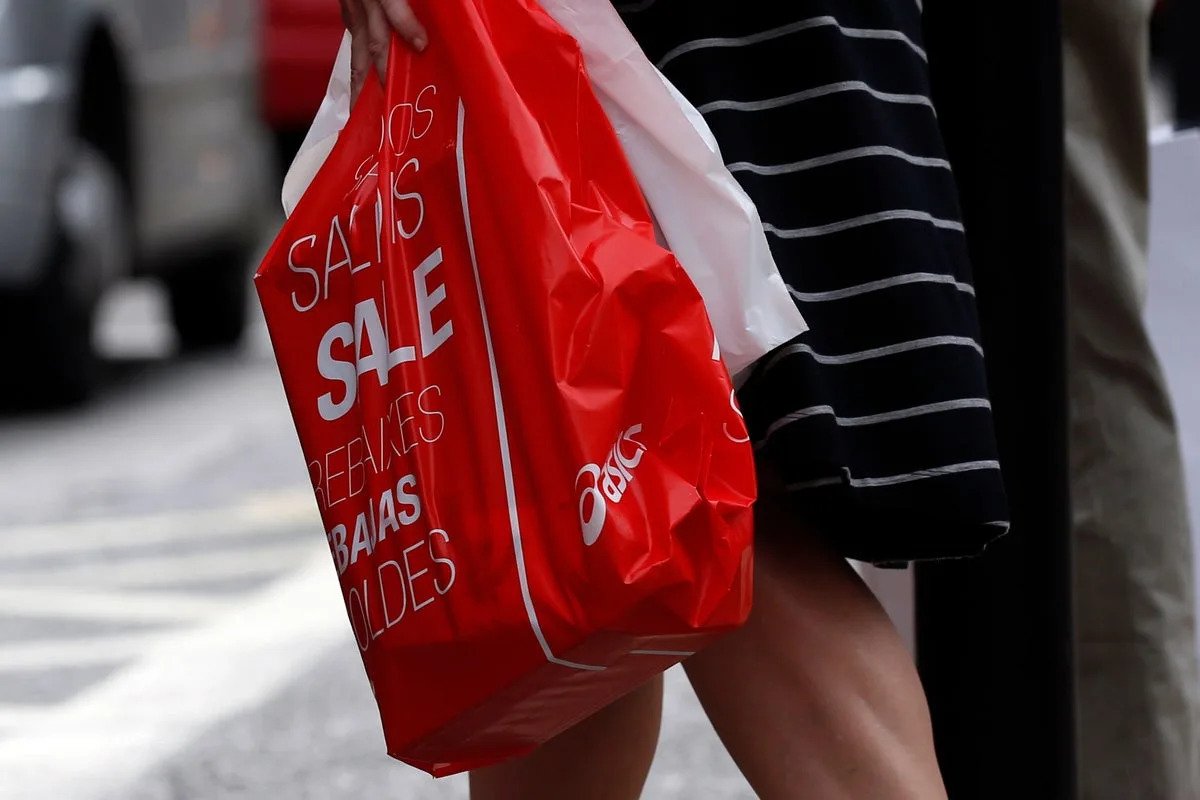
As the UK gears up for one of the busiest shopping periods of the year, consumers are expected to spend nearly £14 billion over the Black Friday weekend, despite increasing caution over poor deals and online scams. Retailers across the country are preparing for a surge in demand, while consumer watchdogs are urging shoppers to exercise vigilance.
A recent survey conducted for the e-commerce marketing platform Omnisend found that Black Friday continues to dominate the sales landscape in the UK, with shoppers spending an average of £299 over the weekend – an increase of £83 compared with last year. The survey also indicated that spending will remain high in the days following the Black Friday weekend, including Cyber Monday, with the average basket size expected to reach £229, up £70 from 2024.

Omnisend predicts that roughly a third of consumers plan to spend more than last year, while just 14 per cent expect to cut back. Amazon remains the most popular destination, with 76 per cent of shoppers looking for deals on the platform. Other e-commerce marketplaces are also drawing attention, including Chinese platforms such as Temu (22 per cent), Shein (21 per cent), and TikTok Shop (14 per cent).
Despite the growing enthusiasm for Black Friday, Omnisend’s data suggests that consumers are expected to be more cautious with their spending overall. Around 71 per cent of respondents indicated they plan to reduce their spending during the Christmas period, putting further pressure on retailers to “get it right” over the Black Friday weekend.
The survey also highlighted a significant shift in the popularity of buy now, pay later (BNPL) options such as Klarna and PayPal. Just 17 per cent of consumers said they would use these services during Black Friday, with 32 per cent considering them only for high-value purchases. Analysts attribute this decline to concerns about mounting personal debt and the increasing awareness of the long-term costs associated with BNPL schemes.
Consumer preferences for Black Friday purchases remain relatively consistent, with clothing and accessories topping the list. Nearly half of UK shoppers (49 per cent) plan to make fashion purchases, followed closely by technology and electronics at 45 per cent. Toys and games are also in demand, with 28 per cent of families planning purchases ahead of the festive season.
Marty Bauer, retail and e-commerce spokesman at Omnisend, commented on the trends: “This notorious American sales event has been popular in the UK now for the best part of a decade, and it looks likely to be another busy year for retailers. In the weeks leading up to Black Friday, start researching the regular prices of items you’re interested in. It pays to start scouting potential deals early.”
Bauer warned shoppers that not all advertised discounts are genuine. Many retailers are known to inflate prices leading up to Black Friday, only to offer discounts that are not as significant as they appear. He recommended checking previous years’ offers and tracking price histories to determine whether a deal is real. “If you are signed up for newsletter emails from a brand, go back and look at their offers from last year. Many brands have pricing strategies that don’t change much from year to year, so this will give you a good indication of which products go on sale and when,” he said.
Consumer advocacy groups are also raising alarms about potential scams, which tend to proliferate during high-traffic shopping events. Citizens Advice consumer expert Jane Parsons highlighted the risks: “Black Friday is a prime opportunity for cyber scammers to take advantage of consumers looking to bag a bargain. By tempting people with special offers, fake reviews, and sought-after items at rock-bottom prices, criminals will try to catch people out by disguising their scams as legitimate deals.”
Parsons emphasised the importance of caution, advising shoppers not to rush purchases and to verify the legitimacy of any online retailer before providing payment information. She recommended paying by debit or credit card where possible, as these methods provide extra protection if transactions go wrong.
Lisa Webb, a consumer law expert at Which?, echoed the warning, noting the challenge of distinguishing legitimate deals from scams amid the barrage of online offers. “With Black Friday bargains bombarding your email inbox and social media feeds, it can be hard to weed out the legitimate offers from the scams,” she said. Webb advised shoppers to double-check email addresses, avoid clicking on suspicious links, and verify offers directly on retailer websites.
Social media presents additional risks, particularly with deals posted by newly created accounts. Webb suggested using domain checkers, such as who.is, to determine when a website was created, with new domains raising potential red flags. Shoppers who suspect they have been scammed are urged to contact their bank immediately and report the incident to Action Fraud, or call the police on 101 in Scotland.
The surge in Black Friday spending comes as UK consumers face a challenging financial environment, with inflation and rising household costs affecting disposable income. Despite these pressures, many shoppers are still willing to take advantage of sales events to secure deals on high-demand products, particularly in the technology and fashion sectors.
Retailers are responding to heightened consumer interest with extended hours, online promotions, and innovative marketing campaigns aimed at capturing shoppers’ attention. Some chains have started offering early Black Friday deals in November, while others rely on traditional peaks over the final weekend of the month.
Industry analysts have pointed out that the rise in online shopping, accelerated by the pandemic, has transformed Black Friday from a single-day event into an extended period of heightened consumer activity. Many shoppers now browse deals for weeks before the official date, comparing prices and monitoring stock levels to ensure they do not miss out.
The average Black Friday basket, projected to be nearly £300 this year, reflects not only individual spending but also a growing trend of families making larger, combined purchases ahead of the Christmas season. Technology items such as smartphones, tablets, and gaming consoles are expected to drive the majority of spending, while fashion remains a consistent favourite.
While retailers anticipate strong sales, consumer caution is evident, particularly regarding BNPL services. Concerns over mounting personal debt and the potential for financial strain are influencing shopping behaviour, with more people opting to pay upfront rather than defer payments. This marks a notable shift from previous years, when BNPL options were increasingly popular for spreading the cost of major purchases.
Consumer advocacy groups continue to stress the importance of informed purchasing. “Black Friday is not just about finding the lowest price,” Parsons said. “It’s about ensuring that you are purchasing from a legitimate source and making decisions that are financially responsible.”

In response to these warnings, Omnisend has encouraged shoppers to plan ahead, research pricing histories, and compare deals to avoid falling for superficial discounts. Bauer stressed that careful preparation can prevent disappointment and financial loss: “It’s worth investing a little time in preparation to ensure the deal you are considering is genuinely the best option available.”
As the Black Friday weekend approaches, UK consumers are balancing excitement with caution. The promise of significant savings competes with the risks of online scams and financial pressure, making informed decisions more important than ever. With billions expected to be spent over the sales period, shoppers are urged to remain vigilant while taking advantage of the deals available.
The government and consumer groups alike are united in urging caution and careful planning. From checking retailer legitimacy to reviewing the history of pricing and avoiding impulsive purchases, shoppers are being reminded that a successful Black Friday is not just about securing bargains, but doing so safely.
For many, Black Friday represents an opportunity to purchase high-demand items at lower costs, but experts stress that preparation, awareness, and caution are key. By following guidance and exercising discretion, consumers can enjoy the benefits of the sales while protecting themselves from scams and financial pitfalls.
Related News:
 UK Small Business Owner to Challenge L’Oréal in Tribunal
 Court Hears Challenge Over Water Bills Funding Sewage Fixes
 Thinktanks Urge Rachel Reeves to Reform UK Tax System
 Tony Blair think tank warns Rachel Reeves must cut taxes if manifesto broken
MPs Press Rachel Reeves to Hike Gambling Taxes
Tony Blair think tank warns Rachel Reeves must cut taxes if manifesto broken
MPs Press Rachel Reeves to Hike Gambling Taxes
 Troubled drinks giant Diageo names former Tesco boss to lead turnaround push
 Global markets drop amid tech sell-off and China slowdown
 UK Government Borrowing Higher Than Expected
 Minister Denies Budget Leaks Have Harmed UK Economy
 Budget 2025: Reeves Drops Economic Growth Reference
 Expanded Version – Black Friday Shoppers Warned Over ‘Dud Deals’
 Black Friday Footfall Falls as UK Shoppers Hold Back Amid Economic Concerns
 Rising Water Bills Lift Troubled Thames Back to Profit
 Bank of England Poised to Cut Interest Rates Amid Rising Unemployment and Global Trade Pressures
 Non-Dom Tax Crackdown Risks Backfiring as Exodus Threatens UK Revenue and Investment
 Inflation Latest: Cost of Living Expected to Rise Again in Key Figures Released Today
 Energy Users Could Save £5bn Annually if Gas Power Plants Are Removed from Market
 Retail Sales See Uptick Amid Errors and Delays as ONS Faces Scrutiny
 UK House Prices Hit Record £299,331 as Market Shows Steady Growth
Shein UK Faces Allegations of Shifting Majority of Profits to Singapore to Reduce UK Tax
UK House Prices Hit Record £299,331 as Market Shows Steady Growth
Shein UK Faces Allegations of Shifting Majority of Profits to Singapore to Reduce UK Tax
 UK Retail Sales Rise in August, but Tax Concerns Loom Over Festive Period
 Vodafone Faces Fourth Probe into Franchising Division Amid £120m Legal Battle
 John Lewis Partnership Posts £88m Loss as Costs and Restructuring Bite
 UK Economy Flatlines in July, Raising Pressure on Rachel Reeves Ahead of Autumn Budget
Business Rates Hike Could Threaten Hundreds of UK Retailers, Putting 100,000 Jobs at Risk
UK Economy Flatlines in July, Raising Pressure on Rachel Reeves Ahead of Autumn Budget
Business Rates Hike Could Threaten Hundreds of UK Retailers, Putting 100,000 Jobs at Risk
 Rachel Reeves Hosts Top UK and US Financial Executives as Trump’s State Visit Begins
 UK Labour Market Shows Signs of Cooling as Wage Growth Slows and Redundancies Rise
 UK Wage Growth Remains High, But Cost of Living Pressures Bite
UK Inflation Holds Steady at 3.8% as Rising Fuel Costs Offset Falling Air Fares
UK Wage Growth Remains High, But Cost of Living Pressures Bite
UK Inflation Holds Steady at 3.8% as Rising Fuel Costs Offset Falling Air Fares
 Ben & Jerry’s Co-Founder Resigns, Accusing Unilever of Silencing Brand’s Social Mission
 UK Borrowing Surges to £18bn in August, Exceeding Forecasts
 Farage’s Reform UK Receives £100,000 from Design Firm with Past Tax Issues
Rachel Reeves Faces Criticism Over Appearance at Gambling Industry Event Amid Tax Review
Farage’s Reform UK Receives £100,000 from Design Firm with Past Tax Issues
Rachel Reeves Faces Criticism Over Appearance at Gambling Industry Event Amid Tax Review
 Dagenham Left in Limbo After Smithfield and Billingsgate Market Relocation Cancelled
 Gatwick Secures Approval for £2.2bn Second Runway Expansion
 Retailers Warn Tax Rises Could Prolong Inflation as Shop Prices Climb
UK Housing Market Returns to Growth Amid Signs of Stability and Regional Variation
Retailers Warn Tax Rises Could Prolong Inflation as Shop Prices Climb
UK Housing Market Returns to Growth Amid Signs of Stability and Regional Variation
 Richard Desmond Begins High Court Battle Over National Lottery Licence
 Delivery Apps Could Double the Cost of Your Groceries, Warns Consumer Watchdog
 Jaguar Land Rover to Resume Production After Cyber-Attack, Launches Supplier Support Scheme
 Kemi Badenoch Unveils ‘Golden Rule’ to Halve Spending Cuts for Deficit Reduction at Tory Conference
 Gold Hits Historic $4,000 Amid Global Uncertainty
 UK GDP edges up 0.1% in August as Reeves faces budget pressure
 Rachel Reeves urged to consider welfare cuts to boost fiscal credibility
 UK inflation update: New rate expected as Budget approaches
 Real living wage set to rise nearly 7% for UK workers in 2026
 Co-op Urged Staff to Promote Vapes After Cyber-Attack Hit Sales
 Rachel Reeves to lead UK trade push in Saudi Arabia amid rights debate
 Aston Martin cuts £300m investment as Trump tariffs and weak China demand hit profits.
 Trump’s UK Ambassador Urges North Sea Drilling to Strengthen US Ties
 Millions of Brits Adjust Lifestyle to Afford Essentials
Rachel Reeves Set to Break Labour Pledge and Raise Income Tax
Millions of Brits Adjust Lifestyle to Afford Essentials
Rachel Reeves Set to Break Labour Pledge and Raise Income Tax
 Gopichand Hinduja, UK’s Wealthiest Business Leader, Dies
 M&S Profits More Than Halve After Cyber-Attack
 Labour Urged to Honour Tax Pledges Ahead of Budget
 Cuts to home insulation funding threaten UK climate goals
 Millionaires group urge Reeves to introduce wealth tax to ‘lift kids out of poverty’
 Taylor Wimpey Sales Drop Amid Budget Uncertainty
 Reeves’s Tax U-Turn Triggers Fresh Jitters in UK Markets
 PM Highlights UK Business at G20 in South Africa
 Eurotunnel Investment Halted as UK Rates Soar
 Mossmorran Plant Closure Hits Cowdenbeath Hard
 UK Energy Bills to Rise Slightly in January
 Steel billionaire Lakshmi Mittal reportedly leaves UK
 Starmer Says Labour’s Economic Plan Needs Years to Deliver
 China’s crackdown on civil servant perks sparks economic concerns
 Vodafone Franchisees Sound Alarm: Mental Health Toll of Commission Cuts Revealed Years Before £120m Court Battle
 UK Government Backs Return of International Rail Travel to Kent Stations
 GSK Chief Executive Emma Walmsley to Step Down After Eight Years at the Helm
 Marks & Spencer Staff to Work on Boxing Day for First Time in Five Years Amid Cost-Cutting Measures
 UK households brace for October benefit payments and rising energy costs amid cost-of-living pressures
Reeves Faces Setback as Labour May Miss Homes Target
UK households brace for October benefit payments and rising energy costs amid cost-of-living pressures
Reeves Faces Setback as Labour May Miss Homes Target
 Virgin Trains Moves Closer to Challenging Eurostar Monopoly
 Green Party Surges Past Labour in Latest UK Poll
 Celebrities and Charities Demand UK Government Act on Child Poverty
 Ryanair Chief UK Economy ‘Doomed’ Under Labour
 UK toy market enjoys bumper year as ‘kidults’ fuel demand
 Skims Eyes Global Expansion After Reaching $5 Billion Value
 India’s Labour Law Overhaul Sparks Fierce Debate
 Virgin Media Fined £23.8m Over Telecare Safety Failures