Published: 14 November 2025. The English Chronicle Desk. The English Chronicle Online
Three days after a car exploded near the historic Red Fort in Delhi, killing eight people, investigators are exploring whether the incident has any connection to recent arrests in Indian-administered Kashmir, as well as the seizure of a large cache of explosives from Faridabad, a suburb of the capital. The National Investigation Agency (NIA), India’s counter-terrorism law enforcement body, has taken over the case and is examining multiple angles, although authorities have stressed that no definitive conclusions can yet be drawn.
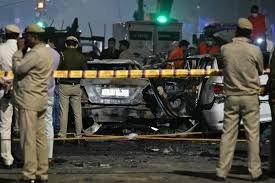
The explosion occurred at 18:52 local time (13:22 GMT) on Monday evening, when a slow-moving vehicle stopped at a busy traffic signal and erupted in flames. Footage from the site captured a charred white Hyundai i20, alongside other damaged vehicles including autorickshaws and cycle rickshaws. The nearby Red Fort, one of India’s most iconic landmarks, has been closed temporarily as the investigation continues.
While no official confirmation has been provided about the ownership of the vehicle or the precise mechanism of the explosion, Indian media reports have suggested that the car had been parked for several hours before the blast, and that a man, depicted in a viral photograph circulating on social platforms, may have been involved in driving it around the city. The NIA has said it is investigating all possible leads, including any potential link between this individual and recent arrests carried out by Kashmir police.

The security response was swift. On Wednesday, the federal cabinet issued a statement condemning the incident as a “heinous terror attack carried out by anti-national forces.” Prime Minister Narendra Modi described the blast as part of a “conspiracy,” warning that those responsible would not evade justice. Defence Minister Rajnath Singh and Home Minister Amit Shah echoed these sentiments, with Shah stating that he had instructed officials to “hunt down every culprit behind this incident.”
In addition to registering cases under the Explosives Act and the Indian Penal Code, the Delhi police invoked the Unlawful Activities Prevention Act (UAPA), reflecting the severity with which authorities are treating the incident. The investigation is now primarily being led by the NIA, although officials have yet to hold a formal press briefing or release detailed information about the ongoing proceedings.
Authorities are particularly interested in any connections between the Delhi blast and the arrests made just hours prior in Jammu and Kashmir. Kashmir police detained seven men—including two doctors—from the region and the Indian states of Uttar Pradesh and Haryana. The arrests were accompanied by the seizure of 2,900 kilograms of explosives and weapons, including two automatic rifles, in Faridabad. Kashmir police described the operation as targeting a “white-collar terror ecosystem” and indicated that additional suspects were being traced in connection with these investigations.
The NIA has confirmed that it is reviewing extensive documents and evidence from these cases to determine if there is a link between the arrested individuals and the Delhi explosion. Analysts note that the timing and scale of the Faridabad explosives seizure have raised questions about a possible coordinated plot, though authorities are careful to stress that no formal connections have yet been established.
The blast near the Red Fort is being treated as particularly sensitive due to its location and timing. The Red Fort is not only a major tourist attraction but also a symbol of India’s independence and national pride. Authorities have imposed heightened security measures in the surrounding area, and the investigation team is examining CCTV footage, witness accounts, and forensic evidence to determine the sequence of events leading to the explosion.
Media coverage has been extensive but sometimes speculative, with numerous reports circulating in the days following the attack. While leaks and unnamed sources have fueled widespread speculation, the NIA has cautioned against drawing conclusions based on unverified information. Investigators have emphasised that only verified evidence and methodical inquiry will guide their conclusions.

Indian authorities are also examining whether the blast is connected to broader patterns of militancy in the region. Kashmir, which has been a flashpoint for insurgency for decades, has seen heightened security operations in recent months. The arrests of the seven men and the seizure of explosives in Faridabad suggest that authorities are actively monitoring networks that could pose a threat to the capital and other parts of India.
Prime Minister Modi’s response, describing the attack as a “conspiracy,” reflects the seriousness with which the government views the incident. Both Modi and Home Minister Shah have reiterated that the investigation will leave no stone unturned, and that all those involved will be held accountable. The federal cabinet’s resolution further underscores the national importance of the case, with officials framing the blast as an attack not only on civilians but on the nation itself.
The NIA has emphasised that the investigation is ongoing and that the agency is leaving no lead unexplored. Officials are examining potential links between the Delhi blast, the Kashmir arrests, and the Faridabad explosives seizure, as well as any other leads that may emerge from forensic analysis, digital evidence, or eyewitness accounts. They have confirmed that the priority is to determine the motive, identify the perpetrators, and prevent any further attacks.
Security experts note that attacks targeting high-profile locations in India are rare but carry significant symbolic weight, often intended to send a message or create public fear. The choice of the Red Fort as the site for the blast suggests an intent to maximise visibility and impact, both nationally and internationally. Analysts also highlight the challenges faced by law enforcement in disentangling overlapping threats, particularly when explosives and potential terror networks operate across multiple states.
In the days following the incident, Indian authorities have maintained a cautious approach in sharing details with the public, balancing transparency with the need to protect operational security. While media outlets have circulated numerous theories and reports, investigators stress that all findings must be corroborated with evidence before they can be treated as fact.
The Delhi blast serves as a reminder of ongoing security challenges in India, particularly in the context of domestic terrorism and cross-regional threats. The involvement of high-value explosives and the potential links to organized networks in Kashmir and Faridabad underscore the complexity of counter-terrorism operations and the critical role of intelligence and law enforcement coordination.
In conclusion, the explosion near Delhi’s Red Fort has triggered a wide-ranging investigation, with authorities exploring links to arrests in Kashmir and the seizure of explosives in Faridabad. The NIA has taken over the case, focusing on both the immediate circumstances of the blast and the broader networks that may have facilitated it. While many details remain unverified, investigators are pursuing all leads systematically, aiming to bring those responsible to justice and to safeguard the capital against further threats. The case continues to evolve, with national and international attention focused on the outcome of this high-profile investigation.
Related News:
 Shook the ground under my feet: Panic as car blast hits near Delhi’s Red Fort
 Video shows Israeli troops kill Palestinians after surrender
 Cryptoqueen Behind £5bn Bitcoin Scam Jailed in London
 Ten years after Bataclan, France faces reminder of persistent extremism
 Delhi Car Blast Kills Eight, Declared Terror Incident
 Israel Confirms Returned Hostage as Meny Godard
 Delhi Car Bomb Arrest: Suspect Linked to Deadly Attack
 Tragedy Strikes Indian Pilgrims in Saudi Bus Accident
 Ex-PM Hasina Gets Death Penalty for Crimes Against Humanity
 Myanmar Military Busts Thai Border Scam Hub, 346 Arrested
 Man Charged Over Attempted Murder of Senior Officer
 Southern Lebanon reels as Israeli strikes shatter communities
 Man Arrested Over Manchester Synagogue Terror Attack
 Kidnap Gangs, Jihadists and Separatists Plague Nigeria
 Fury After Hong Kong’s Deadliest Fire in Decades
 Six Minutes of Terror: How Manchester Synagogue Attack Unfolded
 Peterborough Mosques Tighten Security After Attack
 Badenoch Warns Farage’s Grooming Gangs Plan Could Backfire
 Afghan man charged with murder after west London knife attack
 Mass Stabbing on Doncaster to London Train Leaves Ten Injured
 FBI Director Kash Patel Defends Girlfriend Amid Government Jet Claims
 Police Probe Four Knife Incidents Linked to Cambridgeshire Train Attack
 Experts Warn on Home Birth Risks, Call for Skilled Midwives
 French Taxi Driver Cleared in David Lammy Theft Case After Fare Dispute
 UK University Faces Counter-Terror Probe Over China Pressure
 UK Bans Fake Numbers: Scammers Lose Their Trick
 Just Stop Oil Protesters Convicted Amid Climate Defence Row
 Jailed UK climate protesters face extremist-style restrictions
 Boris Johnson accused of undermining BBC leadership
 How to get help when a child goes missing – call 999 urgently
 ‘Reckless’ cuts to victims’ services will cost more than they save
 Suicide Bombing at Islamabad Court Kills 12, Injures Dozens
 BBC’s Tim Davie to Address Staff Amid Trump $1bn Threat
 Madeleine McCann Suspect Forced into Woodland Hideout After Release
 Ukraine-Russia war latest: Putin’s troops exploit bad weather to force Kyiv withdrawal from multiple towns
 Leading doctors issue warning amid ‘bad’ flu season
 South Korea’s Jeju Island Faces Rising Tide of Illicit Drugs
 Met Police Clarifies Scale of Grooming Gang Cases
 Oklahoma Governor Grants Last-Minute Clemency to Death Row Inmate
 US Pushes Global Effort to Stop Arms Flow to Sudan RSF Forces
 Rio Raid’s Death Toll Raises Questions About Gang Impact
 Japan Tourism Stocks Slide Amid China-Taiwan Row
 South Korea Gains US Support for Nuclear Submarine Programme
 New Evidence Emerges in Haditha Family Killings
 Mum Calls for New Licence Rules After Teen Road Death
 UK Candidate Moved to Safe House After Election Threats
 Paralegal Fired After Exposé on Illegal Worker Scam
 Mother Watches in Horror as Teen Daughter Dies on Tracks
 Agency Workers Vote to Join Picket Lines Amid Dispute
 Charlotte Raids: 130 Arrested in Major Immigration Sweep
 South African Detained After Neo-Nazi Rally in Australia
 Convicted Killer Challenges Vegemite Ban Behind Bars
 Why India is Unlikely to Return Sheikh Hasina to Face Execution
 The Lasting Legacy of Seven: Crime, Morality, and Urban Decay
 Israeli Strike Kills 13 Near Palestinian Camp in Lebanon
 Serial Rapist and Former Cop Found Guilty Again
 Two Officers Injured After Van Deliberately Rams Patrol Car
 Ex-Harvard President Pauses Teaching Over Epstein Emails
 Ex-Olympian Snowboarder Now Drug Kingpin Charged with Murder
 Trump Signs Bill Releasing Justice Department Files on Epstein
 Venezuela Threatens Nobel Winner Machado with Fugitive Status
 Night Bus Crash in Cambodia Kills 16
 Police Name Woman Who Died in Swindon as Murder Probe Continues
 Most Tories Expect to Support a Farage-Led Government
 Carer’s Allowance Chaos Draws Parallels With Post Office Scandal
 DWP to Reassess Hundreds of Thousands in Carer Allowance Scandal
 Trump Envoy to Discuss Ukraine Peace at Kremlin
 Twenty-Four Nigerian Schoolgirls Freed After Abduction
 Two National Guard Soldiers Critically Injured Near White House
 Delhi’s Toxic Air Crisis Leaves Children Sick and Vulnerable
 Singapore Women Acquitted After Pro-Palestine March
 Sri Lanka Floods Leave 56 Dead, Dozens Missing
 India’s Labour Law Overhaul Sparks Fierce Debate
 Families wait in agony for missing after Hong Kong tower blaze
 Jordan Bardella: France’s Young Presidential Contender
 Rare shark attack kills woman, injures man at remote NSW beach
 Chinese & Japanese Boats Clash Near Disputed Islands
 Hong Kong Orders Probe Into Deadly 151-Death Fire
 Maxwell withdraws from IPL 2026 after 13 seasons
 Indonesia to Repatriate Two Dutch Drug Convicts