Published: 19 November 2025 Wednesday . The English Chronicle Desk. The English Chronicle Online
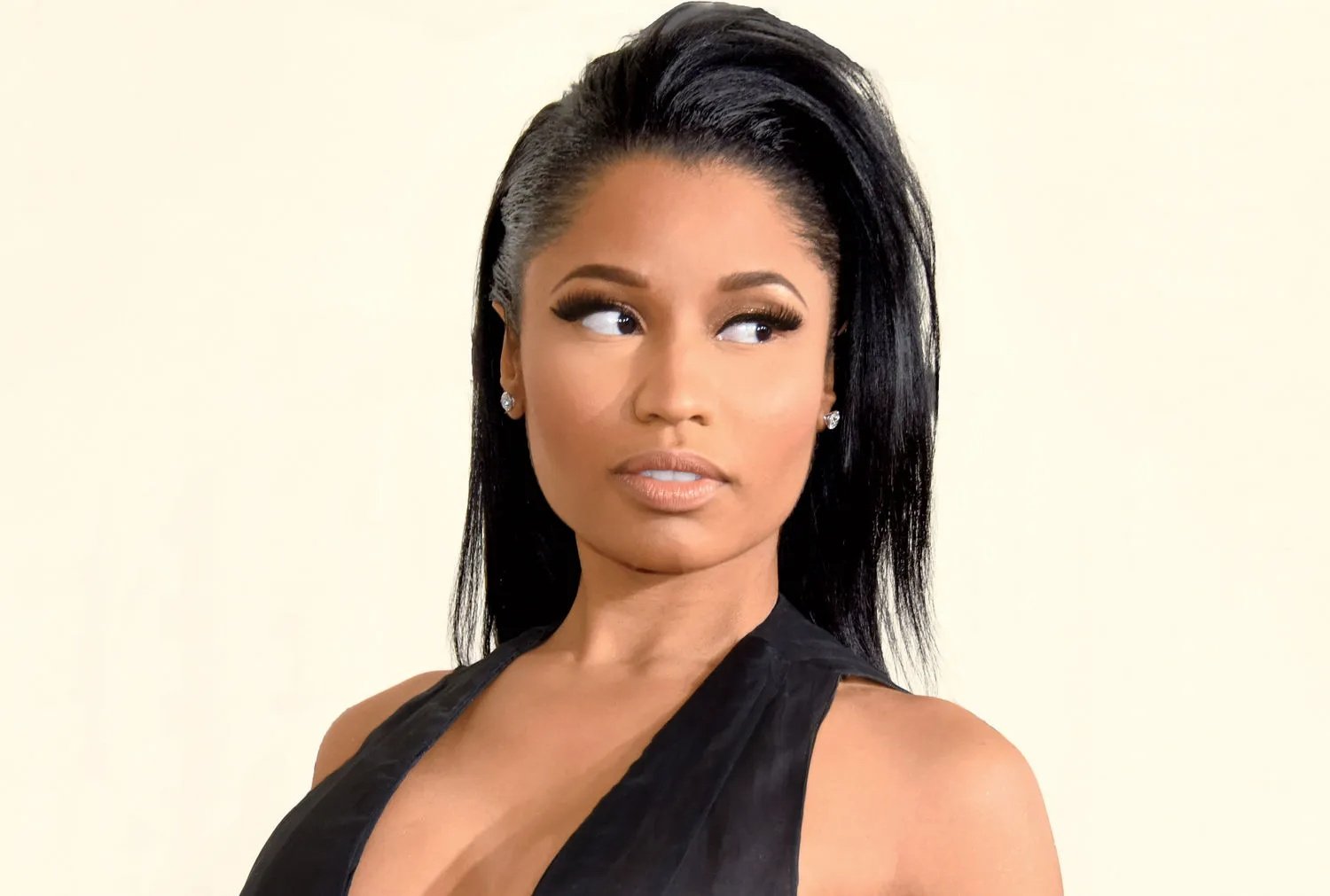
US-based Trinidadian rapper Nicki Minaj has publicly voiced her support for President Donald Trump’s recent assertions that Christians in Nigeria are being systematically persecuted. Speaking at a United Nations event organized by the United States on Tuesday, Minaj emphasized the importance of highlighting the struggles faced by Christian communities in the West African nation.
“In Nigeria, Christians are being targeted,” Minaj told the assembled audience. “Churches have been burned, families have been torn apart … simply because of how they pray.” Her remarks were made in the context of broader discussions on religious freedom and the protection of vulnerable populations. Minaj framed her support for the cause as an issue of universal human rights rather than political partisanship, stating, “This is not about taking sides or dividing people, but about uniting humanity.”
The rapper’s comments came shortly after Trump reiterated threats to intervene in Nigeria if the government “continues to allow the killing of Christians,” an alarming statement that has drawn international attention. Trump’s remarks have sparked debates in Washington and Abuja alike, highlighting ongoing concerns about religious violence in Nigeria and raising questions about the potential role of foreign governments in addressing the issue.
Minaj, whose real name is Onika Tanya Maraj-Petty, stressed the moral imperative of speaking out against injustice. “This is about standing up in the face of injustice. It’s about what I’ve always stood for,” she said while appearing alongside Mike Waltz, the US ambassador to the UN. The rapper also thanked Trump for “prioritizing this issue and for his leadership” on religious freedom, praising his administration’s efforts to spotlight the challenges faced by persecuted communities worldwide.

During her speech, Minaj also acknowledged the fans who have supported her over the years, noting the presence of her Nigerian fanbase. “Nigeria is a beautiful nation with deep faith traditions,” she said, “and I want to recognize the beautiful Barbz who have stood with me and continue to inspire me to use my platform for good.” Her comments were widely covered on social media, with fans and human rights advocates commending her for leveraging her visibility to raise awareness on an important issue.
The context for Minaj’s remarks involves a long history of violence in Nigeria, particularly in the central and northern regions of the country. For years, Islamist militant groups and other armed factions have carried out attacks that have killed and displaced thousands of Nigerians. While right-wing campaigners and politicians in the United States have highlighted the targeting of Christians in particular, experts caution that the situation is more complex. Analysts argue that deadly disputes in Nigeria are often driven by competition over vital resources such as land, water, and fuel, or by inter-ethnic tensions rather than solely by religious differences.
The Nigerian government has maintained that the violence in the country affects all citizens, regardless of religion. A spokesperson for the presidency said, “Terrorists attack all who reject their murderous ideology – Muslims, Christians, and those of no faith alike.” Despite this, allegations of Christian persecution have persisted and have become a focal point for some international advocacy groups.
Minaj’s intervention represents her most prominent political engagement to date. While she has occasionally spoken on social issues, this marks a significant escalation in her involvement in international political discourse. She drew attention to the moral responsibility of individuals with influence, stating, “The Barbz and I will never stand down in the face of injustice. We’ve been given our influence by God. There must be a bigger purpose.”
The rapper’s advocacy comes amidst a backdrop of her continued influence in popular culture and social media. Known for her outspoken personality and ability to shape public conversations, Minaj has previously courted controversy over topics ranging from her music to public health statements. During the COVID-19 pandemic, for example, she made headlines for sharing unverified claims about the side effects of vaccines, leading to widespread media coverage and criticism from public health authorities.

In addition to her activism, Minaj’s public life has often included disputes with other artists. Her long-running feud with fellow New York rapper Cardi B has occasionally made headlines, with the two exchanging insults both online and in interviews. Nevertheless, Minaj’s recent UN appearance underscores her capacity to pivot from entertainment controversies to serious humanitarian advocacy.
Trump’s recent remarks about sending troops into Nigeria have intensified the conversation around religious freedom in the country. While some view the comments as a strong stance against persecution, others have raised concerns about sovereignty, international law, and the potential for unintended consequences if military action were ever considered. Human rights observers emphasize that addressing the root causes of violence, including poverty, governance failures, and resource disputes, remains critical to protecting all vulnerable communities in Nigeria.
Minaj’s speech at the UN also reflects broader debates about the role of celebrity advocacy in shaping international policy. With millions of followers worldwide, artists like Minaj can amplify issues that may otherwise receive limited attention, pressuring policymakers and governments to act. Critics, however, caution that celebrity interventions must be grounded in accurate data and careful analysis to avoid oversimplification or the spread of misinformation.
In response to Minaj’s remarks, Waltz expressed gratitude for her engagement, stating that leveraging prominent platforms to highlight global human rights concerns is a crucial aspect of international diplomacy. “We thank Nicki Minaj for using her voice to shine a light on the atrocities against Christians in Nigeria,” Waltz said, emphasizing the importance of public awareness in mobilizing political and humanitarian responses.
The ongoing violence in Nigeria has drawn attention from multiple international organizations and governments. The UN and other human rights groups continue to monitor the situation, documenting attacks, displacement, and abuses perpetrated by various armed groups. While the precise scale of religiously motivated attacks is contested, there is broad agreement that ensuring the safety of civilians and fostering interfaith tolerance are urgent priorities.
Minaj’s intervention, therefore, comes at a critical moment. By speaking publicly, she has helped bring an additional layer of attention to the plight of Nigerian communities affected by violence. For many advocates, her involvement serves as a reminder that celebrity influence can extend beyond entertainment and contribute meaningfully to global awareness campaigns.

As Nigeria continues to navigate the complex interplay of ethnicity, religion, and governance, international voices like Minaj’s may help sustain attention and encourage dialogue around human rights protections. Whether her remarks will influence policy or the actions of governments remains to be seen, but her engagement signals the increasing intersection of culture, politics, and activism in a globalized media landscape.
The UN event also provided a platform for broader discussions on religious persecution and human rights, offering policymakers, activists, and cultural figures an opportunity to engage in dialogue about solutions. Minaj’s contribution highlighted the moral and ethical dimensions of advocacy, emphasizing that raising awareness is not simply symbolic but can catalyze tangible change when paired with informed policy measures.
In concluding her remarks, Minaj reaffirmed her commitment to using her platform responsibly. She stated, “We have to stand for what is right. Whether in music, politics, or daily life, we cannot ignore injustice. If we are blessed with influence, it must serve a greater purpose than entertainment alone.” Her remarks resonated with attendees and were widely circulated across media channels, sparking renewed debate on both the situation in Nigeria and the broader role of celebrity activism in international affairs.
The conversation around Christian persecution in Nigeria, while complex, continues to be shaped by political statements, media coverage, and public advocacy. Minaj’s intervention, coupled with Trump’s high-profile remarks, ensures that the issue remains at the forefront of global attention, while also highlighting the responsibilities of influential figures in contributing to humanitarian discourse.
Related News:
 Kinnock’s Rebuke Echoes Loudly as Corbyn Allies Launch Left-Wing Breakaway: “A Gift to Farage”
 Tories in Turmoil as Sir Jake Berry’s Defection to Reform Sparks Fears of Further Exodus
 Starmer Seeks to Regain Momentum with Summer ‘Refresh’ Amid Political Pressures and Party Fractures
 “I Feel English”: Young Migrant’s Dream of Britain Amid Political Pressure Over Channel Crossings
 UK and Norway Forge Stronger Ties Through Joint Sanctions and Enhanced Defence Cooperation
 Nation Mourns as Former Nigerian President Muhammadu Buhari Passes Away in London
 Trump Administration Dismisses 17 Immigration Judges, Sparking Debate Over Judicial Independence
 WHO Condemns Israeli Attacks on Gaza Facilities as Humanitarian Crisis Deepens
 Lammy Condemns Israel’s Targeting of Starving Palestinians: Sanctions Threatened Amid Global Outrage
 Netanyahu Announces Plan to Take Over Gaza City, Escalating Conflict Further
 Prominent Al Jazeera Journalist Anas al-Sharif Among Five Reporters Killed in Israeli Airstrike on Gaza
 Denmark Investigates Professional Drone Incursions Across Multiple Airports, No Evidence of Russian Involvement
 Sir Sadiq Khan Accuses Trump of Racism and Islamophobia Following UN Remarks
 Tony Blair Considered for Leadership Role in Transitional Gaza Authority
 Trump Seeks Breakthrough in Israel-Gaza Peace Talks
 Japan’s First Female Governing-Party Leader Emerges Amid Ultra-Conservative Politics
 Misinformation and Political Pressure Force Weston-super-Mare to Abandon Refugee Sanctuary Plan
 Trump Hails Gaza War’s End, Pushes for Middle East Peace
 Mikie Sherrill Elected New Jersey’s Governor in Key Win
 Britain deploys RAF specialists to assist Belgium with drone threats
 Hannibal Gaddafi Freed After Nearly a Decade in Lebanon
 US Justice Department Files Lawsuit Against California Over Partisan Voting Maps
 December Run-Off in Chile as Election Produces No Winner
 UN Security Council Approves Trump’s Gaza Peace Plan
 Congress Approves Release of Epstein Files, Trump Expected to Sign
 Shadow Fleet at Sea: Europe’s Battle Against Illicit Oil Shipping
 Rama Rebukes Mahmood for Targeting Albanian Families
 Russian Vessel Used Lasers on RAF Pilots, UK Claims
 Pentagon Officials in Ukraine to Discuss War End
 WhatsApp Messages Expose Nathan Gill’s Bribery
 India’s COP30 Delay Raises Global Climate Concerns
 Venezuela Threatens Nobel Winner Machado with Fugitive Status
 Texas Governor Faces Lawsuit From CAIR
 Trump Envoy to Discuss Ukraine Peace at Kremlin
 Pope Leo XIV Begins Historic Trip to Turkey and Lebanon
 Georgians Defy Government Crackdown After Year of Protests
 Putin Intensifies Territorial Demands Before US Talks
 India’s Labour Law Overhaul Sparks Fierce Debate
 Video shows Israeli troops kill Palestinians after surrender
 Trump to Recheck Green Cards from 19 Nations After DC Attack
 Chinese & Japanese Boats Clash Near Disputed Islands
 Putin Meets US Envoy Amid Key Ukraine Peace Talks
 Kremlin Talks With US Yield No Ukraine Peace Breakthrough
 UK Must Act with Courage and Clarity on Israel-Palestine Conflict, Says Foreign Affairs Committee Report
 Northern Ireland Family of Three Shot Dead in Maguiresbridge Home Incident
 Radioactive Leak at UK’s Nuclear Warhead Base Sparks Outcry Over Safety and Secrecy
 Mutual Inconvenience: Why Alaska Was Chosen for the Trump-Putin Summit on Ukraine
 Hong Kong Summons UK and Australian Envoys Following Asylum Grants to Democracy Activists
 Is the UK Ready to Put Boots on the Ground in Ukraine? Assessing Military Capacity and Challenges
 Costa Blanca Holiday Horror as Food Poisoning Outbreak Hits Four-Star Hotel
 Conservative Influencer Charlie Kirk Fatally Shot During University Debate
 Channel Crossings Surge: Over 1,000 People Arrive in the UK in Small Boats in a Single Day
 Widow of Charlie Kirk Forgives Killer at Emotional Memorial Service
 Public Executions in Gaza City Captured on Video Amid Ongoing Conflict
 Macron Phones Trump Over Traffic Jam in New York
 Comey Indictment Deepens Fears of Political Retribution Under Trump
 Yvette Cooper Signals Global Momentum Towards Gaza Peace Deal Amid Humanitarian Crisis
 “It Was Very Tough, But I Love Life”: Former Israeli Hostage Rebuilds Life After Family Killed by Hamas
 Chaos at Ibrox as Martin’s Rangers Era Comes to an End
 Arsenal Showcase Depth and Flexibility as Arteta Eyes Title Challenge
 Nobel Prize Honours Pioneers Behind Materials That Could Heal the Planet
 Public Trust in SNP Hits Historic Low Amid NHS Concerns
 Johnson Suggests Mandelson Linked to China Spy Controversy
 Trump Claims Modi Has Agreed to Halt Russian Oil Imports Amid Heightened US Pressure
 Rachel Reeves signals welfare reform ahead of key budget
 Russia’s Latest Push to Win US Favors Shows Deep Desperation
 Army Barracks to House Migrants as Hotels Phase Out
BBC to Apologise Over Edited Trump Speech Amid Backlash
Army Barracks to House Migrants as Hotels Phase Out
BBC to Apologise Over Edited Trump Speech Amid Backlash
 PM Condemns Leaks, Vows Loyalty to Ministers and Stability
 Trump Urges Herzog to Grant Netanyahu Full Pardon
 Indian authorities demolish Kashmir home linked to Red Fort blast
 Greene Pushes Epstein Files Amid Trump Fallout
 Zelenskyy Signs Fighter Jet Deal Amid Russian Drone Attacks
 Canada Passes Carney’s First Budget in Tight Parliamentary Vote
 Haiti Qualifies for World Cup Despite Coach Never Visiting Country
 Vietnam Battles Deadly Floods as Rains Continue
 Millions Face Higher Taxes Under Reeves New Budget
 Two National Guard Soldiers Critically Injured Near White House
 Sri Lanka Floods Leave 56 Dead, Dozens Missing
 Jordan Bardella: France’s Young Presidential Contender