Published: 19 November 2025 Wednesday . The English Chronicle Desk. The English Chronicle Online
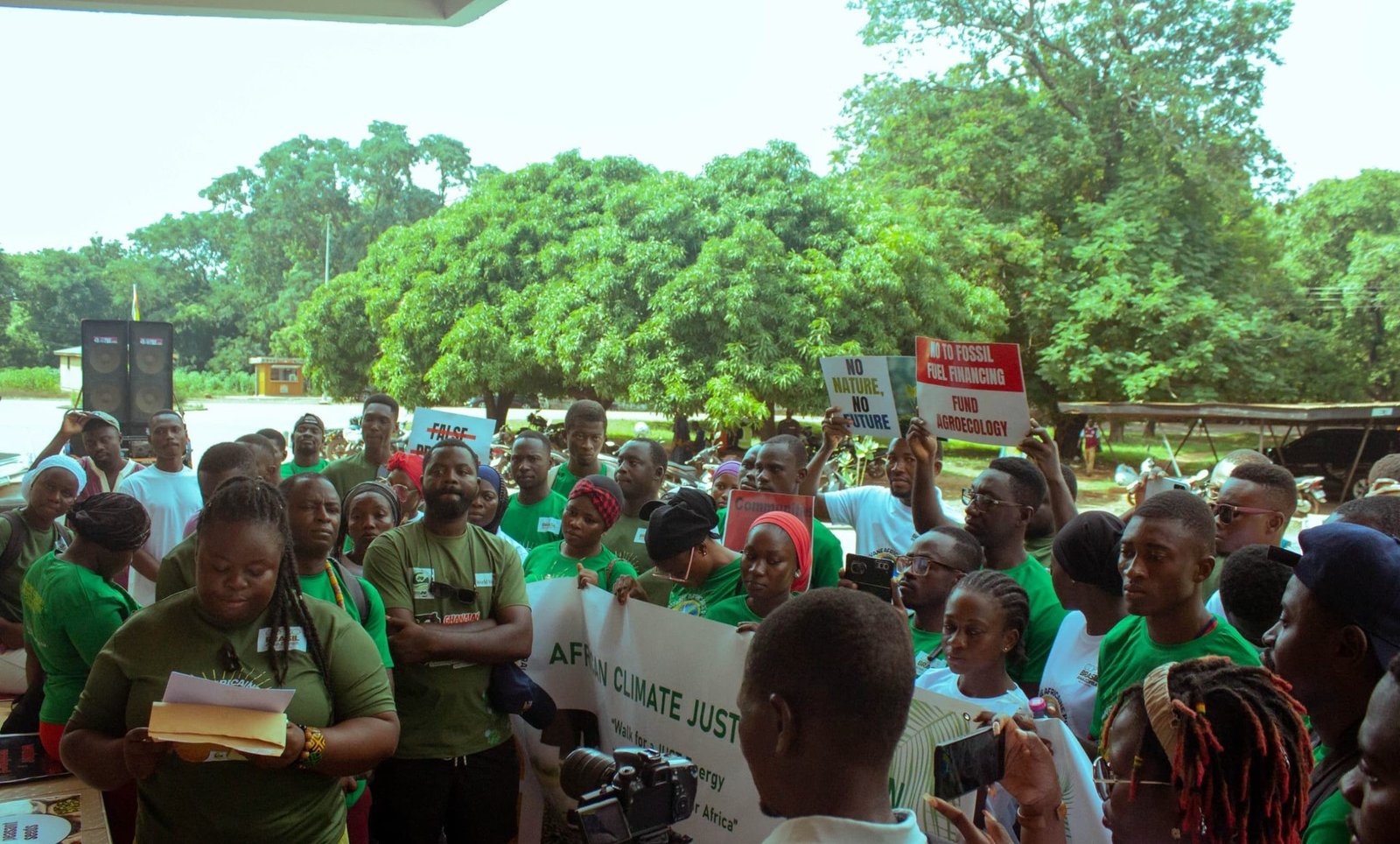
The African Union has declared 2025 as the “Year of Justice for Africans and People of African Descent through Reparations,” a symbolic but potent call to address historical and ongoing injustices. At the heart of this effort is a critical conversation on climate justice, which increasingly links the devastating impacts of climate change on Africa to the enduring legacy of colonialism. The African Court on Human and Peoples’ Rights now faces an opportunity to turn that slogan into meaningful action through an advisory opinion on states’ human rights obligations in the context of climate change.
Legal and environmental experts suggest that a landmark opinion affirming the connection between colonial exploitation and contemporary climate harms would be a historic step for both Africa and global climate governance. Unlike previous rulings, such as those by the International Court of Justice, this would explicitly recognize how centuries of extraction, environmental manipulation, and neglect have compounded vulnerabilities to climate change across the continent.
A striking example of this colonial-era environmental destruction comes from Madagascar. Between 1924 and 1929, French colonial authorities deliberately unleashed genetically manipulated cochineal parasites across roughly 40,000 hectares (98,850 acres) of drought-resistant vegetation in the Androy region of southern Madagascar. Amnesty International documented that this action destroyed approximately 100 kilometers (62 miles) of vegetation cover each year, severely impacting local ecosystems and livelihoods. The campaign not only devastated the natural environment but also undermined the adaptive capacity of communities already vulnerable to drought and food insecurity.

Experts argue that these historical actions have left a long-lasting imprint, exacerbating the effects of current climate challenges. “What we are seeing is the deep entanglement of colonial exploitation and environmental vulnerability,” said one human rights scholar. “Addressing climate justice in Africa cannot be divorced from the reparative obligations linked to colonialism.”
The advisory opinion currently before the African Court could serve as a turning point, clarifying states’ responsibilities to protect human rights in the context of climate change and acknowledging historical injustices. Advocates argue that the court’s intervention could provide a legal framework for reparations, both financial and structural, and help African nations demand accountability from former colonial powers and multinational corporations that benefited from historical exploitation.
Moreover, recognizing the colonial roots of environmental harm would elevate the global discourse on climate justice, challenging narratives that frame climate change solely as a technical or scientific issue. It would highlight the structural inequities that leave African countries disproportionately affected by extreme weather, rising sea levels, and desertification, despite contributing minimally to global emissions.

This approach also aligns with broader calls for rethinking global governance and development strategies. African policymakers, environmentalists, and human rights advocates emphasize that without acknowledging historical accountability, efforts to build resilient infrastructure, improve food security, and protect ecosystems may remain incomplete or ineffective.
The potential impact of the African Court’s opinion extends beyond the continent. By formally connecting climate harms to colonial exploitation, it could influence international climate negotiations, development funding policies, and transnational litigation strategies. Countries and institutions that have historically profited from exploitation may face new pressures to contribute to climate adaptation and restoration efforts.
As the advisory opinion moves forward, the stakes are high. Beyond legal implications, the decision has symbolic weight, representing a collective acknowledgment of Africa’s historical suffering and the need for justice in the climate era. For the people of Madagascar and other regions affected by colonial environmental interventions, this could mark a step toward long-delayed recognition and accountability.
Ultimately, the conversation on climate justice in Africa cannot ignore the past. Linking colonialism to contemporary environmental and human rights challenges underscores the urgency of reparative action, providing a roadmap for addressing both historical wrongs and present-day climate vulnerabilities. How the African Court responds may well define the continent’s legal and moral leadership in the global fight for climate justice.
Related News:
 Delhi Tightens Curbs as Citizens Protest Over Toxic Air
 UK Faces Arctic Blast as Polar Vortex Disruption Brings Heavy Snow
 West Councils Falling Behind on Climate Goals
 Turkey to Host COP31 After Breakthrough Deal with Australia
 Delhi’s Toxic Air Crisis Leaves Children Sick and Vulnerable
 Australia Launches Major Environmental Law Reforms
 Sri Lanka Floods Leave 56 Dead, Dozens Missing
 Delhi’s Toxic Air Drives Spike in Respiratory Illnesses
 ‘Extinct’ Antelope Returns to Sahara, Bringing Hope
 Severe Thunderstorms Lash England and Scotland: Met Office Issues Amber and Yellow Warnings Amid Flooding Risks
 Storm Floris Sparks Amber Alert in Scotland Amid ‘Danger to Life’ Wind Forecast
 England Braces for Prolonged Dry Spell as National Drought Group Urges Urgent Water-Saving Measures
 England Faces “Nationally Significant” Water Shortfall as Fourth Heatwave of 2025 Strikes
 Europe Swelters Under Historic Heatwave as Wildfires Rage Across the Continent
 Search Underway for Missing After Pakistan Flash Floods Kill Over 330
 UK Faces One of Its Warmest Summers on Record, Met Office Confirms
 UK Weather: Rain Expected Above Average This Autumn, but Drought Likely to Persist
 Storm Benjamin Set to Lash UK with Heavy Rain and Strong Winds
 US Super-Rich Are Draining Planet’s Safe Climate Space
 Five More Prisoners Freed by Mistake in Essex Week
 Boris Johnson: Tories Risk Election Loss if They ‘Bash the Green Agenda’
 UK Charters Emergency Flights to Evacuate Britons from Jamaica
 Biggest Supermoon of the Year to Dazzle Sky on Wednesday
 UK Water Firms Ordered to Act Over ‘Forever Chemicals’ Threat
 UK Plans ‘Forest Towns’ Between Oxford and Cambridge
 Prince William Plants Trees with Brazil’s Nature Heroes
 Nicola Sturgeon Urges SNP to Oppose New Oil Fields
 Jailed UK climate protesters face extremist-style restrictions
 Northern Lights May Illuminate UK Skies Amid Strong Solar Storm
 Northern Lights may illuminate UK skies this week
 New weather warning issued with risk of flooding
Storm Claudia: Torrential Rain to Batter England and Wales
New weather warning issued with risk of flooding
Storm Claudia: Torrential Rain to Batter England and Wales
 Cold Snap Brings Snow Risk as Flood Recovery Continues
 Snow and Ice Warnings Affect Scotland and Northern England
 Thousands at Risk in Gaza Amid Winter Flooding
 Witnesses Recall Tragedy as Couple Die in Flood
 Commuters warned as yellow snow and ice alert hits Northern Ireland
 Arctic Blast Hits UK as Snow and Ice Warnings Trigger Travel Disruption
 Snow and Ice Cause Travel Chaos in North Yorkshire
 Vietnam Battles Deadly Floods as Rains Continue
 UK Energy Bills to Rise Slightly in January
 Clifftop Lodges Spark Fears Over Jurassic Coast Stability
 Labour’s ‘blinkered’ drive to build risks pushing wildlife to point of no return, nature experts warn
 Trump EPA Moves to Roll Back Soot Pollution Limits
 Families wait in agony for missing after Hong Kong tower blaze
 Carney’s Alberta Pipeline Deal Sparks Immediate Pushback
 Rare shark attack kills woman, injures man at remote NSW beach
 Southeast Asia floods claim 241 lives, rescue efforts continue
 Labour Plans Tighter Curbs on Wood-Burning Stove Pollution
 Fire Contained at Edinburgh’s Arthur’s Seat After Overnight Battle by Firefighters
 UK Weather: Heat Alerts Extended as Temperatures Set to Reach 30°C This Weekend
 Massive 641-Mile Storm Set to Batter UK with 15 Hours of Rain and Strong Winds
 Scottish Teenager’s Petition on Single-Use Plastics Gains Parliamentary Support
 Reeves Faces Setback as Labour May Miss Homes Target
 Kate Winslet to Narrate Film Highlighting King’s Environmental Mission
 Army Officers Orders to Cut Ties with Men-Only Clubs
 Trump’s UK Ambassador Urges North Sea Drilling to Strengthen US Ties
 Ryanair Chief UK Economy ‘Doomed’ Under Labour
 UK Bans Fake Numbers: Scammers Lose Their Trick
 M&S Profits More Than Halve After Cyber-Attack
 Vibe coding’ named Collins dictionary’s word of the year
 Patients to Test Health at Home to Ease NHS Winter Pressure
BBC to Apologise Over Edited Trump Speech Amid Backlash
Patients to Test Health at Home to Ease NHS Winter Pressure
BBC to Apologise Over Edited Trump Speech Amid Backlash
 Britain deploys RAF specialists to assist Belgium with drone threats
 Millionaires group urge Reeves to introduce wealth tax to ‘lift kids out of poverty’
 Reeves rejects £1bn plea for NHS redundancy payouts
 PM Condemns Leaks, Vows Loyalty to Ministers and Stability
 Phillipson Accused of Appeasing Unions by Diluting EBacc
 Saka Solidifies Role as Tuchel’s Key England Lieutenant
 Greene Pushes Epstein Files Amid Trump Fallout
 Zelenskyy Signs Fighter Jet Deal Amid Russian Drone Attacks
 Sundar Pichai Cautions on AI Hype and Market Risks
 Shadow Fleet at Sea: Europe’s Battle Against Illicit Oil Shipping
 Serial Rapist and Former Cop Found Guilty Again
 Scottish Families Take Legal Action Over School CO Leak
 Most Tories Expect to Support a Farage-Led Government
 Karen Carney Stuns on Blackpool Week, Deserves Strictly Final
 Two National Guard Soldiers Critically Injured Near White House
 Fibromyalgia Patients Struggle as NHS Fails to Provide Care
 Virgin Media Fined £23.8m Over Telecare Safety Failures