Published: 25 November 2025. The English Chronicle Desk. The English Chronicle Online
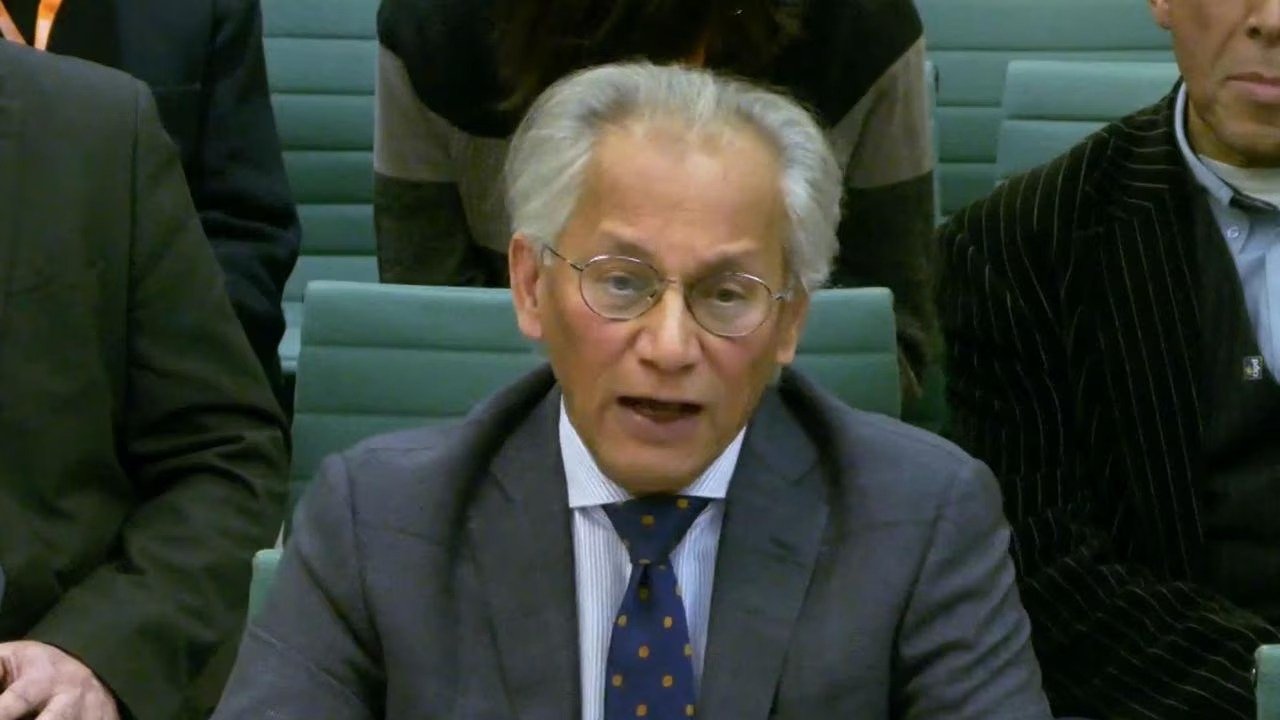
The BBC is facing intense scrutiny as chairman Samir Shah defended his leadership amid claims of bias and internal turmoil. Shah insisted he will not resign, despite public concern over divisions on the corporation’s board and a series of high-profile departures.
The controversy stems from a Panorama documentary in which a speech by Donald Trump was edited to create a misleading impression, prompting legal action from the former US president seeking up to $5bn in damages. Shah admitted the editing misled viewers but defended the decision, citing a “plausible case” for splicing segments of Trump’s speech together, despite acknowledging that it delayed addressing the issue by nearly a year.

During a Commons culture, media, and sport committee hearing, MPs repeatedly questioned Shah over whether he was fit to lead the broadcaster. Fellow directors described sharp differences of opinion within the board regarding the BBC’s response to the revelations. Caroline Thomson, who leads an internal review of editorial standards, acknowledged ongoing disagreements among directors about how to handle the scandal.
Sir Robbie Gibb, a non-executive director appointed in 2021, denied claims that he was part of a right-wing internal coup, calling such accusations “complete nonsense.” Questions over Shah’s position intensified after board member Shumeet Banerji resigned, following earlier departures by director-general Tim Davie and BBC News chief executive Deborah Turness over similar allegations of bias.
Labour MPs pressed Shah on whether the resignations reflected a failure in his leadership. He maintained that he intends to “steady the ship” and appoint a replacement for Davie, whom he described as “an outstanding director-general” despite errors during his tenure. Critics, however, accused Shah of being in “total denial” about the BBC’s crisis. Reform UK deputy leader Richard Tice called for Shah’s resignation, claiming the chairman was unaware of the broadcaster’s reputational collapse.
Shah apologised to viewers and licence-fee payers for the mistakes outlined in a leaked memo by former editorial standards adviser Michael Prescott, but he did not offer a direct apology to Trump. He explained that differing opinions within the BBC led to a delayed correction and stated that the corporation needed a deputy director-general to oversee editorial journalism more effectively.

The BBC has now advertised the post of director-general, seeking candidates demonstrating impartiality, editorial independence, and the capacity to manage the pressures inherent to the role. Prescott also testified that systemic issues within the BBC persist, warning that problems identified in previous internal reviews had not been adequately addressed.
Former Tory leader Sir Iain Duncan Smith said Shah appeared indecisive, balancing denial with acknowledgement of problems, and questioned whether he was fit for the role. The hearings highlighted not only internal division at the BBC but also growing public concern over its impartiality and governance.
Related News:
 It’s time to come clean on the China spy case
 Reform Councillor Defects to Tories Over ‘Uncomfortable’ Policies
 FBI Director Kash Patel Defends Girlfriend Amid Government Jet Claims
 French Taxi Driver Cleared in David Lammy Theft Case After Fare Dispute
 Company linked to Michelle Mone owes £39m in tax
 Met Police Culture Makes Racial Harm ‘Inevitable’
 Eleven Arrested After Pro-Palestine Protest at Villa Match
 Boris Johnson accused of undermining BBC leadership
 Remaining rebel Labour MPs have whip restored
 Second world war veterans honoured as King leads Remembrance Sunday
 ‘Reckless’ cuts to victims’ services will cost more than they save
 BBC Faces Backlash as Reform UK Withdraws from Film
 Wes Streeting Denies Leadership Plot Against Starmer
 British state supplied victims to ‘worst sex offender in history’
 UK Candidate Moved to Safe House After Election Threats
 Most Tories Expect to Support a Farage-Led Government
 Ex-Classmate Accuses Farage of Dishonesty on Racism Claims
 Ex-Brexit MEP Rejects Claim of Pro-Russia Payments
 Kent Reform Councillors Criticised Over Political Staff Spending
 Tasers Introduced in UK Prisons to Combat Rising Violence and Protect Staff
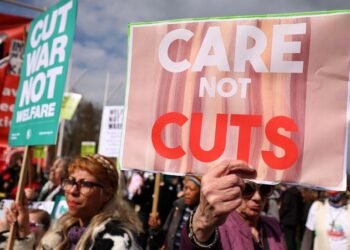 MPs Warn Thousands Still Face Poverty Despite Labour’s Welfare Reform Retreat
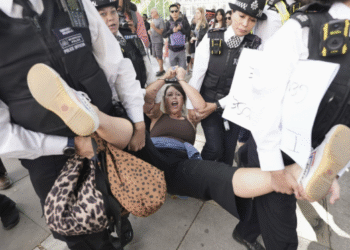 Mass Arrests in London as Protest Defies Ban on Palestine Action
 Police Advised to Disclose Ethnicity of Suspects in High-Profile Cases
 Urgent Action Needed on Windrush Compensation as Survivors Speak of “Waiting to Die”
 Zarah Sultana Seeks Legal Action After Bitter Clash with Jeremy Corbyn Over Party Membership Funds
 Jailed Georgian Opposition Leaders Warn UK of Iranian Links to Ruling Party
 Stephen Lawrence’s Father Demands Justice Before Killer’s Parole
 Kosovo agrees to host Britain’s refused asylum seekers
 Sex offenders to lose parental rights for children born of rape
 Peterborough Mosques Tighten Security After Attack
 British Woman in Iran ‘Losing Hope’ Amid Ongoing Detention
 BBC Journalist Held and Interrogated in Vietnam
 Green Party Surges Past Labour in Latest UK Poll
 Celebrities and Charities Demand UK Government Act on Child Poverty
 Trump’s UK Ambassador Urges North Sea Drilling to Strengthen US Ties
 Experts Warn on Home Birth Risks, Call for Skilled Midwives
 UK University Faces Counter-Terror Probe Over China Pressure
 UK Bans Fake Numbers: Scammers Lose Their Trick
 Just Stop Oil Protesters Convicted Amid Climate Defence Row
 Jailed UK climate protesters face extremist-style restrictions
 How to get help when a child goes missing – call 999 urgently
 Millionaires group urge Reeves to introduce wealth tax to ‘lift kids out of poverty’
 Starmer Faces Growing Dissent as Labour MPs Weigh Leadership Challenge
 Reeves rejects £1bn plea for NHS redundancy payouts
 Politics latest: Starmer ‘will fight any leadership coup’ as Streeting denies attempt to oust Labour PM
 Ukraine-Russia war latest: Putin’s troops exploit bad weather to force Kyiv withdrawal from multiple towns
 PM Condemns Leaks, Vows Loyalty to Ministers and Stability
 Major Rent Reform Ends No-Fault Evictions in England
 Peers Flood Assisted Dying Bill with 942 Amendments
 England’s Special Needs Support Faces Breaking Point
 Met Police Clarifies Scale of Grooming Gang Cases
 MoD warned over Excel risks before Afghan data breach
 Navy cuts scrap key landing upgrade for UK F-35B jets
 Greene Pushes Epstein Files Amid Trump Fallout
 UK Asylum Overhaul Sparks Debate Over Human Rights and Deportations
 Criminal Gangs Pose as Truckers to Hijack UK Supply Chains
 Mum Calls for New Licence Rules After Teen Road Death
 Mahmood Defends Tough Overhaul of UK Asylum System
 Mother Watches in Horror as Teen Daughter Dies on Tracks
 South African Detained After Neo-Nazi Rally in Australia
 UK Warns China After MI5 Issues Espionage Alert
 UK Vulnerable to Attack, Defence Committee Finds
 Labour Faces Historic Decline in Wales
 Rama Rebukes Mahmood for Targeting Albanian Families
 Serial Rapist and Former Cop Found Guilty Again
 PM Highlights UK Business at G20 in South Africa
 Kate Forbes: Motherhood Harder Than Politics
 Venezuela Threatens Nobel Winner Machado with Fugitive Status
 Inside the Helpline Protecting Missing Children in the UK
 Labour MP claims devolution bill is ‘blatant discrimination’ against Cornwall
 Trump Envoy to Discuss Ukraine Peace at Kremlin
 Millions Face Higher Taxes Under Reeves New Budget
 Peers Get Extra Time to Debate Assisted Dying Bill
 Planned Palestinian Flag Raising at Belfast City Hall Faces Delay Amid Legal Concerns
 Video shows Israeli troops kill Palestinians after surrender
 Government righting decades-old injustice for miners
 Jordan Bardella: France’s Young Presidential Contender
 UK delays ruling on China embassy plan until January
 Culture secretary to review Telegraph takeover by Daily Mail owner
 Andy Burnham Apologises for Past LGBTQ+ Police Discrimination