Published: 16 December 2025. The English Chronicle Desk. The English Chronicle Online.
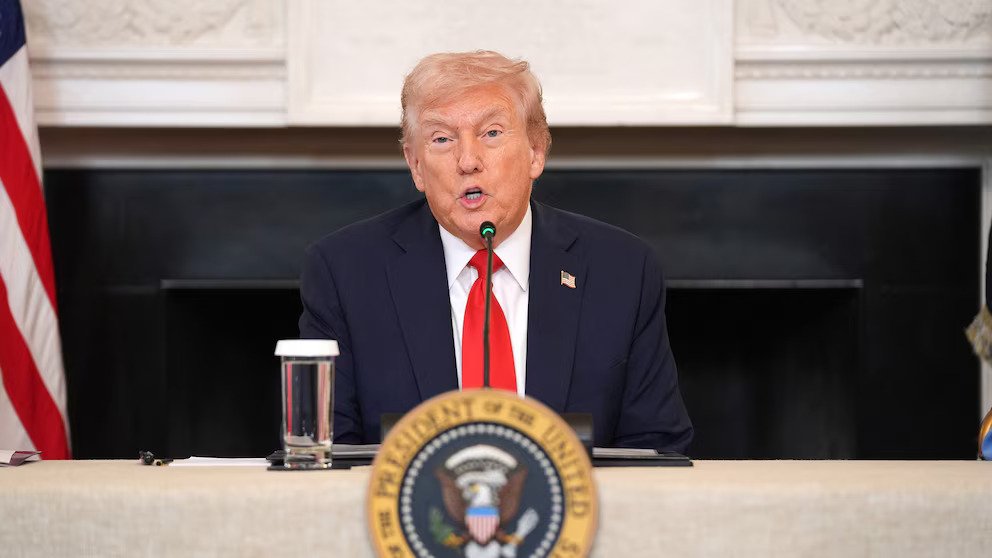
BBC executives are “right to stick by their guns” in the face of a $10bn lawsuit filed by former US president Donald Trump, a UK minister has said, as pressure mounts on the government to publicly back the national broadcaster.
Trump’s legal action targets the BBC over a Panorama programme that edited his January 6, 2021 speech in Washington, a broadcast that critics argue contributed to the unrest at the US Capitol. The lawsuit seeks $5bn in damages on two counts, alleging both defamation and violations of Florida’s Deceptive and Unfair Trade Practices Act.

Ed Davey, leader of the Liberal Democrats, urged Prime Minister Keir Starmer to “stand up for the BBC against Trump’s outrageous legal threat,” describing the lawsuit as part of a broader attempt by the former president to “interfere in our democracy” and undermine the UK’s public broadcaster.
Stephen Kinnock, a health minister, echoed this sentiment, praising the BBC for standing firm and expressing hope that the corporation will continue to defend itself. Speaking to Sky News, he said: “I think they have apologised for one or two of the mistakes that were made in that Panorama programme, but they’ve also been very clear that there is no case to answer in terms of Mr Trump’s accusations on the broader point about libel or defamation. The government is a massive supporter of the BBC. The Labour party will always stand up for the BBC as a vitally important institution.”
Trump’s complaint centres on Panorama’s editing of his speech, which presented segments made nearly an hour apart as if delivered continuously, suggesting he told the crowd: “We’re going to walk down to the Capitol and I’ll be there with you, and we fight. We fight like hell.” The BBC has previously admitted this was an “error of judgment” and issued an apology but insists there is no legal basis for a defamation claim.
The controversy has already claimed high-profile BBC resignations, with Director-General Tim Davie and head of BBC News Deborah Turness stepping down last month amid the fallout.
Despite these developments, Trump-supporting US media figures have urged caution. Christopher Ruddy, CEO of Newsmax, said the BBC should “figure out a quick and easy settlement” to avoid prolonged public scrutiny and costly litigation. “Just having the case go on, probably the BBC would lose in the sense of public perception,” Ruddy told BBC Radio 4. He estimated the ultimate settlement could be around $10m (£7.5m), with litigation costs for the BBC ranging between $50m and $100m. Ruddy noted that US courts grant plaintiffs extensive powers of discovery, potentially exposing internal BBC communications that could be damaging.
Trump’s legal actions follow a string of successful claims against US media firms since his re-election last November. ABC, owned by Disney, settled a defamation lawsuit for $15m over anchor George Stephanopoulos’s comments, while Paramount, parent company of CBS News, paid $16m to settle allegations of false editing of a pre-election interview with Democratic presidential candidate Kamala Harris.
The BBC, however, is expected to argue that the Panorama episode, which aired only in the UK and is not available on BBC iPlayer or BBC One in the US, had no significant impact on Trump’s reputation among American audiences. The case has been filed in the US District Court for the Southern District of Florida, raising questions about the jurisdiction and potential reach of the lawsuit.

As the UK government faces calls to publicly support the BBC, the broader debate touches on press freedom, international media liability, and the resilience of public institutions against external pressure. Ministers and opposition figures alike have underscored the importance of maintaining the independence of the BBC, even as it navigates a legal storm involving one of the most high-profile media litigants in recent history.
With Trump’s lawsuit looming, the BBC finds itself at the centre of a complex intersection of journalism, politics, and international law. Observers suggest that how the corporation responds could set a precedent for media organisations worldwide, balancing accountability with the defence of editorial independence.
Whether the case will be settled quickly or drag through the US courts, the stakes are considerable — both financially and reputationally. For the UK’s national broadcaster, the challenge is clear: uphold journalistic integrity while managing the potentially enormous legal and public relations ramifications of taking on a former US president in court.
Related News:
 Tories Push to Dilute Labour’s Workers’ Rights Bill
 Trump’s UK Ambassador Urges North Sea Drilling to Strengthen US Ties
 Rachel Reeves Set to Break Labour Pledge and Raise Income Tax
 Thinktanks Urge Rachel Reeves to Reform UK Tax System
 Company linked to Michelle Mone owes £39m in tax
MPs Press Rachel Reeves to Hike Gambling Taxes
Company linked to Michelle Mone owes £39m in tax
MPs Press Rachel Reeves to Hike Gambling Taxes
 Cuts to home insulation funding threaten UK climate goals
 Millionaires group urge Reeves to introduce wealth tax to ‘lift kids out of poverty’
 PM Highlights UK Business at G20 in South Africa
 English Mayors Set to Introduce Tourist Taxes
 Starmer Says Labour’s Economic Plan Needs Years to Deliver
 David Lammy Faces Possible Legal Challenge Over Foreign Office Secondment Scheme
 Grant Shapps Cleared to Join Defence Startup Despite Ethical Concerns
 Chancellor Rachel Reeves Pushes for Sweeping Changes to Environmental Protections to Accelerate Development
 Starmer Urged to Champion Workers’ Rights Amid Low Public Awareness
 Rachel Reeves Hosts Top UK and US Financial Executives as Trump’s State Visit Begins
 King Charles Earns Over £1 Million from Duchy Land Linked to Scrapped HS2 Project
 Senior Tories Condemn Badenoch’s Vow to Repeal Climate Change Act as Catastrophic
 Kemi Badenoch Unveils ‘Golden Rule’ to Halve Spending Cuts for Deficit Reduction at Tory Conference
 Lucy Powell urged ministers to reconsider costly legal case for Labour donor’s firm
 Miliband Promises New Nuclear Stations if SNP Ousted
 Rachel Reeves to lead UK trade push in Saudi Arabia amid rights debate
 British Woman in Iran ‘Losing Hope’ Amid Ongoing Detention
 Reeves Faces Setback as Labour May Miss Homes Target
 BBC Journalist Held and Interrogated in Vietnam
 Green Party Surges Past Labour in Latest UK Poll
 Celebrities and Charities Demand UK Government Act on Child Poverty
 FBI Director Kash Patel Defends Girlfriend Amid Government Jet Claims
 Court Hears Challenge Over Water Bills Funding Sewage Fixes
 French Taxi Driver Cleared in David Lammy Theft Case After Fare Dispute
 ABF May Split Primark from Food Division Amid Tough Market
 UPS Cargo Plane Crash in Kentucky Kills Seven
 M&S Profits More Than Halve After Cyber-Attack
 Tony Blair think tank warns Rachel Reeves must cut taxes if manifesto broken
 Oprah enjoys Meghan’s jam on English muffins
 Boris Johnson accused of undermining BBC leadership
 North Sea oil workers must lose weight or face job loss
 ‘Reckless’ cuts to victims’ services will cost more than they save
 Warning as Britons prepare to spend £4 billion this Black Friday
 Starmer Faces Growing Dissent as Labour MPs Weigh Leadership Challenge
 BBC Faces Backlash as Reform UK Withdraws from Film
 Reeves rejects £1bn plea for NHS redundancy payouts
 UK toy market enjoys bumper year as ‘kidults’ fuel demand
 Farage appointee to lead Reform youth accused of anti-British views
 Palace to reinstate hyphen in Andrew’s surname
 Politics latest: Starmer ‘will fight any leadership coup’ as Streeting denies attempt to oust Labour PM
 PM Condemns Leaks, Vows Loyalty to Ministers and Stability
 Major Rent Reform Ends No-Fault Evictions in England
 Peers Flood Assisted Dying Bill with 942 Amendments
 England’s Special Needs Support Faces Breaking Point
 MoD warned over Excel risks before Afghan data breach
 Global markets drop amid tech sell-off and China slowdown
 UK Unveils Fast-Track Deportation and Asylum Overhaul
 UK Asylum Overhaul Sparks Debate Over Human Rights and Deportations
 UK Asylum Reforms: Temporary Refugee Status and Faster Deportations
 UK Candidate Moved to Safe House After Election Threats
 Mahmood Defends Tough Overhaul of UK Asylum System
 Canada Passes Carney’s First Budget in Tight Parliamentary Vote
 UK Warns China After MI5 Issues Espionage Alert
 Westminster Advances Legacy Bill Amid Criticism
 UK Vulnerable to Attack, Defence Committee Finds
 Labour Faces Historic Decline in Wales
 Rama Rebukes Mahmood for Targeting Albanian Families
 Russian Vessel Used Lasers on RAF Pilots, UK Claims
 Mossmorran Plant Closure Hits Cowdenbeath Hard
 Kate Forbes: Motherhood Harder Than Politics
 Welsh Government Christmas 2020 Lockdown Criticised
 UK Taskforce Unveils Plan to Streamline Nuclear Reactor Rules
Reeves to Crack Down on Benefit Fraud While Lifting Two-Child Limit
UK Taskforce Unveils Plan to Streamline Nuclear Reactor Rules
Reeves to Crack Down on Benefit Fraud While Lifting Two-Child Limit
 Most Tories Expect to Support a Farage-Led Government
 Steel billionaire Lakshmi Mittal reportedly leaves UK
 Labour MP claims devolution bill is ‘blatant discrimination’ against Cornwall
 Millions Face Higher Taxes Under Reeves New Budget
 Peers Get Extra Time to Debate Assisted Dying Bill
 Planned Palestinian Flag Raising at Belfast City Hall Faces Delay Amid Legal Concerns
 India’s Labour Law Overhaul Sparks Fierce Debate
 Government righting decades-old injustice for miners
 Virgin Media Fined £23.8m Over Telecare Safety Failures
 UK delays ruling on China embassy plan until January
 Rising Water Bills Lift Troubled Thames Back to Profit