Published: 29 December 2025. The English Chronicle Desk. The English Chronicle Online.
A growing debate has emerged around Reform UK after a significant proportion of its local authority leaders publicly expressed sceptical views about vaccines and wider public health measures. Across England, Reform UK currently leads or holds the largest representation on twelve councils. Of those, leaders in at least four authorities have made statements questioning vaccination policies, drawing sharp criticism from health professionals, ministers, and opposition politicians who warn of serious risks to public confidence in healthcare.
The issue has intensified scrutiny of Reform UK’s approach to health policy at a time when the United Kingdom is facing declining vaccination uptake and renewed outbreaks of preventable diseases. Public health officials have repeatedly warned that hesitation or distrust surrounding vaccines can quickly undermine decades of progress in controlling infections such as measles, whooping cough, and seasonal influenza.

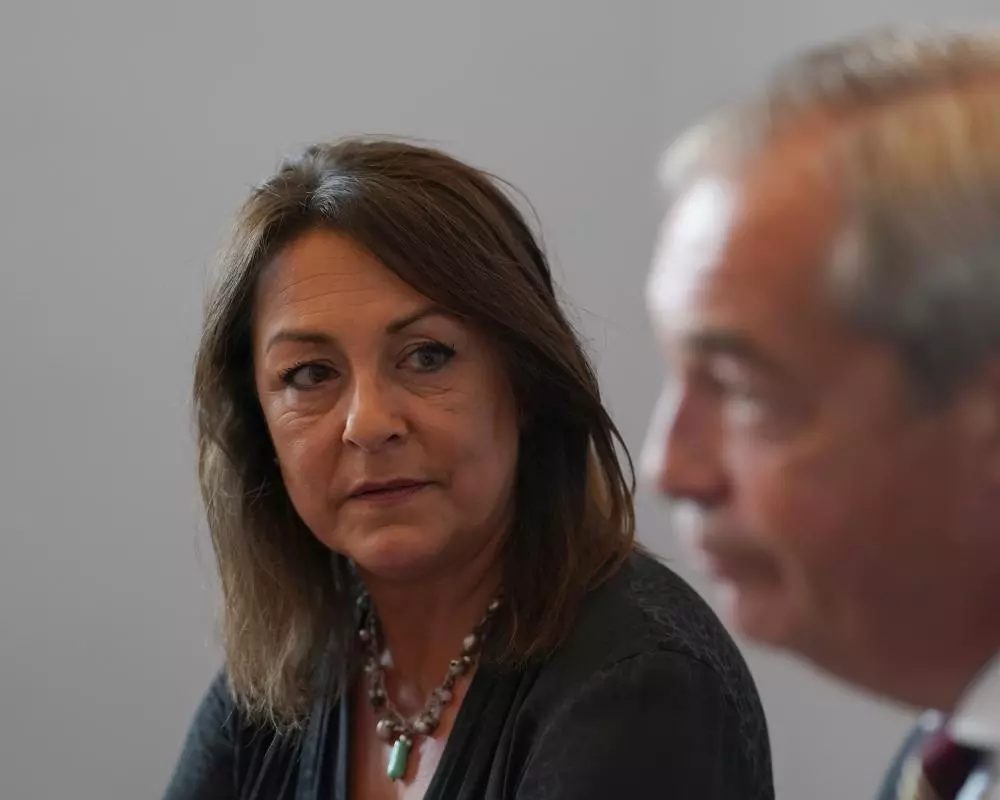
Among the most prominent figures involved is Linden Kemkaran, leader of Kent County Council and the party’s first council leader. In media interviews earlier this year, she suggested that an inquiry should examine claims of potential links between Covid-19 vaccines and cancer. Medical experts have consistently stated there is no credible evidence supporting such claims. Nevertheless, Kemkaran argued that controversial subjects should remain open to discussion, framing the debate as an issue of free speech rather than settled science.
In Worcestershire, council leader Jo Monk acknowledged the historical success of vaccination programmes but told a council meeting that she remained undecided about certain immunisations. She cited personal experiences and conversations with medical professionals holding differing views. Her comments prompted concern among opposition councillors, who warned that even measured uncertainty from senior political figures could discourage parents from vaccinating their children.
Warwickshire’s council leader, George Finch, also drew attention after speaking on national radio about the childhood chickenpox vaccine. He questioned the need for widespread immunisation, describing chickenpox as a normal part of growing up and referencing traditional “chickenpox parties.” His remarks came shortly before the government announced plans to expand the childhood vaccination schedule to include the chickenpox jab, aiming to reduce complications in vulnerable children and lessen pressure on working parents.
In Durham, council leader Andrew Husband faced widespread condemnation following a social media post, later deleted, in which he described vaccines as “horrific” and compared them to crimes against humanity. Although the post was removed, screenshots circulated widely online, reigniting debate about the responsibility of elected officials when discussing health matters on public platforms.
The controversy extends beyond local government. At Reform UK’s national conference in September, cardiologist Aseem Malhotra delivered a speech suggesting that Covid-19 vaccines had caused cancer within the royal family. The claim was swiftly denounced by medical authorities and fact-checkers. Malhotra, who advises vaccine-sceptic figures in the United States, has repeatedly argued that Covid vaccines pose greater risks than benefits, a position rejected by major health organisations worldwide.
David Bull, chair of Reform UK, later described Malhotra as someone who helped shape the party’s health policy, further fuelling concerns that vaccine scepticism may be embedded more deeply within the party’s leadership. Senior Reform figures, including Nigel Farage and Richard Tice, have also previously raised questions about pandemic-era vaccination strategies, contributing to a perception of institutional doubt rather than isolated opinions.
Health minister Zubir Ahmed, an NHS transplant and vascular surgeon, issued a strongly worded response to the remarks. Speaking from his dual perspective as a clinician and politician, Ahmed warned that such statements could have real-world consequences. He emphasised that vaccines remain one of the most effective tools in modern medicine, protecting millions and preventing avoidable deaths each year.
Ahmed argued that politicians who cast doubt on established vaccination programmes risk eroding trust at a critical moment for the National Health Service. With hospitals under sustained pressure and primary care services stretched, he said, any increase in preventable illness would place additional strain on an already burdened system. He also highlighted the danger to children, elderly people, and those with compromised immune systems, who rely heavily on high community vaccination rates for protection.

Public health leaders have echoed these concerns, pointing to recent data showing falling uptake of routine childhood vaccines in parts of England. Measles outbreaks have already been recorded in several regions, prompting emergency vaccination drives and renewed public awareness campaigns. Experts warn that misinformation, especially when amplified by elected officials, can rapidly undo years of careful public health messaging.
Reform UK has sought to defend its position, stating that it supports proven vaccination programmes while rejecting what it describes as “blind obedience.” A party spokesperson argued that open discussion and questioning help build trust rather than weaken it. Critics, however, counter that questioning well-established science without credible evidence risks legitimising fringe theories and confusing the public.
Political analysts note that Reform UK’s stance may resonate with a segment of voters who remain distrustful of institutions following the Covid-19 pandemic. However, they caution that health policy differs fundamentally from other political debates because of its direct impact on lives. Unlike fiscal or immigration policy, misleading statements about vaccines can influence personal medical decisions with immediate consequences.
As the debate continues, pressure is mounting on Reform UK’s leadership to clarify its official health policy and distance itself from claims contradicted by scientific consensus. Medical organisations, including the British Medical Association and the Royal College of Paediatrics and Child Health, have reiterated their commitment to evidence-based guidance and called on all political parties to support clear, responsible communication around vaccines.
For many observers, the controversy underscores a broader challenge facing modern democracies. In an era of social media amplification and declining trust, the words of public figures carry unprecedented weight. Whether Reform UK recalibrates its messaging or continues to frame vaccine scepticism as healthy debate may shape not only its political future, but also public confidence in one of the most successful public health interventions in history.
Related News:
 Ministers to back regulation of England’s funeral industry
 Resident Doctors Seek Fresh Talks to Prevent New NHS Strikes
 NHS Resident Doctors Vote for Strike Action Amid Escalating Pay Dispute
 Concerns Mount Over Accuracy of At-Home Health Tests as Study Calls for Stricter Regulation
 Ageless Energy: How Life After 40 Is Sparking a New Era of Vitality and Innovation
 Labour Faces Standoff as NHS Strike Exposes Deeper Crisis
 The Ketamine Crisis in the UK is a Silent Epidemic Leaving Users with Lifelong Pain
 Justin Timberlake Shares His Lyme Diagnosis and the Strain of Performing Through Illness
 ‘I’m Trying to Cut Down My Alcohol Intake and This 99p Low-Calorie Drink Converted Me’
 Woman Warned She Might Need Leg Amputation to Survive After Liquid Brazilian Butt Lift
 It’s Thanks to Gabby That I Caught My Prostate Cancer in Time’ – Kenny Logan Opens Up on His Battle and His Mission to Save Lives
 AI Tools Used by English Councils Found to Downplay Women’s Health Issues, Raising Concerns Over Gender Bias in Care
 Rugby Confronts Safety Concerns with Smart Mouthguards at Women’s World Cup
 Cats Develop Dementia Similarly to Humans, Study Finds
 Money Problem: ‘My husband is freelance and in hospital – how can I make sure we don’t lose our home?’
 Alarming rise in abusive teen relationships in the UK sparks urgent warnings
 Inquest Finds Agency Worker Failings Led to Unlawful Death of Vulnerable 14-Year-Old
 Shocking Rise in Children’s Exposure to Violent Online Pornography Raises Alarm
 Compulsory Period Education for Boys and Girls Urged by New Study
 Calls Grow for a Complete Ban on Smacking as Public Opinion Shifts
 Baby Food Manufacturers Given 18 Months to Improve Nutrition and Labelling
 Costa Blanca Holiday Horror as Food Poisoning Outbreak Hits Four-Star Hotel
 ‘REAL DANGER’: Stark Fresher’s Flu Warning After 23-Year-Old Student, Who Woke Up With Sore Throat, Loses All Four Limbs
 NHS Launches Free Flu Vaccine Drive as Millions Urged to Get Protected
 England Plans Ban on Energy Drinks for Under-16s Amid Health Concerns
 Why E-Bikes and E-Scooters Are Making Streets a ‘Nightmare’ for Blind People
 Millions in the UK at Higher Risk of Heart Failure and Stroke Due to Air Pollution, Study Warns
 Norfolk Hospital Ranked Worst in England as NHS League Tables Return
 More Than Half of UK Births Now Involve Medical Intervention
 British Pilot Joins Crew Training for Year-Long Mars Simulation Mission
 UK Graduates in Healthcare Report Highest Satisfaction with Degree Choices
 Systemic Racism in Maternity Care Continues to Endanger Black Women in England, MPs Warn
 One in Three GPs in England Do Not Work in NHS, Raising Concerns Over Access to Care
 UK Doctors Guilty of Sexual Misconduct Continue Practising Amid Weak Sanctions, Research Finds
 Starmer Unveils Plan for NHS “Online Hospital” to Tackle Waiting Lists
 UK Health Officials Monitor New ‘Stratus’ Covid Variant Amid Rising Cases
 Questions Remain as Rugby Legend Lewis Moody Faces Motor Neurone Disease Diagnosis
 Women Challenge Meta Over Targeted Ads After Miscarriage
 Genetic Tests May Predict Return of Blood Cancer
 Sir Michael Caine Urges Starmer to End Smacking in England
 £18 Prostate Cancer Test Could Save Thousands of Lives
 Pregnant Women in England Face Rising Risk of Severe Birth Injury
 One in 12 Secondary Pupils Sent to Isolation Weekly
 M&S and Morrisons Lead Christmas Supermarket Taste Test
New Prostate Cancer Drug Set to Halve Death Risk in England
M&S and Morrisons Lead Christmas Supermarket Taste Test
New Prostate Cancer Drug Set to Halve Death Risk in England
 UK Health Leaders Push for Urgent Tobacco & Vape Bill
 Hospice Cuts Raise Alarm Across England Amid Funding Crisis
 Celebrities and Charities Demand UK Government Act on Child Poverty
 Patients to Test Health at Home to Ease NHS Winter Pressure
 London’s Childlessness Crisis: Schools Closing as Families Shrink
 Shouting Works Best to Deter Gulls, UK Study Finds
 Reeves rejects £1bn plea for NHS redundancy payouts
 Working-Class Men with Prostate Cancer Left Behind by NHS
 Senator John Fetterman Hospitalized After Fall from Heart Flare-Up, Keeps Sense of Humor
 New AI tool could cut wasted efforts in organ transplants
 Stroke Patient Mistaken for Drunk, Care Delayed
 ‘Traumatic Wait’: Northern Ireland Women Face Breast Cancer Delays
 Healthy Habits in Your 30s That Boost Life in Your 70s
 Scottish Families Take Legal Action Over School CO Leak
 Coffins Now Too Large to Cremate Amid Rising Obesity Crisis
 Vicki Fears Losing Motability Car
 Delhi’s Toxic Air Crisis Leaves Children Sick and Vulnerable
 Five-Year-Old Dies After Rare Tonsil Surgery Complication
 Fibromyalgia Patients Struggle as NHS Fails to Provide Care
 “Enough is Enough”: Local MP Vows to Fight Rainham Quarry Plans
 More Patients Now Contacting GPs Online, Data Shows
 Streeting Orders Review Amid Rising Mental Health Benefit Claims
 GPs Failing Frail Elderly: Only 1 in 6 Assessed – NAO
 Kenya Signs $2.5bn Health Deal with US Amid Data Concerns
 UK Ends Haven Status for Dirty Money in Bold New Crackdown
 Farage Urged to Come Clean on Clacton Spending
 Reform campaign in Clacton faced ‘juggernaut’ scrutiny, say rivals
 Energy Drinks Linked to Rising Heart and Stroke Risks
 Asylum Overhaul Could Worsen Homelessness, Whitehall Warns
 Conservatives Pledge to Scrap 2030 Petrol and Diesel Car Ban
 Kent Council Faces Scrutiny Over £40m Savings Claim
 Teen Nicotine Pouch Use Sparks Growing Health Alarm
 Young Care Leavers in England to Receive Free Health Services
 U‑Turn on Farmers’ Inheritance Tax Sparks Political Firestorm
 Tories and Labour face scrutiny over Abd el-Fattah support