Published: 07 January 2026. The English Chronicle Desk. The English Chronicle Online.
A growing faction within Australia’s Labor party is demanding Prime Minister Albanese rescind the invitation extended to Israeli President Isaac Herzog, citing widespread concerns over the recent Gaza bombardment. The Labor Friends of Palestine, a grassroots group with over 1,000 members nationwide, said that the Herzog Visit, if allowed, would necessitate federal police intervention to investigate alleged incitement of genocide, though legal experts deem such action improbable. This internal pressure highlights a widening rift over Australia’s stance on Middle Eastern conflicts, and whether the federal government should reconsider its diplomatic approach.
Labor Friends of Palestine, which has long lobbied for formal recognition of a Palestinian state, insists the Herzog Visit threatens to inflame existing tensions and exacerbate both racism and antisemitism. Smaller Jewish organisations, including Jewish Voices of Inner Sydney, the Jewish Council of Australia, and Anti-Zionism Australia, echoed these concerns, sending a letter urging Albanese to cancel the presidential invitation. They emphasised that Herzog, as a head of state aligned with Israeli policy decisions, is far from a neutral or ceremonial figure, and his presence could provoke public unrest.

Yet the call for cancellation faces opposition from mainstream Jewish groups, who argue the Herzog Visit could strengthen communal healing and reaffirm bilateral ties. Alex Ryvchin, co-CEO of the Executive Council of Australian Jewry, said the visit would provide “tremendous comfort to Bondi victims’ families” and offer a diplomatic reset. Albanese himself defended the invitation, noting that the governor-general formally extended it in late December, differentiating Herzog from Prime Minister Benjamin Netanyahu, whose executive powers wield far greater international scrutiny.
Herzog accepted the invitation, announcing on social media that he will engage with Australia’s Jewish community while respecting his ceremonial obligations. Labor Friends of Palestine countered that Herzog has “actively supported and enabled serious violations of international law” during recent military actions in Gaza, arguing his cooperation with Netanyahu implicates him morally, if not legally, in alleged crimes. International courts, however, have not issued any warrant for Herzog, leaving legal recourse unlikely.
The group cited Herzog’s 2023 statement blaming Israel’s attack on an entire nation, alongside a September 2025 UN commission report accusing Israel of genocide in Gaza. Though the commission does not represent the United Nations formally, it implicated Herzog, Netanyahu, and former Defence Minister Yoav Gallant in incitement to commit genocide. Israel’s foreign ministry rejected the findings, calling them “distorted and false,” and accused Hamas of propagating misinformation.
Herzog defended his remarks, describing the case against Israel in the International Court of Justice as a “form of blood libel” and maintaining that he has always advocated adherence to international law. Experts, including Donald Rothwell of the Australian National University, explained that as a sitting head of state, Herzog enjoys immunity, rendering investigation or prosecution under Australian law virtually impossible. Rothwell stressed that no formal ICC arrest warrant exists for Herzog, unlike Netanyahu, further limiting potential legal action.
Palestinian Australians directly impacted by the Gaza conflict voiced strong opposition. Shamikh Badra, who lost seven family members, formally petitioned the home affairs minister to assess the government’s obligations under the United Nations Genocide Convention. Badra’s letter highlighted the unresolved loss of his relatives and urged preventive measures, though academics like Monique Cormier of Monash University emphasised that Australia is not compelled under international law to act against Herzog during his visit.
Calls for law enforcement intervention are similarly constrained. The AFP would require attorney-general consent to pursue any investigation, and precedent clearly shields visiting heads of state from such scrutiny. The situation has sparked national debate over diplomatic protocol versus ethical responsibility, balancing Australia’s longstanding relations with Israel against concerns for human rights and international law compliance.

Jeremy Leibler of the Zionist Federation criticised the push to rescind Herzog’s visit, labelling it “a troubling escalation” that disregards Australia’s historical relationship with Israel. He maintained that hosting Herzog is both a humanitarian gesture and a reaffirmation of security commitments to the Jewish community after the tragic Bondi beach attacks. Critics, however, see the Herzog Visit as an affront, given Herzog’s association with controversial military campaigns and international allegations of complicity in serious human rights violations.
Amid these tensions, Albanese remains committed to the Herzog Visit, emphasising the ceremonial and diplomatic significance of the head of state’s presence. The debate continues to expose deep divides within the Labor party and the broader Australian public, reflecting complex considerations of law, ethics, and international diplomacy.
Related News:
 British Woman in Iran ‘Losing Hope’ Amid Ongoing Detention
 BBC Journalist Held and Interrogated in Vietnam
 UK University Suspends Human Rights Research Following Pressure from China
 UK University Faces Counter-Terror Probe Over China Pressure
 Zohran Mamdani becomes New York City’s first Muslim mayor
 Abigail Spanberger Elected Virginia’s First Female Governor
 Mikie Sherrill Elected New Jersey’s Governor in Key Win
Zohran Mamdani names all-female transition team for NYC mayoralty
China-critical UK academics face ‘extremely heavy’ pressure from Beijing
Mikie Sherrill Elected New Jersey’s Governor in Key Win
Zohran Mamdani names all-female transition team for NYC mayoralty
China-critical UK academics face ‘extremely heavy’ pressure from Beijing
 British military receives first Ajax armoured vehicles – eight years late
 BBC to Apologise Over Edited Trump Speech Amid Backlash
 Second world war veterans honoured as King leads Remembrance Sunday
 Britain deploys RAF specialists to assist Belgium with drone threats
 BBC director-general and news chief resign amid bias row
 Night after night, Belgium is on high alert.
 Ukraine-Russia war latest: Putin’s troops exploit bad weather to force Kyiv withdrawal from multiple towns
 Trump Claims Victory as Longest Shutdown Ends
 New Epstein Files Spark Political Clash in Washington
 Trump Ends Record Shutdown by Signing Temporary Funding Bill
 Hamas Fighters in Gaza Tunnels Stall Ceasefire Progress
 Ukraine Energy Corruption Scandal Hits Zelensky’s Inner Circle
 Early Trends Suggest Modi’s Alliance Leading in Key Bihar Election
 US Justice Department Files Lawsuit Against California Over Partisan Voting Maps
 South Sudan President Removes Vice-President Amid Political Uncertainty
 Berlin Reintroduces Military Service Amid Rising Security Concerns
 Greene Pushes Epstein Files Amid Trump Fallout
 Trump Deploys DHS to Charlotte in Major Arrest Operation
 Former President Backs Public Release of Epstein Records
 December Run-Off in Chile as Election Produces No Winner
 UN Security Council Approves Trump’s Gaza Peace Plan
 Ukraine to Get 100 French Rafale Jets in Historic Deal
 Canada Passes Carney’s First Budget in Tight Parliamentary Vote
 Why Russian Liberals Push Strongly Pro-Israel Narratives
 Congress Approves Release of Epstein Files, Trump Expected to Sign
 Trump Says Crown Prince Knew Nothing About Khashoggi Death
 Shadow Fleet at Sea: Europe’s Battle Against Illicit Oil Shipping
 Rama Rebukes Mahmood for Targeting Albanian Families
 Russian Vessel Used Lasers on RAF Pilots, UK Claims
 Pentagon Officials in Ukraine to Discuss War End
 Turkey to Host COP31 After Breakthrough Deal with Australia
 US Military Team Visits Kyiv Amid War Talks
 WhatsApp Messages Expose Nathan Gill’s Bribery
 Venezuela Threatens Nobel Winner Machado with Fugitive Status
 Texas Governor Faces Lawsuit From CAIR
 Mamdani’s Vision: Affordable, Democratic Socialism
 Trump Envoy to Discuss Ukraine Peace at Kremlin
 Pope Leo XIV Begins Historic Trip to Turkey and Lebanon
 Zambia’s President Faces Stone-Throwing Anger Amid Challenges
 Georgians Defy Government Crackdown After Year of Protests
 Putin Intensifies Territorial Demands Before US Talks
 India’s Labour Law Overhaul Sparks Fierce Debate
 Video shows Israeli troops kill Palestinians after surrender
 Trump to Recheck Green Cards from 19 Nations After DC Attack
 Carney’s Alberta Pipeline Deal Sparks Immediate Pushback
 Guinea-Bissau President Flees After Military Coup
 Chinese & Japanese Boats Clash Near Disputed Islands
 Putin Meets US Envoy Amid Key Ukraine Peace Talks
 Ireland Boosts Ukraine Aid as Zelensky Visits Dublin
 Kremlin Talks With US Yield No Ukraine Peace Breakthrough
 Putin visits India as Ukraine peace, trade push intensifies
 Russia-Ukraine war update: Key events, day 1,379
 EU plans $105bn Ukraine aid using frozen Russian assets
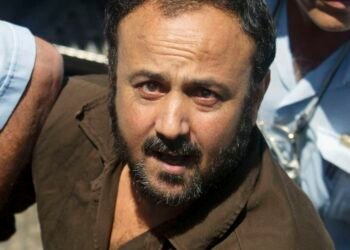 Global campaign launched to free Palestinian leader Barghouti
 UK Aid Cuts Could Undermine Global Influence, Experts Warn
 Picardo Faces Harsh Criticism in Gibraltar Police Interference Inquiry
 Thailand and Cambodia Agree Ceasefire After Weeks of Deadly Clashes
 Myanmar’s Military Election: Fear and Intimidation Surround Vote
 Zelensky to Meet Trump in Florida for Talks on Ending War
 Russia losses Ukraine war peace talks intensify amid rising deaths
 Zelenskyy Accuses Russia of Sabotaging Peace Talks
 Trump ‘Not Worried’ as China Conducts Massive Taiwan Wargame
 Khaleda Zia Laid to Rest with State Honour in Dhaka
 Maduro Faces Court in New York Over Drugs and Weapons Case
 US Strategy in Venezuela Clarified, Johnson Says No War
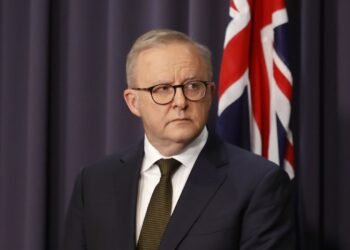 Albanese Opens Door to Bondi Royal Commission Amid Rising Pressure
 Shock US Raid: Maduro Pleads Not Guilty in Manhattan Court
 Trump Escalates Minnesota Immigration Surge Amid Rising Tensions
 UK Must Act with Courage and Clarity on Israel-Palestine Conflict, Says Foreign Affairs Committee Report
 ‘Extinct’ Antelope Returns to Sahara, Bringing Hope
 Khaleda Zia Death in Bangladesh: First Female PM Dies at 80