Published: 08 January 2026. The English Chronicle Desk. The English Chronicle Online.
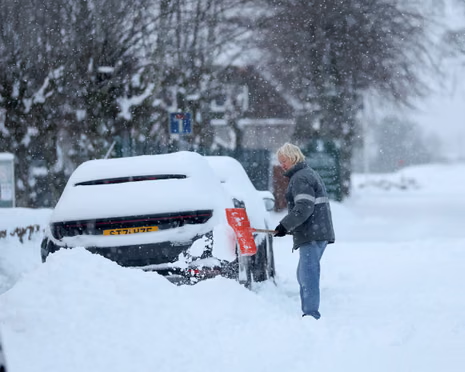
The impact of UK arctic weather intensified on Wednesday after two school bus crashes highlighted the growing risks posed by icy roads and plunging temperatures. As severe winter conditions tightened their grip across the country, families, transport operators, and local authorities faced mounting disruption, while emergency services urged continued caution. The incidents unfolded against a backdrop of widespread snowfall, power outages, and school closures, underscoring how deeply the cold spell is affecting daily life.
In Wokingham, Berkshire, nine children and nine adults suffered minor injuries after a school coach collided with a Reading bus on ice-covered roads. Emergency services responded swiftly, treating most casualties at the scene. One adult and one child were later taken to Royal Berkshire Hospital for further assessment, though officials confirmed no life-threatening injuries. Just hours later in Kent, another school bus slid on black ice and ended up in a roadside ditch. Police said no injuries were reported in that incident, yet the crash served as another stark reminder of the dangers posed by UK arctic weather.

Meteorologists say the current cold spell is being driven by an arctic air mass sweeping southwards, bringing snow, freezing rain, and treacherous ice. A Met Office yellow warning for snow and ice has been extended until midday Thursday across Scotland and northern England. Forecasters warn that conditions may deteriorate further as Storm Goretti approaches, expected to deliver heavy snow, strong winds, and intense rainfall later in the week.
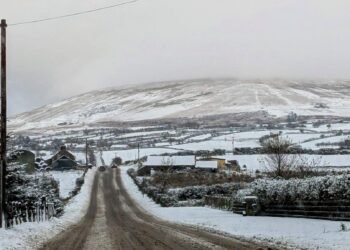
Northern Scotland has already endured some of the harshest effects. Around 400 homes experienced power outages during the morning, though engineers worked through difficult conditions to restore supplies. Many rural communities remained cut off for hours as drifting snow blocked roads and made access impossible. Local councils deployed gritters and snowploughs throughout the night, but persistent snowfall slowed progress and tested resources.
Aberdeenshire Council declared a major incident earlier this week as conditions worsened. By Wednesday evening, officials reported that the immediate crisis had eased slightly, allowing recovery efforts to begin. The Scottish Government said road clearance across the transport network was progressing steadily. Trunk roads remained open, while most local routes were passable with care. Rail services largely resumed, except on the Far North line between Invergordon and Wick or Thurso, which engineers expected to reopen later in the day.
Airports across the Highlands and Islands reported normal operations, and ferry services continued without significant disruption. However, more than 400 schools across Aberdeenshire, Moray, Orkney, and Shetland remained closed for a third consecutive day. In the Highlands, pupils enjoyed an unexpected extension to their winter break, as heavy snow coincided with the scheduled return from holidays.
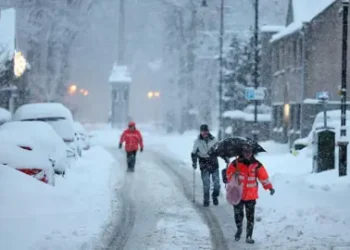
Forecasters warned that further snowfall of five to ten centimetres was likely across northern Scotland, with temperatures falling as low as minus six degrees Celsius in rural areas overnight. Such conditions increase the risk of ice forming rapidly, particularly on untreated roads, footpaths, and bridges. Officials urged residents to avoid unnecessary travel and to check on vulnerable neighbours where possible.
Elsewhere, communities across England and Wales are bracing for the arrival of Storm Goretti. The Met Office chief forecaster, Neil Armstrong, described the system as a “multi-hazard event” capable of delivering snow, rain, and damaging winds in quick succession. He said Wales and the Midlands could see five to ten centimetres of snow, with some areas receiving between fifteen and twenty-five centimetres. Isolated locations may even experience accumulations approaching thirty centimetres.
Strong winds are also expected to compound the disruption. Gusts of fifty to sixty miles per hour are forecast across south-western regions on Thursday afternoon and evening, rising to seventy miles per hour along exposed hills and coastlines. In the most vulnerable coastal locations, forecasters warned that gusts could briefly reach eighty or even ninety miles per hour.
A yellow snow warning has been issued for large parts of England and much of Wales from Thursday evening until midday Friday. In addition, an amber warning for heavy snow covers parts of Wales, the Midlands, and South Yorkshire from Thursday night into Friday morning. These warnings indicate a heightened risk of travel delays, power cuts, and communities becoming temporarily isolated.
Rail operators have advised passengers to check services before travelling, warning that delays or cancellations remain possible as conditions change rapidly. Airlines have also cautioned travellers to allow extra time at airports, particularly where snow or strong crosswinds could affect operations. Emergency planners have urged motorists to carry essential supplies, including warm clothing, food, and mobile phone chargers, if journeys cannot be postponed.
Beyond transport disruption, UK arctic weather is placing increased pressure on public health services. The UK Health Security Agency has extended amber cold health alerts for England, signalling that low temperatures are likely to affect health and wellbeing. Cold weather can exacerbate respiratory and cardiovascular conditions, particularly among older adults and those with existing illnesses. Health officials encouraged people to keep homes adequately heated and to seek medical advice if symptoms worsen.
The government confirmed that the prolonged cold spell has triggered cold weather payments for hundreds of thousands of households. These automatic payments of £25 are issued when temperatures are recorded or forecast to remain at or below zero degrees Celsius for seven consecutive days. The scheme is designed to help vulnerable residents manage higher heating costs during severe winter conditions.
Local authorities continue to balance immediate response with longer-term resilience planning. Gritting schedules have been extended, and councils are reviewing salt supplies to ensure coverage through the remainder of winter. Schools are assessing whether remote learning options can be deployed if closures persist, while social care teams focus on supporting isolated residents.

As the week progresses, forecasters stress that conditions may evolve quickly, requiring flexibility from the public. While some areas may see temporary improvement, further bands of snow and ice are likely as Storm Goretti tracks across the country. The Met Office advises staying informed through official updates and avoiding rumours circulating on social media.
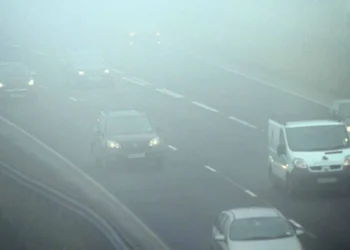
The school bus crashes in Wokingham and Kent have placed renewed focus on road safety during extreme winter conditions. Police urged drivers to reduce speed, increase stopping distances, and remain vigilant for ice, even on routes that appear clear. Transport experts noted that black ice can form unexpectedly, especially overnight or in shaded areas, making caution essential during UK arctic weather.
With winter far from over, the coming days will test the nation’s preparedness and resilience. While emergency services and local authorities continue their efforts, officials emphasise that personal responsibility plays a vital role. Simple measures, such as checking forecasts, planning journeys carefully, and looking out for vulnerable neighbours, can help communities weather the cold together as the UK arctic weather persists.
Related News:
 Storm Floris Sparks Amber Alert in Scotland Amid ‘Danger to Life’ Wind Forecast
 Storm Floris Batters Northern UK With Ferocious Winds and Disrupts Travel Nationwide
 Storm Floris Slams the UK,‘Danger to Life’ Warnings as Ferocious 90mph Winds Cause Chaos Nationwide
 A Delicate Dance of Sunshine and Storms: UK’s Summer Forecast Holds Mixed Fortunes for Holidaymakers
 Fire Contained at Edinburgh’s Arthur’s Seat After Overnight Battle by Firefighters
 England Braces for Prolonged Dry Spell as National Drought Group Urges Urgent Water-Saving Measures
 England Faces “Nationally Significant” Water Shortfall as Fourth Heatwave of 2025 Strikes
 UK Heatwave Continues with Temperatures Soaring, Thunderstorms Forecast Across the Country
 UK Weather: Heat Alerts Extended as Temperatures Set to Reach 30°C This Weekend
 K Braced for 600-Mile Rainstorm with Eight Counties Set to Escape Downpours
 UK Faces One of Its Warmest Summers on Record, Met Office Confirms
 UK Rocked by Two Earthquakes in Three Hours as Tremors Strike Cumbria and Iconic Welsh Landmark
 UK Weather: Rain Expected Above Average This Autumn, but Drought Likely to Persist
 Yellow Weather Warning Issued as UK Braces for Winds Up to 80mph
 Storm Amy set to disrupt travel across UK with winds reaching 95mph
Storm Amy Ravages UK: Fatalities, Widespread Travel Chaos, and Power Outages
Storm Amy Wreaks Havoc Across UK and Ireland, Claims One Life
Storm Amy set to disrupt travel across UK with winds reaching 95mph
Storm Amy Ravages UK: Fatalities, Widespread Travel Chaos, and Power Outages
Storm Amy Wreaks Havoc Across UK and Ireland, Claims One Life
 What is anticyclonic gloom and why is it making the weather?
 UK braces for wet weekend as Met Office issues NI rain warning
 Hermer to face questions on alleged China spy case intervention
 Storm Benjamin Set to Lash UK with Heavy Rain and Strong Winds
 Northern Lights May Illuminate UK Skies Amid Strong Solar Storm
 Northern Lights may illuminate UK skies this week
 New weather warning issued with risk of flooding
Storm Claudia: Torrential Rain to Batter England and Wales
New weather warning issued with risk of flooding
Storm Claudia: Torrential Rain to Batter England and Wales
 Cold Snap Brings Snow Risk as Flood Recovery Continues
 Witnesses Recall Tragedy as Couple Die in Flood
 Commuters warned as yellow snow and ice alert hits Northern Ireland
 UK Energy Bills to Rise Slightly in January
 UK Snow Forecast Arctic Blast to Bring Up to 11 Inches of Snow
 Snow Chaos Hits UK: Travel Warnings Issued Nationwide
 UK Ice Alerts: Heavy Snow Expected Across Regions
 UK Must Act with Courage and Clarity on Israel-Palestine Conflict, Says Foreign Affairs Committee Report
 The Ketamine Crisis in the UK is a Silent Epidemic Leaving Users with Lifelong Pain
 London Set to Honour Euro 2025 Champions as Lionesses Take Victory Parade Through the Capital
 Targeted Attack in Bury Sparks Murder Investigation as Community Awaits Justice
 Princess of Wales Launches Animated Video Series to Support Early Childhood Development
 Heartbreak in the New Forest as Shetland Ponies Vanish, Community on Edge
 Radioactive Leak at UK’s Nuclear Warhead Base Sparks Outcry Over Safety and Secrecy
 Premier League Supercomputer Predicts Tough Season for Man Utd Amid Three-Team Title Battle
 Mystery Wallaby Spotted on Norfolk-Suffolk Border Sparks Police Appeal
 Merseyside Police Helicopter Crew Cleared After Low-Altitude Pursuit of Suspect
 Education Leaders Call for End to Compulsory GCSE Resits in English and Maths
 Massive 641-Mile Storm Set to Batter UK with 15 Hours of Rain and Strong Winds
 Thousands of New School Nursery Places to Be Rolled Out Across England
 Tanni Grey-Thompson Faces Abuse Over Opposition to Assisted Dying Bill
 Birmingham Bin Strike Enters Sixth Month as Negotiations Stall
 Over 40% of Private Renters Forced to Ration Energy to Afford Bills, Study Reveals
 Systemic Racism in Maternity Care Continues to Endanger Black Women in England, MPs Warn
 Northern Ireland Faces Fears of Prolonged Race Riot “Permacrisis”
 Nigel Farage Unveils Controversial Immigration and Welfare Plans at Reform UK Press Conference
 Scottish Teenager’s Petition on Single-Use Plastics Gains Parliamentary Support
 White Low-Income Pupils in England Show Lowest Levels of School Engagement, Study Finds
 No Evidence Found to Substantiate Alleged Rape in Oxfordshire Churchyard, Police Confirm
 UK House Price Growth Slows as Buyers Exercise Caution Ahead of Autumn Budget
 Massive London Poundland Fire Engulfs High Street
 Paedophile Singer Ian Watkins Dies After Prison Attack
 UK border officers deployed to Balkans to tackle migrant smuggling
 UK MPs warn of repeat riots over online misinformation
 Giuffre’s bombshell memoir names Prince Andrew 88 times in shocking revelations
 M&S and Morrisons Lead Christmas Supermarket Taste Test
 Reeves Faces Setback as Labour May Miss Homes Target
 Kate Winslet to Narrate Film Highlighting King’s Environmental Mission
 Trump’s UK Ambassador Urges North Sea Drilling to Strengthen US Ties
 UK Bans Fake Numbers: Scammers Lose Their Trick
 Millionaires group urge Reeves to introduce wealth tax to ‘lift kids out of poverty’
 Reeves rejects £1bn plea for NHS redundancy payouts
 PM Condemns Leaks, Vows Loyalty to Ministers and Stability
 Snow and Ice Cause Travel Chaos in North Yorkshire
 Inside the Helpline Protecting Missing Children in the UK
 PlayStation PS5 Deals Hit Lowest Prices Ahead of Black Friday
 Five-Year-Old Dies After Rare Tonsil Surgery Complication
 Starmer Says Labour’s Economic Plan Needs Years to Deliver
 ‘Extinct’ Antelope Returns to Sahara, Bringing Hope
 England delays four mayoral elections amid criticism
 Zelenskyy in London: Peace Push Intensifies
 UK unemployment rises to four-year high of 5.1% before budget
 Wiltshire Police Use Lasso to Catch Rampaging Village Goat
 Historic £100-Weekly Pension Boost Brings Relief for UK Mineworkers
 Children to Receive Home Vaccines as England Acts