Published: 09 January 2026. The English Chronicle Desk. The English Chronicle Online.
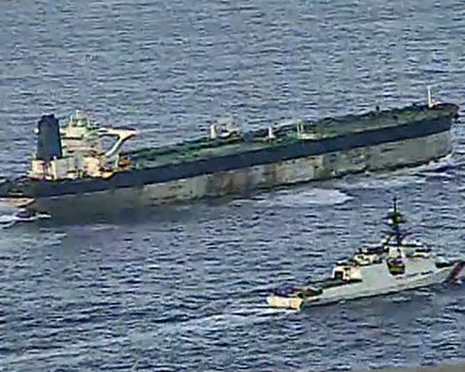
Two sanctioned oil tankers are moving through the English Channel, drawing renewed attention from British and American authorities. Their eastward passage toward Russia has sharpened debate about maritime enforcement, legal authority, and political resolve. The vessels, Aria and Tia, are both subject to United States sanctions. Their movements come immediately after a high-profile tanker seizure that signalled a firmer Western approach.
The presence of sanctioned oil tankers so close to British waters has reignited questions about whether enforcement actions will expand. Officials remain cautious, yet the political atmosphere has shifted since the Atlantic interception of the Marinera. That operation, involving cooperation between Washington and London, has become a reference point for future decisions. Observers across Europe are watching carefully as the situation develops.
Tracking data shows the Aria and the Tia travelling south of Britain before continuing east. Maritime analysts confirm that both ships have complex ownership and registration histories. Such patterns have become common among vessels accused of operating within Russia’s so-called shadow fleet. These fleets are widely believed to move oil while avoiding scrutiny and sanctions compliance.

The renewed focus on sanctioned oil tankers intensified after Defence Secretary John Healey addressed Parliament. He explained that the seizure of the Marinera was justified on legal and strategic grounds. According to Healey, the vessel was falsely flagged and involved in illicit oil shipments supporting Russia’s war in Ukraine. His remarks suggested a willingness to disrupt similar operations whenever possible.
That statement created expectations among lawmakers and security specialists alike. Many interpreted his comments as an indication that Britain could support further seizures. The presence of additional sanctioned oil tankers near the UK appeared to test that resolve. However, government officials have been careful not to pre-empt operational decisions.
When questioned about the Aria and the Tia, the Ministry of Defence declined to discuss specifics. A spokesperson said it would not comment on live maritime movements or potential enforcement actions. Instead, officials reiterated that countering Russia’s shadow fleet remains a strategic priority. This careful wording reflects both legal sensitivity and diplomatic calculation.
The Tia, now operating under the name Tiavan, illustrates how vessels attempt to evade detection. It is currently sailing from Turkey toward Russia’s Gulf of Finland. Shipping records indicate an expected arrival on 13 January. Under its former identity, the Tia was sanctioned by the United States in 2024 for transporting Venezuelan crude oil.
Following those sanctions, the vessel underwent multiple changes in name and registration. It was briefly known as Arcusat before adopting its current identity. Such changes are common tactics used to obscure ownership and trading patterns. Analysts argue that this behaviour strengthens the case for tougher international monitoring.
The Aria presents a similar picture, though its background differs in detail. Registered under the Barbadian flag, it was seen sailing between Plymouth and Jersey. From there, it continued toward Ust-Luga, a major commercial port in the eastern Baltic. United States Treasury records list the ship as sanctioned and linked to a major Russian shipping company.
For Western governments, these movements raise complex enforcement challenges. International maritime law requires careful justification before boarding or seizing vessels. Even when sanctions exist, authorities must demonstrate clear violations. The recent Marinera case showed that such thresholds can be met, but each situation differs.
The Marinera seizure itself has become a defining moment. Previously known as Bella 1, the tanker was intercepted north-west of the British Isles. United States forces carried out the operation with support from the Royal Navy and Royal Air Force. Officials confirmed the vessel had been tracked for more than two weeks.
Originally, the Marinera was sailing toward Venezuela. Its crew refused permission for the United States Coast Guard to board near South American waters. After that refusal, the tanker abruptly changed course and headed north. During the journey, it altered its name and claimed Russian registration.
Despite those changes, American authorities continued their pursuit. Legal advisers reportedly concluded that the ship remained subject to seizure. When the operation was finally executed, it sent a clear message to shipping operators worldwide. Attempts to evade sanctions would not necessarily guarantee safe passage.
This context explains why sanctioned oil tankers in the Channel have attracted intense scrutiny. Security experts argue that failure to act could undermine the deterrent effect of recent enforcement. Others caution that aggressive moves risk escalation or legal disputes. The balance between firmness and restraint remains delicate.
Within government circles, there is also awareness of economic implications. Energy markets are sensitive to disruptions in shipping routes. Any perception of instability in key maritime corridors can affect prices and insurance costs. British officials must therefore consider broader consequences alongside security priorities.
European allies are following developments closely. Several countries have expressed concern about Russia’s shadow fleet operating near their waters. Enhanced intelligence sharing has already begun, according to diplomatic sources. The Channel, as one of the world’s busiest shipping lanes, carries particular symbolic and practical importance.
Public opinion in the United Kingdom has also shifted. Since the start of the Ukraine conflict, there has been growing support for stronger measures against Russian-linked assets. The idea that sanctioned oil tankers could pass unhindered through nearby waters has prompted criticism in some quarters. Ministers are aware of these sentiments as they shape policy.

At the same time, officials stress that maritime enforcement cannot be improvised. Each operation requires coordination, legal clarity, and political authorisation. The Ministry of Defence continues to emphasise preparedness rather than prediction. This approach allows flexibility while avoiding unnecessary speculation.
As the Aria and the Tia continue their journeys, the immediate outcome remains uncertain. They may reach their destinations without incident, or they could become subjects of further action. Either scenario will influence future enforcement strategies. What is clear is that sanctioned oil tankers have become focal points in a wider geopolitical struggle.
The Channel transit underscores how global conflicts now play out in commercial shipping lanes. Vessels carrying oil are no longer merely economic actors. They are increasingly treated as strategic assets within international power contests. For Britain and its allies, the challenge lies in responding effectively without destabilising vital trade routes.
In the coming weeks, policymakers will review lessons from recent operations. The Marinera seizure has already altered expectations. Whether that precedent extends to other sanctioned oil tankers will define the next phase of maritime sanctions enforcement. For now, vigilance remains high as the ships move steadily eastward.
Related News:
 British Woman in Iran ‘Losing Hope’ Amid Ongoing Detention
 BBC Journalist Held and Interrogated in Vietnam
 US Super-Rich Are Draining Planet’s Safe Climate Space
 UK University Suspends Human Rights Research Following Pressure from China
 UK University Faces Counter-Terror Probe Over China Pressure
 Top Christmas Books Reads: Classics to Cozy Romcoms
 World Whisky Tour: 9 Global Gems
 UPS Cargo Plane Crash in Kentucky Kills Seven
 Just Stop Oil Protesters Convicted Amid Climate Defence Row
China-critical UK academics face ‘extremely heavy’ pressure from Beijing
Just Stop Oil Protesters Convicted Amid Climate Defence Row
China-critical UK academics face ‘extremely heavy’ pressure from Beijing
 Tension and Turmoil at Aston Villa v Maccabi Match
 BBC to Apologise Over Edited Trump Speech Amid Backlash
 Lando Norris Dominates Brazil GP to Strengthen F1 Title Bid
 Britain deploys RAF specialists to assist Belgium with drone threats
 Palace May Restore Hyphen to Andrew Mountbatten-Windsor’s Name
 US Senate Passes Funding Bill to End Historic Shutdown
 Suicide Bombing at Islamabad Court Kills 12, Injures Dozens
 BBC’s Tim Davie to Address Staff Amid Trump $1bn Threat
 Thailand Suspends Cambodia Border Peace Deal Amid Tensions
 Ronaldo Confirms Final World Cup and Plans Retirement
 Ukraine-Russia war latest: Putin’s troops exploit bad weather to force Kyiv withdrawal from multiple towns
 Algeria Pardons French-Algerian Novelist Sansal After Year in Jail
 Hitler’s DNA Confirms He Truly Had Only One Testicle
 US Justice Department Files Lawsuit Against California Over Partisan Voting Maps
 Oklahoma Governor Grants Last-Minute Clemency to Death Row Inmate
 US Pushes Global Effort to Stop Arms Flow to Sudan RSF Forces
 Israel Confirms Returned Hostage as Meny Godard
 Greene Pushes Epstein Files Amid Trump Fallout
 Trump Deploys DHS to Charlotte in Major Arrest Operation
 December Run-Off in Chile as Election Produces No Winner
 Zelenskyy Signs Fighter Jet Deal Amid Russian Drone Attacks
 Orban Says Ukraine Has ‘No Chance’ as EU Support Continues
 Irish Hero Parrott Says Goal Brought First Tears in Years
 Canada Passes Carney’s First Budget in Tight Parliamentary Vote
 Israeli Strike Kills 13 Near Palestinian Camp in Lebanon
 Zelensky Meets US Envoy in Turkey to Push Ukraine Peace Talks
 Shadow Fleet at Sea: Europe’s Battle Against Illicit Oil Shipping
 Tiny Curacao Makes History as Smallest Nation to Reach World Cup
 Haiti Qualifies for World Cup Despite Coach Never Visiting Country
 Deadly Russian Strikes Hit Western Ukraine, 20 Killed in Ternopil
 Rama Rebukes Mahmood for Targeting Albanian Families
 Pentagon Officials in Ukraine to Discuss War End
 Ukraine Peace Plan: Zelensky Ready for Dialogue
 Vietnam Battles Deadly Floods as Rains Continue
 Venezuela Threatens Nobel Winner Machado with Fugitive Status
 At Least Three Dead in Bangladesh Earthquake
 Barcelona Returns to Camp Nou vs Athletic Bilbao
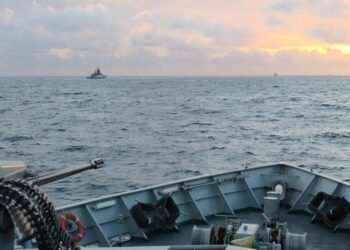 Royal Navy Shadows Russian Warships Entering the Channel
 Israel Confirms Hamas Returned Dror Or’s Body
 Trump Envoy to Discuss Ukraine Peace at Kremlin
 Twenty-Four Nigerian Schoolgirls Freed After Abduction
 US Suspends Afghan Immigration After White House Shooting
 Two National Guard Soldiers Critically Injured Near White House
 Georgians Defy Government Crackdown After Year of Protests
 Southern Lebanon reels as Israeli strikes shatter communities
 Mbappe Scores 4 as Real Madrid Edge Olympiakos
 Man City Lose, Champions League Risk
 Sri Lanka Floods Leave 56 Dead, Dozens Missing
 India’s Labour Law Overhaul Sparks Fierce Debate
 Video shows Israeli troops kill Palestinians after surrender
 A Colourful Cultural Escape in Mexico’s Querétaro
 Tokyo court rules Japan’s same-sex marriage ban constitutional
 Chinese & Japanese Boats Clash Near Disputed Islands
 Indonesia to Repatriate Two Dutch Drug Convicts
 ‘Extinct’ Antelope Returns to Sahara, Bringing Hope
 EU plans $105bn Ukraine aid using frozen Russian assets
 Global campaign launched to free Palestinian leader Barghouti
 American Mother Extradited From UK to U.S. on Murder Charges
 Khaleda Zia, Bangladesh’s First Female Prime Minister, Dies at 80
 Russia losses Ukraine war peace talks intensify amid rising deaths
 Facebook Slow to Remove Bondi Attack Praise, Anti-Hate Group Claims
 Australian Cruise Ship Freed After Reef Grounding in Papua New Guinea
 Zelenskyy Accuses Russia of Sabotaging Peace Talks
 Trump ‘Not Worried’ as China Conducts Massive Taiwan Wargame
 Khaleda Zia Laid to Rest with State Honour in Dhaka
 US Cities Erupt in Protests Against Trump’s Venezuela Military Action
 Maduro Faces Court in New York Over Drugs and Weapons Case
 Albanese Opens Door to Bondi Royal Commission Amid Rising Pressure
 Trump Escalates Minnesota Immigration Surge Amid Rising Tensions
 Venezuela Oil Shift to US Could Disrupt China Supplies