Published: 2 March 2026 . The English Chronicle Desk.
The English Chronicle Online
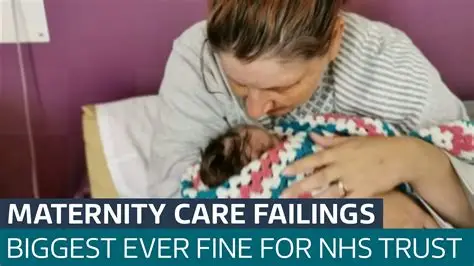
For many parents across England, the public narrative about National Health Service maternity care — often framed around compassionate midwives and bustling, well‑equipped maternity units — diverges sharply from what they experience on the ground. A growing number of mothers and fathers share accounts of rising delays, staff shortages and fractured continuity of care during pregnancy, birth and the postnatal period that have left them feeling unsupported at critical points in their journey to parenthood.

One mother, who has asked to remain anonymous, described her experience at a large hospital trust outside Manchester. During her first antenatal appointment, she waited more than two hours beyond her scheduled time to be seen. When she finally saw a clinician, she said it felt rushed, with little time to address all her concerns. Follow‑up scans were repeatedly rescheduled as units struggled with staffing gaps and equipment shortages, forcing her to make multiple long journeys back to the hospital.
Similar reports are emerging from maternity units in London, Birmingham, Leeds and other major cities. Mothers describe midwife caseloads that are too large to manage, leaving little room for personalised support or thorough discussion of birth preferences. Some women report speaking to a different midwife at almost every appointment, making it difficult to build trust or receive consistent guidance.
Healthcare professionals acknowledge that staff shortages are among the core challenges. In many trusts, recruitment and retention of midwives and obstetricians have lagged behind rising birth rates, creating a mismatch between demand and capacity. Data from NHS workforce reports show significant vacancies in maternity staff across the country, exacerbated by burnout and early retirement among experienced clinicians. In some units, this has led to temporary closures of labour wards or reallocation of staff away from routine care to cover emergency demands.
The cumulative effect of these pressures is visible in both outcomes and patient experience. While the UK’s overall maternal mortality rate has remained broadly comparable with other high‑income countries, women from disadvantaged socio‑economic backgrounds and ethnic minority groups continue to face higher rates of complications and interventions. Campaigners say that systemic strain — rather than isolated incidents — contributes to these disparities by limiting timely access to prenatal checks, mental health support and postnatal follow‑ups.
One father told how his partner’s planned induction was repeatedly postponed because the labour ward lacked sufficient midwives to maintain safe staffing levels. “We were left waiting and waiting, anxious and unsure of what would happen next,” he said. “When we finally went in, everything felt hurried and chaotic. It shouldn’t be like that when you’re bringing a child into the world.”
Parents frequently cite poor communication as another frustration. Confusion over appointment times, delayed test results, and mixed messages about care plans add to stress during what should be a reassuring and hopeful period. Some parents describe feeling like a burden for asking routine questions, an indication of how stretched staff can be.
The issues extend beyond hospital walls. Community midwifery services — which provide vital support during pregnancy and after birth — have also felt the impact of workforce pressures. Many areas have seen reductions in home visits and breastfeeding support, leaving new mothers feeling isolated just when they need guidance most. Research from maternal health charities indicates that postnatal care is an area of particular concern, with some women reporting no contact with a midwife for weeks after leaving hospital.
Despite these challenges, some clinicians emphasise that individual practitioners remain dedicated and compassionate, often working beyond their contracted hours to support families. However, they argue that good intentions cannot substitute for adequate resources. Midwife and obstetrician unions have repeatedly called for urgent investment in training, improved pay, and better workforce planning to ensure safe staffing levels that can meet national demand.
Government health officials have acknowledged pressures in maternity services and pointed to various initiatives aimed at expanding the workforce and improving training pathways. They argue that reforms to service models and investment packages will deliver long‑term improvements. But for many parents who have lived through fragmented care, reassurance on paper does not yet translate into consistent experience on the ground.
Advocacy groups have also highlighted the importance of listening to parental voices when shaping policy. They call for independent reviews of maternity services, stronger mechanisms for patient feedback, and accountability where standards fall short. For mothers and fathers who have faced delayed appointments, understaffed wards or a lack of continuity, such measures represent more than bureaucratic adjustments — they are essential steps toward restoring trust in a service central to family life.

The NHS remains one of the most cherished public institutions in the UK, but the growing chorus of candid accounts from women and families reveals a service under strain, struggling to deliver the care that modern maternity demands. For those who have experienced its shortcomings first‑hand, the gap between expectation and reality is not just an administrative issue — it is a deeply personal and emotional one, affecting some of the most pivotal moments in life.
Related News:
 Concerns Mount Over Accuracy of At-Home Health Tests as Study Calls for Stricter Regulation
 The Ketamine Crisis in the UK is a Silent Epidemic Leaving Users with Lifelong Pain
 UK Launches World-First Gonorrhoea Vaccine Amid Record Infection Surge
 Woman Warned She Might Need Leg Amputation to Survive After Liquid Brazilian Butt Lift
 AI Tools Used by English Councils Found to Downplay Women’s Health Issues, Raising Concerns Over Gender Bias in Care
 Cats Develop Dementia Similarly to Humans, Study Finds
 Alarming rise in abusive teen relationships in the UK sparks urgent warnings
 Inquest Finds Agency Worker Failings Led to Unlawful Death of Vulnerable 14-Year-Old
 Shocking Rise in Children’s Exposure to Violent Online Pornography Raises Alarm
 Baby Food Manufacturers Given 18 Months to Improve Nutrition and Labelling
 Why E-Bikes and E-Scooters Are Making Streets a ‘Nightmare’ for Blind People
 Millions in the UK at Higher Risk of Heart Failure and Stroke Due to Air Pollution, Study Warns
 Norfolk Hospital Ranked Worst in England as NHS League Tables Return
 NHS Trials £100 Blood Test That Could Revolutionise Alzheimer’s Diagnosis
 More Than Half of UK Births Now Involve Medical Intervention
 UK Graduates in Healthcare Report Highest Satisfaction with Degree Choices
 Systemic Racism in Maternity Care Continues to Endanger Black Women in England, MPs Warn
 One in Three GPs in England Do Not Work in NHS, Raising Concerns Over Access to Care
UK Doctors Guilty of Sexual Misconduct Continue Practising Amid Weak Sanctions, Research Finds
One in Three GPs in England Do Not Work in NHS, Raising Concerns Over Access to Care
UK Doctors Guilty of Sexual Misconduct Continue Practising Amid Weak Sanctions, Research Finds
 Heavy Drinkers Lead Growth in Non-Alcoholic and Low-Alcohol Market
 Starmer Unveils Plan for NHS “Online Hospital” to Tackle Waiting Lists
 Questions Remain as Rugby Legend Lewis Moody Faces Motor Neurone Disease Diagnosis
 Eligibility Confusion Over COVID Vaccination Leaves Pharmacies Struggling Across the UK
 Majority of UK Men Would Opt for Prostate Cancer Screening, Survey Finds
 Ambulance Worker Fired After Flinging Amputee from Wheelchair and Offering Bribe
 Women Challenge Meta Over Targeted Ads After Miscarriage
 Mum’s Final Wish: Donating Her Body to Science
 Genetic Tests May Predict Return of Blood Cancer
 UK Woman Becomes Longest Survivor of Heart-Lung Transplant
£18 Prostate Cancer Test Could Save Thousands of Lives
UK Woman Becomes Longest Survivor of Heart-Lung Transplant
£18 Prostate Cancer Test Could Save Thousands of Lives
 Pregnant Women in England Face Rising Risk of Severe Birth Injury
 ‘Game-Changing’ HIV Prevention Jab Set for NHS Approval
 One in 12 Secondary Pupils Sent to Isolation Weekly
 M&S and Morrisons Lead Christmas Supermarket Taste Test
New Prostate Cancer Drug Set to Halve Death Risk in England
M&S and Morrisons Lead Christmas Supermarket Taste Test
New Prostate Cancer Drug Set to Halve Death Risk in England
 UK Health Leaders Push for Urgent Tobacco & Vape Bill
 Hospice Cuts Raise Alarm Across England Amid Funding Crisis
 Celebrities and Charities Demand UK Government Act on Child Poverty
 Patients to Test Health at Home to Ease NHS Winter Pressure
 London’s Childlessness Crisis: Schools Closing as Families Shrink
 Shouting Works Best to Deter Gulls, UK Study Finds
 Reeves rejects £1bn plea for NHS redundancy payouts
 Stroke Patient Mistaken for Drunk, Care Delayed
 UK launches major AI drive to fight deadly superbugs
 ‘Traumatic Wait’: Northern Ireland Women Face Breast Cancer Delays
 Coffins Now Too Large to Cremate Amid Rising Obesity Crisis
 Five-Year-Old Dies After Rare Tonsil Surgery Complication
 Fibromyalgia Patients Struggle as NHS Fails to Provide Care
 “Enough is Enough”: Local MP Vows to Fight Rainham Quarry Plans
 More Patients Now Contacting GPs Online, Data Shows
 GPs Failing Frail Elderly: Only 1 in 6 Assessed – NAO
 NHS braces for worst winter crisis amid rising flu cases
 Ministers to back regulation of England’s funeral industry
 Teen Nicotine Pouch Use Sparks Growing Health Alarm
 Minor A&E Visits Surge Across England as Hospitals Face Pressure
 Children to Receive Home Vaccines as England Acts
 Local Fish Could Boost UK Health and Economy Significantly
 Offenders to Receive Health Support During Probation Appointments
 NHS Violence Crisis: Staff Face Daily Assaults
 Celebrity Campaign Highlights SMA Screening Failures
 Robo-Vaccination Could Transform Fight Against Bovine TB
 UK Glaucoma Rise Signals Looming Eye Health Crisis by 2060
 UK ADHD medication use triples over 13 years, landmark study finds
 Reform UK Health Plan ‘Would Cost £1.7bn’, Streeting Says
 NHS boosts bowel screening accuracy with FIT reform
 Nottingham survivor warns of repeat attacks without mental health reform
 Study Finds One in Seven England Takeaways Are Dark Kitchens
 Deadly Cancer Postcode Lottery Limits NHS Care
 Pneumonia Surge Pushes England Emergency Cases Higher
 The Truth About Statins, Memory and Dementia
 UK MPs Demand Ban on Brazilian Butt Lifts
 NHS Urges Nine Million People to Get Therapy
 NHS Negligence Ruling Raises Payout Costs
 Half of Britons Avoid GP When Ill, Survey Reveals Growing Concern
 ‘Postcode Lottery’ Limits Weight Loss Drug Access Across NHS
 NHS Maternity Units Cover Up Harmful Childbirth Errors
 Drop in Overseas Workers Sparks ‘Car Crash’ for UK Hospitals
 ‘I Almost Died After a Touch‑and‑Go C‑Section’
 50,000 People Waited Over 24 Hours in A&E Corridor Care
 Water Cremation Introduced in UK First