Published: March 5, 2026
The English Chronicle Desk
The English Chronicle Online
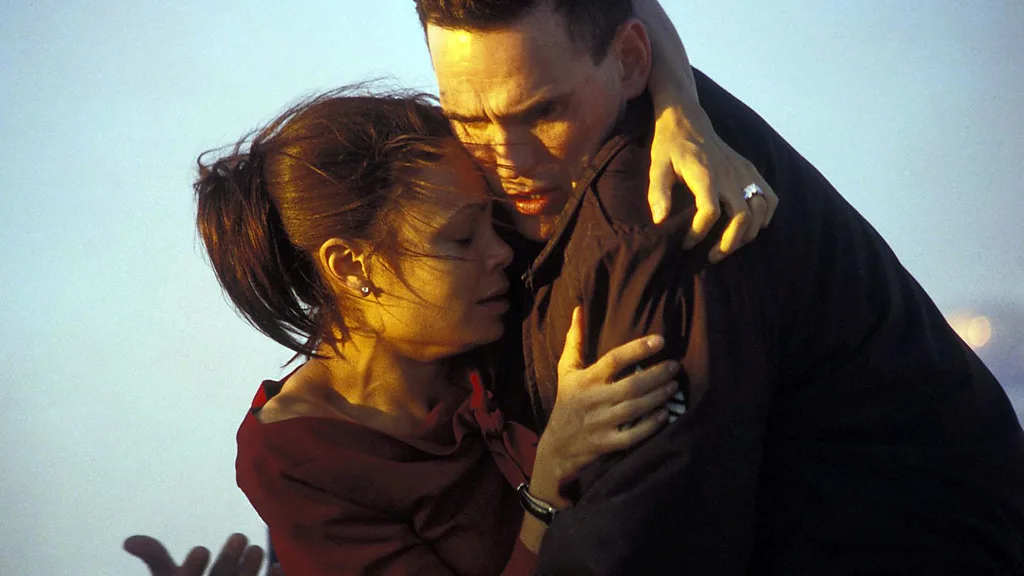
The 78th Academy Awards in 2006 delivered one of the most enduringly controversial upsets in Hollywood history when Crash, a modest ensemble drama about racial tensions in Los Angeles, won the Best Picture Oscar over the year’s early runaway favourite, Brokeback Mountain. The outcome was greeted with bafflement inside and outside the industry — and has since become shorthand for how subjective and unpredictable Oscars voting can be.

Going into the ceremony, Brokeback Mountain had dominated the awards season, capturing top honours at the Golden Globes, BAFTAs and Critics’ Choice Awards — a strong indication of how the industry’s own voting bodies were inclined. Yet when the final envelopes were opened at the Kodak Theatre, presenter Jack Nicholson’s visible reaction — mouthing “whoa” — signalled the surprise felt by many in attendance when Crash was announced as Best Picture.
At the time, industry observers noted several factors that helped Crash prevail. Despite its controversial reputation, the film had built a late wave of support among Oscar voters, in part because its thematic focus on race resonated with some members as a compelling social issue film. It also benefited from strong support within the Screen Actors Guild — winning the SAG Award for outstanding ensemble cast — which many saw as a predictor of Academy success.
Critics and audiences disagreed sharply on Crash’s merits compared with Brokeback Mountain, which many felt was not only artistically superior but more culturally transformative. Some commentators at the time and in the years since have suggested more troubling undercurrents in the upset, including discomfort among certain voters with Brokeback Mountain’s portrayal of a gay romance — something the film’s co‑writer later implied cost it crucial votes after learning that key Academy members hadn’t even screened it before voting.
Crash’s victory also has a unique place in Oscar lore because even its own director, Paul Haggis, later expressed doubt about whether it was truly the “best film” of that year, acknowledging that several of the other nominees had stronger artistic credentials. Yet he also defended the emotional impact Crash had on audiences, even as critics continued to challenge its win.
The upset exemplified how Academy voting can hinge on subjective judgments, strategic campaigning and cultural context rather than clear consensus or predictive awards season trends. In retrospect, many critics and surveys have ranked the 2006 Best Picture outcome among the most controversial in Oscars history, with some even suggesting that Brokeback Mountain would have beaten Crash in a re‑vote.

Over two decades later, the debate continues — with actors, critics and fans still questioning the result and its implications for how Hollywood recognises films that challenge conventional storytelling or social comfort zones. What was once an evening of celebration for Crash is now widely seen as a key example of how Oscars decisions can reverberate far beyond March night in Los Angeles.
Related News:
 Oscar Nominee Wagner Moura: ‘Latinos Are More Than Drug Dealers’
 How Robert Duvall Became a Hollywood Great
 Buckley & Aramayo Triumph at BAFTA Film Awards
 Ozzy Osbourne: The Prince of Darkness Bows Out, Leaving Behind a Legacy of Metal and Myth
 Justin Timberlake Shares His Lyme Diagnosis and the Strain of Performing Through Illness
 Unseen Killers of the Deep Inside the UK Lab Uncovering the Silent Deaths of Sea Creatures
 Gen Z Embraces the Big, Bold ‘Fake’ Indian Wedding Party Trend
 My Husband Won’t Stop Playing with Lego and It’s Driving Me Nuts
 Jack Osbourne Breaks Silence with Heartfelt Tribute Following Ozzy Osbourne’s Funeral
 Sean Hayes Reimagined: From Sitcom Stardom to Serious Stage Acclaim
 Russell T Davies Warns of Declining UK Gay Rights Amid Rise of Reform UK and Trump Influence
 Terence Stamp, ’60s British Film Legend and Star of Superman, Dies at 87
 Millie Bobby Brown and Jake Bongiovi Begin Parenthood Through Adoption
 Kneecap Pushes Forward with European Tour Despite Hungary Ban and Canceled Gigs
 September’s Must-See Films: From Spinal Tap II to Leonardo DiCaprio’s Latest Thriller
 Robert Redford: The Indispensable Patron of American Independent Cinema
 Watchdog, Cornflakes and Courage: Remembering John Stapleton, a Broadcaster Who Did It All
 Dawson’s Creek” Cast Reunites for Special Broadway Benefit to Support James Van Der Beek
 Patricia Crowther, Known as UK’s Oldest Witch, Dies Aged 97
 Beloved Actress Dame Patricia Routledge Dies Aged 96
 Karen Carney Shines on Strictly Come Dancing Week Two Despite Tango Wobbles
 Jilly Cooper: The Bonkbuster Queen Who Redefined Romantic Fiction
 Celebrity Traitors First Look: A Star-Studded Highland Adventure That Hooks from the Start
 Who is Ruth Codd? All about the Irish actress on Celebrity Traitors
 Paedophile Singer Ian Watkins Dies After Prison Attack
 Strictly Celebs Starstruck as Cynthia Erivo Shines
 Man Charged Over 2020 Death of Tattoo Artist Georgina Ward
 Dave Ball: The Unsung Genius Behind Soft Cell’s Bold Sound
 Fabio Wardley stuns Joseph Parker to earn Usyk title shot
 Prunella Scales: From Fawlty Towers Icon to Beloved Canal Explorer
 Charlie Kaufman: They told me Being John Malkovich would never get made
 Kate Winslet to Narrate Film Highlighting King’s Environmental Mission
 Top Christmas Books Reads: Classics to Cozy Romcoms
 Oprah enjoys Meghan’s jam on English muffins
 Pauline Collins, Beloved ‘Shirley Valentine’ Star, Dies at 85
 I’m a Celebrity 2025 line-up revealed: Osbourne joins
 VAR Must Rein Its Neck In to Save Football’s Spirit
 From Lego to Pokémon: How Adults Are Driving UK Toy Market Growth
 Pop Stars Call on UK Government to Cap Resale Prices for Fans
 Pokémon to open world’s first theme park in Japan next year
 SS Rajamouli Announces ‘Varanasi,’ a Mythic Time-Travel Epic
 Tom Cruise Receives Honorary Oscar, Celebrates Cinema
 Eminem Takes Legal Aim at Australian ‘Swim Shady’ Brand
 The Lasting Legacy of Seven: Crime, Morality, and Urban Decay
 Director Michael Caton-Jones Reflects on Career and Beginnings
 Reggae Legend Jimmy Cliff Dies at 81
 Rosalía Inspires Young Listeners to Discover Classical Music
 Rusty Bond-Era Aston Martin Restored to £1m Glory
 Pavarotti statue frozen in Italian ice rink sparks backlash
 Prince Andrew Named Punchline in Top Christmas Cracker Joke
 Nancy Sacked by Celtic as O’Neill Returns for Season
 Stranger Things 5 Documentary Reveals Last-Minute Finale
 ‘A long time coming’: US table tennis finds its moment
 Julia Donaldson Reveals New Character and Title for Third Gruffalo Book
 David Furnish Says Alleged Daily Mail Hacks of Him and Elton John Were ‘An Abomination’
 90s Music Icon Dies as Daughter Pays Heartbreaking Seven-Word Tribute
 Top 10 Must-See Films Arriving This February
 He Was Once a Teen ‘Superstar’. Why Did James Van Der Beek Need Help to Pay His Medical Bills?
 Why Margot Robbie and Jacob Elordi’s ‘Mutual Obsession’ Is Giving Some Fans the Ick
 Actor Ross Kemp to Return to EastEnders for Short Stint
 Robert Duvall dies aged 95, Hollywood mourns
 Gordon Ramsay’s Stressful New Netflix Series Shines
 The Chinese AI App Sending Hollywood Into a Panic
 Australian Presenter Apologises for Drinking Before Slurred Olympics Report
 Live Nation Sees Strong Ticket Sales as Monopoly Lawsuit Looms
 One Battle After Another Triumphs at BAFTAs as Robert Aramayo Wins Best Actor
 Meet Robert Aramayo: From Humble Beginnings in Hull to Juilliard and BAFTA Glory After Beating Timothée Chalamet
 Why Alan Carr Bought a Castle in Kent
 ‘We Pray for Peace’: Indian Filmmaker From Troubled State Who Won a BAFTA
 Pacquiao and Mayweather Agree Professional Rematch for September
 BBC Apologises After Racial Slur Aired at BAFTAs by Guest With Tourette’s
 Man, 83, in Taylor Swift Video Had ‘No Idea Who She Was’
 BBC Edited a Second Racial Slur Out of BAFTA Ceremony
 Tracey Emin Says My Bed Would Be ‘Tidy, Clean and Boring’ If Made Today
 Netflix Drops Bid for Warner Bros, Clearing Way for Paramount Takeover
 Actor Awards: The Winners and Nominations in Full
 Marshals Is an Action‑Packed Spin‑Off That Yellowstone Fans Will Love
 Boy George Says He’s Using ChatGPT to Help Write New Songs
 David and Victoria Beckham Wish Brooklyn Happy Birthday Despite Family Feud