Published: 17 March 2026. The English Chronicle Desk. The English Chronicle Online.
The devastating Kabul hospital strike has triggered global concern after hundreds were feared dead in Afghanistan’s capital. Officials in Afghanistan have accused Pakistan of launching the attack, while Islamabad has firmly denied targeting any civilian site. The incident marks a sharp escalation in tensions between the neighbouring countries and raises serious humanitarian questions about the ongoing conflict.
According to Afghan authorities, the Kabul hospital strike hit a major drug treatment facility late Monday night. The site was reportedly filled with vulnerable patients undergoing rehabilitation, making the scale of casualties particularly distressing. Early estimates suggested around 400 people may have been killed, while hundreds more were injured in the explosion and subsequent fire.
Hamdullah Fitrat, a deputy government spokesperson, described the scene as catastrophic and deeply troubling for the nation. He stated that most victims were patients receiving care, alongside medical staff working during the night shift. The destruction of a healthcare facility has intensified concerns over civilian safety and compliance with international humanitarian law.

Officials from Pakistan rejected the allegations and described them as misleading and politically motivated. In a formal statement, Islamabad insisted that its forces had conducted precise strikes against military installations and terrorist infrastructure. Authorities claimed the operation targeted groups allegedly operating from within Afghan territory, not civilian facilities.
The stark contrast between these accounts has created confusion and heightened tensions in the region. Independent verification remains difficult, though eyewitness reports paint a harrowing picture of destruction inside the hospital complex. Survivors described a sudden explosion followed by fire spreading rapidly through wards and corridors.
Sharafat Zaman, a spokesperson for the Afghan health ministry, confirmed that the hospital was almost entirely destroyed. He explained that every section of the building had suffered extensive damage, leaving little intact for rescue teams to work with. Emergency responders continued searching through rubble hours after the blast, hoping to find survivors trapped beneath debris.
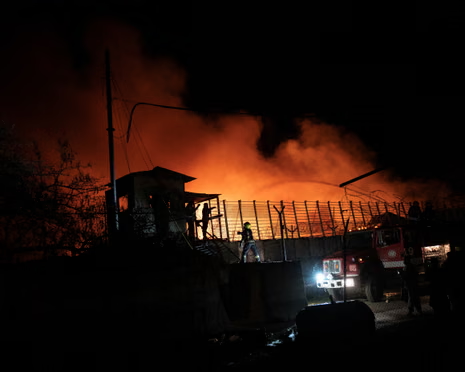
Local television footage showed firefighters battling flames that consumed what remained of the structure overnight. Thick smoke filled the air as emergency crews struggled to control the blaze and reach victims inside. Images shared widely on social media reflected the scale of devastation, drawing strong reactions from international observers.
An ambulance driver named Haji Fahim recounted arriving at the scene shortly after the explosion occurred. He described chaotic conditions where flames engulfed the building and injured people cried out for help. His testimony highlighted the urgency faced by rescue workers attempting to manage an overwhelming disaster.
Patients who survived the Kabul hospital strike shared equally distressing accounts of the moments following the explosion. One survivor, Yousaf Rahim, explained that beds were thrown across the ward as the blast struck. He suffered injuries but managed to escape after navigating through smoke and fallen debris.
Rahim described scenes of panic as patients attempted to flee burning rooms filled with dust and flames. Many individuals, already in fragile health, were unable to move quickly enough to reach safety. The combination of fire, structural collapse, and limited evacuation routes contributed to the high casualty figures reported.
Humanitarian organisations have responded with alarm, urging a thorough and transparent investigation into the incident. Human Rights Watch expressed deep concern over reports of mass casualties, particularly within a medical facility. Researchers stressed that international law strictly prohibits targeting hospitals under any circumstances.
Fereshta Abbasi, a researcher with the organisation, called for accountability and immediate clarification from all parties involved. She emphasised that civilian infrastructure must never be subjected to disproportionate attacks. Her remarks reflect broader concerns shared by humanitarian groups monitoring the situation.
An Italian medical NGO, Emergency, confirmed it had received several casualties following the strike. Its Afghan director, Dejan Panic, stated that the organisation was treating dozens of wounded individuals. He warned that the true scale of casualties could increase as rescue efforts continued.
The Kabul hospital strike occurred against the backdrop of escalating military tensions between Afghanistan and Pakistan. Just hours earlier, both sides had reportedly exchanged fire along their shared border. Afghan officials said that clashes resulted in civilian casualties, including children, in eastern regions.
Residents in Khost province reported mortar shells hitting villages overnight, destroying homes and injuring civilians. Local authorities claimed the shells originated from across the border, intensifying fears among communities already living in volatile conditions. These incidents highlight the broader pattern of cross-border violence that has been worsening in recent weeks.
Pakistan also reported casualties from cross-border fire, stating that a mortar shell struck a house in Bajaur district. Officials said four members of a family were killed, while others were injured. These conflicting claims underscore the complexity of the conflict and the difficulty of determining responsibility for each incident.
The ongoing hostilities represent one of the most serious deteriorations in relations between the two countries in recent years. Once considered strategic partners, Afghanistan and Pakistan have grown increasingly distrustful over security concerns. Islamabad has repeatedly accused Afghan authorities of harbouring militant groups responsible for attacks inside Pakistan.
Afghanistan’s Taliban-led government has denied these allegations, insisting it does not support cross-border terrorism. However, the issue remains a central point of tension between the neighbours. Analysts suggest that the Kabul hospital strike may further complicate diplomatic efforts to reduce hostilities.
International actors have attempted to intervene and encourage dialogue between the two sides. China recently sent a special envoy to mediate discussions aimed at easing tensions. Despite these efforts, no significant progress has been reported, and violence continues to escalate.
The United Nations Security Council has also expressed concern about the deteriorating situation. In a recent resolution, the council called on Afghan authorities to strengthen efforts against terrorism. While the statement did not directly reference Pakistan, it highlighted the urgent need for stability in the region.
The resolution additionally extended the mandate of the UN political mission in Afghanistan, reflecting ongoing international engagement. Observers believe that continued diplomatic pressure may be essential to prevent further escalation. However, the immediate priority remains addressing the humanitarian crisis created by the Kabul hospital strike.
As rescue operations continue, the full extent of the tragedy is still unfolding. Medical facilities in Kabul are struggling to cope with the influx of injured individuals requiring urgent care. Resources remain limited, and the destruction of a major hospital has further strained the healthcare system.

Families of victims are searching desperately for loved ones amid the chaos, adding a deeply human dimension to the crisis. Many have gathered near the site, hoping for news as rescue teams continue their work. The emotional toll of the incident is expected to be long-lasting for survivors and communities alike.
The Kabul hospital strike has also reignited debate about the protection of civilians during armed conflict. International law clearly outlines obligations to avoid harm to non-combatants and essential infrastructure. Incidents such as this raise serious questions about accountability and adherence to these principles.
As accusations and denials continue, the need for an independent investigation becomes increasingly urgent. Establishing the facts will be crucial for justice and for preventing similar tragedies in the future. Without clarity, tensions between Afghanistan and Pakistan risk spiralling further out of control.
The situation remains fluid, with both sides maintaining strong positions regarding the incident. Diplomatic channels are expected to remain active, though progress may be slow given the current climate. Meanwhile, humanitarian organisations continue urging immediate support for those affected.
In the days ahead, the international community will closely monitor developments surrounding the Kabul hospital strike. The outcome of investigations and diplomatic efforts may shape the trajectory of relations between the two nations. For now, the focus remains on saving lives and supporting those caught in the aftermath of a devastating tragedy.
Related News:
 Middle East Flights Halted After Iran Strikes
 US Iran Operation: Sixth Service Member Killed
 Hezbollah Anger Erupts as War Returns to Beirut
 Gaza Siege Deepens as Iran War Escalates
 Riyadh Drone Attack Escalates Regional War
 Middle East attacks intensify as Trump rejects Iran talks
 Iran-Iraq border airstrikes spark new tensions
 Iran-Iraq Border Strikes Spark New Front Fears
 Iran-Backed Militias Escalate Attacks Across Middle East
 UK Prepares Aircraft Carrier for Middle East Crisis
 Mojtaba Khamenei Chosen as Iran’s New Supreme Leader
 Tehran Oil Depot Strikes Darken City With Toxic Smoke
 Seventh US Service Member Killed in Iran Conflict Identified
 Mojtaba Khamenei Supporters Rally as Iranians Fear Repression
 Tehran Strikes Mark War’s Most Devastating Night
 Iran Defiance Grows Amid US-Israel War Pressure
 Hormuz Crisis Sparks Global Oil Market Fears
 Iranian Exile Factions Seek US Backing for Iran’s Future
 US-Israeli Strategy Shifts to Plan B in Iran War
 Injured Mojtaba Khamenei Elevated as Iran Leader
 US Missile Strike on Iran School Sparks Global Shock
 Iran Gulf attacks escalate as ships and airports targeted
 Iran Conflict: Trump’s Uncertain Path and Diplomatic Off-Ramp
 Ancient Heritage Sites Damaged in Recent Airstrikes
 Tehran Diary: Dark Days Under Relentless Bombardment
 British Tourist Charged Over Dubai Missile Strike Video
 Gaza Detainee Abuse: Israel Drops Charges Against Soldiers
 Trump Iran War Stance Hardens as Conflict Widens
 Lebanon Ground Campaign Raises Occupation Fears
 Gulf Tensions Rise as Iran Alleges Covert Support
 Iran Threatens Total Destruction of Mideast Energy Grid
 Ghalibaf Iran: Survivor Emerges in Shifting Power Game
 Gulf Distrust Grows Over Rumoured US-Iran Peace Talks
 WHO Warns of Health Crisis Unfolding in Middle East
 Saudi Arabia Urging US to Keep Up Iran Attacks
 Iranian President’s Son Shares Wartime Hopes and Fears
 Iran Warns of US Ground Assault Amid Rising War Tension
 MAGA Anxiety and the Iran War: A Movement Divided at CPAC
 Trump Threatens Iran With Total Infrastructure Destruction
 Iran Drone Strike Hits Kuwaiti Oil Tanker in Dubai Port
 Albanese to Address Nation as War Sparks Economic Crisis
 Death, displacement and military duties: children plunged into crisis
 Trump’s Six-Week Iranian War: The High Cost of Ignorance
 Beirut Under Fire: Massive Israeli Strikes Shaking Lebanon
 Middle East Analysis: The Cost of a Fragile Peace
 Lebanon Must Join Ceasefire to Prevent Escalation, Says Cooper
 Israel Launches Massive Airstrikes Across Lebanon
 Netanyahu Vows Continued Lebanon Strikes Amid Peace Talks
 Iran Crisis Tests Trump’s Global Leadership
 US and Iran Pursue Extension of Ceasefire via Pakistan
 Uncertain Peace: Tehran Residents Face a Ruined Capital
 Aid Crisis Grows as Hormuz War Disrupts Supply
 Trump likens US Navy actions to ‘pirates’
 Global order shifts amid Trump-era turmoil
 Middle East Crisis Escalates as Oil Routes Shake Markets
 Tensions Emerge in Netanyahu-Trump Alliance
 Trump Rejects Tehran Peace Plan as Regional Truce Crumbles
 Netanyahu Calls Early Election Amid Coalition Turmoil
 Tensions Flare as Israeli Nationalists March in Jerusalem
 Gulf Crisis Deepens After Drone Attack Near Nuclear Facility
 Global Flotilla Intercepted in International Waters
 Israeli Strikes in Lebanon Kill 10 Amid Ceasefire Strain
 Hunger increasingly weaponised in global conflicts
 Former ICC prosecutor condemns US sanctions
 Trump Claims Iran Peace Deal Near Completion
 US Strikes Iranian Sites Amid Shaky Ceasefire Talks
 Israel Intensifies Lebanon Strikes to Crush Hezbollah
 Trump’s Iran Deal Plan Sparks Intense Alarm Across Israel
 US and Iran Trade Fresh Strikes, Threatening Ceasefire
 Trump Confronts Netanyahu in Explosive Beirut Phone Call
 Iran To Propose New Shipping Fees In Strait Of Hormuz
 Grief and Devotion Amidst the Rubble of Nabatieh
 High Drama in Tehran Over Secret Nuclear Letters
 Houthis Strike Saudi Arabia as Middle East Tensions Rise
 BBC to Apologise Over Edited Trump Speech Amid Backlash
 Greene Pushes Epstein Files Amid Trump Fallout
 Zelenskyy Signs Fighter Jet Deal Amid Russian Drone Attacks
 Shadow Fleet at Sea: Europe’s Battle Against Illicit Oil Shipping
 US Suspends Afghan Immigration After White House Shooting
 Scepticism and tight security as Beijing braces for Trump