Published: 06th August 2025 | The English Chronicle Online
The iconic BBC cooking competition MasterChef returned to screens this evening with a brand new season — but the familiar warmth and chemistry that once defined the show have been noticeably absent. What was once a celebration of culinary creativity has now become the centre of serious controversy, following the confirmed removal of long-standing presenters Gregg Wallace and John Torode in the wake of damaging allegations and institutional scrutiny.
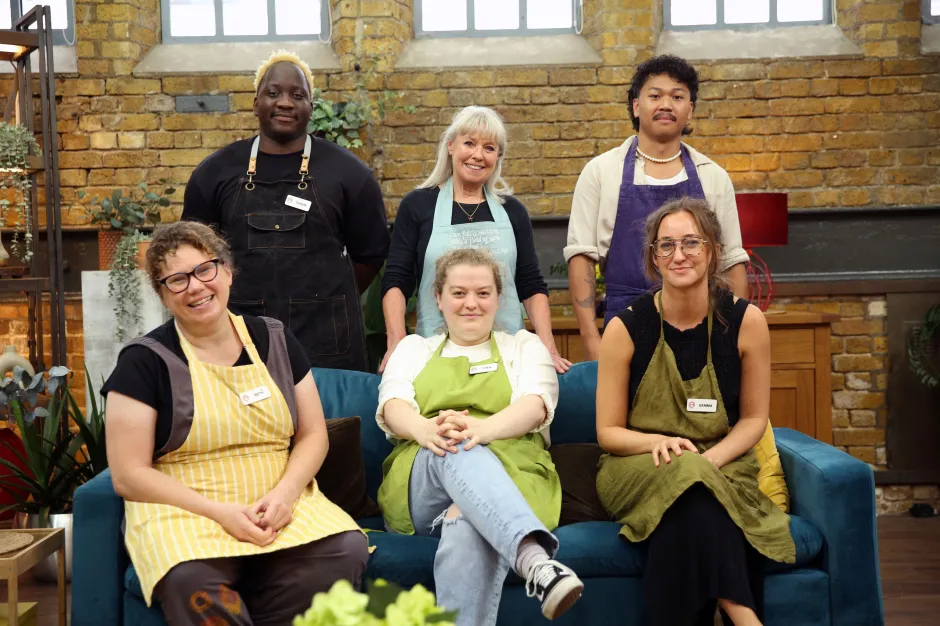
Viewers tuning in to the premiere of series 21 were met with an altered version of the show they knew. While the episodes had already been filmed before the presenters were officially removed, the tone and format appeared significantly changed. Six new amateur chefs stepped into the MasterChef kitchen, but the usual dynamic energy and camaraderie between Wallace and Torode were replaced by a far more restrained, tightly-edited presentation. Fans quickly noticed the hosts’ characteristic banter was almost entirely absent, replaced with measured, factual commentary focused solely on dishes and contestant backgrounds.
The lack of lighthearted interaction was especially jarring for loyal followers of the show, many of whom took to social media to express their reactions. On X (formerly Twitter), one viewer described the episode as “highly edited,” echoing the general sentiment that the producers had made deliberate attempts to sanitise the content in light of recent controversies.

At the heart of the scandal is a troubling series of complaints upheld against both Wallace and Torode. Wallace, 60, was dismissed from the programme on July 10, with the BBC citing “learned behaviour” as the reason for severing ties. It has been reported that more than 40 historical complaints were upheld against him, some dating back several years. Though some of the most serious allegations — including those involving well-known personalities like Kirsty Wark and Penny Lancaster — were dismissed, the broadcaster concluded that Wallace posed a reputational risk to the corporation. According to findings shared with the presenter, Wallace, who was diagnosed with autism during the investigation, was deemed unlikely to alter his behaviour moving forward.
Meanwhile, co-host John Torode also came under scrutiny after an allegation of racism was upheld during the internal probe. While the specific incident was reportedly several years old and involved a racial phrase being used once, Torode has denied any recollection of the event. Nevertheless, the sustained criticism surrounding both hosts led to widespread calls for accountability.
One of the most vocal figures in the public backlash is Sarah Shafi, a 57-year-old contestant from Leeds who had initially agreed to appear on the new season. Following the revelations and the decision by BBC to continue airing the series despite removing the presenters, Shafi requested to be edited out entirely. Speaking to The Guardian, she revealed that she had initially asked for the entire season to be scrapped, stating, “I didn’t say edit me out. I said: ‘Axe the show.’” She alleged that the show perpetuated an “enabling environment” and criticised institutional failures in addressing abuse and misconduct.
Shafi also recounted a “heated conversation” with a producer when she attempted to share her concerns, reflecting a broader frustration with how the matter was handled internally. Despite her strong stance, once the BBC confirmed that the series would go ahead as planned, she agreed to have her scenes removed.
The BBC has so far declined to comment directly on the claims raised by Shafi, and official representatives for MasterChef have remained silent in the face of the growing backlash.
In an explosive interview with The Sun, Wallace has fiercely defended himself, insisting that he is not a “groper, a sex pest, or a flasher.” He also spoke out in support of Torode, stating unequivocally, “He is not a racist.” Wallace criticised what he described as “reputation-damaging narratives” and accused unnamed prominent figures of abusing their positions of power. Nevertheless, his efforts to defend himself have done little to quell the public debate around the controversy or shift the BBC’s decision.

What was once one of Britain’s most beloved culinary competitions is now mired in reputational crisis. While series 21 may continue to air in its altered form, many fans and former participants argue that the programme’s spirit has been irreparably damaged. The controversy surrounding Wallace and Torode raises uncomfortable questions about institutional responsibility, the accountability of public broadcasters, and the often-delayed consequences of long-standing workplace culture.
As the BBC navigates the fallout and determines the future of MasterChef, one thing remains clear: the show will never be the same again. Whether the changes made will be enough to restore viewer trust is uncertain, but for now, a cloud of controversy hangs heavy over the once-celebrated franchise.
Related News:
 Farewell to a Cultural Icon: Malcolm-Jamal Warner Dies at 54 During Holiday in Costa Rica
 YouTube Surges Ahead as UK’s Go-To TV Choice for Children, Reshaping the Future of Broadcast Media
 Murder, Mischief, and Mystery: Cosy Crime Series to Watch Before The Thursday Murder Club Premieres
 A Love Remembered: Sir Michael Palin Reflects on Loss, Resilience, and the NHS’s Apology
 Heartbreak and Hardship at Diddly Squat: Jeremy Clarkson Faces TB Outbreak, Pup’s Death, Failing Crops, and Rising Theft Threats
 A Week of Grief and Resolve: Jeremy Clarkson’s Farming Nightmare and Yvette Cooper’s Emotional Fight Against Ninja Sword Tragedy
 Reunion in Mourning, Jack Osbourne Reflects on Estranged Bond with Sister Aimee as Family Gathers for Ozzy’s Funeral
 TV host Jay Blades faces charges on two counts of rape
 The Walking Dead’ Actress Kelley Mack Dies at 33
 Sean Hayes Reimagined: From Sitcom Stardom to Serious Stage Acclaim
 Love? Actually, No: Emma Thompson Reveals Donald Trump Once Asked Her on a Date
 Flashman and the Silver Screen: The Little-Known Hollywood Adventures of George MacDonald Fraser
 The Twisted Tale of Amanda Knox: When Retelling Justice Becomes Misguided Drama
 Millie Bobby Brown and Jake Bongiovi Begin Parenthood Through Adoption
 Chappell Roan Delivers Fairytale Spectacle at Reading Festival, Cementing Pop Stardom
 Peter Andre Praises Son Junior’s ‘Quiet Season’ Amid Ongoing Family Dispute
 Emma Heming Willis Speaks Openly on Bruce Willis’s Declining Health Amid Dementia Battle
 Kelsey Parker Opens Up About Heartbreak and Healing Following Stillbirth
 Warwick Davis Returns as Professor Flitwick in HBO’s Harry Potter Reboot Amid Expanding Cast
 September’s Must-See Films: From Spinal Tap II to Leonardo DiCaprio’s Latest Thriller
 Robert Redford: The Indispensable Patron of American Independent Cinema
 Watchdog, Cornflakes and Courage: Remembering John Stapleton, a Broadcaster Who Did It All
 Kerry Katona’s Heartfelt Regret Over Ricky Hatton’s Death
 ‘A Lot Juicier Than Downton Abbey’: The Real-Life Family Drama Behind New Netflix Show House of Guinness
 Dawson’s Creek” Cast Reunites for Special Broadway Benefit to Support James Van Der Beek
 Penny Lancaster Opens Up About Rod Stewart’s Cancer Battle and Her Own Silent Struggles
 Brad and Angelina’s Journey: Embracing Shiloh’s Identity While Protecting Childhood Privacy
 Bad Bunny Headlines Super Bowl 2026
 Must-Watch TV Shows This October
 Beloved Actress Dame Patricia Routledge Dies Aged 96
 BBC Eyes Defence Budget to Sustain World Service Amid Funding Crisis
 Karen Carney Shines on Strictly Come Dancing Week Two Despite Tango Wobbles
 Celebrity Traitors First Look: A Star-Studded Highland Adventure That Hooks from the Start
 Who is Ruth Codd? All about the Irish actress on Celebrity Traitors
 Academy Award-Winning Actress Diane Keaton Dies at 79
 Strictly Celebs Starstruck as Cynthia Erivo Shines
 Grange Hill Creator Criticises TV’s ‘Oxbridge Gang’ Rule
 Kaye Adams Yet to Receive Complaint Weeks After Suspension
 Dave Ball: The Unsung Genius Behind Soft Cell’s Bold Sound
 Netflix’s A House of Dynamite Hits Reality Walls
 Prunella Scales: From Fawlty Towers Icon to Beloved Canal Explorer
 Kate Winslet to Narrate Film Highlighting King’s Environmental Mission
 The upcoming book-to-screen adaptations I’m most excited about
 Meghan ‘to return to acting’ after eight-year hiatus
 Pauline Collins, Beloved ‘Shirley Valentine’ Star, Dies at 85
 I’m a Celebrity 2025 line-up revealed: Osbourne joins
 Lola Petticrew: ‘Calling it the Troubles minimises what it really was’
 Amber Davies Shines on Strictly – Time to Drop the West End Debate
 Boos, backlash and body horror: The story of Alpha
 TalkTV Fires Mike Graham Over Racist Facebook Post
 Pat Butcher Returns to EastEnders in Touching Dementia Storyline
 EastEnders icon Pat Butcher returns to Walford this Christmas
 Wuthering Heights: bold new trailer for Emerald Fennell’s epic adaptation
 The Devil Wears Prada 2 teaser trailer revealed

 Yungblud Pauses Tour Over Health Concerns, Apologises to Fans
Sky Sports Shuts ‘Halo’ TikTok Channel After Sexism Backlash
Yungblud Pauses Tour Over Health Concerns, Apologises to Fans
Sky Sports Shuts ‘Halo’ TikTok Channel After Sexism Backlash
 SS Rajamouli Announces ‘Varanasi,’ a Mythic Time-Travel Epic
 Tom Cruise Receives Honorary Oscar, Celebrates Cinema
 The Lasting Legacy of Seven: Crime, Morality, and Urban Decay
 Two Judges Quit Miss Universe Amid Allegations of Rigged Competition
 New Miss Universe Crowned Amid Controversy in Thailand
 Director Michael Caton-Jones Reflects on Career and Beginnings
 Bill Murray Terrified Wes Anderson but Became His Closest Collaborator
 Karen Carney Stuns on Blackpool Week, Deserves Strictly Final
 Prisoner 951 Review: arrowing Retelling of Nazanin Zagharz-Ratcliffe
 Robert Irwin Claims Dancing with the Stars Crown
 Rosalía Inspires Young Listeners to Discover Classical Music
 Belfast’s Elle Vosque finishes runner-up on Drag Race UK