Published: 06 April 2026. The English Chronicle Desk. The English Chronicle Online.
The clock has struck the start of the sixth week of conflict. What began as a boastful promise of swift precision has now become a nightmare. The American public was told this would be an overwhelming campaign to stop nukes. Instead, we see a region in total chaos and a mission without an end. Gulf nations are now facing daily retaliatory strikes from Iranian forces and missile units. The vital Strait of Hormuz remains shut to the world as global energy markets reel. No sign of a regime collapse has appeared despite the heavy American military pressure applied. The White House celebrates the rescue of two downed pilots with desperate, loud fanfare. They do this because almost nothing else is actually going to plan right now. This failure is rooted in a toxic mix of extreme hubris and deep ignorance. These flaws are made worse by the unique nature of the current Iranian regime. There is always a strange mental lag at the start of every new war. People struggle to accept that a conflict cannot be easily or quickly contained. This cognitive delay lasts even longer when the United States is the primary actor. Many find it impossible that a superior military would not achieve its main goals. They cannot imagine an inferior power refusing to succumb to such massive, daily force. They assume allies will simply fall into line and support every single American move. It is a fantasy to think war impacts only the specific targets being bombed. None of the predicted success scenarios have actually come to fruition for the president. This conflict is currently rattling every major energy market across the entire global map. Financial experts are now forecasting a rare and deep global economic recession very soon. Donald Trump has failed to recruit European or Gulf allies for this offensive push. The Iranian regime remains unvanquished while inflicting high costs on American personnel and gear.

These are all massive misreadings based on an overconfidence in the American political will. When the first bombs fell, supporters were gripped by the thrill of American power. The New York Post called this war a generational move for the whole world. The Wall Street Journal said it had the potential to reshape the entire region. Those who expressed any reservations were told to get their act together by hawks. Bret Stephens told readers the war would surely be over within a single month. It was not over, and his confidence now looks like a very grim mistake. The mental lag is over and the world is finally catching up to reality. Talk has shifted toward the word quagmire and how to find a face-saving exit. The question is no longer about speed but about how this fire eventually ends. We are seeing that Iran has complex dynamics that cannot be flattened into stories. The war was built on a simple story of a weak, creaking government structure. The first mistake was underestimating Iran’s appetite for a long and very messy fight. They do not need a massive military to paralyze the vital interests of the West. They can suspend normal life and compromise energy facilities with very low-cost weapon systems. A barrage of cheap drones and missiles has achieved what the Pentagon deemed impossible. The second mistake was the bizarre expectation that Iran would not close the strait. This was always their most valuable weapon and they have used it with precision. Even during the brief skirmishes last year, this threat was the main regional concern. The third mistake was expecting a popular uprising to take place during a bombing. People do not usually run into the streets to protest while missiles are falling. The government has already shown it will kill protesters to maintain its grip on power. External attacks often polarize public opinion and lead to a rally around the flag. Civilian infrastructure has been struck, which only adds to the local anger and the pain. These miscalculations flow from a failure to understand the regime’s high capacity for pain. They can endure prolonged escalation without a clear path to a traditional military victory. The American leadership finds this concept inconceivable because they view power through a different lens. Much of the politics of the region has been defined by following American leadership. For forty years, the Arab world has focused on domesticating itself to US interests. By doing this, they gained access to security umbrellas and vast American economic aid. Iran sees these neighbors as fair game because they host many American military bases. They view them as proxy powers and participants in a war against their own sovereignty. The United States was lulled into a sense that all roads lead to surrender. They believed everyone would eventually capitulate to the supremacy of the massive American military. This logic does not apply to a country that has different ways of calculating. Iran has survived under heavy sanctions and blockades for many decades of its history. They have created a tactical way of living where power is about staying alive. Their proxy groups, like the Houthis and Hezbollah, provide them with deep regional reach. They can advance their interests far beyond their own borders to prevent total isolation. Trump is fighting an adversary that he does not understand due to his ignorance. It is an anomaly of a regime that has constructed its own framework of success. Success for them is simply maintaining viability on their own terms against a hegemon. The war has lasted longer than intended because the definitions of victory are different. One side wants total dominance while the other side simply refuses to go away quietly. This clash of philosophies has led to a stalemate that threatens the entire world order. The costs are rising every day for every nation involved in this tragic, avoidable conflict. As the sixth week begins, the world watches to see if anyone can stop it. The tragedy is that the ignorance of one leader has set the world ablaze. We are left wondering how many more weeks this chaos will be allowed to continue. The lessons of history are being ignored in favor of headlines and empty political promises. It is a dark time for diplomacy and a dangerous time for the global economy. The fires in the Middle East show no sign of being extinguished any time soon. We must hope that reason prevails before the damage becomes truly permanent for us all. Trump’s war is a lesson in the dangers of ignoring the complexity of enemies. Every day the war continues, the myth of easy American intervention dies a little more. The world is changing, but the White House seems stuck in a very old play. Only time will tell if a peaceful path out of this dark forest exists. For now, the missiles keep flying and the price of oil keeps climbing higher still. It is a heavy price to pay for a war that should never happened.
Related News:
 Middle East Flights Halted After Iran Strikes
 US Iran Operation: Sixth Service Member Killed
 Hezbollah Anger Erupts as War Returns to Beirut
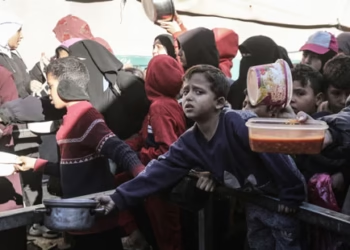 Gaza Siege Deepens as Iran War Escalates
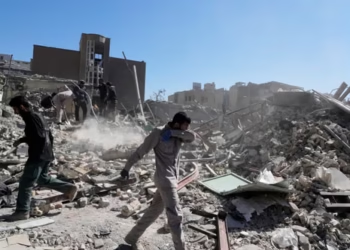 Riyadh Drone Attack Escalates Regional War
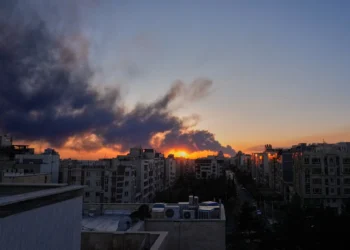 Middle East attacks intensify as Trump rejects Iran talks
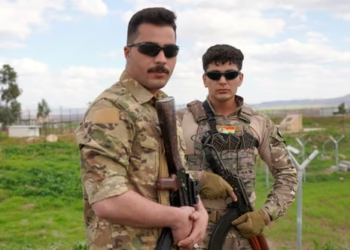 Iran-Iraq border airstrikes spark new tensions
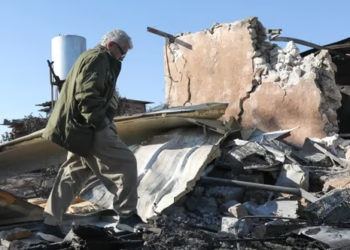 Iran-Iraq Border Strikes Spark New Front Fears
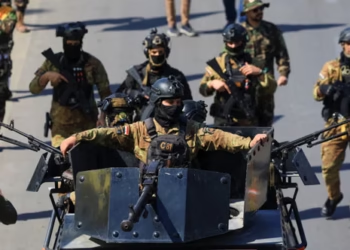 Iran-Backed Militias Escalate Attacks Across Middle East
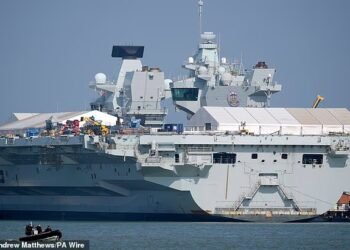 UK Prepares Aircraft Carrier for Middle East Crisis
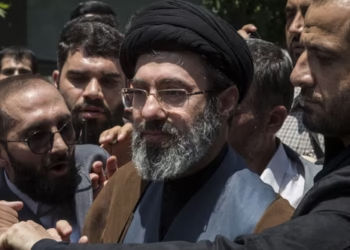 Mojtaba Khamenei Chosen as Iran’s New Supreme Leader
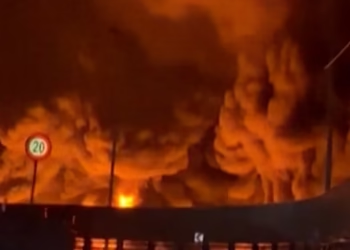 Tehran Oil Depot Strikes Darken City With Toxic Smoke
 Seventh US Service Member Killed in Iran Conflict Identified
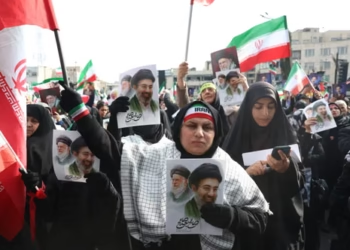 Mojtaba Khamenei Supporters Rally as Iranians Fear Repression
 Tehran Strikes Mark War’s Most Devastating Night
 Iran Defiance Grows Amid US-Israel War Pressure
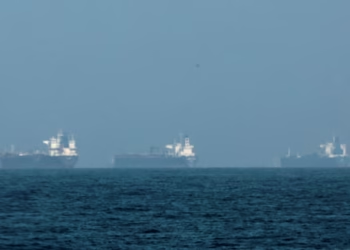 Hormuz Crisis Sparks Global Oil Market Fears
 Iranian Exile Factions Seek US Backing for Iran’s Future
 US-Israeli Strategy Shifts to Plan B in Iran War
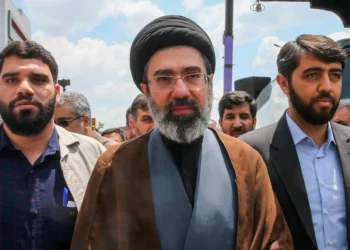 Injured Mojtaba Khamenei Elevated as Iran Leader
 US Missile Strike on Iran School Sparks Global Shock
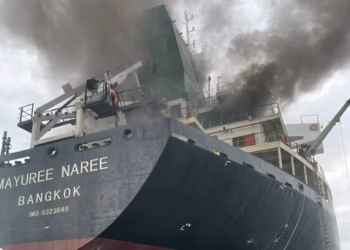 Iran Gulf attacks escalate as ships and airports targeted
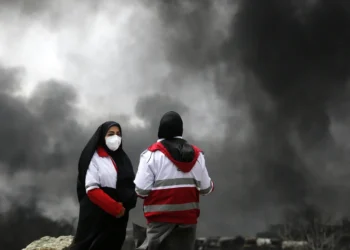 Iran Conflict: Trump’s Uncertain Path and Diplomatic Off-Ramp
 Ancient Heritage Sites Damaged in Recent Airstrikes
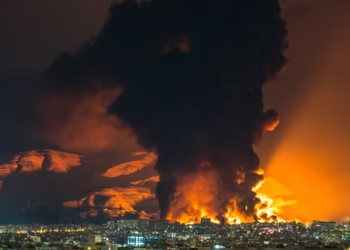 Tehran Diary: Dark Days Under Relentless Bombardment
 British Tourist Charged Over Dubai Missile Strike Video
 Gaza Detainee Abuse: Israel Drops Charges Against Soldiers
 Trump Iran War Stance Hardens as Conflict Widens
 Lebanon Ground Campaign Raises Occupation Fears
 Gulf Tensions Rise as Iran Alleges Covert Support
 Kabul hospital strike sparks deadly blame row
 Iran Threatens Total Destruction of Mideast Energy Grid
 Ghalibaf Iran: Survivor Emerges in Shifting Power Game
 Gulf Distrust Grows Over Rumoured US-Iran Peace Talks
 WHO Warns of Health Crisis Unfolding in Middle East
 Saudi Arabia Urging US to Keep Up Iran Attacks
 Iranian President’s Son Shares Wartime Hopes and Fears
 Iran Warns of US Ground Assault Amid Rising War Tension
 MAGA Anxiety and the Iran War: A Movement Divided at CPAC
 Trump Threatens Iran With Total Infrastructure Destruction
 Iran Drone Strike Hits Kuwaiti Oil Tanker in Dubai Port
 Albanese to Address Nation as War Sparks Economic Crisis
 Death, displacement and military duties: children plunged into crisis
 Beirut Under Fire: Massive Israeli Strikes Shaking Lebanon
 Middle East Analysis: The Cost of a Fragile Peace
 Lebanon Must Join Ceasefire to Prevent Escalation, Says Cooper
 Israel Launches Massive Airstrikes Across Lebanon
 Netanyahu Vows Continued Lebanon Strikes Amid Peace Talks
 Iran Crisis Tests Trump’s Global Leadership
 US and Iran Pursue Extension of Ceasefire via Pakistan
 Uncertain Peace: Tehran Residents Face a Ruined Capital
 Aid Crisis Grows as Hormuz War Disrupts Supply
 Trump likens US Navy actions to ‘pirates’
 Global order shifts amid Trump-era turmoil
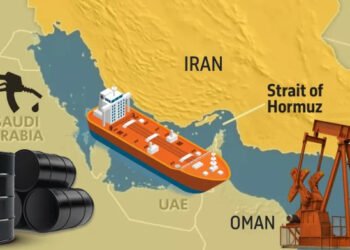 Middle East Crisis Escalates as Oil Routes Shake Markets
 Tensions Emerge in Netanyahu-Trump Alliance
 Trump Rejects Tehran Peace Plan as Regional Truce Crumbles
 Netanyahu Calls Early Election Amid Coalition Turmoil
 Tensions Flare as Israeli Nationalists March in Jerusalem
 Gulf Crisis Deepens After Drone Attack Near Nuclear Facility
 Global Flotilla Intercepted in International Waters
 Israeli Strikes in Lebanon Kill 10 Amid Ceasefire Strain
 Hunger increasingly weaponised in global conflicts
 Former ICC prosecutor condemns US sanctions
 Trump Claims Iran Peace Deal Near Completion
 US Strikes Iranian Sites Amid Shaky Ceasefire Talks
 Israel Intensifies Lebanon Strikes to Crush Hezbollah
 Trump’s Iran Deal Plan Sparks Intense Alarm Across Israel
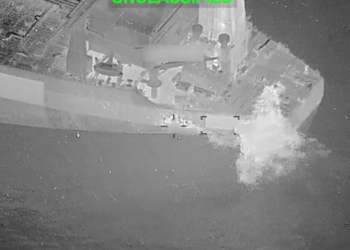 US and Iran Trade Fresh Strikes, Threatening Ceasefire
 Trump Confronts Netanyahu in Explosive Beirut Phone Call
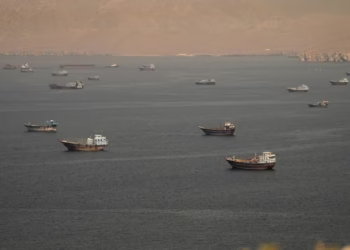 Iran To Propose New Shipping Fees In Strait Of Hormuz
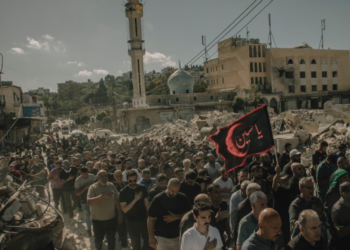 Grief and Devotion Amidst the Rubble of Nabatieh
 High Drama in Tehran Over Secret Nuclear Letters
 Houthis Strike Saudi Arabia as Middle East Tensions Rise
 BBC to Apologise Over Edited Trump Speech Amid Backlash
 Greene Pushes Epstein Files Amid Trump Fallout
 Zelenskyy Signs Fighter Jet Deal Amid Russian Drone Attacks
 Shadow Fleet at Sea: Europe’s Battle Against Illicit Oil Shipping
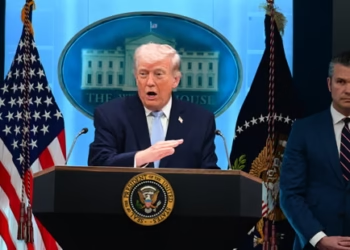 Trump and Tehran Find Common Ground in Landmark Ceasefire
 Scepticism and tight security as Beijing braces for Trump