Published: 13 April 2026. The English Chronicle Desk. The English Chronicle Online.
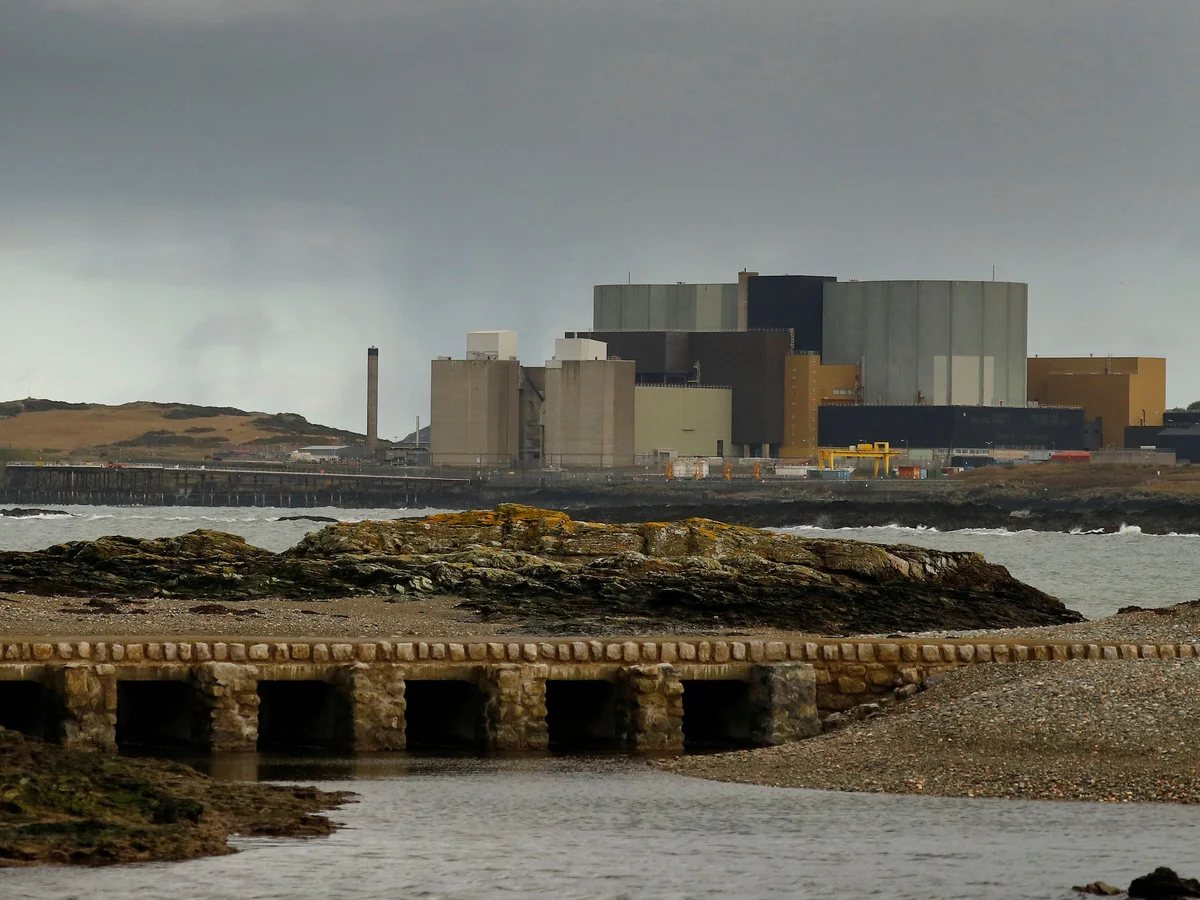
The British energy landscape experienced a seismic shift today as Rolls-Royce secured a massive investment. This funding represents a significant milestone for the development of small modular nuclear reactors in Britain. The National Wealth Fund has committed up to five hundred and ninety-nine million pounds to this project. Such a substantial financial injection aims to accelerate the deployment of cutting-edge technology across the nation. This partnership signals a robust commitment to revitalizing the domestic nuclear industry through modern engineering solutions. Officials believe this move will place the United Kingdom at the forefront of global energy innovation. The investment specifically targets the design and implementation of reactors at the historic Wylfa site. This location on the island of Anglesey has a long and storied history with nuclear power. Local communities in North Wales are expected to benefit greatly from this renewed industrial focus. The project promises to bring high-quality employment opportunities back to this strategically important coastal region.
Small modular reactors represent a radical departure from traditional large-scale nuclear power station construction methods. These units are designed to be manufactured in factories and then transported to their sites. This innovative approach aims to drive down costs while significantly speeding up the installation process. By utilizing factory conditions, engineers can maintain higher quality control and avoid common construction delays. The industry hopes these reactors will provide a more flexible and affordable energy solution for Britain. Rolls-Royce has been working tirelessly to perfect this technology for several years with great success. The company remains the preferred developer for the government in this highly competitive technological race. This latest deal provides the contractual certainty needed to begin the next phase of development. It allows the engineering teams to transition from theoretical designs to practical on-site preparations immediately. The scale of this ambition reflects the urgent need for a stable and clean power supply.

The history of the Wylfa site adds a layer of significance to this recent announcement. The original power station generated electricity for the nation from nineteen seventy-one until fifteen. After its closure, various attempts were made to revitalize the site with new nuclear infrastructure. Hitachi previously attempted to build a major station there but faced significant financial and political hurdles. Those plans were ultimately abandoned in twenty-twenty after failing to reach a viable funding agreement. The site was later purchased by the state-owned Great British Energy Nuclear in twenty-twenty-four. This acquisition paved the way for the current partnership between the government and Rolls-Royce. Now, the island of Ynys Môn is set to become a hub for next-generation technology. The return of nuclear investment is seen as a vital spark for the local economy. Many residents hope this project will provide long-term stability for families in the surrounding area.
Chancellor Rachel Reeves expressed her strong support for this landmark investment during a press briefing today. She emphasized that the funding would strengthen national energy security and create many skilled jobs. The government believes this homegrown technology will power the British economy for many decades to come. This strategy aligns with broader goals to achieve a sustainable and carbon-neutral energy grid. Labour has fully embraced nuclear energy as a cornerstone of their long-term environmental and industrial policy. They view small modular reactors as a way to generate power without harmful carbon dioxide emissions. Beyond domestic use, there is a clear ambition to create a thriving new export industry. British-made reactors could eventually be sold to international partners seeking reliable and clean energy sources. This vision positions the United Kingdom as a global leader in the green industrial revolution. The potential for international trade adds a lucrative dimension to this domestic energy project.
The National Wealth Fund expects this investment to create approximately one thousand new jobs at Rolls-Royce. These roles will range from high-level engineering and research to specialized manufacturing and site management. Such a boost in employment is a welcome prospect for the UK’s post-industrial landscape. The fund operates independently from the Treasury while remaining focused on driving growth in clean industries. Based in Leeds, the fund was established in twenty-twenty-four to support strategic national infrastructure projects. This loan to Rolls-Royce SMR is one of its most significant commitments to date. The agreement stipulates that the loan will be repaid through future deployment or refinancing stages. This financial structure ensures that the taxpayer sees a return on this vital initial investment. It creates a sustainable model for funding high-stakes technological advancement in the private sector. The partnership demonstrates how public and private sectors can collaborate for the national interest.

Tufan Erginbilgiç, the chief executive of Rolls-Royce, hailed the deal as a critical milestone for the company. He described the current era as the beginning of a golden age for new nuclear power. This contract provides the necessary stability to unlock a global fleet of modular reactor units. Rolls-Royce already employs over one thousand people dedicated specifically to this innovative nuclear technology department. Their work is not limited to the United Kingdom, as they have international interests too. The company is currently working to install similar technology at Temelín in the Czech Republic. This international reach proves that British engineering is still highly valued on the global stage. Partners such as the Qatar sovereign wealth fund and BNF Resources support the business venture. The inclusion of Czech utility CEZ further highlights the collaborative nature of this modern energy race. These diverse partnerships provide a strong financial foundation for the ambitious goals of the company.
Tom Greatrex of the Nuclear Industry Association also welcomed the news with great enthusiasm and optimism. He called the deal a historic step for clean power and industrial growth in Wales. This project marks the beginning of an exciting new phase for the people of Anglesey. Thousands of jobs are expected to be created across the wider supply chain in Britain. This ripple effect will likely stimulate growth in various sectors related to construction and engineering. Beyond economics, the project provides a reliable source of low-carbon power for the entire country. Ensuring a steady supply of electricity is essential for national stability in an uncertain world. The transition away from fossil fuels requires dependable baseload power that nuclear energy can provide. Small reactors offer a versatile way to complement renewable sources like wind and solar power. This balanced approach is seen as the most realistic path toward a greener future.
The immediate start of work on the reactors signals a sense of urgency in Whitehall. The government is keen to show progress on its promises of industrial renewal and energy independence. By choosing Rolls-Royce, they have backed a venerable British institution with a proven engineering record. The transition from jet engines to nuclear reactors showcases the incredible versatility of the company. As the project moves forward, the eyes of the world will be on North Wales. Success at Wylfa could lead to a rapid rollout of similar reactors across the country. This would transform the way Britain thinks about its power infrastructure and local energy production. The integration of factory-built units could revolutionize the global energy market within the next decade. For now, the focus remains on delivering these first units safely and efficiently for the public. The journey toward a nuclear-powered future has taken a massive and definitive step forward today. This investment ensures that the lights stay on while the carbon footprint continues to shrink.
Related News:
 Reeves Faces Setback as Labour May Miss Homes Target
 Virgin Trains Moves Closer to Challenging Eurostar Monopoly
 Trump’s UK Ambassador Urges North Sea Drilling to Strengthen US Ties
 Ryanair Chief UK Economy ‘Doomed’ Under Labour
 M&S Profits More Than Halve After Cyber-Attack
 Earl of Yarmouth Faces £1.3m Legal Bill Over Family Estate
 Millionaires group urge Reeves to introduce wealth tax to ‘lift kids out of poverty’
 From Lego to Pokémon: How Adults Are Driving UK Toy Market Growth
 New laws to bolster UK’s defences against cyber attacks on NHS, transport and energy
 Canada Passes Carney’s First Budget in Tight Parliamentary Vote
 Starmer Says Labour’s Economic Plan Needs Years to Deliver
 Virgin Media Fined £23.8m Over Telecare Safety Failures
 Starmer Faces Parliamentary Battles Over UK-EU ‘Reset’ Plan
 Reeves Pub Business Rates U-Turn Calms Labour Revolt
 ScottishPower Tops List of Worst UK Energy Suppliers
 Markets Slide As Gold Rally Signals Risk From Trump Greenland Tariff Plan
 UK Eyes Global Investment with Visa Fee Refunds
 City & Guilds pay surge sparks backlash amid £22m cuts
 UK Inflation Hits 3.4% in December, Ending Five-Month Decline
 Trump Fed bid heads to Supreme Court
 ‘Black Tax’: Burden, Pride and Survival for African Workers
 AI job losses UK: Britain faces sharper employment shock
 India-EU Free Trade Deal Marks Historic Economic Shift
 EU Signals Open Mind on UK Customs Union Talks
 Telstra AI jobs cuts as automation drive expands
 BT Names New Openreach Chief Amid Major Fibre Expansion
 UK Banks Plot Payment Backup Amid Trump Fears
 UK Unemployment Rate Climbs to 5.2% Peak
 UK shelves £110m border project amid trade strain
 Aston Martin Cuts 20% Jobs Amid £363m Loss
 Switching Energy Deal Can Save £200 as Price Cap Falls
 Rachel Reeves Faces Middle East Conflict Test
 Grocery Inflation Rises Amid War Fears
 BrewDog sold Highland estate for knockdown price after abandoning reforestation plans
 UK Energy Reform Could Cut Bills by £200
 Rising Costs Force Families to Rethink Days Out
 Oil Slides, Stocks Jump on Trump Peace Signals
 UK inflation held at 3% before global energy price hit
 Ticketmaster Fees Rise Despite Recent US Junk Fee Crackdown
 M&S Demands Urgent Action on Rising Violent Retail Crime
 New Era for Sick Pay as Millions Gain Critical Rights
 Oil Prices Surge as Trump Issues New Deadline to Iran
 US and Iran Agree to Two-Week Provisional Ceasefire
 Stefano Gabbana Resigns as Chair of Italian Luxury Giant
 IMF Warns Iran War Could Spark Deep Global Recession
 Trump Rate Cuts Risk ‘Banana Republic’ Status, Says Yellen
 Primark Set for Independence from ABF Food Giant
 Australia’s Economic Anxiety: Is a Recession Looming?
 Lords Demand Larger Fiscal Buffers for UK
 $13bn World Cup Set to Break All Revenue Records
 Trump approval plunges amid Iran war fears
 Heathrow Chair Seeks Peace to Save Third Runway
 Tough Fiscal Realities Await Next Scottish Government
 US Awaits Iran Reply on New Ceasefire Proposal
 Aramco Surges as East-West Pipeline Counters Gulf Tensions
 Big Tobacco Under Fire Over Controversial New Ad Campaign
 High Street Crisis: Fears Grow Over Post Office Closures
 UK Firms Freeze Spending as Iran Conflict Bites
 Summer Shock: British Energy Bills Set for Grim July Hike
 Reeves to Fast-Track Clean Energy Amid Iran Crisis
 EasyJet Bookings Dip as Middle East Conflict Looms
 Oil Markets Face ‘Red Zone’ Threat Amid Iran Crisis
 Belfast Approves Pilot Extension of Sunday Trading Hours
 Albanese Defends Tax Reforms Amid Emotional Speech
 Tube Strike Brings Capital to a Standstill Over Shift Disputes
 BP Stands Firm on Amanda Blanc Amid Boardroom Storm
 UK House Prices Drop For Third Month Due To War Fears
 Top Chefs Back Andy Burnham to Save UK Hospitality Sector
 GSK Secures Landmark $10.6bn Deal for Nuvalent
 UK Economy Suffers a Sharp Downturn as Iran Conflict Bites
 AI Scams Push UK Investment Fraud Past £220m
 Rethinking the Blueprint for Youth Employment in Britain
 Sainsbury’s Boss Optimistic As Grocery Inflation Eases
 UK Households Suffer Squeeze As Disposable Incomes Drop
 Creditors Eye Thames Water Even Under Nationalisation
 Record £28m Fine for Virgin Media Over Cancellation Woes
 Jet2 Sees Summer Surge Despite Global Tensions
 Ukraine Creates Long-Range Strike Command
 BBC Faces Real Jeopardy as Licence Fee Income Declines
 Thames Water Future Remains Uncertain Amid Funding Crunch