Published: 23 April 2026. The English Chronicle Desk. The English Chronicle Online.
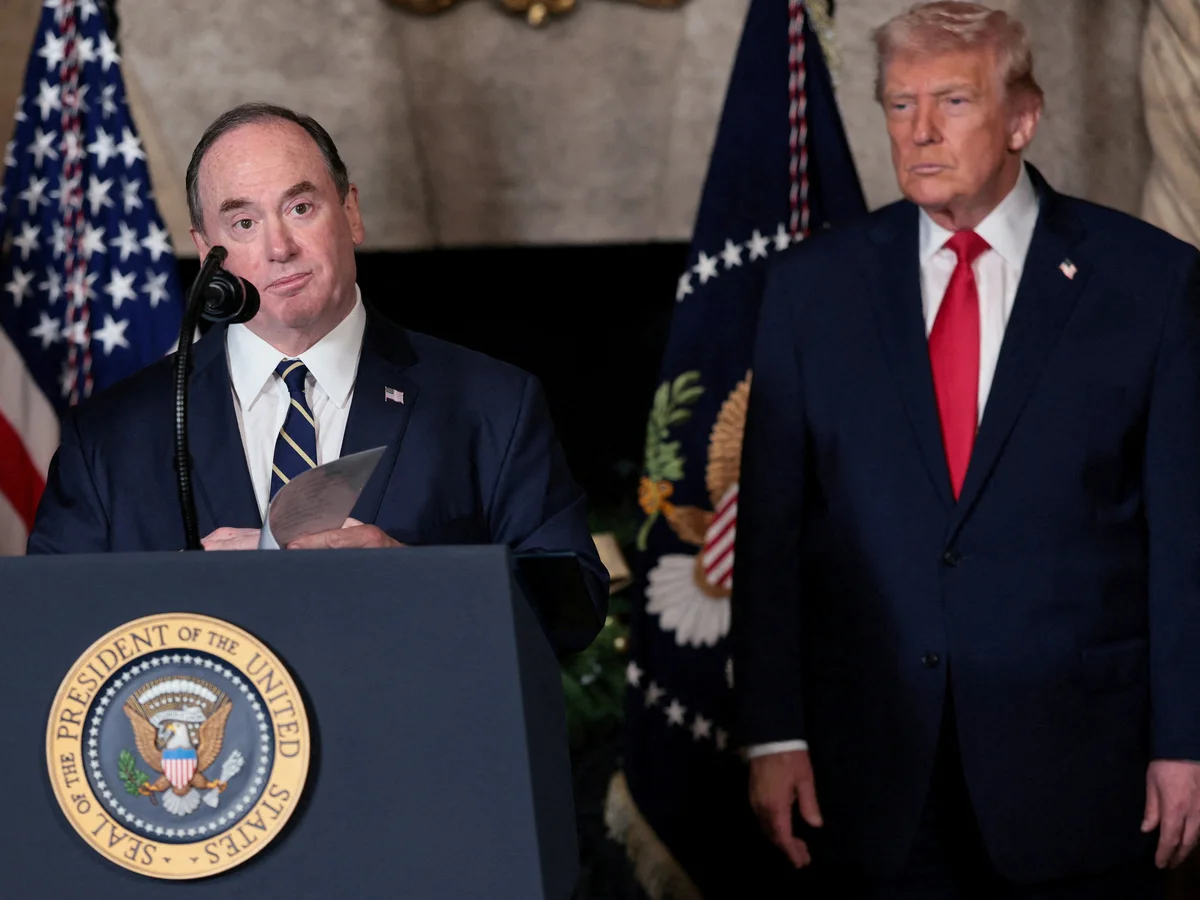
The United States Pentagon announced a significant leadership transition within the naval command structure on Wednesday. This major personnel change involves the sudden departure of the navy’s top civilian official, John Phelan. Mr. Phelan served as the secretary of the navy until his exit was confirmed by the government. The official statement regarding this transition was shared widely through various digital social media channels. Sean Parnell, a prominent Pentagon spokesperson, issued the formal announcement on behalf of the defense leadership. The brief statement declared that Mr. Phelan was departing the current administration effective almost immediately today. This unexpected development occurred while the United States maintains a complex naval blockade in the strait. The strategic waterway remains a critical focal point for global energy security and international maritime trade. Officials have not provided a specific reason for the abrupt departure of the former navy secretary.
Following the announcement, the department moved quickly to fill the vacancy with a new interim leader. Hung Cao, who previously held the position of navy undersecretary, will now serve as acting secretary. Mr. Parnell confirmed this immediate appointment to ensure continuity during this volatile and challenging operational period. Many industry observers suggest that Mr. Phelan had faced increasing friction with other senior defense officials. Reports indicate that his working relationship with defense secretary Pete Hegseth had become notably strained lately. Sources close to the situation described a growing misalignment regarding key naval policy and administrative initiatives. Several news organizations have reported that the secretary was actually fired by the Pentagon on Tuesday.

This leadership adjustment arrives at a time of heightened regional tension across the Middle East waters. The United States navy continues to enforce a naval blockade directed at various Iranian maritime ports. This high-stakes operation began in mid-April following the collapse of recent peace negotiations held in Islamabad. The military mission aims to strictly regulate vessels moving toward and departing from designated Iranian coastal zones. Central Command has deployed thousands of personnel along with many warships and aircraft to support enforcement. The naval blockade has already resulted in the interception of numerous vessels attempting to transit through. Several cargo ships have been detained while others have successfully bypassed the established military patrol lines.
President Donald Trump recently asserted that these maritime restrictions are causing substantial financial pressure on the Iranian state. The administration claims that the blockade costs the target nation hundreds of millions of dollars every day. In retaliation, regional forces have attempted to disrupt commercial shipping operations within the sensitive strait zone area. The situation remains fluid as military commanders monitor daily movements near the critical and narrow waterway. The appointment of an acting secretary suggests the administration intends to maintain a firm strategic posture. Leadership changes within the military branches have become a recurring theme during the current presidential term.
Critics and political observers have noted a consistent pattern of personnel turnover across the entire defense department. Since the beginning of last year, several top generals and senior officers have left their respective posts. These departures have included leaders from the army, the air force, and the national security agency. Defense secretary Pete Hegseth maintains that these moves are necessary to align leadership with the presidential vision. However, some lawmakers have expressed concern regarding the potential for politicization within the traditionally neutral military. The sudden removal of the navy secretary represents the latest chapter in this broad institutional reorganization.
As acting secretary, Hung Cao brings a background as a retired naval officer with combat experience. He previously served in various assignments throughout his long career within the maritime military branch today. Supporters highlight his operational history as a potential asset for managing the ongoing crisis in the strait. The department faces significant pressure to manage the blockade while maintaining stability across the wider Indo-Pacific region. Maintaining command cohesion is vital as the administration pursues its stated objectives in the Persian Gulf. International allies are watching these developments closely to gauge future American commitment to regional security operations.
The maritime sector remains particularly concerned about the long-term implications of these enforced shipping restrictions and closures. Industry groups have warned that persistent instability could lead to significant spikes in global energy commodity prices. Insurance markets are currently recalibrating the risks associated with moving cargo through the tense and narrow waterway. The Pentagon continues to reiterate its commitment to protecting the freedom of navigation for all commercial vessels. How the new acting secretary navigates these challenges will likely define his short tenure in the office. The administration expects a seamless transition as military operations continue without any pause in the maritime blockade. Observers expect further clarification on the strategic direction from the White House in the coming days ahead.

The coming weeks will likely reveal whether these leadership changes influence the operational tempo of the naval blockade. Strategic communication from the Pentagon remains focused on maintaining absolute control over the vital regional maritime chokepoints. Meanwhile, diplomatic efforts to manage the crisis appear to be on hold until further notice from officials. The global community remains deeply invested in the outcome of this ongoing and high-stakes naval standoff. For now, all eyes remain fixed on the strait as the United States navigates its complex security challenges. The path forward for the navy depends heavily on the effectiveness of its newly appointed civilian leadership team.
The rapid nature of this personnel change highlights the administration’s focus on decisive action in national security. This approach has clearly reshaped the upper echelons of the American defense establishment in a short time. Every transition within the Pentagon sends a signal to both allies and adversaries regarding current policy priorities. The departure of Mr. Phelan is merely the latest indicator of a broader shift in governance style. As the situation in the Persian Gulf persists, the demand for clear and consistent military leadership grows. Whether this change yields the desired strategic outcomes remains a question for the international policy community later.
Related News:
 Capitol Attack Anniversary Sparks Deep Political Divide
 Saudi Officials Report Zubaidi Flee Before Yemen Peace Talks
 UK Targets in New York Bomb Threat Hoax: Man Jailed
 Gambia Supreme Court Hears Case to Overturn FGM Ban
 Trump targets Iran trade with 25% tariff warning
 Rudd successor: Defence chief and former ministers considered
 US Senate rejects resolution limiting Trump military powers
 Venezuela regime claims release of political prisoners signals new era
 Gulf states warn Trump Iran strikes risk wider Middle East war
 Machado Trump medal gesture reshapes Venezuela power struggle
 Greenland defence seen as shared Nato duty amid troop arrivals
 Geopolitical football: Iran, Trump and the World Cup clash
 Canada-China trade gains momentum in new strategic partnership
 Trump Receives Machado’s Nobel Medal in White House Meeting
 Syria President Declares Victory as Ceasefire Reached with SDF
 US Considers Asylum for British Jews Amid Rising Antisemitism
 Trump slams UK ‘stupidity’ over Chagos Islands, eyes Greenland takeover
 Trump Tightens Grip on EU and UK Energy Supply
 Shinzo Abe’s killer receives life sentence in Japan
 China General Under Investigation Amid Leadership Purge
 Philippines ferry disaster leaves 15 dead, dozens missing
 Cambridge Faces Scrutiny Over Arms Investment Transparency
 Epstein UAE Emails Shake British Royal Andrew’s Legacy
 Christchurch gunman seeks to vacate guilty plea
 Liberal Fallout: Taylor Challenge Casts Shadow Over Sussan Ley’s Leadership
 Infantino Faces Russia Threat and Trump Concerns at Uefa Congress
 Concerns rise for Canberra boy amid Iran detention fears
 Caribbean Leaders Urge Dialogue Amid US Oil Embargo on Cuba
 Anthony Albanese Must Uphold Rights for All Australians
 Ukraine Sends Drone Experts to Defend US Bases in Jordan
 New Zealand Covid Response Praised Despite Lingering Scars
 Abramovich Chelsea Sale Cash Faces Jersey Probe
 Yvette Cooper: UK Must Follow Principles, Not US Pressure
 US Strike on IRIS Dena Strains Strategic Indian Security Ties
 Slovenia Election: A Nation at a Crossroads
 Jury Rules Meta and YouTube Liable for Addictive Design
 Saudi Arabia Urging US to Keep Up Iran Attacks
 Trump Softens Cuba Oil Stance as Russian Tanker Nears
 The Woman Guarding Earth From the Threat of Asteroids
 IMF Predicts Global Economic Crisis Due to Gulf Unrest
 California Defies Trump With Strict New AI Standards
 Germany Grapples With AI Abuse Following TV Star Scandal
 Exiled Tycoon Warns of New Russian Attacks on UK Soil
 Labor Under Fire Over Stalled University Fee Reform
 LA 2028: Millions of Affordable Olympic Tickets Announced
 Trump Slams Europe as Transatlantic Tensions Boil Over
 Inside the Deceptive Machine: A Former Producer Speaks Out
 Italy Faces Third Successive World Cup Absence After Loss
 Starmer Urges Ambitious EU Ties Amid Middle East Conflict
 Spain Faces Backlash Over Xenophobic Chants in Egypt Draw
 A Global Voice For Justice: Stephen Lewis Dies At Age 88
 Trump Issues Stark Warning After Strike On Iran’s Largest Bridge
 Hope and Fear as Iranians Flee Across the Turkish Border
 Tragic End to Outback Search as Floods Claim a Life
 Ben Roberts-Smith Arrested Over Alleged War Crimes
 Reform UK Pledges To Halt Visas Over Reparations Demands
 US and Iran Agree to Two-Week Provisional Ceasefire
 Starmer visits Gulf as US and Iran agree ceasefire
 Gaza Child Arrives in UK for Life-Changing Care
 Israel Defies Ceasefire as Lebanon Operations Persist
 Pakistan Brokers Historic Peace Deal Amid Rising Tensions
 Netanyahu Vows Continued Lebanon Strikes Amid Peace Talks
 UK Holds Firm on Strait of Hormuz Amid Trump Pressure
 Rory McIlroy Eyes New Horizons After Masters Defence
 Trump Signals Hope for New Iran Talks as Ceasefire Fades
 Reeves Slams Trump Over Iran War Lack Of Exit Plan
 US and Iran Pursue Extension of Ceasefire via Pakistan
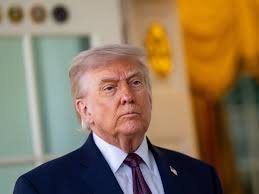 Trump’s Islamabad Gamble: The High Stakes of a New Iran Deal
 Wall Street Hits Historic High Amid Hopes for Iranian Peace
 Ian Katz to Step Down as Channel 4 Content Chief
 Middle East Conflict Risks UK Food Supply Chains This Summer
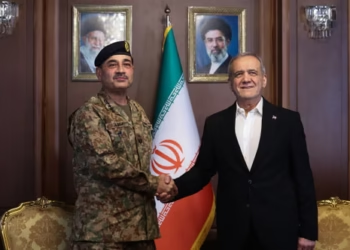 The General’s Gambit: Pakistan’s New Role in Global Peace
 England Eye Landmark 500th Game Glory in Iceland
 Mexico, Spain and Brazil call for Cuba dialogue amid crisis
 US Forces Seize Iranian Ship Near Hormuz Blockade
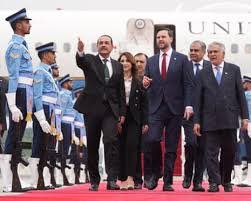 Pakistan’s Ambitious Bid for Middle East Peace
 Trump Starts $166bn Tariff Refund Process
 Israeli Soldiers Jailed Over Vandalism of Lebanese Statue
 Trump Weighs Sending Afghan Allies to the Congo
 Timor-Leste Faces Tough Questions Over Resort Proposal