Published: 25 April 2026. The English Chronicle Desk. The English Chronicle Online
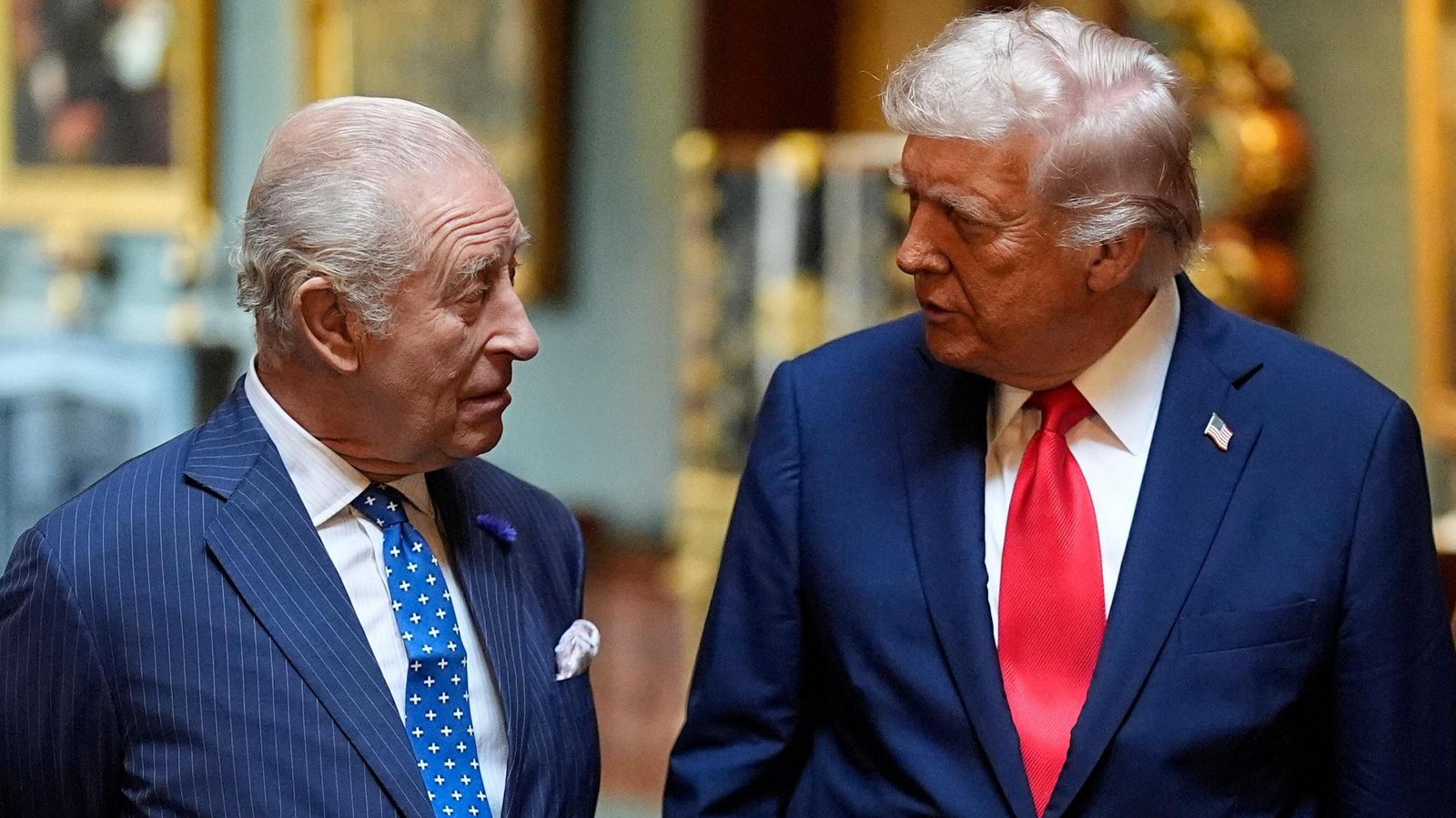
A delicate diplomatic balancing act awaits King Charles as he travels to Washington for a highly scrutinised visit with US President Donald Trump, in what is being described as one of the most politically sensitive moments of his reign. The encounter comes amid strained transatlantic relations and rising tensions over foreign policy, particularly the recent US-led war in Iran and disagreements with the UK government.
The four-day trip is officially framed as part of commemorations marking the 250th anniversary of US independence from Britain. However, beneath the ceremonial tone lies a far more complex political backdrop, with observers divided over whether the monarch’s traditional soft power can smooth relations—or whether he will be drawn into controversy surrounding the unpredictable US president.
King Charles, who has spent decades cultivating diplomatic relationships as the former Prince of Wales, is expected to lean heavily on symbolism, tradition, and personal rapport. His past meetings with Trump have reportedly been cordial, with the US president previously expressing admiration for the royal family. Yet analysts warn that the current geopolitical climate is far more volatile than during earlier encounters.

The meeting will take place at the White House, where Charles and Queen Camilla are scheduled to attend a state dinner and private discussions with Trump. The visit is widely seen as a test of whether the monarchy can continue to function as an instrument of influence in modern international politics, particularly when engaging leaders known for breaking diplomatic norms.
Critics argue that the visit risks legitimising controversial policies of the Trump administration, especially in light of recent military actions in Iran and ongoing disputes over NATO and trade tariffs. The situation has further strained what has long been referred to as the “special relationship” between the UK and the United States.
Some political observers in Washington believe Trump may welcome the visit as a moment of prestige and global attention, potentially using the royal presence to bolster his domestic standing amid declining approval ratings. Others, however, caution that his history of unpredictable remarks and disregard for protocol could complicate carefully planned diplomatic messaging.
The role of monarchy as a tool of soft power is central to the discussion. Supporters argue that King Charles represents continuity, stability, and tradition, offering a contrast to the often turbulent nature of partisan politics. His supporters believe that carefully managed royal diplomacy can help maintain alliances even during periods of political friction.
However, advocacy groups in the United States have raised concerns about the optics of the visit. Some organisations have announced plans for public campaigns highlighting contentious issues, including allegations linked to figures within both political and royal circles. These groups argue that the monarchy risks being used as symbolic endorsement for political figures they consider divisive.
The debate has also reopened long-standing questions about the relationship between public institutions and accountability. Some US lawmakers have suggested that the king should use his platform during a planned address to Congress to speak more directly about global issues such as war, climate change, and human rights.
Others believe the monarch should remain strictly apolitical, maintaining the traditional boundaries of constitutional monarchy. Any deviation from that role, they argue, could undermine the neutrality that is central to the institution’s legitimacy.
Within the UK, the visit has also attracted scrutiny, particularly given ongoing domestic political challenges facing Prime Minister Keir Starmer and his government’s strained relationship with Washington. The divergence over military involvement in Iran has added further pressure on diplomatic coordination between the two allies.
Historical comparisons have also been drawn, with commentators noting that Queen Elizabeth II played a stabilising role during periods of international tension, including the Suez Crisis and the Gulf War. Whether King Charles can replicate that influence in a far more polarised global environment remains an open question.
Public opinion in the United States appears broadly favourable toward the monarchy, with many Americans expressing longstanding cultural fascination with the royal family. Royal visits often generate significant media attention and public engagement, reinforcing the symbolic appeal of the institution.

Yet political analysts caution that admiration for royal tradition does not necessarily translate into diplomatic influence in a modern, highly politicised environment. The unpredictable nature of current US politics means that even carefully choreographed engagements carry the risk of unexpected controversy.
Following the Washington meetings, the royal couple is expected to travel to New York to meet first responders and families affected by the September 11 attacks, before visiting Virginia for commemorative events tied to the Declaration of Independence. These symbolic gestures are intended to reinforce historical ties between the two nations.
Despite the ceremonial nature of the visit, the broader implications are unmistakably political. The intersection of monarchy, diplomacy, and global power dynamics places King Charles in a uniquely sensitive position, where every interaction is likely to be closely analysed.
As preparations continue, the central question remains whether the monarchy’s traditional influence can withstand the realities of modern political volatility—or whether this high-profile visit will expose the limits of soft power in an era of increasingly unpredictable leadership.
Related News:
 UK Prepares Aircraft Carrier for Middle East Crisis
 Can King Charles Calm Trump on Key US Visit?
 British Woman in Iran ‘Losing Hope’ Amid Ongoing Detention
 BBC Journalist Held and Interrogated in Vietnam
 Zohran Mamdani becomes New York City’s first Muslim mayor
Zohran Mamdani names all-female transition team for NYC mayoralty
Zohran Mamdani becomes New York City’s first Muslim mayor
Zohran Mamdani names all-female transition team for NYC mayoralty
 Second world war veterans honoured as King leads Remembrance Sunday
 BBC director-general and news chief resign amid bias row
 Rama Rebukes Mahmood for Targeting Albanian Families
 Russian Vessel Used Lasers on RAF Pilots, UK Claims
 Putin Intensifies Territorial Demands Before US Talks
 Trump to Recheck Green Cards from 19 Nations After DC Attack
 Ireland Boosts Ukraine Aid as Zelensky Visits Dublin
 Russia losses Ukraine war peace talks intensify amid rising deaths
 Trump Escalates Minnesota Immigration Surge Amid Rising Tensions
 Greenland Faces Pivotal Summit Over Arctic Power Struggle
 Trump Threatens Strong Action If Iran Executes Protesters
 Trump Receives Machado’s Nobel Medal in White House Meeting
 US Africa aid remarks spark anger after leaked State email
 Trump Pulls Canada from His Controversial ‘Board of Peace’ Plan
 EU Says US Ties Have Suffered ‘Big Blow’ After Greenland Crisis
 Starmer China visit raises human rights pressure on Beijing
 UK and EU Signal Fresh Push for Defence Cooperation Talks
 Thousands Protest ICE Operations in Nationwide US Day of Action
 Epstein Files Reveal Trump Officials’ Emails with Financier
 Thousands Protest ICE in New York Against Trump Deportation Campaign
 Cory Bernardi joins One Nation for SA election
 Starmer Condemns ‘Depraved’ Russian Strikes on Ukraine
 Trump Praises ‘Terrific’ Petro After White House Talks
 Trump Warns Over Chagos Islands Deal
 Trump and Chagos Deal Rift Over Iran Strikes
 Andrew Mountbatten-Windsor Arrest After FBI Radar
 Farage Chagos Islands Row Sparks Fury
 California Democrats Vow Trump Reckoning
 Trump Tariffs Threat Spark UK and EU Alarm
 Clinton Testimony Erupts in Fiery Exchange
 UK Allows US Base Use Amid Iran Tensions
 Britain’s Position and Trump Vows to Press On in Iran Conflict
 Trump Faces Questions Over Iran Conflict Plan
 Trump Rebukes Starmer Over Iran Strikes Row
 Thousands Protest Iran Strikes Outside US Embassy London
 US Bombers Arrive at RAF Base Amid Rising Iran Tensions
 Pete Hegseth Iran War Remarks Spark Alarm
 Gordon Brown urges court for crimes against children
 Yvette Cooper: UK Must Follow Principles, Not US Pressure
 Fox News Cut In Over Trump King Charles Claim
 UK Minister Denies Iran Missile Threat to Britain
 Trump Faces New Warning Signs as Iran War Hits Home
 Army Probes Apache Flyover at Kid Rock’s Nashville Estate
 Relationship with Trump may be beyond repair, Starmer warned
 Trump’s Harsh Rhetoric on Iran Sparks Global Alarm
 Trump Faces Crisis as Iran Reopens Hormuz Tensions
 “I Speak for the UK”: Trump Bristles at Prince Harry’s Ukraine Plea
 UK Must Act with Courage and Clarity on Israel-Palestine Conflict, Says Foreign Affairs Committee Report
 Trump’s UK Ambassador Urges North Sea Drilling to Strengthen US Ties
BBC to Apologise Over Edited Trump Speech Amid Backlash
Trump’s UK Ambassador Urges North Sea Drilling to Strengthen US Ties
BBC to Apologise Over Edited Trump Speech Amid Backlash
 Britain deploys RAF specialists to assist Belgium with drone threats
 Millionaires group urge Reeves to introduce wealth tax to ‘lift kids out of poverty’
 Reeves rejects £1bn plea for NHS redundancy payouts
 PM Condemns Leaks, Vows Loyalty to Ministers and Stability
 Greene Pushes Epstein Files Amid Trump Fallout
 Shadow Fleet at Sea: Europe’s Battle Against Illicit Oil Shipping
 Starmer Says Labour’s Economic Plan Needs Years to Deliver
 No Gas Boiler Ban as UK Warm Homes Plan Backs Heat Pumps
 Police response times face strict new national limits
 Australian Families Leave Syrian Camp for Home
 Civil Service Pay: Union Urges Ministers to End ‘Barking Mad’ Limits
 Russian Trade Routed Through British Islands Exposed
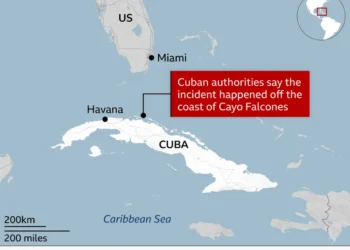 American Citizen Killed in Cuba Boat Shooting, U.S. Officials Say
 Herzog Asio meeting sparks security storm
 Minister Meets Crews Who Will ‘Take Out’ Iranian Drones
 UK Oil and Gas Supplies Reassured Amid Middle East Concerns
 Trump Pressures Congress Over Save America Act
 Iran War Puts Trump at Political Risk Amid Rising Prices
 Queensland Protest Laws Spark Free Speech Backlash
 Trump Nato threats expose Iran strategy vacuum
 Trump Facing Backlash from Epstein Survivors Over Files
 UK Forces Ready to Seize Russian Shadow Fleet Vessels
 Report Says Pezzullo Acted ‘Recklessly’ in Dealings
 Is Britain Ready? Experts Warn of ‘Bizarre’ Military Delay