Published: 25 April 2026. The English Chronicle Desk. The English Chronicle Online
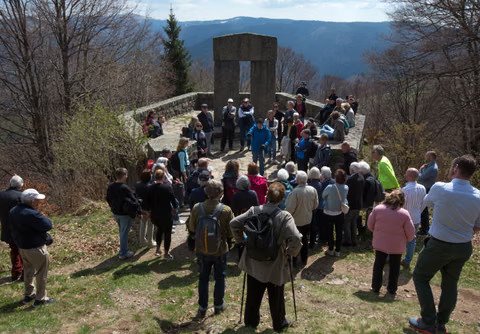
Ninety years after a fatal mountain hike claimed the lives of five British schoolboys in Germany’s Black Forest, relatives and local villagers have come together to honour the victims and re-examine a tragedy long overshadowed by wartime propaganda.
The commemorative event took place in Hofsgrund, near the Schauinsland mountain, where on 17 April 1936 a group of 27 London schoolboys from Strand School in Brixton Hill became trapped in severe snow conditions during what was meant to be an educational hike. The excursion, led by teacher Kenneth Keast, turned deadly as extreme weather conditions overwhelmed the group, leaving several boys stranded and exposed to freezing temperatures.
Local villagers played a crucial role in the rescue effort, risking their own lives as they set out with lanterns and sledges in a desperate attempt to locate the missing children. Despite their efforts, five boys lost their lives, while 22 others survived under extreme conditions.

At the time, however, the narrative of the tragedy was quickly seized upon by Nazi propaganda authorities, who portrayed the rescue operation as an achievement of the Hitler Youth Organisation. The victims’ coffins were prominently displayed in staged ceremonies, with images widely circulated internationally as part of Germany’s political messaging in the years leading up to the Second World War.
Eighty years later, surviving relatives and local residents have worked together to correct the historical record and recognise the villagers of Hofsgrund as the true heroes of the night. During the memorial service held at St Laurentius church, emotional tributes were delivered, including from descendants of the schoolboys who acknowledged the bravery of the local community.
Jenny Davies, daughter of survivor Douglas Mortifee, spoke on behalf of the families during the ceremony. She paid tribute to the villagers who had gone out into dangerous conditions to save the stranded boys, stating that their actions had ensured many lives were not lost that night. Her remarks reflected a broader sentiment among attendees that the role of local rescuers had been overlooked for decades due to political manipulation of the story.
The tragedy unfolded when teacher Kenneth Keast led the group into the mountains with limited equipment and inadequate preparation for rapidly changing alpine weather conditions. Despite warnings from locals familiar with the region’s harsh winter climate, the hike proceeded, resulting in the group becoming disoriented as snow and fog intensified.
Subsequent investigations in Germany initially placed responsibility under scrutiny, but legal action was dropped, and Keast was later described in British media as having played a crucial role in saving lives. He was nevertheless barred from leading further international school trips.
In the decades following the incident, memory of the tragedy remained divided between Britain and Germany. In Hofsgrund, the event became known locally as the “Engländerunglück,” or “English Misfortune,” and was remembered as both a moment of heroism and sorrow.
During the recent commemorations, participants retraced parts of the original route across the Schauinsland mountain. They visited both a Nazi-era monument and a modest stone cross marking the location where one of the boys, 14-year-old Jack Eaton, collapsed and died close to the village.
That simple cross, commissioned by Eaton’s father, has since become widely recognised by families as the most authentic memorial to the victims. Visitors during the anniversary paused at the site to reflect on the suffering endured and the long journey toward historical recognition.
Local accounts passed down through generations describe how villagers such as farmers, cobblers, and rescuers responded without hesitation during the night of the storm. Many of them carried hypothermic children to safety and provided shelter in their homes, an act of solidarity that has only recently received wider acknowledgement through historical research.
Historians and local researchers have also played a significant role in uncovering the full details of the event. Decades of archival work and personal testimonies have helped reconstruct the sequence of events and challenge earlier politically influenced narratives.
The anniversary gathering brought together families from the United Kingdom, Australia, and Germany, many of whom shared personal diaries, letters, and memories passed down from survivors. These accounts revealed the long-lasting physical and emotional impact of the tragedy, including frostbite injuries and psychological trauma carried throughout the survivors’ lives.
The event also highlighted how wartime politics shaped public memory. Nazi authorities had used the tragedy as propaganda, presenting a distorted version of events that overshadowed the actions of local German villagers who had actually led the rescue efforts.
In recent years, renewed historical interest has helped restore balance to the narrative. Scholars, journalists, and descendants of both survivors and rescuers have collaborated to ensure that the full story is better understood and properly acknowledged.

As part of the commemorations, local officials have indicated plans to restore inscriptions on memorials and further preserve the historical sites associated with the tragedy. There is also growing support for educational initiatives aimed at teaching future generations about the event and its historical context.
For many attending the ceremony, the anniversary was not only a remembrance of loss but also a moment of reconciliation between communities once divided by war and propaganda. The shared act of remembrance reflected a broader effort to ensure that the bravery of ordinary villagers is not forgotten.
As bells once again rang out across Hofsgrund, they served as a solemn reminder of a night in 1936 when ordinary people faced extraordinary circumstances—and of how truth, though delayed, continues to emerge across generations.
Related News:
 Canadian astronaut French words ease language row
 Chornobyl Still at Risk 40 Years After Disaster
 Is America Ready for an AOC Presidential Run?
 Cambridge Professor Jason Arday Found Dead at Home
 Five Years of Taliban Rule Leave Afghanistan in Crisis
 Conservation Pioneer Jane Goodall Passes Away at 91
 UK Universities Warn Students Ahead of 7 October Pro-Palestine Protests
 MPs Urge UK to Let Gaza Scholars Bring Their Children
 Posthumous books are messy and fraught – but Virginia Giuffre’s gives her a voice
 UK University Suspends Human Rights Research Following Pressure from China
 UK University Faces Counter-Terror Probe Over China Pressure
 Top Christmas Books Reads: Classics to Cozy Romcoms
China-critical UK academics face ‘extremely heavy’ pressure from Beijing
Top Christmas Books Reads: Classics to Cozy Romcoms
China-critical UK academics face ‘extremely heavy’ pressure from Beijing
 Algeria Pardons French-Algerian Novelist Sansal After Year in Jail
 Nigerian Education Reversal: Mother-Tongue Teaching Scrapped
 Hindu Man’s Stand Sparks Hope in India
 Larry Summers Resigns From Harvard Amid Epstein Files
 Undercover officer deceived women with ‘grotesque and cruel’ lies, spycops inquiry told
 Teen Admits Filming Westfield Chair Prank
 Peretz Targets FA Cup Upset Amid War Concerns
 Moldova River Crisis Exposes War’s Hidden Cost
 Exhibition Revisits Life of 18th-Century Black Court Figure
 Iran Crisis Tests Trump’s Global Leadership
 Ben Roberts-Smith Denies War Crime Allegations in First Statement
 City & Guilds Sale Sparks Fees and Pay Uproar
 NHS Safety Fears as Nurses Cover Doctor Gaps
 Walsall Rapist Jailed After Hate-Filled Online Trail
 Athens Mayor Moves to Tackle Overtourism Crisis
 Two Children Die in Wolverhampton House Fire Tragedy
 Exploring Italy’s Forgotten Dolomites Beyond Crowds
 RAF Typhoons scrambled amid Russian drone threat near Nato
 Ukraine Urges UK to Seize Russian Oil Tankers
 Escobar’s Hippos May Be Moved to India Zoo
 Older Than Dinosaurs: Secrets of Mayfly Dance Revealed
 Two Dead in Adelaide Airport Plane Crash Fire
 Police Suspect Help in Missing Alice Springs Girl Case
 FBI Links Brown University Shooting to Long-Term Grievances
 Cartel crackdown raises fears of fresh violence
 US states redraw maps after voting rights ruling
 Germany to Return Rare Irritator Dinosaur Skull to Brazil
 China Fireworks Factory Blast Kills 21 in Hunan
 US ‘Narco Boat’ Strikes Draw Global Outcry
 Koh-i-noor Diamond Row Reignites Colonial Debate
 Florida Surgeon ‘Devastated’ Over Fatal Surgery Error
 France Faces Record Presidential Crowded Race Amid Far-Right Surge
 Search Intensifies for Missing Hiker on WA Bibbulmun Track
 City & Guilds Faces Governance Crisis Over Sale
 Barrister Criticises Trial After Suicide Case Verdict
 Immigration Judges Fear Pressure in Trump Era
 Tractor Breakdown Tests Lincolnshire Farmers
 Father’s diaries reveal doubts over Hawking
 Trump’s Revenge Drive Deepens GOP Divide
 Maldives Cave Diving Tragedy Raises Safety Alarm
 Pope Meets Families in Italy Toxic Waste Zone
 Farage and Reform UK Reshape British Politics
 Starmer Leadership Under Pressure After Setbacks
 Public Confidence in University Degrees Plummets in the UK
 British Teens in EU Face Soaring UK University Fees
 New Footage Revives Peter Falconio Mystery
 Le Pen’s Popularity Holds Despite Conviction
 Bryne Backs Haaland Before England World Cup Clash
 Dreyfus Statue Finally Gets Permanent Paris Home
 Teen Charged After Layla Jeffery Found Dead
 England and Norway Fans Turn Miami Into World Cup Carnival
 UK Schools Struggle as Classrooms Top 40C
 Olympus Awaits Unesco Heritage Recognition
 Westminster Council Threatens Charing Cross Soup Kitchen
 BBC Warned About Missing Clothes of Murder Victim
 Israeli Strike in Southern Lebanon Kills Seven
 Chaos at Ibrox as Martin’s Rangers Era Comes to an End
 Russia’s Latest Push to Win US Favors Shows Deep Desperation
 BBC to Apologise Over Edited Trump Speech Amid Backlash
 Phillipson Accused of Appeasing Unions by Diluting EBacc
 Greene Pushes Epstein Files Amid Trump Fallout
 Zelenskyy Signs Fighter Jet Deal Amid Russian Drone Attacks
 Shadow Fleet at Sea: Europe’s Battle Against Illicit Oil Shipping
 US Suspends Afghan Immigration After White House Shooting
 Greens Face Internal Row Over Antisemitism Claims
 Scepticism and tight security as Beijing braces for Trump
 Tensions Flare as Israeli Nationalists March in Jerusalem