Published: 25 April 2026. The English Chronicle Desk. The English Chronicle Online
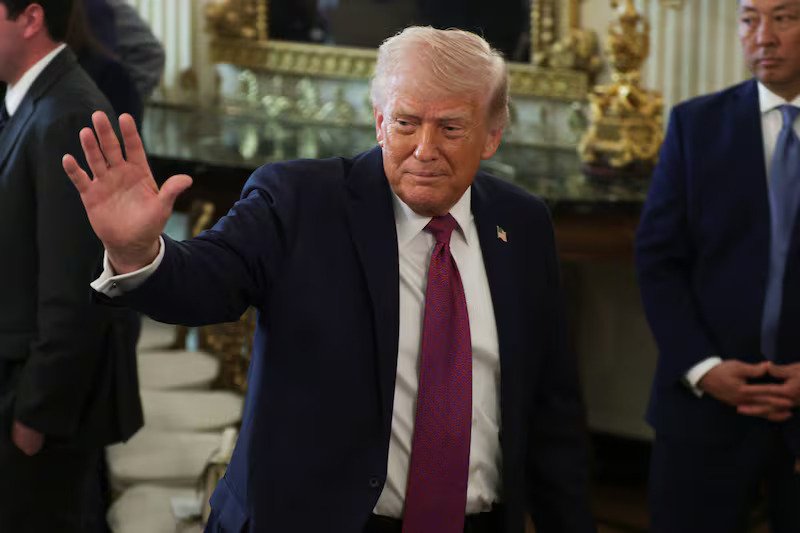
The prospect of a sitting US president attending a celebration of press freedom would normally symbolize the strength of democratic traditions. Yet, as Donald Trump prepares to attend the White House Correspondents’ Dinner for the first time during his presidency, the event is shaping up to be anything but routine. Instead of unity, it is stirring unease, criticism, and serious questions about the fragile relationship between political power and the media.
The annual White House Correspondents’ Dinner has long been considered a hallmark of American political culture—a night where journalists, politicians, and public figures gather under one roof in a rare moment of levity. Often dubbed “nerd prom,” the event blends humor, celebrity appearances, and speeches that celebrate the importance of a free press. However, this year’s gathering carries a markedly different tone, driven largely by the contentious relationship between Trump and major news organizations.

Over the past year, tensions between the administration and the media have intensified significantly. The White House’s decision to restrict access for the Associated Press after it refused to adopt the term “Gulf of America” instead of “Gulf of Mexico” sparked widespread backlash and ignited a debate about press freedom. This incident became emblematic of a broader pattern, with critics arguing that the administration has increasingly sought to pressure or sideline independent journalism.
Trump’s rhetoric has also fueled the divide. His public remarks targeting journalists—ranging from personal insults directed at reporters to claims that certain coverage amounts to “treason”—have drawn sharp condemnation from media professionals and advocacy groups alike. At the same time, policy actions have amplified concerns. Efforts to strip funding from public broadcasters, legal threats against major news outlets, and calls to revoke broadcast licenses have collectively painted a picture of an administration willing to challenge long-standing norms around press independence.
The situation has escalated further with actions taken by government officials. Reports of an FBI raid on a journalist’s home earlier this year marked an unprecedented moment in modern American history, raising alarm among civil liberties advocates. Additional legal actions involving senior officials and prominent publications have reinforced fears that the boundaries between political authority and journalistic freedom are being tested in new and troubling ways.
Against this backdrop, Trump’s attendance at the correspondents’ dinner has become a focal point for debate. Many journalists and former media figures argue that inviting a president who has repeatedly criticized and targeted the press undermines the very principles the event is meant to celebrate. Some have called on the White House Correspondents’ Association (WHCA), which organizes the dinner, to take a more assertive stance in defense of press freedom during the event.
Others, however, advocate a different approach. Veteran journalists emphasize that the role of the press is not to engage in direct confrontation but to maintain professionalism and continue reporting facts without bias. They argue that excluding the president could set a precedent that risks politicizing the event further, potentially eroding its symbolic value as a space for dialogue—even if that dialogue is strained.
The WHCA itself appears to be walking a careful line. While reaffirming its commitment to the First Amendment and the essential role of a free press, the organization is unlikely to directly confront Trump during the event. Its leadership has traditionally prioritized maintaining access to the White House for reporters, viewing its primary mission as facilitating coverage rather than acting as an activist body.
This balancing act reflects a broader dilemma facing the media industry today. On one hand, there is a growing sense that silence in the face of perceived attacks on press freedom could be interpreted as complicity. On the other, overt confrontation risks escalating tensions and potentially limiting journalists’ ability to gather information from those in power.
Adding another layer of complexity is the changing nature of the correspondents’ dinner itself. Once known for its glitz and Hollywood presence, the event has gradually shifted in tone. Trump’s relationship with the entertainment industry is notably distant, and this year’s gathering is expected to be less star-studded than in previous decades. The absence of high-profile celebrity appearances further underscores how the dinner’s cultural significance is evolving alongside political realities.
Historical comparisons highlight the contrast. Past presidents, even those who clashed with the media, often maintained a level of cordiality that allowed for moments of shared humor and mutual respect. Figures like Ronald Reagan were remembered for their ability to engage warmly with journalists, even amid disagreements. In contrast, Trump’s approach—marked by direct and often personal criticism—has fundamentally altered the tone of the relationship.

For some observers, the president’s attacks on the media are seen as a strategic move aimed at energizing his political base. By framing journalists as adversaries, he reinforces a narrative that resonates with supporters who distrust traditional news outlets. Yet others warn that such tactics carry long-term consequences, potentially undermining public confidence in independent reporting and weakening democratic institutions.
As the evening approaches, the central question remains unresolved: can an event designed to celebrate press freedom coexist with an administration that many believe is challenging that very principle? The answer may not lie in a single dinner but in how both the media and political leaders navigate their relationship in the months and years ahead.
Ultimately, the White House Correspondents’ Dinner will serve as more than just a social gathering. It will act as a mirror reflecting the current state of American democracy—its tensions, its contradictions, and its enduring commitment to the idea that a free press remains essential, even in the face of adversity.
Related News:
 US National Guard Member Killed in DC Shooting
 Trump to pause migration from ‘third-world countries’
 Franklin Turtle, Sabrina Carpenter Slam US Social Media Use
 Trump officials continue false claims after Alex Pretti shooting
 Partial US Government Shutdown Hits Homeland Security Funding
 Thousands Protest ICE Operations in Nationwide US Day of Action
 Swalwell Faces Pressure to Quit Governor Race
 Harmeet Dhillon Faces Scrutiny in DOJ Role Debate
 Judge Blocks Trump Bid for Arizona Voter Data
 US Court Weighs Fate of TPS for Migrants
 Florida Redistricting Map Sparks Major US Political Battle
 US Voting Rights Ruling Sparks Celebration and Outcry
 US Court Ruling Reshapes Voting Rights Landscape
 US states redraw maps after voting rights ruling
 Judge halts deportation of Yemeni refugees in US
 White House Security Case Sparks Political Firestorm
 Trump warns Iran as Middle East tensions surge again
 US Supreme Court fast-tracks Voting Rights ruling
 US Court Restores Abortion Pill Access Temporarily
 Immigration Judges Fear Pressure in Trump Era
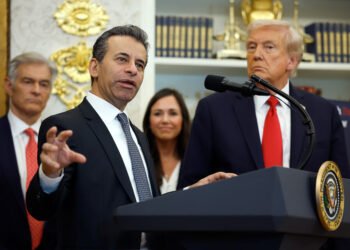 FDA Chaos Deepens as Trump Eyes Makary Exit
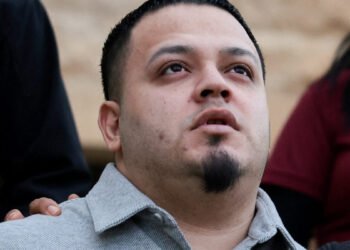 US judge dismisses Kilmar Abrego Garcia indictment
 US green card applicants must apply from abroad, DHS says
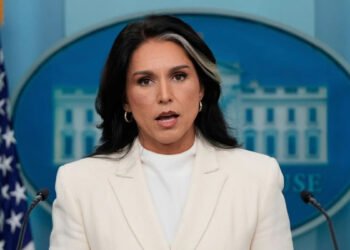 Tulsi Gabbard exits after turbulent intelligence tenure
 Trump’s Revenge Drive Deepens GOP Divide
 Former ICC prosecutor condemns US sanctions
 Gunman Killed After White House Security Shootout
 Prosecutor Proposes Law to Combat Election Deceit
 Trump Weighs Retreat from Controversial $1.8bn Slush Fund
 Mystery Grows Over Mitch McConnell’s Health
 Trump Refuses to Sign Housing Bill, But Law Takes Effect
 Trump Orders Signs Criticising Smithsonian Museum
 French Taxi Driver Cleared in David Lammy Theft Case After Fare Dispute
 Major Rent Reform Ends No-Fault Evictions in England
 Peers Flood Assisted Dying Bill with 942 Amendments
 US Justice Department Files Lawsuit Against California Over Partisan Voting Maps
 Trump Deploys DHS to Charlotte in Major Arrest Operation
 Peers Get Extra Time to Debate Assisted Dying Bill
 ICC to Rule on Duterte’s Provisional Release
 Australia grants Asio powers to designate hate groups under new laws
 Government Unveils Northern Powerhouse Rail Plans
 Trump press secretary attacks reporter over ICE question
 Kyrsten Sinema Faces High-Profile Lawsuit Over Marriage Interference
 Criticism of Netanyahu Risks Offence Under Australia Law
 Trump Fed bid heads to Supreme Court
 Tim Walz urges Trump to withdraw federal agents immediately
 Epstein Files Reveal Trump Officials’ Emails with Financier
 Sinema payment row deepens after $9,000 transfer claim
 Nurses’ families fear breakup under UK immigration crackdown
 California Democrats Vow Trump Reckoning
 Trump’s Surgeon General Pick Evades Vaccine Questions
 Adelaide University Faces Backlash Over Event Cancellation
 Proposed Law Leaves Gap for Children of Convicted Paedophiles
 Can King Charles Calm Trump on Key US Visit?
 Report Says Pezzullo Acted ‘Recklessly’ in Dealings
 Hungary election: Orbán faces biggest test amid scandal
 Melania Trump Epstein remarks spark survivor backlash
 Suspected Plot Targets Pipeline Before Hungary Vote
 Trump Signals Hope for New Iran Talks as Ceasefire Fades
 US Catholics Caught Between President and the Pope
 GOP Senator Criticizes Trump’s Feud With Pope Leo XIV
 UK Stands Firm on Falklands Amid US Rift
 Crackdown Backfires on UK Climate Protesters
 Trump Defiant After Washington Hotel Shooting
 Identity Revealed: Suspected Washington Gunman Named
 Trump approval plunges amid Iran war fears
 Ohio’s Battle for Trust: Democrats Vying to Flip the Buckeye State
 US ‘Narco Boat’ Strikes Draw Global Outcry
 Ohio Primaries Set Stage for Crucial Midterms
 Afghan Families Left in Limbo Face Risk of Deportation
 Florida Surgeon ‘Devastated’ Over Fatal Surgery Error
 Tensions Emerge in Netanyahu-Trump Alliance
 US Awaits Iran Reply on New Ceasefire Proposal
 Hormuz Talks Near Critical Stage
 DeSantis’s ‘Alligator Alcatraz’ Faces Final Shutdown
 House Curbs Trump’s War Powers in Rare Rebellion
 US Courts Back Trump on Park Signage Removals
 Trump’s Mount Rushmore Speech: A Divisive Anniversary
 Le Pen’s Popularity Holds Despite Conviction
 Houthis Strike Saudi Arabia as Middle East Tensions Rise