Published: 25 April 2026. The English Chronicle Desk. The English Chronicle Online
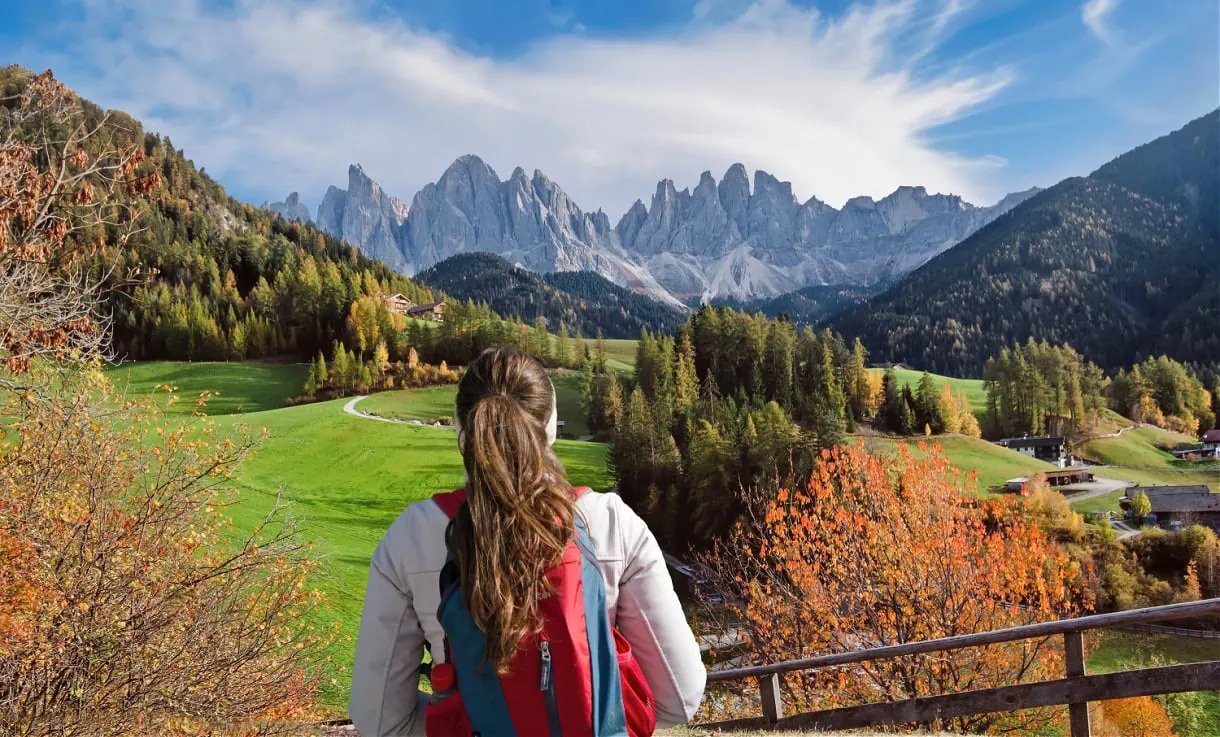
Far from the well-trodden routes of the Tre Cime di Lavaredo and the busy valleys of Val Gardena, Italy’s lesser-known eastern Dolomites offer a quieter, more intimate encounter with one of Europe’s most dramatic mountain landscapes. This “forgotten” corner of the range stretches across the province of Belluno, north of Venice, and into the Friulian mountains, where towering limestone peaks rise above pastureland, forests, and isolated hamlets shaped by centuries of alpine tradition.
Unlike the heavily visited western Dolomites, this region remains relatively untouched by mass tourism. The result is a landscape where silence is still part of the experience, broken only by the sound of waterfalls, grazing cattle, and distant church bells echoing through the valleys.
The gateway to this quieter world is the city of Belluno, reachable in around two hours from Venice. From here, the road north follows the upper Piave Valley, gradually climbing into a landscape that shifts from cultivated fields to alpine meadows and eventually into steep stone walls and jagged peaks that define the region’s skyline. This transition is part of what makes the area unique: the mountains do not arrive suddenly, but rather emerge slowly, almost unexpectedly, from the land.

A defining feature of the region is its long-standing system of communal land management, known locally as the Regole di Comunità. These traditional councils still oversee forests and grazing land, preserving a collective approach to rural life that has endured for generations. In scattered villages, farming traditions remain deeply rooted, with local produce such as pastìn, polenta, and mountain cheeses still forming the basis of daily life.
Food in the region reflects its isolation and self-sufficiency. Meals are often built around local ingredients, shared in mountain huts or family-run agriturismi. Dishes are simple but rich in character, often accompanied by regional wines or a glass of grappa after a long day outdoors.
One of the most striking natural areas in this part of the Dolomites is the Val del Mis, west of Belluno. Here, the Lago del Mis winds through a narrow valley, its emerald waters reflecting steep forested slopes. The lake is known for its calm beauty and outdoor activities, including canoeing and kayaking. Nearby, waterfalls such as Cascata della Soffia plunge into deep green pools, while suspended walkways and hidden gorges offer dramatic viewpoints over crystal-clear water.
Further north, the landscape rises toward the alpine basin of Lago di Calaita, situated beneath the imposing Pale di San Martino range. At an altitude of over 1,600 metres, the lake sits in a wide meadow framed by sharp peaks that glow gold at sunset. In winter, the area transforms into a snow-covered plateau, while in warmer months it becomes a hub for hikers and nature lovers exploring surrounding trails.
The region is also defined by its viewpoints, where the scale of the Dolomites becomes fully visible. In the Agordino valleys, south of Cortina d’Ampezzo, trails climb gently through larch forests and open grassland before revealing vast panoramas of Monte Pelmo and Monte Civetta. These mountains rise almost vertically from the valley floor, their sheer limestone faces creating some of the most dramatic scenery in the Alps.
Monte Civetta in particular is often described as a “stone wall” of the Dolomites, its vast north face stretching across the horizon. Nearby trails lead through traditional wooden barns known as tabià, once used for storing hay, now silent reminders of a pastoral past still visible across the landscape.
To the south-east, the Alpago basin opens into a wide valley surrounding Lago di Santa Croce, where ridges and peaks form a natural amphitheatre. Hiking routes here offer uninterrupted views across lakes, forests, and distant mountain chains, creating one of the most varied landscapes in the region.
Beyond scenery, the Dolomites are also home to a network of mountain refuges and farm stays that preserve alpine hospitality. Places such as Malga Campon and Agriturismo Bon Tajer combine traditional cooking with panoramic views, offering visitors a chance to experience local life in its most authentic form. Meals are often prepared from farm produce, served in rustic settings where animals graze nearby and sunsets illuminate the surrounding peaks in shades of purple and orange.
Higher in the mountains, remote rifugios and bivouacs provide shelter for experienced hikers. These simple cabins, often reachable only on foot, sit beneath dramatic cliffs or beside glacial valleys. One such site, the Campanile di Val Montanaia, rises like a natural cathedral of stone, attracting climbers and trekkers seeking solitude and challenge in equal measure.
Despite their remoteness, these valleys remain culturally rich. Ancient paths connect villages, chapels, and former mining routes, while seasonal migration of livestock still shapes the rhythm of rural life. In many ways, the landscape is not just preserved by isolation but actively maintained through tradition.

What sets this region apart is not only its scenery but its sense of continuity. Unlike more commercialised alpine destinations, the eastern Dolomites have retained a balance between human life and natural environment. Tourism exists, but it does not dominate. Instead, visitors encounter a living landscape shaped by agriculture, forestry, and long-standing community ties.
As interest in sustainable and low-impact travel grows, these quieter valleys are beginning to attract those seeking alternatives to crowded mountain hotspots. Yet even as awareness increases, the region retains its defining quality: space. Space to walk without interruption, to hear natural soundscapes, and to experience the mountains without the pressure of crowds.
In a world where many alpine destinations are becoming increasingly busy, Italy’s forgotten Dolomites offer something increasingly rare—a mountain experience defined not by spectacle alone, but by stillness, tradition, and quiet scale.
Related News:
 Hindu Man’s Stand Sparks Hope in India
 Peretz Targets FA Cup Upset Amid War Concerns
 Canadian astronaut French words ease language row
 Chornobyl Still at Risk 40 Years After Disaster
 Athens Mayor Moves to Tackle Overtourism Crisis
 RAF Typhoons scrambled amid Russian drone threat near Nato
 Ukraine Urges UK to Seize Russian Oil Tankers
 Escobar’s Hippos May Be Moved to India Zoo
 Two Dead in Adelaide Airport Plane Crash Fire
 China Fireworks Factory Blast Kills 21 in Hunan
 France Faces Record Presidential Crowded Race Amid Far-Right Surge
 Trump’s Revenge Drive Deepens GOP Divide
 Pope Meets Families in Italy Toxic Waste Zone
 Farage and Reform UK Reshape British Politics
 Starmer Leadership Under Pressure After Setbacks
 Le Pen’s Popularity Holds Despite Conviction
 Bryne Backs Haaland Before England World Cup Clash
 Dreyfus Statue Finally Gets Permanent Paris Home
 Teen Charged After Layla Jeffery Found Dead
 England and Norway Fans Turn Miami Into World Cup Carnival
 Olympus Awaits Unesco Heritage Recognition
 Is America Ready for an AOC Presidential Run?
 Five Years of Taliban Rule Leave Afghanistan in Crisis
 BBC to Apologise Over Edited Trump Speech Amid Backlash
 Britain deploys RAF specialists to assist Belgium with drone threats
 Palace May Restore Hyphen to Andrew Mountbatten-Windsor’s Name
 Greene Pushes Epstein Files Amid Trump Fallout
 December Run-Off in Chile as Election Produces No Winner
 Zelenskyy Signs Fighter Jet Deal Amid Russian Drone Attacks
 Shadow Fleet at Sea: Europe’s Battle Against Illicit Oil Shipping
 Tiny Curacao Makes History as Smallest Nation to Reach World Cup
 US Suspends Afghan Immigration After White House Shooting
 Georgians Defy Government Crackdown After Year of Protests
 ‘Extinct’ Antelope Returns to Sahara, Bringing Hope
 Irish Beach Tragedy: Irish Drown at Whitehaven Beach in Australia
 Sanctioned oil tankers sail Channel amid Russia scrutiny
 Pentagon Signals Reduced Role in Deterring North Korea
 UK and US Drop in Global Corruption Index Rankings
 SA Police Intensify Search in Gus Lamont Case
 Canberra Poster Seizure Sparks Free Speech Row
 Evo Morales Returns After Mysterious Absence
 Jacinda Ardern Moves To Australia Following Her US Fellowships
 Jacinda Ardern Move Sparks Kiwi Reflection
 Middle East Airspace Crisis Strands Thousands
 Nick Greiner Warns Over Election Review Fallout
 Kelly Wilkinson Inquest Reveals Bail Failure
 Tehran Strikes Mark War’s Most Devastating Night
 Injured Mojtaba Khamenei Elevated as Iran Leader
 Gordon Brown urges court for crimes against children
 The Kill Line: A Shifting Vision of the American Dream
 Pakistan Targets Militant Hideouts in Afghanistan
 Rising Costs Force Families to Rethink Days Out
 ICE detention warning sparks fear among immigrants
 Air Canada CEO Faces Outcry Over Recent Language Misstep
 Extreme Weather: Europe Shivers as Cyclone Narelle Hits
 Asia Turns Back to Coal Amid Middle East Energy Crisis
 Relationship with Trump may be beyond repair, Starmer warned
 Trump’s Six-Week Iranian War: The High Cost of Ignorance
 Artemis II Returns After Historic Moon Flyby
 Orbán Ousted: Péter Magyar’s Tisza Party Wins in Hungary
 Trump Brokers Landmark Lebanon Ceasefire Amid Regional Hopes
 Ben Roberts-Smith Denies War Crime Allegations in First Statement
 UK Stands Firm on Falklands Amid US Rift
 Coalition pushes fossil fuel phaseout plan
 Greens Face Internal Row Over Antisemitism Claims
 Trump approval plunges amid Iran war fears
 US ‘Narco Boat’ Strikes Draw Global Outcry
 FIFA Confirms Global Ban for Benfica Star Prestianni
 Putin Signals War End as Russian Momentum Stalls
 Scepticism and tight security as Beijing braces for Trump
 Philippine Senator Flees After Days Under Senate Siege
 Tensions Flare as Israeli Nationalists March in Jerusalem
 High Street Crisis: Fears Grow Over Post Office Closures
 Oil Markets Face ‘Red Zone’ Threat Amid Iran Crisis
 Discontent grows around Putin amid war strain
 Aukus Deal Facing Fierce Backing and Historic Criticism
 Trump’s Mount Rushmore Speech: A Divisive Anniversary
 UK Schools Struggle as Classrooms Top 40C
 Houthis Strike Saudi Arabia as Middle East Tensions Rise
 Westminster Council Threatens Charing Cross Soup Kitchen