Published: 25 April 2026. The English Chronicle Desk. The English Chronicle Online
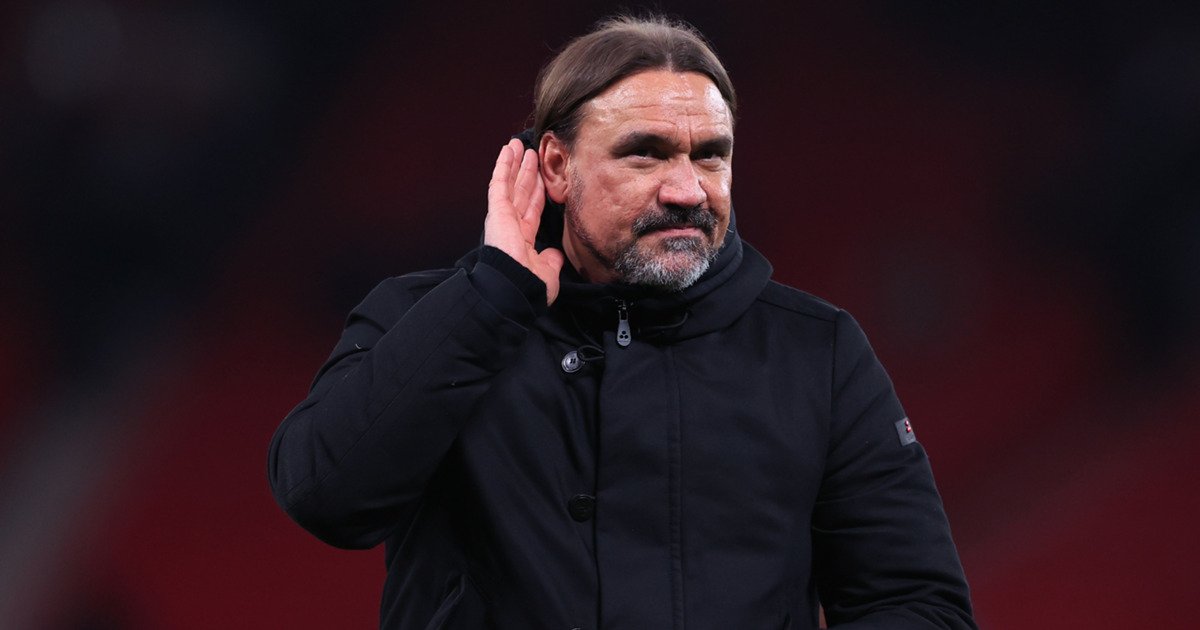
Leeds United’s resurgence under manager Daniel Farke has become one of the most compelling stories of the English football season, as the German coach has steered the club away from relegation danger and into an unexpected FA Cup semi-final run, their first since 1987.
What makes the achievement more striking is the fragile position Farke found himself in just months earlier. Twice during the season, he was reportedly close to losing his job as pressure mounted after inconsistent results. Yet the club’s leadership, including chairman Paraag Marathe, ultimately maintained faith in his long-term project.
That decision now appears vindicated, as Leeds United not only moved clear of relegation trouble but also built momentum in cup competitions, reigniting belief among supporters at Elland Road.

Farke has often described himself as a “football romantic”, someone who values attacking play and technical expression. But his time in English football has forced adaptation, turning him into a more pragmatic leader willing to adjust tactics when survival demands it.
That balance between idealism and realism has defined Leeds’ turnaround. Known for possession-based football, Farke has shifted formations and approaches when necessary, including a crucial tactical switch to a 3-5-2 system during a difficult period against Manchester City, a move that helped stabilise the season despite a narrow defeat.
Football figures across Europe have taken notice. Pep Guardiola has reportedly engaged in long tactical discussions with Farke, while Jürgen Klopp once named him among the coaches he would most want alongside him on a desert island. His connections also extend to Thomas Tuchel, dating back to their time in German football.
Farke’s journey this season has been defined by instability. Leeds’ board reportedly debated his future on more than one occasion, particularly during a poor run in late autumn when relegation fears intensified.
However, a pivotal moment came during a match against Manchester City, when Leeds, despite trailing at half-time, adjusted their system and produced a far more competitive second-half performance. Although they lost, the tactical shift sparked a revival in form.
Following that period, Leeds collected a strong points haul over the next stretch of fixtures, with key contributions from striker Dominic Calvert-Lewin, whose scoring form proved crucial in stabilising results.
The standout achievement of the season has been Leeds’ run to the FA Cup semi-finals, a stage the club has not reached in nearly four decades. The achievement has revived memories of past glory and strengthened belief among supporters who have endured years of inconsistency since the club’s Premier League decline.
Farke’s ability to unite a squad rebuilt through major player turnover has been central to this success. Despite losing several key young players in recent transfer windows, Leeds have managed to maintain competitiveness through disciplined recruitment and tactical organisation.
Chairman Marathe’s decision to retain Farke during difficult spells is now viewed as a defining moment of the club’s season.
A major feature of Farke’s tenure has been his emphasis on improving individual players within a collective system. Several squad members have flourished under his guidance, including captain Ethan Ampadu and forward Brenden Aaronson, both of whom have become central figures in Leeds’ structure.
New arrivals have also adapted quickly, with attacking players praising Farke’s direct communication style and ability to build confidence. The coach’s emphasis on clarity and emotional balance has helped restore belief within a squad previously criticised for inconsistency.
Former Milan forward Noah Okafor has been among those highlighting Farke’s management style, describing his approach as demanding but supportive, combining high expectations with personal encouragement.
Farke’s coaching identity has been shaped by a varied football journey. A former striker in Germany’s lower divisions, he later transitioned into coaching and sporting management, combining academic study in economics with football development roles.
Before arriving in English football, he worked in Germany and Russia, including a spell at FC Krasnodar, which he left following the outbreak of the Ukraine conflict in 2022. That departure reflected his broader belief that football cannot be separated entirely from real-world events.
Despite his tactical discipline, colleagues often describe him as approachable and grounded, with a personality that contrasts with the intensity of his profession.
For Leeds, the transformation under Farke has been about more than results. It has been about restoring identity. After years of instability, relegation battles, and managerial turnover, the club is once again competing with structure and purpose.

While survival in the top flight remains the immediate priority, the FA Cup run has given supporters something more: a sense of direction and optimism.
As Leeds prepare for their semi-final clash against Chelsea FC, the club finds itself at a rare intersection of pressure and possibility. Victory would mark one of the most significant achievements in modern club history, while also reinforcing Farke’s reputation as a coach capable of adapting without losing his core footballing principles.
Daniel Farke’s Leeds story is no longer about survival alone. It has become a case study in managerial resilience, tactical evolution, and emotional intelligence in modern football. From the brink of dismissal to the brink of Wembley success, his journey reflects a club rediscovering belief at exactly the right time.
Whether the season ends in silverware or not, Leeds United’s revival under Farke has already redefined expectations and restored a sense of ambition long missing from Elland Road.
Related News:
 John Terry Faces Backlash Over Political Posts
 Tottenham shine at Everton but Frank wary of title push
 Sarr Double Sinks Young Liverpool in Carabao Cup
 Nwaneri and Saka Secure Arsenal Win Over Brighton
 Woltemade Hot Streak Fires Newcastle Past Spurs
 Kieffer Moore Hat-Trick Ends Coventry’s Unbeaten Run
 Salah & Gravenberch Lead Liverpool to Win Against Villa
 Dyche Criticises Corner Decision as Forest Draw with United
 Caicedo Shines as Chelsea Edge Spurs in Chaotic Derby
 Granit Xhaka Rescue Earns Everton Draw at Sunderland
 Liverpool Edge Real Madrid 1-0 in Champions League Thriller
 Burn and Joelinton Head Newcastle to Victory Over Bilbao
 Foden shines as Man City dismantle Dortmund in dominant display
 Garnacho Spares Chelsea From Shock Champions League Loss in Baku
 Tension and Turmoil at Aston Villa v Maccabi Match
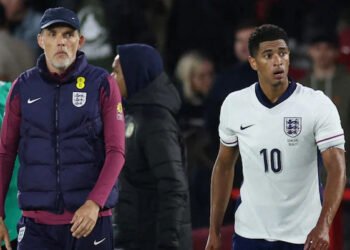 Bellingham has ‘the edge’ among England No 10s
 Man City Masterclass on Guardiola’s Milestone Day Exposes Liverpool Woes
 Lando Norris Dominates Brazil GP to Strengthen F1 Title Bid
 England cannot afford to be in awe of the All Blacks, warns Jamie George
 VAR Must Rein Its Neck In to Save Football’s Spirit
 Trescothick Hints Pope Will Keep Number Three Spot
 Ronaldo Confirms Final World Cup and Plans Retirement
 Mary Earps’s Manchester United Return Faces Mixed Reception
 Sam Kerr Stars in Chelsea Return with Champions League Double
 This kid is something else: Alex Scott’s rise to England call-up
 Former Lion Heskey Warns of Shortage of England Strikers
 Moyes Defends Gueye After Dramatic Everton Bust-Up
 Jac Morgan to Miss Six Nations Start After Surgery
 Alexander Isak ends drought as Liverpool stop rot with win at West Ham
 Mbappe rescues Real Madrid with a penalty at Girona
 Stokes urges empathy for England players amid Ashes struggles
 Sports piracy surges in UK with 3.6bn illegal streams reported
 Chelsea fans inquiry launched after Charlton match policing concerns
 Arsenal vs Man Utd LIVE: Jesus Starts as Carrick Stays Loyal
 Arsenal Edge Closer to Ending ‘Nearly-Men’ Era After Cup Breakthrough
 Newcastle fans face bleak reality under Saudi ambitions
 BBC World Cup Presenting Duties Shared Among Trio
 Steve Borthwick Turns to 2003 Icons for Inspiration
 UK Banks Maintain £100 Contactless Limit Despite FCA Rule Change
 Rising Costs Force Families to Rethink Days Out
 Peretz Targets FA Cup Upset Amid War Concerns
 Archbishop Prays for Middle East Peace in First Easter Sermon
 TikTok effect draws younger crowds to Grand National
 Kezia Dugdale Warns of Possible Reversal of Equal Rights Gains
 Synagogue Arson Attempt Sparks Security Fears
 NHS Safety Fears as Nurses Cover Doctor Gaps
 Two Children Die in Wolverhampton House Fire Tragedy
 Reform UK funding: mystery billionaire revealed
 Greens Face Internal Row Over Antisemitism Claims
 Premier League drama defines crucial weekend
 Foden Commits Future to Man City Until 2030
 Rugby Faces Crisis Over Referee Row Culture
 Tractor Breakdown Tests Lincolnshire Farmers
 Labour Members Turn Against Starmer Leadership
 Britons Build Emergency Supplies Amid Rising Fears
 Southampton Face Misconduct Charge Amid Spying Claims
 De Zerbi Rallies Spurs To Fight Relegation Threat
 Southampton Face Player Legal Action Over Playoff Scandal
 The Battle for Wembley Sparking Unprecedented Legal Warfare
 Tuchel Defends Tough England Squad Decisions
 Guardiola to Leave Man City After Historic Era
 Farewell to an Icon: Pep Guardiola to Exit Manchester City
 Sycamore Gap Artwork Chosen After Public Vote
 Victim says non-custodial rape sentence ‘rock in my face’
 Starmer Leadership Under Pressure After Setbacks
 England Cruise Past Costa Rica as World Cup Warm-Up Sharpens Tuchel’s Vision
 Inside the Three Lions: Bellingham Reveals Euro 2024 Flaws
 Declan Rice Facing Burnout as Tuchel Confronts Midfield Crisis
 Morocco Beat Dutch in Wild World Cup Penalty Drama
 Ben Stokes Retires: The End of an Extraordinary Era
 The Last Stand of English Cricket’s Greatest Partners
 UK Nations Brace for Potential Breakup Amid Reform Surge
 Cornwall Van Dwellers Face Eviction in Housing Crisis
 Bryne Backs Haaland Before England World Cup Clash
 UK Schools Struggle as Classrooms Top 40C
 London Tube Heat Reaches Dangerous Levels
 Three-Quarters of England’s Riverbanks Still Off Limits
 Westminster Council Threatens Charing Cross Soup Kitchen
 BBC Warned About Missing Clothes of Murder Victim
 Cambridge Professor Jason Arday Found Dead at Home