Published: 27 April 2026. The English Chronicle Desk. The English Chronicle Online
In a sobering assessment of the UK’s economic trajectory, Darren Jones, the Chief Secretary to the Prime Minister, has warned that the “price pressure” triggered by the US-Iran war will not vanish when the guns fall silent. Speaking to the BBC’s Sunday with Laura Kuenssberg yesterday, the senior minister revealed that government modeling predicts a “long tail” of inflation, with higher costs for food, energy, and travel likely to persist for at least eight months after a resolution is reached in the Middle East.

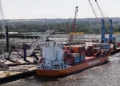
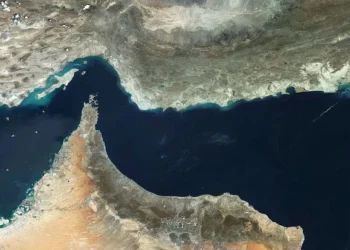
The warning comes as the Strait of Hormuz remains effectively blocked, choking off a fifth of the world’s oil and gas supply and sending UK inflation climbing to 3.3% in March. For the average consumer, Jones’s message was blunt: while the government is working to prevent empty shelves, it cannot fully shield the public from the “economic scarring” of the conflict.
The minister’s “best guess” of an eight-month recovery period is based on the time required for global supply chains to recalibrate once the maritime blockade is lifted.
Energy Latency: Even if the Strait of Hormuz is unblocked tomorrow, it will take months for liquefied natural gas (LNG) and crude oil shipments to normalize and for those lower wholesale costs to reflect in household utility bills.
The Ammonia Crisis: A key concern for the government is the supply of ammonia and CO2. Reduced gas supplies have hit fertilizer production; because CO2 is a byproduct of this process, its shortage threatens everything from meat processing to the shelf life of packaged salads.
Flight Ticket Spikes: Jones explicitly included “holiday prices” in his warning, noting that the diversion of flight paths and the surge in jet fuel costs will keep airfares elevated well into the 2027 season.
While leaked contingency plans—codenamed “Exercise Turnstone”—recently suggested a “reasonable worst-case scenario” of food shortages, Jones sought to de-escalate those fears.
“It is more of a price pressure than an availability issue,” Jones stated. “We have robust supply chains and storage in the UK. People will see prices go up as a consequence of what Donald Trump has done in the Middle East, but they will still be able to buy what they need.”
The minister’s decision to pointedly blame the Trump administration for the conflict’s economic fallout has sparked a fresh row in Westminster, with opposition MPs accusing the government of “playing politics” with the special relationship ahead of King Charles III’s state visit to Washington this week.
To manage the “long tail,” Jones is now chairing a Contingency Planning Group of ministers that meets twice weekly to monitor stock levels of essential goods.
The “July Shock” Preparation: The group is specifically focused on the Ofgem price cap revision in July, with analysts predicting a £220 hike that could push the average annual bill to nearly £1,900.
Supermarket Pressure: Major retailers, including Tesco and Sainsbury’s, have reportedly been in talks with the Treasury to seek relief on “policy costs” in their energy bills, arguing that such a move is necessary to prevent double-digit food inflation.

As Prime Minister Sir Keir Starmer prepares to chair a meeting of the Middle East Response Committee on Tuesday, the government’s rhetoric has shifted from immediate crisis management to long-term endurance. The admission that the economic impact will outlast the war itself suggests that the UK’s cost-of-living crisis is entering a new, more stubborn phase. For the British public, the “eight-month tail” means that even if peace is brokered by summer, the financial recovery may not truly begin until 2027.
Related News:
 Rachel Reeves to lead UK trade push in Saudi Arabia amid rights debate
 Diplomatic Sprint: Starmer Heads to the Gulf as 14-Day Truce Holds
 Global Commerce Crisis: Cooper Demands Immediate, Toll-Free Access to Hormuz
 Modi’s London Visit Seals Historic UK-India Trade Pact Amid Global Tensions
 UK Must Act with Courage and Clarity on Israel-Palestine Conflict, Says Foreign Affairs Committee Report
 Radioactive Leak at UK’s Nuclear Warhead Base Sparks Outcry Over Safety and Secrecy
 Mutual Inconvenience: Why Alaska Was Chosen for the Trump-Putin Summit on Ukraine
 Chancellor Rachel Reeves Pushes for Sweeping Changes to Environmental Protections to Accelerate Development
 Is the UK Ready to Put Boots on the Ground in Ukraine? Assessing Military Capacity and Challenges
 Shein UK Faces Allegations of Shifting Majority of Profits to Singapore to Reduce UK Tax
 Protests Expected as Israeli Arms Firms Join Global Defence Trade Fair in London
 Thousands Gather in London to Protest Donald Trump’s Second UK State Visit
 Trump Urges UK to “Call Out the Military” to Secure Borders Amid State Visit
 British AI Startup Outshines Human Forecasters in Global Prediction Contest
 UK Fighter Jet Purchase Could Breach Nuclear Treaty, Warns CND
 A Third of EU Citizens in UK Report Discrimination by Public Bodies Post-Brexit
 Senior Tories Condemn Badenoch’s Vow to Repeal Climate Change Act as Catastrophic
 Kemi Badenoch Unveils ‘Golden Rule’ to Halve Spending Cuts for Deficit Reduction at Tory Conference
 Public Trust in SNP Hits Historic Low Amid NHS Concerns
 Johnson Suggests Mandelson Linked to China Spy Controversy
 Witness statements reveal the CPS China spy row collapse in the UK
 China warns UK over delayed London mega embassy decision
 Rachel Reeves signals welfare reform ahead of key budget
 Kosovo agrees to host Britain’s refused asylum seekers
 British Woman in Iran ‘Losing Hope’ Amid Ongoing Detention
 Johnson Approved China’s London ‘Super-Embassy’ in 2018
 BBC Journalist Held and Interrogated in Vietnam
 Trump’s UK Ambassador Urges North Sea Drilling to Strengthen US Ties
 Millionaires group urge Reeves to introduce wealth tax to ‘lift kids out of poverty’
 Canada Passes Carney’s First Budget in Tight Parliamentary Vote
 PM Highlights UK Business at G20 in South Africa
 India’s Labour Law Overhaul Sparks Fierce Debate
 Starmer Says Labour’s Economic Plan Needs Years to Deliver
 MPs warn AI financial risks threaten UK stability
 MPs warn AI financial risks threaten UK stability
 Starmer China visit raises human rights pressure on Beijing
 UK New Car Discounts Near £6,000 as Prices Are Slashed
 Could Manchester Lead the UK’s Economic Revival?
 Starmer Weighs Fast-Tracking Defence Boost
 Jenrick: I’ll Back OBR but There’ll Be No More Cosy Consensus
 Trump and Chagos Deal Rift Over Iran Strikes
 How Much Could Andrew’s Arrest Hurt the Royal Family?
 Australian PM Says Former Prince Andrew Has Suffered ‘Extraordinary Fall’ but That Won’t Prompt Republic Referendum
 Farage Chagos Islands Row Sparks Fury
 US Will Not Back Out of Tariff Deals with UK and Others, Says Trump Trade Representative
 Trump Tariffs Threat Spark UK and EU Alarm
 Reeves Must Back Defence Plan or Face Dismissal, Says Unite Chief
 UK Will Allow US to Use Bases to Strike Iranian Missile Sites, PM Says
 Labour’s Employment Shake‑Up ‘Makes Britain Worse Than France’
 Sarwar Rejects Father’s Tribute to Iran’s Supreme Leader
 Minister Meets Crews Who Will ‘Take Out’ Iranian Drones
 UK Prepares Aircraft Carrier for Middle East Crisis
 UK–US Tensions Ease as Starmer and Trump Hold First Call Since Iran Row
 US Says 16 Iranian Mine Ships Destroyed in Hormuz
 UK Fuel Tax Hike Plan to Be Kept Under Review Over Iran Conflict
 Yvette Cooper: UK Must Follow Principles, Not US Pressure
 UK Wage Growth Slows as Jobs Market Holds Firm
 UK Forces Ready to Seize Russian Shadow Fleet Vessels
 Starmer Launches Labour Local Election Campaign Under Shadow of ‘Bloodbath’ Predictions
 The 8 Million Dilemma: Why Britain’s Disability Safety Net is Facing a ‘2026 Reckoning’
 The ‘Peterborough Windfall’: Council Calculator Finds £84,800 in Unclaimed Support
 ‘Better Off Not Planting’: UK Farmers Face 36% Fertiliser Spike as Gulf Crisis Bites
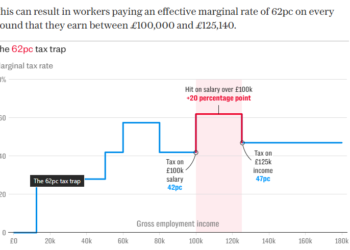 The ‘Career Ceiling’: One in Five High Earners Say £100k Tax Trap is ‘Ruining’ Their Ambition
 Oil and Diplomacy: Russian Refineries Burn as Zelenskyy Secures Middle East Shield
 “A Perfect Storm”: UK Small Businesses Face Doubling Energy Bills as Iran War Rattles Markets
 Debt Relief or Drop in the Ocean? UK Caps Student Loan Interest at 6%
 The $100 Billion Peace: Trump’s ‘Grand Bargain’ Ends Iran Conflict at a Staggering Cost
 The Great Chokehold: Why the Strait of Hormuz is the Epicenter of the 2026 Crisis
 The Prediction Prohibition: White House Staff Barred from Betting on Political Markets
 Relief at the Pump: Irish PM Unveils €505m Package to Stem Fuel Crisis
 Policy Stand-Off: Streeting Denies Any ‘System Update’ to Resident Doctor Pay Deal
 Diplomatic Deadlock: Lebanon Enters High-Stakes Border Talks with ‘No Cards to Play’
 The Fog of War and the Ticker Tape: Suspicious Trades Rile Washington
 Brinkmanship in Islamabad: Tehran Vows ‘New Battlefield Cards’ as Ceasefire Wanes
 ‘The £100,000 Hammer’: War in Iran Forces UK Businesses to Absorb Historic Fuel Hikes
 “Jobs Will Go”: Rishi Sunak Warns AI is Already Eroding Entry-Level Opportunities
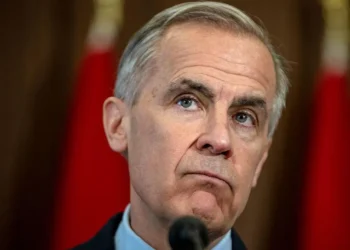 Red Lines in Ottawa: PM Carney Insists US “Won’t Dictate Terms” of Trade Review
 Border Breakthrough: UK and France Finalize New £662m Small Boats Deal
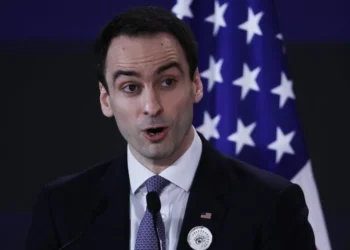 “Industrial-Scale Extraction”: White House Memo Accuses China of Mass AI Theft
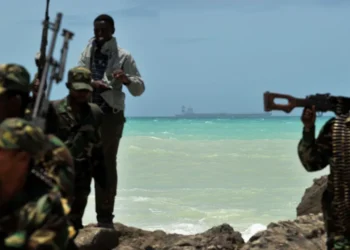 Return of the “Skiffs”: Threat Level Raised as Somali Pirates Seize Second Vessel in a Week