Published: 27 April 2026. The English Chronicle Desk. The English Chronicle Online
For the past seven years, the “For Sale” sign outside a four-bedroom family home in St Albans hasn’t just been a symbol of a sluggish market—it has become a marker of a life on hold. “We can’t sell, we can’t move, and we certainly can’t sleep soundly,” says Mark, who bought the property in 2017 only to watch a massive sinkhole open up in the middle of his quiet cul-de-sac just months later. Today, his home is effectively worth zero, a victim of a “geological lottery” that has left dozens of residents in a legal and financial abyss.

The situation in St Albans is a stark reminder of the growing “sinkhole crisis” across the UK, where aging infrastructure and extreme weather patterns are triggering ground collapses in historic mining areas and chalk-rich regions. For Mark and his neighbors, the misery isn’t just the hole itself—which was filled years ago—but the “Category C” risk rating that has made their properties unmortgageable and, consequently, unsellable.
What was once a thriving community has turned into what locals call a “ghost street,” where residents are trapped by a combination of negative equity and insurance blacklisting.
The Valuation Gap: Despite the houses being structurally sound, surveyors have given them a “nil valuation.” Potential buyers are unable to secure lending, meaning the only possible sales would be to cash buyers at a fraction of the market rate.
Insurance Hikes: Homeowners on the street report that their annual premiums have surged by over 400% since 2019, with some mainstream insurers refusing to renew policies altogether.
The Remediation Stand-off: The local council has spent over £600,000 on ground surveys and temporary repairs, but residents argue that without a “long-term stability guarantee,” the market will never return.
Geologists warn that the 2026 climate data shows a “perfect storm” for sinkhole formation.
Saturated Ground: Following the record-breaking rainfall of the 2025-26 winter, the UK’s limestone and chalk bedrock has seen accelerated “karst” dissolution.
Infrastructure Fatigue: Leaking water mains—some over 100 years old—are a primary trigger. In Crosby, Merseyside, a sinkhole that opened last week was directly linked to a burst Victorian sewer pipe that had been slowly washing away the subsoil for months.
The “Old Mine” Legacy: In regions like Cornwall and South Yorkshire, unmapped historical mine shafts are collapsing under the weight of modern urban development.
The misery for families like Mark’s is compounded by what lawyers call “planning blight.” Because the area is now flagged on environmental searches, any new development or even minor home improvements are subject to prohibitively expensive “ground stability reports.”
“It’s a slow-motion disaster,” says a spokesperson for the Sinkhole Victims Support Group. “If your house burns down, you have a clear insurance claim. If the ground disappears under it, you enter a decade of finger-pointing between the council, the water companies, and the insurers.”
The government’s 10-Year Housing Plan has so far focused on building new homes, but campaigners are calling for a “National Sinkhole Fund” to help those trapped in existing ones.

Compulsory Purchase: Residents are demanding that councils buy the “blighted” properties at pre-sinkhole market rates to allow families to relocate.
Geological Mapping: Experts are calling for a mandatory national database of “at-risk” zones to be integrated into all home-buying searches by 2027.
For Mark, the time for “reports” is over. “We have been living in a state of ‘sinkhole misery’ for seven years,” he says. “Our children have grown up in a house we don’t want, in a street that feels like a trap. We don’t need another survey; we need an exit strategy.”
Related News:
 Debt Relief or Drop in the Ocean? UK Caps Student Loan Interest at 6%
 The ‘Shredder’ Syndrome: Why the 2026 Job Market is Breaking Entry-Level Spirits
 The Kitchen Table Crisis: How the 2026 Iran War Hits Your Wallet
 Shein UK Faces Allegations of Shifting Majority of Profits to Singapore to Reduce UK Tax
 British AI Startup Outshines Human Forecasters in Global Prediction Contest
 China warns UK over delayed London mega embassy decision
 Rachel Reeves to lead UK trade push in Saudi Arabia amid rights debate
 UPS Cargo Plane Crash in Kentucky Kills Seven
 UK New Car Discounts Near £6,000 as Prices Are Slashed
 Royal Mail Blames Poor Weather and Sickness for Delayed Deliveries
 Snow and Rain Warnings as Cold Snap Continues in the UK
 Break from Wintry Weather as UK Temperatures to Climb to 14 °C
 Store at Famous Shopping Village to Close After 18 Years Due to Rising Costs
 Tesco Announces New Rule for Customer Parking Spaces – ‘We Need These Everywhere!’
 Fury as Jobless-Migrant Households Receive Benefits Worth £10bn – ‘We Need to End This’
 Closing Factory Workers Paid to Help at Food Bank
 What’s Next for Andrew Mountbatten-Windsor’s Ex-Wife, Sarah Ferguson?
 US Will Not Back Out of Tariff Deals with UK and Others, Says Trump Trade Representative
 Muslim Group Wants Mosques to Be Used as Polling Stations Ahead of UK Elections
 Why Aren’t Our Dirtiest Roads Getting Cleaned?
 Manchester Students Mourn Ayatollah Amid Protest
 Sarah Ferguson Loses Another £1.5m Amid Financial Struggles
 Courier Firm Bust After 14 Years as Evri Deliveries Face ‘Temporary Disruption’
 Fuel Costs Are Rising — Drivers on the Frontline of the Price Surge
 ‘Heating Oil Suppliers Are Holding Us to Ransom’ as Prices and Cancellations Surge
 UK Wage Growth Slows as Jobs Market Holds Firm
 Rising Costs Force Families to Rethink Days Out
 Teen Admits Filming Westfield Chair Prank
 Glasgow Central Set for Full Reopening After Fire
 PM Seeks to Reassure Australians Over Fuel Supply
 Fire Crews Battle Major Blaze at Coventry Car Dealership
 ‘Horror on the Street’ and ‘Fears Grow over Shortages’
 Michel Rolland: The ‘Spielberg of Wine’ Who Directed the Global Palate
 Gridlock Britain: Easter 2026 Set for Busiest Roads in Four Years
 ‘Please Keep Her in Your Prayers’: Dad Describes Final Moments Before 7-Year-Old Was Swept to Sea
 ‘Better Off Not Planting’: UK Farmers Face 36% Fertiliser Spike as Gulf Crisis Bites
 ‘Something Wasn’t Right’: UK Families Devastated by Sperm Mix-Up at Northern Cyprus IVF Clinics
 From Fallout to Five-Star: Cold War Nuclear Bunker Gains Holiday Let Permission
 ‘The Final Word’: Kathleen Stock’s Polemic Against Assisted Dying Reshapes the UK Debate
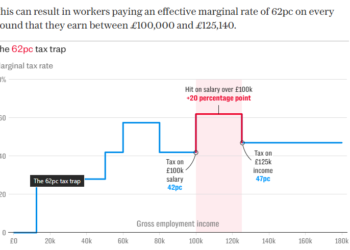 The ‘Career Ceiling’: One in Five High Earners Say £100k Tax Trap is ‘Ruining’ Their Ambition
 ‘Empty Tanks’: UK Drivers Cry Foul as Petrol Prices Surge Amid $120 Oil Threat
 Silver Linings: Why Global Tourism is Finding “Positives” Amidst Iran War Uncertainty
 The ‘Svuota Londra’ Effect: Why the Super-Rich are Swapping Dubai for Milan
 ‘Seismic Change’: How Nationalist Wins in Celtic Nations Could Reshape the UK
 The $100 Billion Peace: Trump’s ‘Grand Bargain’ Ends Iran Conflict at a Staggering Cost
 The ‘Golden Gates’ are Closing: Why Global Travelers are Rethinking the U.S. in 2026
 Property Peak? UK House Prices Dip Amid Geopolitical Jitters and ‘War Uncertainty’
 Diplomatic Sprint: Starmer Heads to the Gulf as 14-Day Truce Holds
 ‘No Gas, No Food’: LPG Shortage Triggers Reverse Migration in Indian Metros
 ‘Significant and Poignant’: Families Gather for 35th Anniversary of IRA Musgrave Bombing
 Global Commerce Crisis: Cooper Demands Immediate, Toll-Free Access to Hormuz
 The Pre-School Lottery: Families Left in ‘Holding Pattern’ as Local Places Vanish
 The Silent Lifeline: Why the 2026 Digital Switchover has Millions Saying, ‘I Didn’t Realise How Much I Needed My Landline’
 Relief at the Pump: Irish PM Unveils €505m Package to Stem Fuel Crisis
 The Price of Help: Fuel Surge Threatens Charitable ‘Power Plant’
 The Liquid Gold Heist: Arrests Made After Man Found with ’20 Olive Oil Bottles’
 The Freedom Hub: Can a Former Women’s Jail Unlock This City’s Potential?
 The Green Mile: Country Lane Solar Farm Set to Power 13,000 Homes
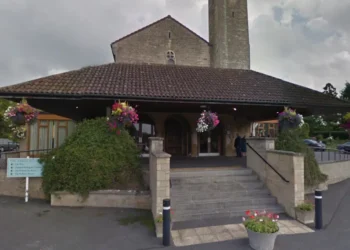 The Sustainable Departure: Crematorium Completes £5m ‘Green’ Transformation
 The Waiting Ward: ‘Month of Worry’ as Doctor Strikes Trigger Seismic Surgery Delays
 The ‘War Tax’: How the Iran Conflict is Siphoning Your Bank Account
 ‘The Triple-Shift Generation’: The 20-Somethings Juggling Three Jobs to Stay Afloat
 Statistical Mirage: UK Unemployment Dips to 4.9% as Students Exit the Workforce
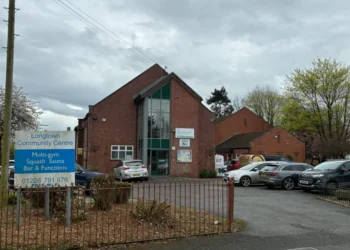 ‘A Beacon of Hope’: £3m Injection Set to Transform Town’s Community Hub
 ‘The Flyover Returns’: A40 Westway Reopens Overnight Following Month-Long Gridlock
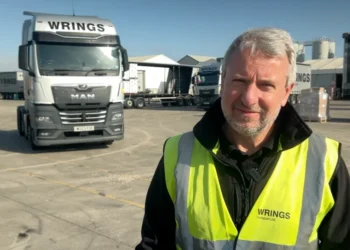 ‘The £100,000 Hammer’: War in Iran Forces UK Businesses to Absorb Historic Fuel Hikes
 ‘Economic Sandbags’: UK Retailers Activate Price Rise Contingency Plans as Supply Chain Strains Mount
 ‘The Cost of a Life’: Air Ambulances Fear Fuel Spikes May Force Operational Grounding
 McDonald’s Leadership Under Fire Over Stance on Workplace Misconduct
 UK Pub Price Hikes: Landlady Calls Drink Increases Last Resort
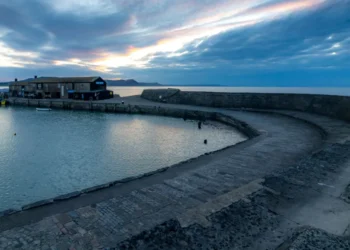 Restoring the Gateway: £6.2m Investment to Save Historic Harbour
 “Jobs Will Go”: Rishi Sunak Warns AI is Already Eroding Entry-Level Opportunities
 The Hidden Debt Trap: Thousands Sued by Councils Over Soaring Home Care Costs
 The Price of Safety: Why Parents are Quitting Careers to Manage Child Food Allergies
 Insult to Injury: Sky Apologises After Demanding “Charred Remains” of TV Box from Fire Victim
 Human Capital for AI Infrastructure: Meta Cuts 8,000 Staff to Fuel $135bn Bet
 Reform UK funding: mystery billionaire revealed
 The £36 Billion Reckoning: BHP Faces Quantum Trial After High Court Liability Landmark
 “We Are Shielding Them”: UK Families Face £11 Billion Hit as Iran War Bills Surge
 The “Long Tail” of War: Minister Warns Economic Scarring Could Last Eight Months Post-Conflict