Published: 28 April 2026. The English Chronicle Desk. The English Chronicle Online.
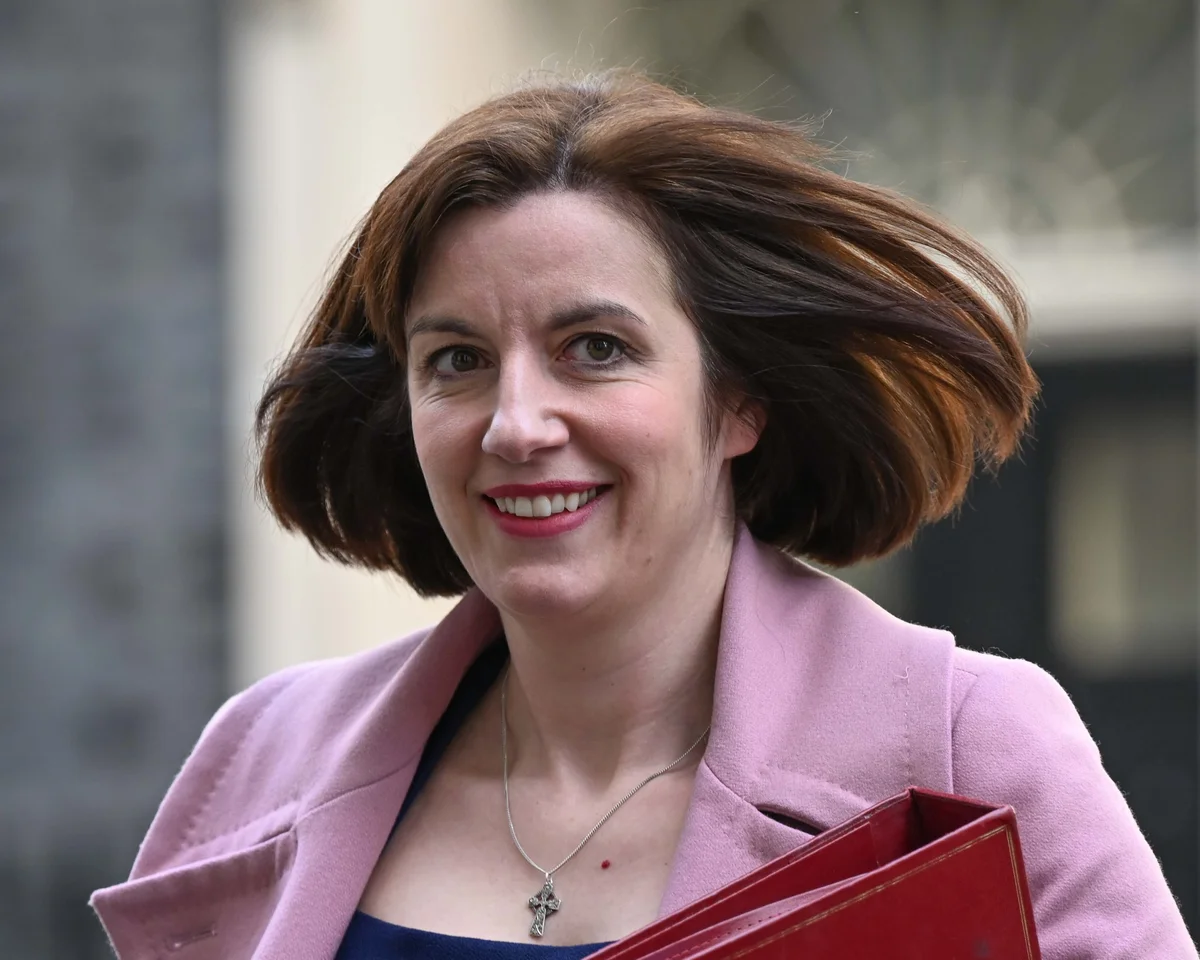
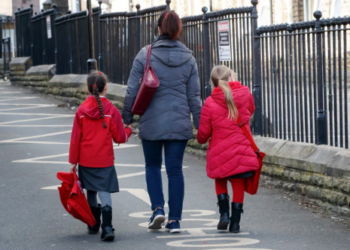
The British government has confirmed that children will face new restrictions regarding their online social media usage. Education Secretary Bridget Phillipson stated that ministers remain open-minded about the exact shape that these future limits will take. Speaking to broadcasters on Tuesday, she expressed significant concerns about the online content that younger individuals are exposed to today. She also highlighted the worrying amount of time that children spend staring at screens during their developmental years. Late on Monday, a junior minister informed the House of Commons that the government intends to introduce formal age or functionality restrictions for users under sixteen. This decision comes after intense, ongoing pressure from the House of Lords, which has repeatedly pushed for a stricter ban.
There have been widespread calls across the country for an Australian-style prohibition on children’s use of social media platforms. In response to these growing concerns, the UK government has already launched an extensive public consultation on future access for under-sixteens. Measures currently under serious consideration include mandatory age restrictions on various social media platforms as well as other digital services like gaming sites. Policymakers are also looking at potential limitations on AI chatbots that are becoming increasingly common among young users. Previously, the UK government had not made any firm commitments on the likely action until this late intervention occurred during negotiations regarding the children’s wellbeing and schools bill.
 On Tuesday morning, Bridget Phillipson told Times Radio that it is not a question of whether the government takes action to protect young people, but rather the precise shape of that vital action. She noted that there are a wide range of sincerely held views from campaigners and families who have different opinions as to how the government can best seek to get this very complex issue right. When asked for her own personal view on the matter, she explained that she remains genuinely open-minded, just as she believes a great many other people are. She is eager to see further action to keep young people safe online, but she also wants to reduce the clear harms associated with the addictive nature of what young people are exposed to on a daily basis. Her priority is to ensure that whatever measures the government takes forward will stand the test of time and remain effective for all future generations.
There are many different ways in which these safety goals can be achieved, and that is why the government has initiated a thorough public consultation to hear directly from people about how they can best implement these changes. The government is committed to doing everything within its power to keep children safe in an increasingly digital world. On Monday night, education minister Olivia Bailey told the House of Commons that the government has said repeatedly that it is a question of how they act, not if. To put this commitment beyond any doubt, the government is placing a clear statutory requirement that the secretary of state must, rather than may, act following the completion of the consultation. This strategy brings forward necessary regulations without pre-empting the actual outcomes of the consultation and demonstrates that the government is not ignoring the tens of thousands of parents and children who have already engaged with the process.
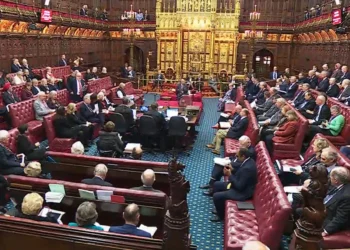
She stated that the current status quo cannot continue and added that they are clear that under any final outcome, the government will impose some form of age or functionality restrictions for children under the age of sixteen. This significant concession by the government came after continued, heavy pressure from the House of Lords over the issue, which was led by the Conservative peer and former education minister John Nash. Peers have now voted four times to press the Commons into accepting an outright ban on children’s social media usage. A proposed ban has been strongly supported by vocal campaigners, including Esther Ghey, whose sixteen-year-old daughter Brianna was tragically murdered by two teenagers back in 2023. Her advocacy has kept the focus of the public and the government squarely on the dangers of unregulated online spaces for vulnerable young people.
A fortnight ago, Prime Minister Keir Starmer held a meeting with executives from X, Meta, Snap, TikTok, and Google, which owns YouTube, to deliver a clear message that urgent changes are needed. The government is navigating a difficult path by balancing the need for immediate, decisive action with the necessity of creating regulations that are both practical and sustainable in the long term. Many experts have warned that a poorly implemented ban could simply drive children toward less regulated, and potentially even more dangerous, corners of the internet. The government is therefore taking the time to consider how best to improve age verification technology to ensure that children have truly age-appropriate experiences while online. These efforts build upon the existing framework of the world-leading Online Safety Act, which already provides some protections against harmful content.

The education secretary believes that building digital literacy skills alongside these new restrictions is a crucial part of the broader plan to support families. She noted that technology should ideally enrich children’s lives rather than cause them harm, and the government is working hard to ensure that every child receives the best start in life possible. As the consultation continues, the voices of parents, teachers, and children themselves will play an essential role in shaping the final policy. The government is committed to working with tech companies to ensure they take greater responsibility for the design features that drive compulsive usage, such as infinite scrolling and notification streaks. While the path forward is complex, the government remains focused on its objective of creating a safer digital environment for every child across the United Kingdom.
Parliamentary discussions are expected to continue in the coming weeks as the children’s wellbeing and schools bill reaches its final stages of scrutiny. The government is confident that this legislative process will result in robust, enforceable measures that will meaningfully protect young people from the documented harms of excessive social media exposure. Ministers have promised to keep the public updated on the findings of the consultation and the next steps that the government intends to take to implement these necessary safeguards. The public is encouraged to continue sharing their thoughts and experiences during this final phase of the consultation process, as their feedback remains vital. Ultimately, the success of these measures will be judged by their ability to foster a healthier and safer digital upbringing for the nation’s youth. The government remains hopeful that these collective efforts will lead to a more balanced, positive relationship between young people and the technology that defines their daily lives.
Related News:
 Green Party Surges Past Labour in Latest UK Poll
 Trump’s UK Ambassador Urges North Sea Drilling to Strengthen US Ties
 French Taxi Driver Cleared in David Lammy Theft Case After Fare Dispute
 Millionaires group urge Reeves to introduce wealth tax to ‘lift kids out of poverty’
 Starmer Faces Growing Dissent as Labour MPs Weigh Leadership Challenge
 Reeves rejects £1bn plea for NHS redundancy payouts
 PM Condemns Leaks, Vows Loyalty to Ministers and Stability
 Major Rent Reform Ends No-Fault Evictions in England
 Peers Flood Assisted Dying Bill with 942 Amendments
 Most Tories Expect to Support a Farage-Led Government
 Labour MP claims devolution bill is ‘blatant discrimination’ against Cornwall
 Millions Face Higher Taxes Under Reeves New Budget
 Starmer Says Labour’s Economic Plan Needs Years to Deliver
 Culture secretary to review Telegraph takeover by Daily Mail owner
 UK Government Borrowing Drops to £11.6bn in December
 Labour Blocks Burnham as Party Rift Deepens Ahead of Polls
 Andy Burnham and the Labour Rift Over Power and Leadership
 Huge mistake: Labour blocks Burnham from byelection bid
 Artificial intelligence will cost jobs, admits Liz Kendall
 Labour targets Greens on drugs in Gorton Denton byelection
 Greens nominate Hannah Spencer for Gorton and Denton byelection
 Mandelson Faces Police Inquiry Over Epstein Leak
 Starmer Condemns ‘Depraved’ Russian Strikes on Ukraine
 Labour Thinktank Row Deepens Over Journalist Probe Claims
 Morgan McSweeney downfall shocks Labour leadership
 Labour Lord Doyle Apologises Over Paedophile Ties in Political Storm
 Cabinet Secretary Shake-Up Triggers Due Diligence Warning
 Starmer Faces Inquiry Calls Over Thinktank Probe
 Royal Mail Delivery Crisis Deepens Amid Weather Chaos
 UK shelves £110m border project amid trade strain
 Farage Unveils Reform UK Frontbench Team
 California Democrats Vow Trump Reckoning
 Trump Tariffs Threat Spark UK and EU Alarm
 Wales Approves Assisted Dying Bill Consent
 UK EU Trade Reset Gains Public Backing
 Your Party leadership fight nears dramatic end
 NHS Maternity Units Cover Up Harmful Childbirth Errors
 Green Party Stuns Labour in Gorton and Denton Byelection
 Corbyn Leads Your Party in Coordinated Left-Flank Strategy
 Labour Together scandal sparks clean break vow
 Asylum Seekers to Work After Year-Long Wait
 Starmer Row as Greens Demand Apology
 Proposed Law Leaves Gap for Children of Convicted Paedophiles
 Gordon Brown urges court for crimes against children
 Starmer Praised for Stance on Trump and Iran Conflict
 Inquiry into HMRC child benefit errors launched by NAO
 NHS Plans to Cut Overseas Workers Labeled Overambitious
 Farage Faces Backlash Over Crypto Cameo Endorsements
 Family Court Reform Promises New Era for UK Families
 Army Probes Apache Flyover at Kid Rock’s Nashville Estate
 Relationship with Trump may be beyond repair, Starmer warned
 Unions Raise Concerns Over Doctors’ Pay Dispute
 UK Government Poised to Revive Stalled Hillsborough Law
 Starmer Faces Commons Test Over Mandelson Scandal
 UK Stands Firm on Falklands Amid US Rift
 Crackdown Backfires on UK Climate Protesters
 Starmer Survives Mandelson Rebellion
 Labour Members Doubt Starmer Future as Burnham Leads Poll
 Reform UK Faces Crisis as Newly Elected Councillors Resign
 Farage Faces New Questions Over Private Helicopter Use
 NHS Drug Deal Faces Legal Threat Over US Trade Agreement
 Green Party Makerfield Candidate Resigns Over Posts
 UK Welfare: Focus on Jobs Over Benefit Cuts, Says JRF
 Secret Role of UK Security Services in Troubles Amnesty Law
 Starmer Leadership Under Pressure After Setbacks
 The Hidden Crisis Eroding Trust in British Communities
 Deepfake Abuse on X Sparks Safety Concerns for Dissidents
 Modernising the Military: Carns Demands Urgent Procurement Reform
 UK Ministers Lobby Trump Over Under-16s Social Media Ban
 Starmer Resolves to Fight Burnham in Leadership Battle
 Starmer Resigns as Prime Minister Amid Internal Pressure
 MP Warning: Northern Rail Risks Repeating HS2 Failures
 Hollie Ridley to Step Down as Labour General Secretary
 New South Wales Premier Chris Minns Signals Tough Road Ahead for Labor
 Jarvis Urges Burnham to Secure 3.5% Defence Spending
 Farage Warns Sky News Following Financial Inquiry
 Reform UK Finances Face Deep NCA Probe
 Ann Widdecombe, Formidable Political Figure, Dies at 78
 Treasury Reform Urged After Tragic Loss
 Sadiq Khan Backs Call for Maximum UK Work Heat Limit