Published: 29 April 2026. The English Chronicle Desk. The English Chronicle Online
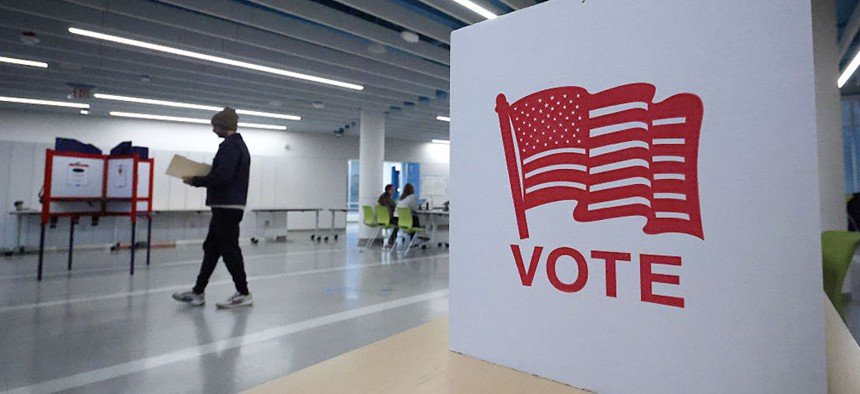
A US federal judge has blocked an attempt by the Trump administration to obtain detailed voter registration data from the state of Arizona, marking a significant legal setback in a broader national effort to access sensitive voter information ahead of upcoming midterm elections.
The ruling came after a federal court dismissed a lawsuit filed by the US Justice Department against Arizona, ending what had become part of a wider legal push by the administration to secure voter roll data across multiple states. According to court filings, the Justice Department had sought access to extensive voter records containing personal information such as dates of birth, residential addresses, driver’s licence numbers, and partial social security details.
The case was dismissed by US District Judge Susan Brnovich, who ruled that Arizona’s statewide voter registration database is not subject to the type of federal request made by the Justice Department under existing law. The judge, appointed during President Donald Trump’s previous term, stated that allowing the lawsuit to proceed further would be legally futile, effectively closing the case with prejudice.

The decision is being viewed as part of a growing series of judicial pushbacks against federal efforts to expand access to state-level voter data. According to legal filings and independent reporting, the Justice Department has initiated similar lawsuits or requests in at least 30 states and the District of Columbia as part of a nationwide initiative to review voter registration systems.
While some states have voluntarily cooperated and provided voter roll data, others have resisted strongly, citing privacy concerns and constitutional protections. States including Alaska, Texas, Ohio, and South Carolina are among those reported to have shared information, while several others continue to challenge federal demands in court.
Arizona Secretary of State Adrian Fontes welcomed the ruling, describing it as a major victory for voter privacy. He argued that the federal government’s request involved highly sensitive personal data and raised serious concerns about privacy and state autonomy. Fontes also emphasised that multiple courts have now reached similar conclusions in related cases, reinforcing the legal position that such voter databases are not easily accessible to federal authorities without clear legislative backing.
The legal conflict has intensified political debate over the balance of power between federal and state governments in managing electoral systems. Under the US Constitution, states retain primary responsibility for maintaining voter rolls. The National Voter Registration Act of 1993 requires states to make reasonable efforts to ensure voter eligibility but does not grant unrestricted federal access to detailed voter data.
In parallel proceedings, Justice Department officials have indicated that some of the data obtained through cooperation agreements has been shared with the Department of Homeland Security, where it is used in citizenship verification systems. One such system, known as the SAVE database, cross-checks immigration and citizenship status using partial personal identifiers.
However, critics argue that reliance on such databases can lead to inaccuracies. Studies from independent policy organisations suggest that outdated or incomplete records can result in false flags, potentially affecting eligible voters. Concerns have also been raised that erroneous matches could lead to wrongful removal from voter rolls, raising fears of disenfranchisement.
Election integrity experts remain divided over the necessity and risks of the federal initiative. Some argue that robust verification systems are essential to maintain public trust in elections, while others warn that overreach in data collection could undermine confidence and fuel misinformation about voter fraud.
Legal analyst David Becker of the Center for Election Innovation & Research has previously stated that there is limited legal justification for broad federal collection of voter data without explicit congressional approval. He cautioned that such actions could contribute to political narratives questioning the legitimacy of electoral systems, particularly in closely contested states.

The Justice Department has not yet issued a formal response to the court’s decision in the Arizona case. However, the ruling adds to a series of judicial setbacks faced by the administration in similar lawsuits filed in states including Rhode Island, California, Massachusetts, Michigan, and Oregon, where courts have also ruled against federal attempts to access voter roll data.
As legal battles continue across the country, the issue of voter data access is becoming a central point in the broader debate over election administration in the United States. With the midterm elections approaching, the outcome of these disputes is likely to have significant implications for how voter information is handled and protected in the future.
For now, the Arizona ruling stands as a clear reaffirmation of state authority over voter registration systems and highlights the ongoing tension between federal oversight and state-level control in one of the most sensitive areas of American democracy.
Related News:
 US Court Weighs Fate of TPS for Migrants
 Immigration Judges Fear Pressure in Trump Era
 Trump’s Revenge Drive Deepens GOP Divide
 Trump Orders Signs Criticising Smithsonian Museum
 US National Guard Member Killed in DC Shooting
 Trump to pause migration from ‘third-world countries’
 Franklin Turtle, Sabrina Carpenter Slam US Social Media Use
 Trump officials continue false claims after Alex Pretti shooting
 Partial US Government Shutdown Hits Homeland Security Funding
 Thousands Protest ICE Operations in Nationwide US Day of Action
 Melania Trump Epstein remarks spark survivor backlash
 Swalwell Faces Pressure to Quit Governor Race
 Harmeet Dhillon Faces Scrutiny in DOJ Role Debate
 Trump at Press Dinner Sparks Tension
 US Labor Department in turmoil after secretary resigns
 Trump DOJ Targets James Comey Again
 Florida Redistricting Map Sparks Major US Political Battle
 US Voting Rights Ruling Sparks Celebration and Outcry
 US Court Ruling Reshapes Voting Rights Landscape
 US states redraw maps after voting rights ruling
 Judge halts deportation of Yemeni refugees in US
 UK may ban protests amid rising antisemitism fears
 White House Security Case Sparks Political Firestorm
 Trump warns Iran as Middle East tensions surge again
 US Supreme Court fast-tracks Voting Rights ruling
 US Court Restores Abortion Pill Access Temporarily
 Florida Surgeon ‘Devastated’ Over Fatal Surgery Error
 FDA Chaos Deepens as Trump Eyes Makary Exit
 US judge dismisses Kilmar Abrego Garcia indictment
 US green card applicants must apply from abroad, DHS says
 Tulsi Gabbard exits after turbulent intelligence tenure
 Former ICC prosecutor condemns US sanctions
 Gunman Killed After White House Security Shootout
 Prosecutor Proposes Law to Combat Election Deceit
 Trump Weighs Retreat from Controversial $1.8bn Slush Fund
 Trump’s Mount Rushmore Speech: A Divisive Anniversary
 Le Pen’s Popularity Holds Despite Conviction
 Mystery Grows Over Mitch McConnell’s Health
 Trump Refuses to Sign Housing Bill, But Law Takes Effect
 Is America Ready for an AOC Presidential Run?
 French Taxi Driver Cleared in David Lammy Theft Case After Fare Dispute
 Major Rent Reform Ends No-Fault Evictions in England
 Peers Flood Assisted Dying Bill with 942 Amendments
 US Justice Department Files Lawsuit Against California Over Partisan Voting Maps
 Trump Deploys DHS to Charlotte in Major Arrest Operation
 ICC to Rule on Duterte’s Provisional Release
 Australia grants Asio powers to designate hate groups under new laws
 Trump press secretary attacks reporter over ICE question
 Kyrsten Sinema Faces High-Profile Lawsuit Over Marriage Interference
 Trump Fed bid heads to Supreme Court
 Sinema payment row deepens after $9,000 transfer claim
 Nurses’ families fear breakup under UK immigration crackdown
 California Democrats Vow Trump Reckoning
 Trump’s Surgeon General Pick Evades Vaccine Questions
 Adelaide University Faces Backlash Over Event Cancellation
 Proposed Law Leaves Gap for Children of Convicted Paedophiles
 Report Says Pezzullo Acted ‘Recklessly’ in Dealings
 Hungary election: Orbán faces biggest test amid scandal
 Suspected Plot Targets Pipeline Before Hungary Vote
 Trump Signals Hope for New Iran Talks as Ceasefire Fades
 Kezia Dugdale Warns of Possible Reversal of Equal Rights Gains
 UK Stands Firm on Falklands Amid US Rift
 Crackdown Backfires on UK Climate Protesters
 Investigation Into Anti-Trump Motives After Gala Shooting
 Trump Defiant After Washington Hotel Shooting
 Identity Revealed: Suspected Washington Gunman Named
 Ukraine Urges UK to Seize Russian Oil Tankers
 Greens Face Internal Row Over Antisemitism Claims
 Trump approval plunges amid Iran war fears
 Ohio’s Battle for Trust: Democrats Vying to Flip the Buckeye State
 US ‘Narco Boat’ Strikes Draw Global Outcry
 Afghan Families Left in Limbo Face Risk of Deportation
 US Awaits Iran Reply on New Ceasefire Proposal
 DeSantis’s ‘Alligator Alcatraz’ Faces Final Shutdown
 Starmer Leadership Under Pressure After Setbacks
 House Curbs Trump’s War Powers in Rare Rebellion
 US Courts Back Trump on Park Signage Removals
 Houthis Strike Saudi Arabia as Middle East Tensions Rise
 Westminster Council Threatens Charing Cross Soup Kitchen
 BBC Warned About Missing Clothes of Murder Victim