Published: 30 April 2026. The English Chronicle Desk. The English Chronicle Online.
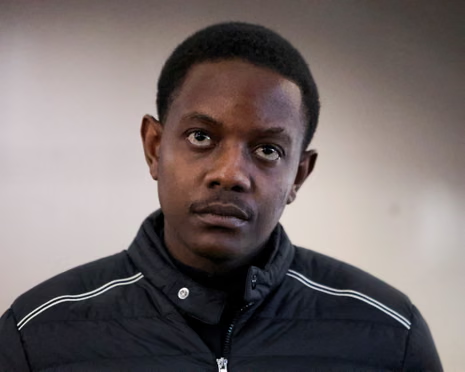
The legacy of the Mugabe family has faced a dramatic and public reckoning this week. A South African court delivered a significant ruling involving the youngest son of Robert Mugabe. Bellarmine Chatunga Mugabe has been ordered to leave the country following several serious legal charges. This development follows a violent incident at the family villa located in a wealthy Johannesburg suburb. An employee was shot in the back during a confrontation at the residence last February. The legal proceedings have drawn intense media scrutiny across Southern Africa and the United Kingdom alike.
Bellarmine Mugabe appeared in court alongside his cousin Tobias Mugabe Matonhodze for the sentencing hearing. Both men were initially facing attempted murder charges linked to the shooting of Sipho Mahlangu. The victim is a twenty-three year old man who worked at the lavish Mugabe estate. Earlier this month Matonhodze took full responsibility for the shooting by pleading guilty to several crimes. These crimes included attempted murder and the possession of an illegal and unregistered firearm in public. He also admitted to defeating the ends of justice because the weapon was never found. The court sentenced Matonhodze to three years in prison for his role in the violence.

The legal fate of Bellarmine Mugabe took a different path during the final court session. The attempted murder charges against him were ultimately dropped after specific negotiations within the legal system. However he did plead guilty to two unrelated offences that led to his immediate deportation. One charge involved a separate incident where he pointed a toy gun at another person. This occurred in twenty twenty-three and was deemed likely to be seen as real. The magistrate imposed a fine of four hundred thousand rand for this specific criminal act. This amount is roughly equivalent to nearly eighteen thousand pounds in current British currency rates.
In addition to the firearm offence Mugabe faced charges for violating South African immigration laws. He admitted to being in the country illegally which added further complications to his case. The court issued another fine of two hundred thousand rand for this immigration law breach. This second fine equals nearly nine thousand pounds which the defendant was required to pay. Magistrate Renier Boshoff presided over the hearing and spoke candidly to the two young men. He expressed some skepticism regarding the true nature of the events at the family home. The magistrate noted that he could only act on the evidence presented to him.
The judge mentioned that he wondered if Matonhodze was simply taking the rap for Mugabe. This comment highlighted the complex dynamics and potential influence within the prominent Zimbabwean political family. Despite these private doubts the court was bound by the guilty pleas and the evidence. Several factors contributed to the mitigation of the final sentences handed down by the magistrate. Both men chose to plead guilty which saved the court significant time and public resources. They also had already spent a considerable amount of time in prison awaiting their trial. These periods of incarceration were taken into account when the judge determined the final penalties.
A major factor in the sentencing was the attitude of the shooting victim himself. Sipho Mahlangu expressed a desire to withdraw the charges against the two Mugabe family members. This change of heart followed a substantial financial settlement paid by Mugabe and his cousin. Investigating officer Raj Ramchunder provided specific details regarding this payment during the formal sentencing hearing. He told the court that Mahlangu had already received two hundred and fifty thousand rand. An additional one hundred and fifty thousand rand was promised to be paid very soon. This total settlement is worth over seventeen thousand pounds for the injured young employee.
Prosecutors had originally asked for much longer jail sentences for both of the accused men. They argued that the gravity of the crimes warranted a more severe and lasting punishment. However the magistrate noted that both Mugabe and his cousin were considered first time offenders. This status helped them avoid the most stringent penalties available under South African criminal law. Despite this Mugabe has experienced several brushes with the law in his home country before. Zimbabwean media reported that he was arrested for allegedly assaulting a police officer last year. He was also bailed following an alleged assault on a security guard at a mine.

The status of those previous cases in Zimbabwe remains unclear to the public at large. These incidents contribute to a growing reputation for trouble surrounding the sons of the leader. Robert Mugabe ruled Zimbabwe for nearly forty years before his eventual removal from high power. He was initially hailed as a hero for ending white minority rule in the nation. However his long presidency eventually turned toward authoritarianism and massive economic collapse for the citizens. He was deposed in a military coup in twenty seventeen and died two years later. His children have often made headlines for their extremely lavish and very public lifestyles.
Bellarmine and his older brother Robert Junior became notorious for sharing their wealth online. They frequently posted photos of designer clothes and luxury cars on various social media platforms. This display of opulence often contrasted sharply with the economic hardships faced by many Zimbabweans. Their mother Grace Mugabe also found herself at the centre of a major legal scandal. In twenty seventeen she was accused of assaulting a young model named Gabriella Engels. The former first lady allegedly used an electric cable to strike the model in Johannesburg. She avoided prosecution at the time by invoking her status of official diplomatic immunity.
The current ruling marks a definitive end to Bellarmine Mugabe’s residency in South Africa. The magistrate ordered the police to escort him directly to the international airport in Johannesburg. He will be deported back to Zimbabwe where his future remains a subject of speculation. This case serves as a reminder of the legal challenges facing the once powerful family. It also highlights the persistent scrutiny of the Mugabe name across the entire African continent. Many observers see this deportation as a significant fall from grace for the young man. The shooting incident has left a lasting impact on the reputation of the Mugabe estate.
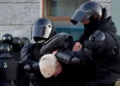
The South African authorities have sent a clear message regarding the rule of local law. Even individuals from famous political backgrounds must face the consequences of their own personal actions. The deportation process was carried out swiftly following the conclusion of the court proceedings today. Mugabe was seen being led away by officers to begin his journey back home. His cousin will remain in South Africa to serve his three year prison sentence. This concludes a dark chapter for the family in the suburbs of wealthy Johannesburg. The public interest in the Mugabe family legacy continues to remain exceptionally high today.
The story of the Mugabe sons is often viewed as a cautionary modern tale. It reflects the complexities of growing up in the shadow of a powerful political figure. Their actions continue to spark debate about accountability and the privilege of political elites. As Bellarmine returns to Zimbabwe many wonder if he will face further legal troubles there. For now the South African courts have closed their books on this specific matter. The victim of the shooting continues his recovery following the traumatic events of February. This high profile case will likely be remembered for its dramatic and sudden conclusion.
Related News:
 Capitol Attack Anniversary Sparks Deep Political Divide
 Saudi Officials Report Zubaidi Flee Before Yemen Peace Talks
 UK Targets in New York Bomb Threat Hoax: Man Jailed
 Gambia Supreme Court Hears Case to Overturn FGM Ban
 Trump targets Iran trade with 25% tariff warning
 US Senate rejects resolution limiting Trump military powers
 Gulf states warn Trump Iran strikes risk wider Middle East war
 Machado Trump medal gesture reshapes Venezuela power struggle
 Greenland defence seen as shared Nato duty amid troop arrivals
 Geopolitical football: Iran, Trump and the World Cup clash
 Canada-China trade gains momentum in new strategic partnership
 Trump Receives Machado’s Nobel Medal in White House Meeting
 Syria President Declares Victory as Ceasefire Reached with SDF
 Shinzo Abe’s killer receives life sentence in Japan
 China General Under Investigation Amid Leadership Purge
 Philippines ferry disaster leaves 15 dead, dozens missing
 Cambridge Faces Scrutiny Over Arms Investment Transparency
 Epstein UAE Emails Shake British Royal Andrew’s Legacy
 Christchurch gunman seeks to vacate guilty plea
 Infantino Faces Russia Threat and Trump Concerns at Uefa Congress
 Concerns rise for Canberra boy amid Iran detention fears
 Caribbean Leaders Urge Dialogue Amid US Oil Embargo on Cuba
 Ukraine Sends Drone Experts to Defend US Bases in Jordan
 Abramovich Chelsea Sale Cash Faces Jersey Probe
 Yvette Cooper: UK Must Follow Principles, Not US Pressure
 Slovenia Election: A Nation at a Crossroads
 Jury Rules Meta and YouTube Liable for Addictive Design
 Saudi Arabia Urging US to Keep Up Iran Attacks
 Trump Softens Cuba Oil Stance as Russian Tanker Nears
 The Woman Guarding Earth From the Threat of Asteroids
 IMF Predicts Global Economic Crisis Due to Gulf Unrest
 California Defies Trump With Strict New AI Standards
 Germany Grapples With AI Abuse Following TV Star Scandal
 Exiled Tycoon Warns of New Russian Attacks on UK Soil
 Labor Under Fire Over Stalled University Fee Reform
 LA 2028: Millions of Affordable Olympic Tickets Announced
 Trump Slams Europe as Transatlantic Tensions Boil Over
 Inside the Deceptive Machine: A Former Producer Speaks Out
 Italy Faces Third Successive World Cup Absence After Loss
 Starmer Urges Ambitious EU Ties Amid Middle East Conflict
 Spain Faces Backlash Over Xenophobic Chants in Egypt Draw
 A Global Voice For Justice: Stephen Lewis Dies At Age 88
 Trump Issues Stark Warning After Strike On Iran’s Largest Bridge
 Hope and Fear as Iranians Flee Across the Turkish Border
 Tragic End to Outback Search as Floods Claim a Life
 Ben Roberts-Smith Arrested Over Alleged War Crimes
 Reform UK Pledges To Halt Visas Over Reparations Demands
 US and Iran Agree to Two-Week Provisional Ceasefire
 Starmer visits Gulf as US and Iran agree ceasefire
 Gaza Child Arrives in UK for Life-Changing Care
 Israel Defies Ceasefire as Lebanon Operations Persist
 Pakistan Brokers Historic Peace Deal Amid Rising Tensions
 UK Holds Firm on Strait of Hormuz Amid Trump Pressure
 Rory McIlroy Eyes New Horizons After Masters Defence
 Trump Signals Hope for New Iran Talks as Ceasefire Fades
 Reeves Slams Trump Over Iran War Lack Of Exit Plan
 US and Iran Pursue Extension of Ceasefire via Pakistan
 Trump’s Islamabad Gamble: The High Stakes of a New Iran Deal
 Wall Street Hits Historic High Amid Hopes for Iranian Peace
 Ian Katz to Step Down as Channel 4 Content Chief
 The General’s Gambit: Pakistan’s New Role in Global Peace
 Mexico, Spain and Brazil call for Cuba dialogue amid crisis
 US Forces Seize Iranian Ship Near Hormuz Blockade
 Pakistan’s Ambitious Bid for Middle East Peace
 Trump Starts $166bn Tariff Refund Process
 Israeli Soldiers Jailed Over Vandalism of Lebanese Statue
 Trump Weighs Sending Afghan Allies to the Congo
 Timor-Leste Faces Tough Questions Over Resort Proposal
 Pentagon Shakes Up Navy Leadership Amid Hormuz Blockade
 Trump Threatens UK With Big Tariff Over Tech Tax
 Prominent Voices Challenge Palestine Action Ban
 Security Scrutiny After Washington Shooting Incident
 Stalled Diplomacy: Middle East Peace Efforts Reach Deadlock
 Merz Criticises US Approach in Iran Conflict
 UK Envoy Sparks Controversy Over Special Relationship Claims
 Ukraine Urges UK to Seize Russian Oil Tankers
 US Calls Australia Media Law “Foreign Extortion”
 The Billionaire’s Secretary and the £1m Fraud
 Desperation in Odisha: A Brother’s Grim Bank Protest
 Questions Remain Over The Tragic Bondi Massacre