Published: 02 May 2026. The English Chronicle Desk. The English Chronicle Online
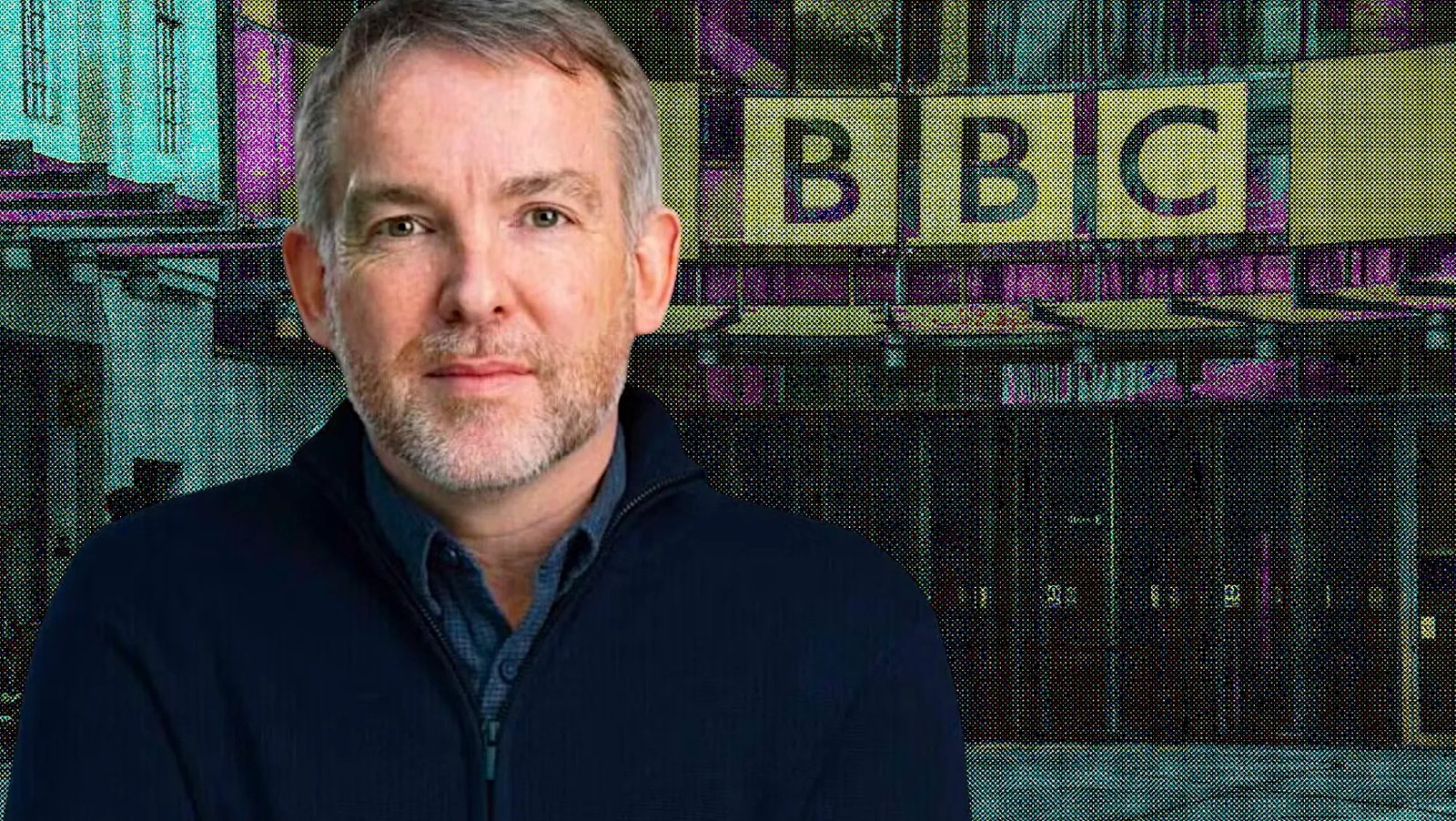
The BBC is preparing for one of the most significant restructuring exercises in its recent history, with its news division set to absorb deeper-than-expected financial cuts as part of a wider corporation-wide cost-saving programme that could result in up to 2,000 job losses. Staff have been warned that BBC News will face a 15% reduction in costs, exceeding the broader organisation’s average target of around 10%, as the publicly funded broadcaster seeks to close a £600 million budget gap.
The move comes amid increasing financial pressure on the corporation, alongside leadership changes at the highest level. The transition period follows the appointment of Matt Brittin, the former senior Google executive, who is set to take over as Director General on 18 May. His arrival marks a pivotal moment for the BBC, which has recently faced internal disputes, political scrutiny, and reputational challenges.
The scale of the proposed cuts has raised concerns within the organisation, particularly among journalists and production staff who make up a large portion of the news division. BBC News employs a significant share of the corporation’s total workforce and has already undergone multiple rounds of restructuring in recent years. However, internal briefings now suggest that the division will be required to go further than most other departments in reducing expenditure.

During internal discussions with staff, senior management confirmed that the majority of savings will come from staffing reductions. Leaders within the news division explained that while the 10% target applies across the BBC as a whole, operational realities mean some departments will need to reduce costs more heavily than others. As news production relies primarily on human resources, the pressure on editorial and technical teams is expected to be particularly severe.
The corporation’s latest financial reporting shows that BBC News and current affairs operations cost more than £300 million annually, with a significant proportion allocated to salaries. Management has indicated that restructuring will likely focus on workforce reductions, efficiency improvements, and potential changes in how content is gathered and produced. Staff were told that job cuts would form a central part of achieving the required savings.
Concerns have also emerged about how these cuts may affect the BBC’s operational model. Some employees fear a shift towards more centralised production, particularly in radio and regional output. There is speculation that local programming could be consolidated into broader network broadcasts, a strategy already adopted by several commercial media organisations in the UK.
There are also discussions about increased reliance on mobile journalism technology, which could reduce the need for traditional outside broadcast teams and satellite vehicles. Such changes would represent a significant shift in how news is gathered and delivered, potentially altering the working structure of field journalists and technical crews.
The financial restructuring comes at a time of leadership transition and reputational sensitivity for the BBC. The departure of Tim Davie followed months of scrutiny over impartiality concerns raised by a former adviser, as well as criticism surrounding editorial decisions, including the handling of a speech by former US President Donald Trump. The corporation later issued an apology, which contributed to increased public and political attention.
In internal briefings, senior executives have acknowledged that difficult decisions lie ahead. Management has indicated that every department will be required to examine its spending, including travel budgets, consultancy fees, event participation, and external services. The BBC has already implemented cost-control measures in recent years, including significant reductions in travel expenditure and tighter restrictions on non-essential spending.
However, staff concerns extend beyond immediate job losses. Many employees are worried about the long-term implications for editorial independence, programme quality, and the BBC’s ability to maintain comprehensive coverage across the UK and internationally. BBC News plays a central role in the corporation’s public service mandate, and any reduction in resources is likely to have a wide-reaching impact.
There is also debate within the organisation about whether higher-paid executives and on-air talent should share more of the financial burden. The BBC employs hundreds of senior leadership staff earning six-figure salaries, alongside a substantial number of presenters and journalists in high-profile roles. Some internal voices have suggested that restructuring should not disproportionately affect frontline production staff.
Despite these concerns, management has emphasised that no area of the organisation will be exempt from review. The chief customer officer has previously noted that certain divisions generate more revenue relative to their operating costs, which may influence where cuts are concentrated. However, in departments like news, where staffing forms the majority of expenditure, reductions are expected to be more pronounced.

Industry observers have warned that the BBC’s planned restructuring reflects wider challenges facing traditional public broadcasters in the digital age. Declining licence fee income growth, rising production costs, and competition from global streaming platforms have all placed pressure on the organisation’s financial model. As audiences shift towards online and on-demand content, broadcasters are increasingly being forced to rethink how they allocate resources.
The BBC has stated that further details of the restructuring plan will be communicated in the coming months, with departmental allocations expected to be confirmed in June. Staff who may be affected are likely to be informed by September, marking a prolonged period of uncertainty across the organisation.
As the corporation prepares for these changes, attention will remain focused on how it balances financial sustainability with its public service obligations. The outcome of this restructuring will not only shape the future of BBC News but could also influence the broader direction of public broadcasting in the United Kingdom.
With the scale of cuts now becoming clearer, the coming months are expected to be critical for staff morale, organisational stability, and the BBC’s long-term editorial strategy.
Related News:
 Reeves Fights to Keep Treasury Role Amid Labour Turmoil
 Wealthy Britons Flee Gulf War but Avoid UK Taxes
 UK Wage Growth Slows as Jobs Market Holds Firm
 UK Doubles Steel Tariffs to 50% to Protect Domestic Plants
 New UK advice scheme to boost savings and investing
 UK Pushes for New EU Goods Trade Deal
 UK rejects EV charging VAT cut amid Treasury clash
 Labour MPs Urge Burnham to Revive UK Aid Target
 Tories Push to Dilute Labour’s Workers’ Rights Bill
 Trump’s UK Ambassador Urges North Sea Drilling to Strengthen US Ties
 Rachel Reeves Set to Break Labour Pledge and Raise Income Tax
 Thinktanks Urge Rachel Reeves to Reform UK Tax System
 Company linked to Michelle Mone owes £39m in tax
MPs Press Rachel Reeves to Hike Gambling Taxes
Company linked to Michelle Mone owes £39m in tax
MPs Press Rachel Reeves to Hike Gambling Taxes
 Cuts to home insulation funding threaten UK climate goals
 Millionaires group urge Reeves to introduce wealth tax to ‘lift kids out of poverty’
 PM Highlights UK Business at G20 in South Africa
 English Mayors Set to Introduce Tourist Taxes
 Starmer Says Labour’s Economic Plan Needs Years to Deliver
BBC bosses ‘right to stick by their guns’ against Trump, says minister
Starmer Says Labour’s Economic Plan Needs Years to Deliver
BBC bosses ‘right to stick by their guns’ against Trump, says minister
 China Dependence Threatens UK Energy Supply Chains and Jobs
 MPs warn AI financial risks threaten UK stability
 MPs warn AI financial risks threaten UK stability
 UK Government Borrowing Drops to £11.6bn in December
 Labour Must Revive High Streets to Avoid Election Collapse
 Barclays drops Global Counsel after Mandelson link scrutiny
 Unsustainable gaps in franchise policing, MPs warn
 UK shelves £110m border project amid trade strain
 UK Sees Record £30.4bn Budget Surplus, Boosting Reeves’ Position
 Ministers Urged to Ban Crypto Political Donations
 Reeves Must Back Defence Plan or Face Dismissal, Says Unite Chief
 OBR Reform Row Deepens Before Spring Forecast
 Farage Faces Backlash Over Crypto Cameo Endorsements
 Oil and Gas Prices Surge Amid Iran-Israel Attacks on Gasfields
 Starmer Adviser Urges New Profit Cap on Energy Firms
 Fuel Duty Relief Plea Amid Middle East Oil Crisis
 Unions Raise Concerns Over Doctors’ Pay Dispute
 OpenAI Halts Stargate UK Project Amid Energy Crisis
 Student Loan Interest May Rise Despite 6% Cap
 Carmakers Face £3bn Gap in UK Loan Payout Scandal
 Richard Tice Faces £100k Tax Controversy
 Reform UK funding: mystery billionaire revealed
 Albanese Rejects Gas Export Tax Push
 Silent Tracks: Rail Line Without Passengers
 City & Guilds Faces Governance Crisis Over Sale
 Labour Faces Internal Pressure for Bold Economic Shift
 Labour Factions Propose Bold Tax Cuts Amid Leadership Storm
 Thames Water Rescue Package Hit by Downing Street Chaos
 Kevin Warsh sworn in as Fed chair amid economic backlash
 Albanese Defends Tax Reforms Amid Emotional Speech
 UK Urged to Build EU Rejoin Consensus, Says Miliband
 Essex valley emerges as rising English wine hub
 UK Supply Chains Face Major Risks From Global Instability
 Nationwide Faces Governance Scrutiny Ahead of AGM
 Hungary Targets Oligarchs with Proposed Landmark Wealth Tax
 Hospitality Traders to Exploit Summer VAT Cut Loophole
 Andy Burnham Enlists Economic Heavyweights for Leadership Bid
 Great Britain Faces £90bn Electricity Grid Rewire Bill
 Burnham Promises Relief on Cost of Living Crisis
 Trump Refuses to Sign Housing Bill, But Law Takes Effect
 EasyJet Takeover Sparks Fears Over Passengers’ Future
 Burnham unveils £65m drought aid for farmers
 Reeves Faces Setback as Labour May Miss Homes Target
 Reeves rejects £1bn plea for NHS redundancy payouts
 PM Condemns Leaks, Vows Loyalty to Ministers and Stability
 Starmer Faces Parliamentary Battles Over UK-EU ‘Reset’ Plan
 ScottishPower Tops List of Worst UK Energy Suppliers
 Artificial intelligence will cost jobs, admits Liz Kendall
 UK Unemployment Rate Climbs to 5.2% Peak
 Wales Approves Assisted Dying Bill Consent
 UK Government Poised to Revive Stalled Hillsborough Law
 Tough Fiscal Realities Await Next Scottish Government
 Reform UK Faces Crisis as Newly Elected Councillors Resign
 UK Firms Freeze Spending as Iran Conflict Bites
 Reeves to Fast-Track Clean Energy Amid Iran Crisis
 Secret Role of UK Security Services in Troubles Amnesty Law
 Tube Strike Brings Capital to a Standstill Over Shift Disputes
 The Hidden Crisis Eroding Trust in British Communities
 Sainsbury’s Boss Optimistic As Grocery Inflation Eases
 Ann Widdecombe, Formidable Political Figure, Dies at 78