Published: 04 May 2026. The English Chronicle Desk. The English Chronicle Online.
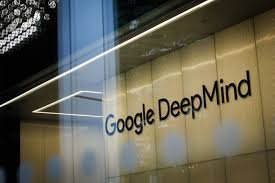
The landscape of the British technology sector shifted significantly this morning as workers at DeepMind officially voted to unionize. This historic move comes directly after Google confirmed a sweeping new partnership with the United States Department of Defense. Employees at the London-based research laboratory expressed deep concerns regarding the ethical implications of their work. They have formally requested that management recognize the Communication Workers Union and Unite the Union immediately. This joint representation aims to give staff a collective voice in the company’s future direction. Many workers feel that the recent military deal compromises the original mission of the laboratory. They believe that artificial intelligence should serve the broader interests of all humanity instead. The vote represents a landmark moment for the frontier AI industry within the United Kingdom.
The primary catalyst for this sudden organization was the Pentagon’s announcement last Friday afternoon. Google joined several other major tech firms in a massive agreement to bolster military capabilities. The deal aims to transform the American military into an AI-first global fighting force. Defense officials stated that these new tools would provide a decisive advantage in modern warfare. However, the researchers at DeepMind fear their innovations could power various forms of authoritarianism. One anonymous worker cited concerns about domestic surveillance and lethal autonomous weapon systems specifically. They argued that the current American administration is not a responsible partner for such technology. The worker noted that recent geopolitical tensions have made military collaboration far too risky. Unionizing is seen as the only traditional route left to protect their professional ethics.

Public records show that the Pentagon agreement involves several other high-profile technology companies today. SpaceX, OpenAI, and Nvidia are all listed as participants in this ambitious defense project. Microsoft and Amazon Web Services have also signed on to provide their specialized cloud expertise. Interestingly, the company Anthropic was missing from the final list of confirmed military partners. DeepMind employees pointed to previous disputes between Anthropic and the government as a warning sign. They worry that the lack of clear restrictions will lead to significant technological abuse. While the contract mentions human oversight, many believe these clauses are essentially non-binding. The agreement explicitly states that Google cannot veto any lawful operational decisions by the government. This loss of control has sparked a wave of anxiety throughout the London office.
Internal tensions at Google have been simmering for a long time regarding international conflicts. Many employees previously expressed discomfort with the company’s involvement in the ongoing war in Gaza. Reports suggested that the Israeli military received increased access to advanced AI tools recently. Google and Amazon also hold a massive billion-dollar cloud contract with the Israeli government. One DeepMind staffer admitted to feeling a sense of complicity in these foreign operations. They stated that their primary goal is to help people rather than facilitate violence. The worker emphasized that AI has the potential to solve many global challenges today. However, they feel that using it for warfare is a betrayal of those goals. This moral dilemma has driven hundreds of employees to seek stronger legal protections.
The decision to unionize was also influenced by Google’s recent change in internal policy. Last year, the tech giant quietly dropped a pledge not to develop militarized AI. This specific promise had been a cornerstone of the company’s ethical framework for years. By removing this barrier, the firm opened the door for more lucrative defense contracts. Workers claim that this policy shift was a major motivation for their recent vote. They argue that the company is prioritizing profit over the safety of the world. Two union organizers stated that this is the first time a frontier lab has unionized. DeepMind operates several offices across North America and Europe from its central London headquarters. If recognized, the union would represent at least one thousand highly skilled technology professionals.
The Trump administration has been very vocal about its desire for unrestricted AI access. Officials have pushed companies to host their tools on highly classified government networks lately. They want to remove the standard safety restrictions that usually apply to commercial users. This pressure has created a rift between corporate leadership and the frontline engineering staff. Google workers recently sent an open letter to their chief executive officer, Sundar Pichai. More than six hundred employees signed the document to protest the new military deal. They warned that making the wrong choice now would cause irreparable brand damage. The letter urged the company to avoid any involvement in secretive or classified projects. Despite this internal outcry, the deal with the Pentagon proceeded as planned last week.
The history of activism at Google suggests that this conflict will not end soon. In 2018, thousands of workers protested against a drone footage project known as Maven. That massive backlash forced the company to let the contract expire the following year. However, other firms like Palantir eventually took over the work that Google abandoned then. Since that time, the company has taken a much firmer stance against internal dissent. Last year, fifty employees were fired after protesting a contract with the Israeli government. Some workers at Microsoft have also faced termination for similar types of political activism. These incidents have created a climate of fear but also a sense of urgency. The DeepMind staff believe that a formal union is the only safe way forward.
Investors are also beginning to join the chorus of concerned voices this month. A group of shareholders representing billions of dollars in stock wrote to the board. They demanded more transparency regarding how AI is used in high-risk environments today. The investors are worried about the lack of oversight in conflict-affected regions worldwide. They questioned whether the current board is capable of managing these complex ethical risks. This financial pressure adds another layer of difficulty for Google’s executive leadership team. The shareholders want to ensure that internal guardrails are actually effective and not symbolic. They fear that legal liabilities could eventually harm the company’s long-term market value significantly. This alignment between workers and investors is a rare and powerful development in tech.

The union has already outlined several key demands for the management team to consider. They want a firm commitment that the company will not cause physical harm. Staff are also calling for the creation of an independent ethics oversight body. This group would have the power to review and veto controversial military projects. Crucially, the workers want the individual right to refuse work on moral grounds. This would allow engineers to opt out of projects that conflict with their values. If these demands are not met, the union is considering more drastic actions. They have mentioned the possibility of research strikes to delay key product updates. This would involve slowing down work on high-profile tools like the Gemini chatbot. Such a move would be a major blow to Google’s competitive standing.
The outcome of this struggle will likely set a precedent for the entire industry. As AI becomes more integrated into national security, these ethical battles will only intensify. Other tech giants are watching the situation in London with a great deal of interest. If the DeepMind union succeeds, it could spark similar movements across Silicon Valley and Europe. For now, the focus remains on whether Google will formally recognize the new union. The company has not yet provided an official comment on the results of the vote. Workers remain hopeful that their collective action will lead to a more responsible future. They believe that the power of AI should be guided by human conscience always. The next few weeks will be critical for the future of British technology.
Related News:
 Virgin Trains Moves Closer to Challenging Eurostar Monopoly
 North Sea oil workers must lose weight or face job loss
 New laws to bolster UK’s defences against cyber attacks on NHS, transport and energy
 UK Taskforce Unveils Plan to Streamline Nuclear Reactor Rules
 UK Car Sales Pass 2 Million as Chinese Brands Surge
 MPs warn AI financial risks threaten UK stability
 MPs warn AI financial risks threaten UK stability
 AI job losses UK: Britain faces sharper employment shock
 UK AI avatar firm Synthesia valuation jumps to $4bn
 SpaceX Plans $1.5tn IPO Amid Planetary Alignment
 Amazon mistakenly signals new global layoffs to employees
 UK New Car Discounts Near £6,000 as Prices Are Slashed
 Bithumb Bitcoin Mistake Shocks Crypto World
 BT Names New Openreach Chief Amid Major Fibre Expansion
 AI fears hit UK wealth and comparison sites
UK Firms Warned of Rising Iran Cyber Threats
AI fears hit UK wealth and comparison sites
UK Firms Warned of Rising Iran Cyber Threats
 UK Firms Warned of Rising Iran Cyber Threats
 Revealed: UK AI Push Faces Phantom Investment Claims
 Tesla Enters British Energy Market Following Ofgem Approval
 ABC Staff Strike Over Pay and AI Concerns
 High Court Orders Lynch Estate to Pay £920m to HPE
 UK Watchdog Probes Five Firms Over Fake Review Failings
 New Gmail Feature Ends Era of Embarrassing Email Names
 Apple at 50: Three Products That Changed How We Live
 OpenAI Halts Stargate UK Project Amid Energy Crisis
 Washington Summit Targets Massive Cyber Risks From Latest AI Breakthrough
 Heavier SUVs Accelerate Britain’s Pothole Crisis
 Europe EV Demand Surges as Fuel Prices Rise
 Reform UK funding: mystery billionaire revealed
 Disney+ Wins Champions League Rights in Key Markets
 Vodafone Seeks Full Control of UK Mobile in £4.3bn Deal
 A Massive Legal Triumph Reshapes the Future of AI
 SpaceX IPO Filing Reveals Bizarre Details of Musk’s Empire
 Tech Giant Nvidia Shatters Wall Street Financial Projections
 China mine blast death toll rises to 90
 UK rejects EV charging VAT cut amid Treasury clash
 UK firms accused of ‘AI washing’ boom
 SpaceX Targets Record Listing as Musk Eyes Trillionaire Status
 SpaceX Prepares for Historic Valuation Launch
 Silicon Valley Shifts South as AI Boom Transforms City Housing
 CMA Approves Major Bakery Merger to Prevent Market Collapse
 BT and Verizon Form Landmark Global Joint Venture
 AI Transformation Sparks Major Job Cuts at British American Tobacco
 Trump Faces Backlash Over $2bn Earnings Since Return
 Ocado CEO Tim Steiner to Step Down by 2028
 Record £28m Fine for Virgin Media Over Cancellation Woes
 Xavier Niel Becomes Vodafone’s Largest Shareholder
 Weight-Loss Drugs Offer Food Savings Mainly to High Earners
 Reeves Faces Setback as Labour May Miss Homes Target
 Trump’s UK Ambassador Urges North Sea Drilling to Strengthen US Ties
 Ryanair Chief UK Economy ‘Doomed’ Under Labour
 UK Bans Fake Numbers: Scammers Lose Their Trick
M&S Profits More Than Halve After Cyber-Attack
UK Bans Fake Numbers: Scammers Lose Their Trick
M&S Profits More Than Halve After Cyber-Attack
 Vibe coding’ named Collins dictionary’s word of the year
 Patients to Test Health at Home to Ease NHS Winter Pressure
 Britain deploys RAF specialists to assist Belgium with drone threats
 Millionaires group urge Reeves to introduce wealth tax to ‘lift kids out of poverty’
 Sundar Pichai Cautions on AI Hype and Market Risks
 Starmer Says Labour’s Economic Plan Needs Years to Deliver
 Starmer Faces Parliamentary Battles Over UK-EU ‘Reset’ Plan
 ScottishPower Tops List of Worst UK Energy Suppliers
 ABC Facebook Page Briefly Hacked, Adult Photos Posted
 Meta trial over child exploitation claims begins
 UK Unemployment Rate Climbs to 5.2% Peak
 Stewart Brand on Musk, Bezos and a Life of Long Thinking
 The Kill Line: A Shifting Vision of the American Dream
 Rising Costs Force Families to Rethink Days Out
 US and Iran Agree to Two-Week Provisional Ceasefire
 Artemis II Returns After Historic Moon Flyby
 Central Bank Chiefs Hold Crisis Simulation in Washington
 UK Staycations Rise as Travel Fears Grow
 Former Brexit Chief Calls for Rejoining the EU
 Silent Tracks: Rail Line Without Passengers
 UK Watchdogs Warn Over AI Facial Recognition Oversight
 Aramco Surges as East-West Pipeline Counters Gulf Tensions
 UK Firms Freeze Spending as Iran Conflict Bites
 Reeves to Fast-Track Clean Energy Amid Iran Crisis
 Tube Strike Brings Capital to a Standstill Over Shift Disputes
 Stolen Mobiles Could Soon Become Useless Bricks
 Sainsbury’s Boss Optimistic As Grocery Inflation Eases