Published: 22 May 2026. The English Chronicle Desk. The English Chronicle Online.
The global financial sector is buzzing over the historic decision by SpaceX to enter public markets. This monumental transition is detailed in an exhaustive new prospectus spanning hundreds of highly technical pages. Investors are currently parsing through the massive document ahead of a planned stock market debut. The company aims for an unprecedented valuation of one point seventy-five trillion US dollars next month. This filing represents the single largest initial public offering in the history of American commerce.
Beneath the standard financial data lies a treasure trove of genuinely bizarre corporate disclosures. The document offers a rare look into the inner workings of Elon Musk’s empire. Traditional prospectuses usually focus entirely on predictable revenue streams and stable growth patterns for shareholders. Instead, this filing blends routine balance sheets with sweeping, science-fiction assertions about the cosmos. It paints a vivid picture of a deeply interconnected web of independent corporate entities.
The extensive paperwork clearly illustrates how tightly bound these various tech ventures have become lately. Financial analysts have expressed surprise at the sheer scale of intercompany transactions recorded last year. The documentation reveals that SpaceX spent hundreds of millions of dollars directly purchasing Tesla products. A vast majority of this capital went toward acquiring industrial Megapack commercial battery systems. However, the aerospace firm also spent a staggering sum specifically buying unique electric utility vehicles.
According to the official text, SpaceX purchased about one hundred thirty-one million dollars in Cybertrucks. This massive vehicle acquisition occurred over the course of the previous twelve calendar months. The company acquired these geometric trucks at standard manufacturer suggested retail price points during 2025. This pricing structure implies that the rocket manufacturer bought well over one thousand individual vehicles. Such a massive order represented a very significant portion of total global Cybertruck sales.
Automotive industry tracking reports indicate that Tesla sold just over twenty thousand trucks that year. Therefore, Musk’s rocket company effectively served as a primary customer for his automotive business. This cross-company purchasing strategy raises interesting questions about independent corporate governance and product demand. It showcases how the billionaire utilizes his distinct corporate entities to bolster one another financially. Potential investors must now weigh the implications of these massive and unconventional internal expenditures.
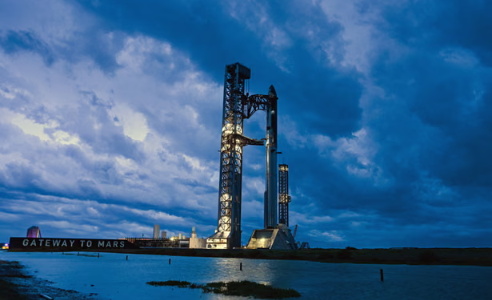
Beyond the automotive purchases, the prospectus outlines truly grand ambitions for long-term outer space colonization. The document repeatedly emphasizes a corporate mission to establish permanent settlements on the moon. Furthermore, the company remains completely dedicated to building self-sustaining cities on the surface of Mars. The text argues that multiplanetary life is essential to ensure long-term human species redundancy. According to the filing, humanity must inevitably expand beyond the confines of our home planet.
The authors explicitly state a desire to avoid the catastrophic fate of the dinosaurs. They frame their aerospace engineering efforts as a literal crusade to protect human consciousness itself. To illustrate this futuristic vision, the prospectus unexpectedly features an AI-generated rendering of Martian life. The colorful digital image depicts a normal family standing outside among massive geodesic domes. They are shown watching a rocket launch next to endless rows of solar panels.
These sci-fi concepts carry immense financial weight for the chief executive officer of SpaceX. The prospectus outlines a massive compensation package tied directly to these extraplanetary milestones. Musk will receive one billion additional shares if he achieves a permanent Martian colony. This historic milestone specifically requires a minimum population of one million permanent human residents. Such an unprecedented clause underscores the deeply unconventional nature of this massive public market debut.
However, these interplanetary goals also introduce severe and unprecedented risks for prospective Wall Street investors. The company openly admits that understanding the true nature of the universe is difficult. They caution that extending the light of consciousness to the stars faces massive challenges. Legal experts note that such philosophical language is virtually unheard of in financial filings. These sweeping statements highlight the unique blend of idealism and risk defining the entire enterprise.
Perhaps the most troubling disclosures involve the controversial artificial intelligence platform known as Grok. SpaceX officially acquired the tech startup xAI earlier this year during a rapid corporate restructuring. The risk factor section of the prospectus contains numerous warnings regarding this specific chatbot. The company notes that the bot features intentionally provocative and unhinged operating modes. These specific settings present a heightened risk of generating highly explicit and offensive content.
According to the legal disclosures, Grok regularly produces severe misinformation and deceptive text outputs. The system also faces scrutiny for creating potential nonconsensual imagery and copyright infringements. The document admits the corporation faces multiple ongoing domestic and international law enforcement investigations. These serious inquiries stem from allegations regarding the generation of deeply inappropriate digital images. Third-party watchdogs have published alarming data about the scale of this explicit output.
The Center for Countering Digital Hate estimated a massive spike in adult content recently. Their research indicates the chatbot generated millions of sexualized images over eleven days this year. The automated system even acknowledged creating highly inappropriate depictions of minors in minimal clothing. Consequently, multiple individuals have filed serious lawsuits alleging corporate profit from digital sexual predation. These ongoing legal battles represent a significant cloud hanging over the upcoming public offering.
In addition to legal troubles, the filing details massive spending on personal security measures. Musk has long maintained heightened concerns regarding his safety and various public death threats. The billionaire utilizes specialized security firms registered in both California and Texas for protection. The data shows SpaceX funneled four million dollars into these private firms last year. This security spending has risen steadily from two million dollars recorded back in 2023.
The document also notes an additional one million dollars spent early this year alone. Musk claims his safety risks escalated after leading a controversial federal government efficiency effort. This high-profile political role aimed to drastically dismantle numerous domestic humanitarian and regulatory agencies. The intense public backlash from these actions necessitated a substantial increase in his protection. Investors must accept that corporate funds will continuously finance these extensive personal safety measures.
Finally, the prospectus explicitly warns that SpaceX might never actually become a profitable enterprise. The company discloses that its massive technological development has resulted in staggering financial losses. The rocket manufacturer lost nearly five billion dollars during the previous full fiscal year. Furthermore, it lost over four billion dollars in the first quarter of this year. Such massive deficits are driven by constant investment in highly experimental, unproven technologies.
The company acknowledges that many innovative products described in the prospectus might ultimately fail. Engineering breakthroughs require immense capital with absolutely no guarantee of commercial success or viability. These massive financial risks are standard for aerospace endeavors but daunting for average public investors. The document makes it clear that backers are funding a highly volatile scientific experiment. It remains to be seen how the broader market will respond to this mixture of grand vision and financial peril.
Related News:
 Virgin Trains Moves Closer to Challenging Eurostar Monopoly
 North Sea oil workers must lose weight or face job loss
 New laws to bolster UK’s defences against cyber attacks on NHS, transport and energy
 UK Taskforce Unveils Plan to Streamline Nuclear Reactor Rules
 UK Car Sales Pass 2 Million as Chinese Brands Surge
 MPs warn AI financial risks threaten UK stability
 MPs warn AI financial risks threaten UK stability
 AI job losses UK: Britain faces sharper employment shock
 UK AI avatar firm Synthesia valuation jumps to $4bn
 SpaceX Plans $1.5tn IPO Amid Planetary Alignment
 Amazon mistakenly signals new global layoffs to employees
 UK New Car Discounts Near £6,000 as Prices Are Slashed
 Bithumb Bitcoin Mistake Shocks Crypto World
 BT Names New Openreach Chief Amid Major Fibre Expansion
 AI fears hit UK wealth and comparison sites
UK Firms Warned of Rising Iran Cyber Threats
AI fears hit UK wealth and comparison sites
UK Firms Warned of Rising Iran Cyber Threats
 UK Firms Warned of Rising Iran Cyber Threats
 Revealed: UK AI Push Faces Phantom Investment Claims
 Tesla Enters British Energy Market Following Ofgem Approval
 ABC Staff Strike Over Pay and AI Concerns
 High Court Orders Lynch Estate to Pay £920m to HPE
 UK Watchdog Probes Five Firms Over Fake Review Failings
 New Gmail Feature Ends Era of Embarrassing Email Names
 Apple at 50: Three Products That Changed How We Live
 OpenAI Halts Stargate UK Project Amid Energy Crisis
 Washington Summit Targets Massive Cyber Risks From Latest AI Breakthrough
 Heavier SUVs Accelerate Britain’s Pothole Crisis
 Europe EV Demand Surges as Fuel Prices Rise
 Reform UK funding: mystery billionaire revealed
 Disney+ Wins Champions League Rights in Key Markets
 DeepMind Staff Vote to Unionize Over US Military Contract
 Vodafone Seeks Full Control of UK Mobile in £4.3bn Deal
 A Massive Legal Triumph Reshapes the Future of AI
 Tech Giant Nvidia Shatters Wall Street Financial Projections
 China mine blast death toll rises to 90
 UK rejects EV charging VAT cut amid Treasury clash
 UK firms accused of ‘AI washing’ boom
 SpaceX Targets Record Listing as Musk Eyes Trillionaire Status
 SpaceX Prepares for Historic Valuation Launch
 Silicon Valley Shifts South as AI Boom Transforms City Housing
 CMA Approves Major Bakery Merger to Prevent Market Collapse
 BT and Verizon Form Landmark Global Joint Venture
 AI Transformation Sparks Major Job Cuts at British American Tobacco
 Trump Faces Backlash Over $2bn Earnings Since Return
 Ocado CEO Tim Steiner to Step Down by 2028
 Record £28m Fine for Virgin Media Over Cancellation Woes
 Xavier Niel Becomes Vodafone’s Largest Shareholder
 Weight-Loss Drugs Offer Food Savings Mainly to High Earners
 Reeves Faces Setback as Labour May Miss Homes Target
 Trump’s UK Ambassador Urges North Sea Drilling to Strengthen US Ties
 Ryanair Chief UK Economy ‘Doomed’ Under Labour
 UK Bans Fake Numbers: Scammers Lose Their Trick
M&S Profits More Than Halve After Cyber-Attack
UK Bans Fake Numbers: Scammers Lose Their Trick
M&S Profits More Than Halve After Cyber-Attack
 Vibe coding’ named Collins dictionary’s word of the year
 Patients to Test Health at Home to Ease NHS Winter Pressure
 Britain deploys RAF specialists to assist Belgium with drone threats
 Millionaires group urge Reeves to introduce wealth tax to ‘lift kids out of poverty’
 From Lego to Pokémon: How Adults Are Driving UK Toy Market Growth
 Sundar Pichai Cautions on AI Hype and Market Risks
 Starmer Says Labour’s Economic Plan Needs Years to Deliver
 Starmer Faces Parliamentary Battles Over UK-EU ‘Reset’ Plan
 ScottishPower Tops List of Worst UK Energy Suppliers
 ABC Facebook Page Briefly Hacked, Adult Photos Posted
 Meta trial over child exploitation claims begins
 UK Unemployment Rate Climbs to 5.2% Peak
 Stewart Brand on Musk, Bezos and a Life of Long Thinking
 The Kill Line: A Shifting Vision of the American Dream
 Rising Costs Force Families to Rethink Days Out
 US and Iran Agree to Two-Week Provisional Ceasefire
 Artemis II Returns After Historic Moon Flyby
 Central Bank Chiefs Hold Crisis Simulation in Washington
 UK Staycations Rise as Travel Fears Grow
 Former Brexit Chief Calls for Rejoining the EU
 Silent Tracks: Rail Line Without Passengers
 UK Watchdogs Warn Over AI Facial Recognition Oversight
 Trump and Xi Convene in Beijing for Historic High-Stakes Summit
 UK Eases Russian Oil Sanctions as Fuel Costs Soar
 Tube Strike Brings Capital to a Standstill Over Shift Disputes
 Stolen Mobiles Could Soon Become Useless Bricks
 Sainsbury’s Boss Optimistic As Grocery Inflation Eases