Published: 05 May 2026.. The English Chronicle Desk. The English Chronicle Online
A growing culture of instant outrage, replay-driven controversy and relentless scrutiny of match officials is pushing elite rugby union towards a moment of reckoning, with critics warning that the sport risks undermining its own integrity. The debate has intensified following a dramatic European semi-final in Bordeaux, where a thrilling contest was overshadowed by disputes over refereeing decisions and television coverage.
What should have been remembered purely as a high-quality spectacle instead became a case study in rugby’s modern dilemma. A packed stadium of more than 40,000 fans witnessed an absorbing encounter as Union Bordeaux-Bègles defeated Bath Rugby 38–26 in a European Rugby Champions Cup semi-final. The atmosphere, described by many as electric, reflected rugby’s enduring appeal, with passionate supporters creating a vibrant and respectful environment both inside the stadium and beyond.
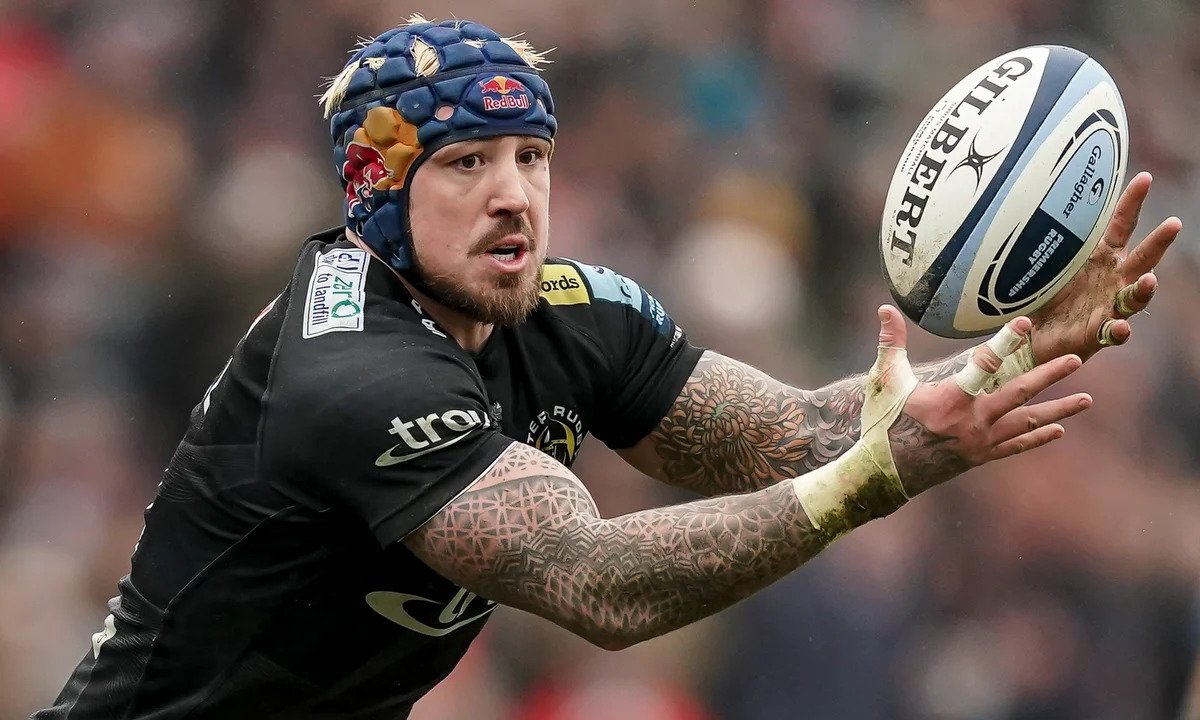
Yet the aftermath told a different story. Within minutes of the final whistle, attention shifted from the players’ performances to a series of contentious incidents involving Alfie Barbeary. Television pundits and social media users quickly alleged that the Bath forward had been subjected to multiple dangerous tackles that went unpunished. Accusations ranged from inconsistency in officiating to claims of biased broadcast decisions, particularly regarding the absence of certain replay angles.

The controversy soon escalated, drawing in Bath’s head coach Johann van Graan, who expressed concerns about player safety and the need for consistent decision-making. While he stopped short of directly criticising officials, his remarks added weight to the growing narrative that key incidents had not been adequately reviewed.
At the centre of the storm were referee Nika Amashukeli and television match official Ben Whitehouse, both of whom found themselves under intense scrutiny. Critics argued that potential head contact incidents warranted closer examination, while others defended the officials, noting the complexity and speed of decision-making in live match conditions.
A closer analysis of the incidents, however, has suggested that many of the initial claims may have been overstated. What appeared on replay to be dangerous challenges often looked less severe when viewed in real time, with some contacts deemed legal within the laws of the game. The gap between perception and reality has become a defining feature of modern rugby, where slow-motion footage and selective angles can amplify controversy.
This growing reliance on technology has sparked a broader debate about the role of the TMO and broadcast directors in shaping the narrative of matches. Critics argue that excessive use of replays, particularly those shown on stadium big screens, can inflame crowd reactions and place undue pressure on referees. In some cases, it is suggested, the spectacle of analysis has begun to overshadow the sport itself.
The issue is further complicated by rugby’s evolving approach to player welfare. In recent years, the sport has rightly prioritised the reduction of head injuries, introducing stricter rules and protocols around dangerous tackles. However, this emphasis has also created a grey area, where players, coaches and commentators may interpret incidents differently, sometimes leading to exaggerated claims in pursuit of penalties or disciplinary action.
Observers warn that this environment risks encouraging behaviour that undermines the spirit of the game. Players appealing for decisions, coaches highlighting marginal incidents and pundits making instant judgments all contribute to a climate where referees are constantly second-guessed. The result, critics say, is a shift away from rugby’s traditional values of respect and sportsmanship.
There are also concerns about the broader impact on the sport’s grassroots levels. The tone set at the elite level often filters down, influencing how matches are played and officiated in amateur leagues and youth competitions. Reports of increased verbal abuse towards referees at junior matches have been linked to the high-profile criticism seen in professional games, raising questions about the long-term health of the sport.
Some analysts have called for a recalibration of rugby’s relationship with technology and officiating. Suggestions include limiting the scope of TMO interventions, reducing the number of replays shown during matches and placing greater trust in on-field referees. Others advocate for clearer communication and more consistent application of the laws to reduce ambiguity and controversy.

Despite the noise surrounding the Bordeaux match, it is widely acknowledged that Union Bordeaux-Bègles were deserving winners on the day. Their performance combined physical intensity with tactical precision, ultimately proving too strong for a resilient Bath Rugby side. Yet the quality of the contest risks being overshadowed by the debates that followed.
Rugby now faces a critical juncture. The sport’s governing bodies, broadcasters and stakeholders must decide how to balance the benefits of modern technology with the need to preserve its core values. Transparency, fairness and respect for officials will be key to maintaining credibility in an increasingly scrutinised environment.
As the game continues to evolve, the challenge will be to ensure that the focus remains on the players and the contest itself, rather than the controversies that surround it. The scenes in Bordeaux offered a glimpse of rugby at its best—passionate, inclusive and compelling. Whether the sport can hold on to that essence in the face of mounting external pressures remains an open question.
Related News:
 Tottenham shine at Everton but Frank wary of title push
 Matty Cash seals Villa win as City falter again at Villa Park
 Sarr Double Sinks Young Liverpool in Carabao Cup
 Nwaneri and Saka Secure Arsenal Win Over Brighton
 Woltemade Hot Streak Fires Newcastle Past Spurs
 Kieffer Moore Hat-Trick Ends Coventry’s Unbeaten Run
 Salah & Gravenberch Lead Liverpool to Win Against Villa
 Dyche Criticises Corner Decision as Forest Draw with United
 Caicedo Shines as Chelsea Edge Spurs in Chaotic Derby
 Granit Xhaka Rescue Earns Everton Draw at Sunderland
 Liverpool Edge Real Madrid 1-0 in Champions League Thriller
 Van de Ven Stunner Lifts 10-Man Spurs to UCL Glory
 Merino Shines as Arsenal Beat Slavia 3-0 Without Gyokeres
 Burn and Joelinton Head Newcastle to Victory Over Bilbao
 Foden shines as Man City dismantle Dortmund in dominant display
 Garnacho Spares Chelsea From Shock Champions League Loss in Baku
 Tension and Turmoil at Aston Villa v Maccabi Match
 Bellingham has ‘the edge’ among England No 10s
 Arteta Left Frustrated as Sunderland Deny Arsenal Late Win
Chelsea Cruise Past Wolves to Go Second in the Premier League
Man City Masterclass on Guardiola’s Milestone Day Exposes Liverpool Woes
Arteta Left Frustrated as Sunderland Deny Arsenal Late Win
Chelsea Cruise Past Wolves to Go Second in the Premier League
Man City Masterclass on Guardiola’s Milestone Day Exposes Liverpool Woes
 Lando Norris Dominates Brazil GP to Strengthen F1 Title Bid
 England cannot afford to be in awe of the All Blacks, warns Jamie George
 VAR Must Rein Its Neck In to Save Football’s Spirit
 Trescothick Hints Pope Will Keep Number Three Spot
 Ronaldo Confirms Final World Cup and Plans Retirement
 Mary Earps’s Manchester United Return Faces Mixed Reception
 Sam Kerr Stars in Chelsea Return with Champions League Double
 This kid is something else: Alex Scott’s rise to England call-up
 Anthony Joshua Faces Backlash Over Proposed Jake Paul Fight
 Former Lion Heskey Warns of Shortage of England Strikers
 Rogers Double Aston Villa as Leeds Slip Deeper into Trouble
 Moyes Defends Gueye After Dramatic Everton Bust-Up
 Rookie Driver Hollie McRae Flips Car but Walks Away Safe
 Gerrard warns Liverpool’s terrible run could worsen
 Jac Morgan to Miss Six Nations Start After Surgery
 Alexander Isak ends drought as Liverpool stop rot with win at West Ham
 Mbappe rescues Real Madrid with a penalty at Girona
 Wales hits 20,000-strong milestone in women’s football
 Stokes urges empathy for England players amid Ashes struggles
 Sports piracy surges in UK with 3.6bn illegal streams reported
 Chelsea fans inquiry launched after Charlton match policing concerns
 Arsenal vs Man Utd LIVE: Jesus Starts as Carrick Stays Loyal
 Arsenal Edge Closer to Ending ‘Nearly-Men’ Era After Cup Breakthrough
 Newcastle fans face bleak reality under Saudi ambitions
 Hugo Ekitike Becomes Liverpool’s New Cult Hero
 BBC World Cup Presenting Duties Shared Among Trio
 Steve Borthwick Turns to 2003 Icons for Inspiration
 British Success at the Isle of Wight Masters Chess
 Japan Triumphs 1-0 Over Australia to Claim Women’s Asian Cup
 Romero Vows Fight as Spurs Face Relegation Threat
 Middlesex Icons Launch Bold Revolt Against Club Leadership
 Farke’s Leeds revival: from pressure to FA Cup glory chase
 John Terry Faces Backlash Over Political Posts
 Scott Parker Leaves Burnley After Premier League Drop
 Premier League drama defines crucial weekend
 Foden Commits Future to Man City Until 2030
 RFU Backs Borthwick Despite England’s Poor Six Nations
 World Cup Ticket Price Surge Leaves Many National Teams Stunned
 Southampton Face Misconduct Charge Amid Spying Claims
 From Grassroots to Stamford Bridge: The Rise of McFarlane
 Aaron Rai Triumphs in Thrilling PGA Championship Finish
 De Zerbi Rallies Spurs To Fight Relegation Threat
 Southampton Face Player Legal Action Over Playoff Scandal
 The Battle for Wembley Sparking Unprecedented Legal Warfare
 Tuchel Defends Tough England Squad Decisions
 Guardiola to Leave Man City After Historic Era
 Farewell to an Icon: Pep Guardiola to Exit Manchester City
 Huddersfield Giants Face Fight to Save Super League Status Amid Stadium Crisis
 Safeguarding Probe Limits West Ham Owner’s Role
 England Cruise Past Costa Rica as World Cup Warm-Up Sharpens Tuchel’s Vision
 Inside the Three Lions: Bellingham Reveals Euro 2024 Flaws
 Blackpool Cricket Stands Firm Amid County Struggles
 Declan Rice Facing Burnout as Tuchel Confronts Midfield Crisis
 Ben Stokes Was Fallible But That Made Him Our Champion
 Morocco Beat Dutch in Wild World Cup Penalty Drama
 Ben Stokes Retires: The End of an Extraordinary Era
 The Last Stand of English Cricket’s Greatest Partners
 England’s 10 Men Hold Firm in World Cup Thriller
 World Cup Fever Set to Boost UK Economy by £500m