Published: 05 May 2026. The English Chronicle Desk. The English Chronicle Online
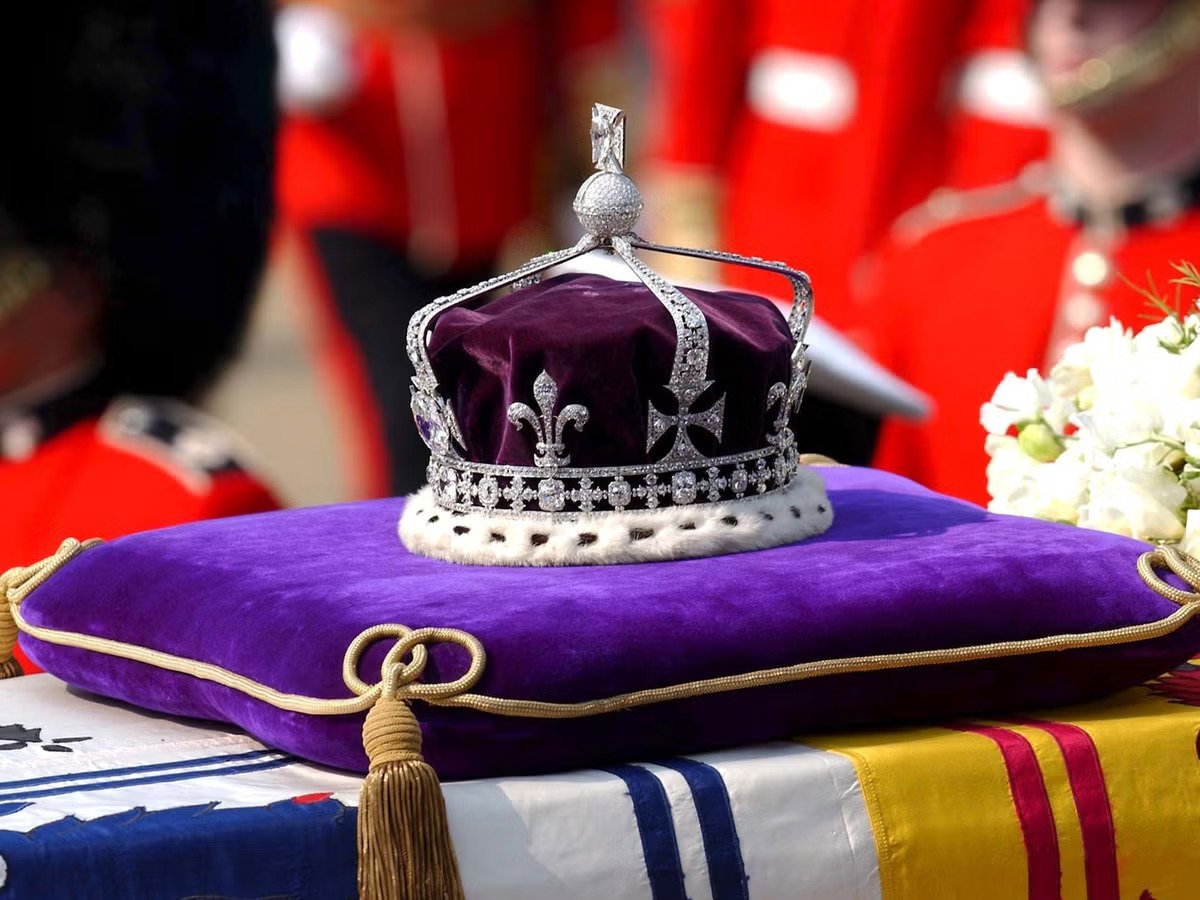
A renewed global debate over the ownership of the Koh-i-noor diamond has emerged after comments by New York City mayor Zohran Mamdani reignited long-standing calls for the United Kingdom to return one of the most controversial jewels in the British Crown collection to India.
The discussion was triggered when Mamdani suggested that if he were to speak with King Charles III, he would urge him to return the Koh-i-noor to India. His remarks quickly gained international attention, drawing praise in parts of South Asia while sparking criticism in sections of the British press, which described the comments as inappropriate and politically provocative.
The Koh-i-noor diamond, currently set in a crown associated with the British royal family, is widely believed to have originated in southern India. Over the centuries, it passed through the hands of multiple rulers across the Indian subcontinent, Persia and Afghanistan, often during periods of conflict, conquest and political upheaval. Its long and complex history has made it one of the most disputed cultural artefacts in the world.

Following Mamdani’s remarks, renewed attention has been placed on the diamond’s journey through history, particularly its transfer into British possession during the 19th century. The diamond was taken after the annexation of Punjab by the British East India Company in 1849, when the young Sikh ruler was compelled to sign the Treaty of Lahore. The agreement included the surrender of the Koh-i-noor to the British Crown, an act that many historians continue to debate in terms of consent and legitimacy.
Today, the diamond is part of the British Crown Jewels and is displayed in the Tower of London, where it attracts millions of visitors each year. However, its presence remains deeply controversial, particularly in India, where it is widely regarded as a symbol of colonial extraction and historical injustice.
Indian officials have repeatedly requested its return since independence in 1947, but successive British governments have refused, arguing that the diamond was acquired through a legal treaty. Similar claims have been made by Pakistan, Afghanistan and Bangladesh, each citing historical ties to the diamond’s journey through the region.
The renewed debate has also been shaped by historians who argue that much of the mythology surrounding the Koh-i-noor was later amplified during the British colonial period. According to academic research, the diamond was not originally regarded as the most significant jewel of the Mughal Empire, but its symbolic value grew after it was incorporated into the British monarchy.
One historian described it as a powerful symbol of colonial legacy, representing centuries of conquest and cultural transfer. The diamond’s reputation as a “cursed stone” has also contributed to its mystique, with legends claiming misfortune for male owners, although such stories remain part of folklore rather than documented history.
The issue has resurfaced at a time when global conversations about colonialism, cultural restitution and historical accountability are becoming increasingly prominent. Museums and governments around the world are facing renewed pressure to reconsider the ownership of artefacts acquired during colonial rule, including the Parthenon sculptures in Greece and the Benin Bronzes in Nigeria.
In the United Kingdom, officials have consistently maintained that the Koh-i-noor is part of the national heritage and legally owned by the Crown. However, the decision not to include the diamond in the coronation of King Charles III was widely interpreted as a symbolic acknowledgment of its sensitive status.
Experts say the diamond’s future remains uncertain, not least because multiple countries continue to assert competing claims. This legal and diplomatic complexity makes any potential restitution highly challenging, with no clear consensus on which nation, if any, holds the strongest claim.

Cultural historians argue that the Koh-i-noor has become more than just a gemstone; it is now a global symbol of colonial history and its unresolved legacy. Its significance lies not only in its material value but also in the political and emotional meanings attached to it across different societies.
As the debate continues, the diamond remains at the centre of a broader conversation about how former colonial powers engage with their past. While some view calls for its return as a necessary step toward historical justice, others warn that such actions could open complex legal and diplomatic disputes.
For now, the Koh-i-noor remains securely housed in the Tower of London, but its story continues to travel far beyond its glass case. Each renewed discussion, such as that sparked by Mamdani’s remarks, reinforces its status as one of the world’s most politically charged historical artefacts.
Related News:
 British Woman in Iran ‘Losing Hope’ Amid Ongoing Detention
 BBC Journalist Held and Interrogated in Vietnam
 Zohran Mamdani becomes New York City’s first Muslim mayor
Zohran Mamdani names all-female transition team for NYC mayoralty
Zohran Mamdani becomes New York City’s first Muslim mayor
Zohran Mamdani names all-female transition team for NYC mayoralty
 Second world war veterans honoured as King leads Remembrance Sunday
 BBC director-general and news chief resign amid bias row
 Rama Rebukes Mahmood for Targeting Albanian Families
 Russian Vessel Used Lasers on RAF Pilots, UK Claims
 Ireland Boosts Ukraine Aid as Zelensky Visits Dublin
 US Africa aid remarks spark anger after leaked State email
 Starmer China visit raises human rights pressure on Beijing
 UK and EU Signal Fresh Push for Defence Cooperation Talks
 Cory Bernardi joins One Nation for SA election
 Starmer Condemns ‘Depraved’ Russian Strikes on Ukraine
 Trump Warns Over Chagos Islands Deal
 Trump and Chagos Deal Rift Over Iran Strikes
 Andrew Mountbatten-Windsor Arrest After FBI Radar
 Farage Chagos Islands Row Sparks Fury
 Trump Tariffs Threat Spark UK and EU Alarm
 UK Allows US Base Use Amid Iran Tensions
 Trump Rebukes Starmer Over Iran Strikes Row
 UK Prepares Aircraft Carrier for Middle East Crisis
 Gordon Brown urges court for crimes against children
 Yvette Cooper: UK Must Follow Principles, Not US Pressure
 UK Minister Denies Iran Missile Threat to Britain
 Army Probes Apache Flyover at Kid Rock’s Nashville Estate
 Relationship with Trump may be beyond repair, Starmer warned
 Charles Faces Trump Test in High-Stakes US Visit
 UK Stands Firm on Falklands Amid US Rift
 Ceasefire Standoff Deepens in Ukraine War
 Starmer Faces Revolt After Crushing Election Losses
 UK Pushes for New EU Goods Trade Deal
 Reeves Fights to Keep Treasury Role Amid Labour Turmoil
 Farage and Reform UK Reshape British Politics
 Starmer Leadership Under Pressure After Setbacks
 Deadly Russian Air Raids Strike Across Ukraine
 UK Government Cancels Higher Education Programme for Women and Girls
 New South Wales Premier Chris Minns Signals Tough Road Ahead for Labor
 Labour MPs Urge Burnham to Revive UK Aid Target
 UK Must Act with Courage and Clarity on Israel-Palestine Conflict, Says Foreign Affairs Committee Report
 Radioactive Leak at UK’s Nuclear Warhead Base Sparks Outcry Over Safety and Secrecy
 Is the UK Ready to Put Boots on the Ground in Ukraine? Assessing Military Capacity and Challenges
 Trump’s UK Ambassador Urges North Sea Drilling to Strengthen US Ties
BBC to Apologise Over Edited Trump Speech Amid Backlash
Trump’s UK Ambassador Urges North Sea Drilling to Strengthen US Ties
BBC to Apologise Over Edited Trump Speech Amid Backlash
 Millionaires group urge Reeves to introduce wealth tax to ‘lift kids out of poverty’
 Reeves rejects £1bn plea for NHS redundancy payouts
 PM Condemns Leaks, Vows Loyalty to Ministers and Stability
 Greene Pushes Epstein Files Amid Trump Fallout
 December Run-Off in Chile as Election Produces No Winner
 Shadow Fleet at Sea: Europe’s Battle Against Illicit Oil Shipping
 Georgians Defy Government Crackdown After Year of Protests
 Starmer Says Labour’s Economic Plan Needs Years to Deliver
 Pentagon Signals Reduced Role in Deterring North Korea
 Artificial intelligence will cost jobs, admits Liz Kendall
 Mandelson Faces Police Inquiry Over Epstein Leak
 Morgan McSweeney downfall shocks Labour leadership
 UK and US Drop in Global Corruption Index Rankings
 Farage Unveils Reform UK Frontbench Team
 Canberra Poster Seizure Sparks Free Speech Row
 Evo Morales Returns After Mysterious Absence
 Wales Approves Assisted Dying Bill Consent
 Jacinda Ardern Moves To Australia Following Her US Fellowships
 Jacinda Ardern Move Sparks Kiwi Reflection
 Corbyn Leads Your Party in Coordinated Left-Flank Strategy
 Nick Greiner Warns Over Election Review Fallout
 Asylum Seekers to Work After Year-Long Wait
 Starmer Row as Greens Demand Apology
 Injured Mojtaba Khamenei Elevated as Iran Leader
 Inquiry into HMRC child benefit errors launched by NAO
 Air Canada CEO Faces Outcry Over Recent Language Misstep
 UK Government Poised to Revive Stalled Hillsborough Law
 Silent Tracks: Rail Line Without Passengers
 Reform UK Faces Crisis as Newly Elected Councillors Resign
 Discontent grows around Putin amid war strain
 Secret Role of UK Security Services in Troubles Amnesty Law
 The Hidden Crisis Eroding Trust in British Communities
 Deepfake Abuse on X Sparks Safety Concerns for Dissidents
 Farage Warns Sky News Following Financial Inquiry
 Ann Widdecombe, Formidable Political Figure, Dies at 78
 Houthis Strike Saudi Arabia as Middle East Tensions Rise