Published: 7 May 2026. The English Chronicle Desk. The English Chronicle Online
In a “national security emergency” for the Australian household budget, a “divergent” and “nasty” debate over the Petroleum Resource Rent Tax (PRRT) has found an unlikely catalyst: the price of a cold beer. As the “160 MPH clip” of energy inflation hits the hospitality sector, public anger has “recalibrated” toward Australia’s gas giants, who are accused of an “accountability rot” for reaping record profits while local pubs face a “resilience deficit” so severe they can no longer afford to keep the taps running.

The “sacred” Aussie tradition of the Friday pint has become a “milestone” symbol of a system where, critics say, the “postcode lottery” of energy wealth fails to benefit the citizens who own the resources.
The debate centers on the “asymmetric” reality that while Australia is one of the world’s largest gas exporters, the “clinical” tax take from these exports is lower than that of many peer nations.
The “Beer Tax” Comparison: Campaigners have highlighted a “nasty and mischievous” irony: the Australian government often collects more revenue from the excise on beer than it does from the PRRT paid by multi-billion dollar offshore gas projects.
The “Accountability Rot”: “It’s a ‘clinical’ failure of policy when a bartender pays more tax on a keg than a gas giant pays on a tanker of LNG,” noted one economist. This “resilience deficit” in the tax system has left the public feeling like they are “drowning” in costs.
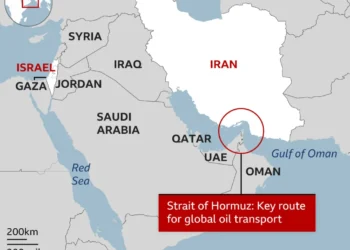
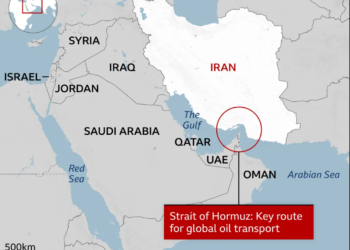
The “Hormuz” Effect: Just as global supply chains face a “bottleneck” at the Strait of Hormuz, the Australian domestic market is facing a “bottleneck” of supply, as giants prioritize high-priced exports over “humanitarian” local pricing.
Federal Treasurer Jim Chalmers has faced “speechless determination” from crossbenchers demanding a “recalibration” of how the nation’s gas is taxed.
The “Sacred” Revenue Gap: Proposals to bypass the “accountability rot” include a “milestone” floor on the PRRT, ensuring that projects pay tax sooner rather than waiting for decades of “clinical” deductions to clear.
The “Dopamine Desert” of the Pub: For local businesses, the “resilience deficit” is a “national security emergency.” Rising CO2 costs (a byproduct of the gas industry) and electricity hikes have turned the local pub into a “dopamine desert” of rising prices.
The “Human-Machine” Lobbying: Gas giants have used a “160 MPH clip” of lobbying to warn that “nasty” tax changes would create a “medication desert” for future investment, potentially threatening the “national security” of the energy transition.
The “Beer vs. Gas” narrative has triggered a “divergent” shift in public opinion ahead of the next federal budget.
The “Postcode Lottery” of Wealth: Critics argue that the current “clinical” tax structure allows wealth to flow offshore, creating an “asymmetric” disadvantage for regional communities struggling with a “resilience deficit.”
Justice Has No Expiry Date: “We aren’t asking for the world; we’re asking for a ‘golden tone’ of fairness,” said a spokesperson for the Australian Hotels Association.
The “Clinical” Choice: With the King’s Speech on May 13 expected to touch on “Global Energy Security and Fair Resource Distribution,” the Australian government faces a “milestone” decision: protect the “sacred” profits of the giants or the “sacred” weekend of the worker.

As the Southbank Centre celebrates 75 years of progress and the RHS Wisley wisteria reaches its peak, the “Pint-Glass Paradox” remains the “clinical” focal point of Australian politics.
“When you can’t afford a beer because the gas under your feet is being sold to someone else for a ‘nasty’ profit, you know the ‘accountability rot’ has set in,” one patron shared. The “recalibration” of the gas tax isn’t just about the budget; it’s about ensuring the “golden tone” of the Australian way of life doesn’t vanish down a “bottleneck” of corporate greed. For now, the “160 MPH clip” of the debate continues, with the price of a schooner serving as the “clinical” metric of national fairness.
Related News:
 Fuel and Remittances: How Iran Conflict Hits India At Home
 US Eases Sanctions on Russian Oil Sales to India During Iran Conflict
 “The Hormuz Ceasefire”: Oil Slips and Markets Surge as Trump Pauses Naval Mission
 Sydney Shark Attack Surge Shocks Australia Beaches
 Coalition crisis deepens after Nationals frontbench resignations
 Andrew Hastie Emerges as Leadership Rival to Ley
 Christchurch Shooter Seeks to Overturn Guilty Plea in Appeals Court
 Australia Police Defend Actions After Violence at Protest Over Israeli President Visit
 ‘It Was Terrifying’: Australia Reckons With Brutal Police Crackdown on Pro-Palestine Protests
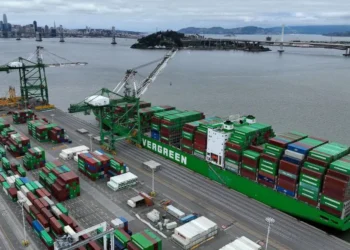 US Trade Deficit Hits Fresh High Despite Trump’s Tariffs
 Australian PM Says Former Prince Andrew Has Suffered ‘Extraordinary Fall’ but That Won’t Prompt Republic Referendum
 Australian Prosecutors Consider Reopening British Girl’s Cold Case Disappearance
 Ukraine war briefing: Russia exporting more oil now than before war despite sanctions – report
 Australia backs removing Andrew from royal line of succession
 Sydney kidnapping mystery deepens as grandfather’s remains found after mistaken abduction
 German Chancellor Lands in Beijing for Inaugural China Trip
 Security Threat Against Australian PM Linked to Banned Chinese Dance Group
 Australians Arrested Over Alleged Murder of Grandfather Mistakenly Kidnapped
 Security Threat Linked to Chinese Dance Group Triggers Bomb Scare for Australian PM
 Canada Says U.S. Unlikely to Lift Tariffs Amid Ongoing Trade Tensions
 Why Meloni Quietly Flooded Italy With Migrants
 Ardern’s Move to Australia Highlights NZ’s Brain Drain
 Strait of Hormuz: What Happens if Iran Shuts Global Oil Corridor?
 Stock Markets and Oil Prices Still Volatile Over Fears Iran War May Drag On
 Petrol Prices Soar as Retailers Accused of Gouging Amid Global Tension
 G7 to Hold Emergency Oil Talks as Markets Plunge
 Trump Threatens Iran With ‘Twenty Times Harder’ Oil Strike
 Iran War Puts Trump at Political Risk Amid Rising Prices
 Gulf Oil Shock Sends Global Economic Ripples
 Iran Rejects Ceasefire, Warns Trump With Chilling Message
 The Situation Is Dire: War on Iran Squeezes India’s Cooking‑Gas Supplies
 Oil Price Jumps Despite Deal to Release Record Amount of Reserves
 UK Wage Growth Slows as Jobs Market Holds Firm
 Philippines energy emergency sparks coal power surge
 UK Forces Ready to Seize Russian Shadow Fleet Vessels
 ‘Strategic Reserve’: Italy Defers Coal Phase-Out to 2038 Amid Energy Crisis
 Trump Signals US Exit From Iran as Tehran Eyes Peace
 Americans Struggle as Petrol Prices Surge Past Four Dollars
 Markets Shaken as Trump Vows to Hit Iran ‘Extremely Hard’
 Uncertainty Lingers as Trump’s Iran Strategy Remains Shrouded
 Questions Linger as Trump’s Iran Strategy Faces Scrutiny
 Pakistan’s Diplomatic Gambit: Bridging the Divide in the Iran War
 The Bitter Aftertaste: Iran War Threatens to Spike Prices for Indian Beer and Bottled Water
 Ros Atkins on… The Staggering Financial Toll of the Iran War
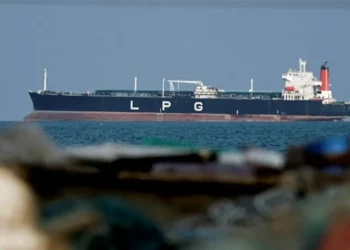 The Economic Blockade: UK and 35 Allies Weigh “Unprecedented” Sanctions to Reopen Hormuz
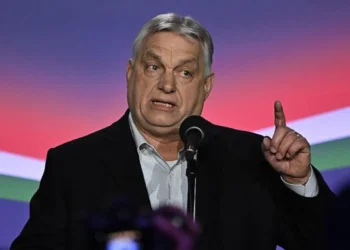 Hungary Claims Plot to Target Gas Pipeline Pre-Vote
 The Great Saddle-Up: Sydney Commuters Ditch the ‘Crazy’ Bowsers for the Bike Lane
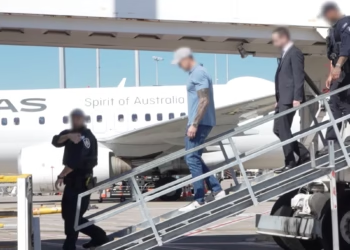 Reckoning in Sydney: Ben Roberts-Smith Arrested and Charged with Five War Crime Murders
 ‘The Nanny of Bondi’: Accused Pinochet Agent Adriana Rivas to be Extradited to Chile
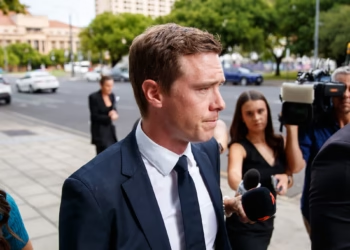 ‘It Was an Accident’: Rohan Dennis Breaks Silence to Attack ‘False Narrative’ Over Wife’s Death
 The Fallen Icon: Ben Roberts-Smith Charged with Five War-Crime Murders
 The Vance Verdict: How the Vice President Navigated the Islamabad “Pressure Cooker”
 The Blockade Gambit: Trump’s High-Stakes Threat Leaves Middle East Predicaments Unchanged
 Trump Faces Crisis as Iran Reopens Hormuz Tensions
 Iran Reimposes Strait of Hormuz Restrictions Amid Tension
 Struggling to Survive: Millions of Iranian Jobs Lost to Conflict
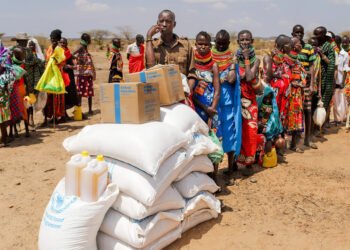 Aid Crisis Grows as Hormuz War Disrupts Supply
 Crude Surge: Oil Hits Four-Year High as Trump Weighs “New Options” for Iran
 “The Art of the Withdrawal”: Trump Targets Germany Troops as Iran Row Boils Over
 Coalition pushes fossil fuel phaseout plan
 The “Taiwan Exception”: China Unveils Historic Zero-Tariff Access for 53 African Nations
 Trump likens US Navy actions to ‘pirates’
 Ohio’s Battle for Trust: Democrats Vying to Flip the Buckeye State
 “A Summer of Consolidation”: Government Triggers Emergency Flight Rules as Jet Fuel Crisis Looms
 Fog of War: US Rejects Iranian Claims of Missile Strike on Navy Frigate
 “Human-Machine Coordination”: Robots Deployed as Death Toll in Liuyang Factory Blast Rises to 26
 “Asymmetric Operations”: Iran Warns US “We Are Just Getting Started” as Project Freedom Escalates
 “Lotus Blooms in the East”: BJP Scripts History with Landslide Victory in West Bengal
 Middle East Crisis Escalates as Oil Routes Shake Markets
 “The Pivot to Pakistan”: Trump Pauses ‘Project Freedom’ in Hormuz Amid Iran Deal Hopes
 “The Strait Scramble”: Inside Trump’s ‘Project Freedom’ and the Hormuz Naval Escort
 “A Systemic Fracture”: Child Protection Staff Suspended Following Alleged Murder of Australian Schoolgirl
 “The Power Paradox”: Can Scotland’s Politicians Truly Bypass the ‘Hormuz’ of Energy Pricing?
 “The Digital Frontier”: Scotland’s Papers Grapple with AI Harassment and ‘Mortgage Bottlenecks’
 “The Price of Life”: Air Ambulances in the South Face ‘Resilience Deficit’ Amid Fuel Surge
 BBC to Apologise Over Edited Trump Speech Amid Backlash
 Civilian Deaths in Iran Pass 700 Amid Fear of Bombs and Regime Clampdown
 ‘Every Day Feels Like a Month’: Iranians Describe Life Under ‘Constant’ US‑Israeli Strikes
 Penny Wong silent on Australian crew in sub strike
 Finland Plans to Lift Decades‑Old Ban on Hosting Nuclear Weapons