Published: 8 May 2026. The English Chronicle Desk. The English Chronicle Online
In a “clinical” move to prevent global panic, the World Health Organization (WHO) has declared that the deadly Hantavirus outbreak aboard the cruise ship MV Hondius is “not the start of another COVID-19 pandemic.” Speaking from Geneva on Thursday, May 7, WHO officials moved at a “160 MPH clip” to “recalibrate” public perception, stressing that while the situation is “nasty,” the risk to the general population remains “asymmetrically” low.

The outbreak, which began in early April 2026 as the vessel sailed from Ushuaia, Argentina, has claimed three lives and left several others in “clinical” isolation. However, the UN health agency insists that the “sacred” protocols of international health regulations are bypassing the “bottleneck” of a wider crisis.
The WHO’s “working assumption” is that the virus is the Andes strain, a specific type of Hantavirus endemic to South America that is “clinically” unique for its rare ability to spread through human-to-human contact.
The “Intimate” Bottleneck: Unlike COVID-19, which spreads at a “160 MPH clip” through the air, Hantavirus typically requires “close and prolonged” contact. “This is not SARS-CoV-2,” stated Maria Van Kerkhove, the WHO’s lead on epidemic management. “We know this virus; it spreads very, very differently.”
The “Birdwatching” Origin: The “milestone” victims—a Dutch couple—are believed to have contracted the virus during a birdwatching trip in Argentina or Uruguay before boarding, bypassing the “bottleneck” of shipboard hygiene as the initial source.
The “45-Day” Vigil: Because the incubation period can last up to six weeks, the WHO has “clinically” requested that all passengers—including those who disembarked at St. Helena—remain under “sacred” monitoring for 45 days.
The MV Hondius, carrying 147 passengers and crew, is currently moving at a “160 MPH clip” toward the Canary Islands, where it is expected to dock this weekend under “national security” supervision.
The “Solidarity” Docking: After Cabo Verde declined the ship’s request to dock, Spain stepped in to allow the vessel into Tenerife. WHO Director-General Dr. Tedros thanked Spain for this “humanitarian” act of “moral duty.”
The “Clinical” Evacuations: Three individuals—including a British national and the ship’s doctor—were medically evacuated to the Netherlands via Cabo Verde earlier this week. They are currently in “speechless determination” as they receive specialist care.
The “Flight Attendant” Alert: A “nasty” development is being monitored in Amsterdam, where a flight attendant is in isolation after showing symptoms following a flight from South Africa. If positive, this would be a “milestone” as the first case not directly on the ship.
As the Southbank Centre celebrates 75 years of progress and the RHS Wisley wisteria reaches its peak, the “clinical” focus on the Atlantic highlights a “recalibrated” era of travel biosecurity.
Justice Has No Expiry Date: The WHO is working with authorities in South Africa, Singapore, and the UK to track dozens of people who disembarked on April 24. “We are bypassing the ‘bottleneck’ of uncertainty,” a spokesperson noted.
The “160 MPH” Tech Response: Laboratory testing at the NICD in South Africa and in the Netherlands is using “human-machine coordination” to sequence the virus and confirm its “divergent” properties.
The “King’s Speech” Context: With the King’s Speech on May 13 likely to touch on “Global Health Resilience,” the UK government is “clinically” overseeing the 45-day isolation of returning British passengers.

The WHO’s message is a “clinical” win for science over fear, bypassing the “bottleneck” of pandemic anxiety with “golden tone” clarity.
“We have bypassed the ‘bottleneck’ of a new global lockdown,” a global health analyst shared. By acknowledging the “resilience deficit” in early shipboard reporting but “clinically” managing the aftermath, the WHO is betting that this “nasty” outbreak will remain a “milestone” event rather than a global disaster. For now, the “clinical silence” of the isolation cabins remains the “sacred” frontline in the “160 MPH” race to contain the Andes virus.
Related News:
 The Outback Squeeze: ‘Out of Control’ Diesel Prices Threaten Australia’s Freight Arteries
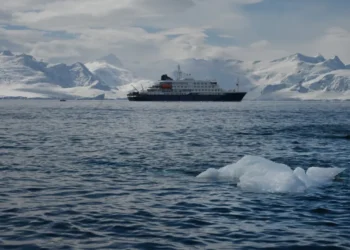 “The Floating Fever”: WHO Confirms Second Hantavirus Case as Cruise Outbreak Death Toll Reaches Three
 British AI Startup Outshines Human Forecasters in Global Prediction Contest
 UK Fighter Jet Purchase Could Breach Nuclear Treaty, Warns CND
 Google at 27: The Untold Story of Ruth Kedar, the Woman Behind the Iconic Logo
 Russia repeatedly targets UK military satellites, warns Space Command chief
 Cooper Unveils £4m Cyber Plan Against Russian Hackers
 Experts Warn Russia’s Burevestnik Missile Could Destabilise Arms Control
 Britain deploys RAF specialists to assist Belgium with drone threats
 Hitler’s DNA Confirms He Truly Had Only One Testicle
 Pokémon to open world’s first theme park in Japan next year
 US Clears Nvidia AI Chip Sales to China in Policy Shift
 Iran Signals Permanent Break From Global Internet, Activists Warn
 UK New Car Discounts Near £6,000 as Prices Are Slashed
 Two Britons Among Three Dead in French Alps Avalanche
 How to Get the Best View of the Northern Lights in 2026
 Dual Nationals Face Scramble for UK Passports as New Rules Come Into Force
 Chasing the Next Solar Eclipse: When, Where and How to See It
 Indian University Kicked Out of AI Summit for Claiming Chinese Robot Dog as Its Own Invention
 China Shows Off Nunchuck‑Wielding Humanoid Robots for Lunar New Year
 The Chinese AI App Sending Hollywood Into a Panic
 How Do You Modernise Mango Farming? India’s Growers Urged to Innovate as Climate Change Hits
 Bill Gates Pulls Out of India’s AI Summit Over Epstein Files Controversy
 Musk Cuts Starlink Access for Russian Forces – Giving Ukraine an Edge at the Front
 Major 7.1 Earthquake Strikes Off Malaysian Tourist Coast
Storm Hernando: Edinburgh Airport Flights Cancelled in US Travel Chaos
Major 7.1 Earthquake Strikes Off Malaysian Tourist Coast
Storm Hernando: Edinburgh Airport Flights Cancelled in US Travel Chaos
 More Than 5,000 Flights Cancelled as US East Coast Digs Out of Record Snow
 Social Media Trial: Woman Says Addiction Began at Six
Instagram Investigating AI Profiles ‘Fetishising’ Disabled People
Social Media Trial: Woman Says Addiction Began at Six
Instagram Investigating AI Profiles ‘Fetishising’ Disabled People
 Anthropic Boss Rejects Pentagon Demand to Drop AI Safeguards
 Islanders Advised on Travel to Middle East Amid Escalation
 Australian GP Confident Amid Travel Disruption
 Why Russia Controls Its People With a Flick of a Switch
 Limited Flights Leave UAE But Disruption Continues Amid Iran Strikes
 The US Now Has the Medicine for Cheap Swarming Drone Attacks
 U.S. Tells Citizens to Leave Israel Now as Regional Conflict Escalates
 Boy George Says He’s Using ChatGPT to Help Write New Songs
 Protesters Rally in San Francisco Against OpenAI Deal With Pentagon
 We Have More Privacy Controls Yet Less Privacy Than Ever — The Paradox of Digital Life
 Study Says Only Two Nations May Survive Nuclear War
 My One-Hour Flight Transfer Left Me Facing 10 Days Stuck in a City Under Attack
 Air India Express Plane Damaged in Chaotic Landing at Phuket Airport
 One Ant for $220: The New Frontier of Wildlife Trafficking
 Trump Considers Military Operation to Seize Iran’s Uranium
 I’ve Lived in a French Village for 35 Years. This is Why They are So Special.
 Jim Ratcliffe’s £3.5bn Chemical Plant Delayed with Parts Stranded in the Gulf
 ‘At the Doorstep of the Future’: Florida’s Space Coast Braces for Historic Artemis II Launch
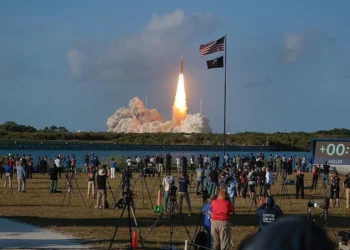 ‘We Go for All Humanity’ — Artemis II Returns Humans to the Lunar Vicinity
 The Orion Capsule: A High-Stakes Vigil in Earth’s Orbit
 A Name for the Nameless: DNA Finally Links 1974 Utah Murder to Ted Bundy
 7.4-Magnitude Earthquake Jolts Eastern Indonesia; Tsunami Warning Lifted
 Breaking the Horizon: Blind Runner to Tackle Brighton Marathon with Smart Glasses
 Lunar Bound: Artemis II Leaves Earth’s Orbit for Historic Deep-Space Journey
 “Homo Sapiens are All of Us”: Artemis II Crew Sends Emotional Message of Unity from Deep Space
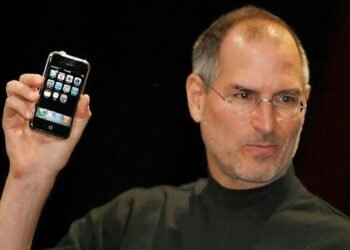 Apple at 50: Three Products That Changed How We Live
 Paradise Aground: Cruise Ship Evacuated After Striking Reef Near ‘Cast Away’ Island
 Inside the “Justice Factory”: BBC Enters the Seized Scam Compound with Fake Global Police Stations
 Voices of the Vanguard: ‘Audio Time Capsule’ of Disability Rights Pioneers Discovered
 Electric Shock: Australians Buy Record Number of New EVs as Fuel Crisis Bites
 War, Windfalls, and the Carbon Trap: The Iran Conflict’s Brutal Energy Math
 Two Centuries of Steam: The Museum Train Embarking on a Bicentennial Journey
 Echoes of the Iron Horse: Exhibition Train Marks 200 Years of Rail
 The Great Chokehold: Why the Strait of Hormuz is the Epicenter of the 2026 Crisis
 Moldova River Crisis Exposes War’s Hidden Cost
 The Frozen Frontier: Why Frostbite is the Least of Concerns for Canada’s Arctic Forces
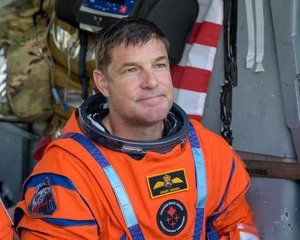 Canadian astronaut French words ease language row
 ‘The End of the Quiet Era’: Japan Relaxes Arms Export Rules in Historic Pivot From Pacifism
 Rations and Rides: Global Responses to the 2026 Fuel Crisis
 Beyond the Swoosh: Anta Sports Overtakes Rivals to Become Global Top Three
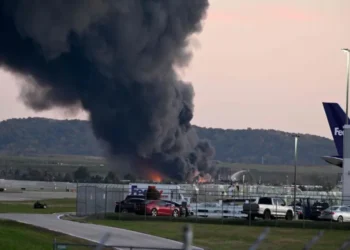 Two Dead in Adelaide Airport Plane Crash Fire
 “Grounded”: Beijing Implements Total Ban on Drone Sales Citing Capital Security
 “A Deliberate Act”: NTSB Data Reveals Fuel Cut-Off Preceded Fatal 2022 China Eastern Crash
 “The Digital Frontier”: Scotland’s Papers Grapple with AI Harassment and ‘Mortgage Bottlenecks’
 “The Trial’s Strange Turn”: Musk v. Altman Case Veers into Personal Testimony and ‘Sperm Offers’
 “The Mush-Brain Mandate”: How to ‘Think Outside the Bots’ and Bypass the AI Resilience Deficit
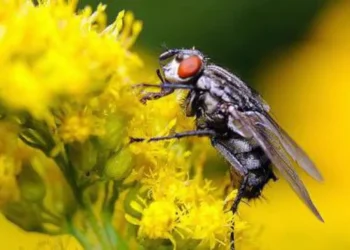 “The Turbo-Fly Blueprint”: Tiny Insect Brains Spark a ‘Clinical’ Revolution in Neuromorphic AI
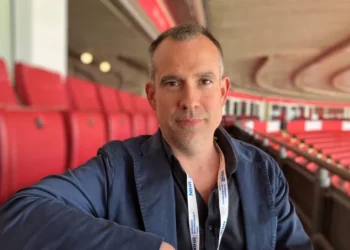 “The Swap Shop”: Dr Chris van Tulleken Backs Southampton Teens’ Fight Against ‘The Matrix’ of Ultra-Processed Food
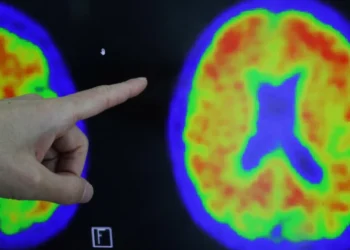 “The Bio-Marker Breakthrough”: At-Home Blood Test Could Spot Alzheimer’s Risk Years Before ‘Clinical’ Symptoms
 “The Gavel of Governance”: Meet the ‘No-Nonsense’ Judge Bypassing the ‘Accountability Rot’ in Musk v Altman
 The Pathogen Protocol”: Third British National Monitored for ‘Nasty’ Suspected Hantavirus