Published: 09 May 2026. The English Chronicle Desk. The English Chronicle Online
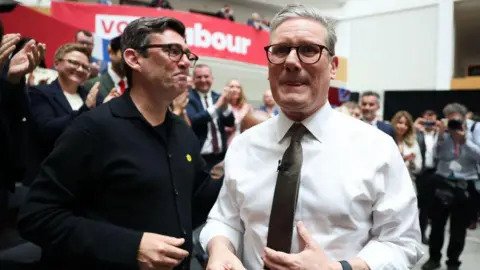
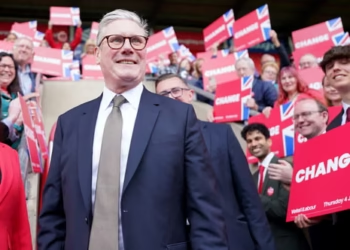
A major internal poll has revealed deep unease within the Labour Party, with a majority of members expressing doubts over whether party leader and Prime Minister Keir Starmer can restore the party’s political standing. The findings have intensified debate over leadership direction following a series of disappointing election results across the United Kingdom.
The survey suggests growing support for Greater Manchester Mayor Andy Burnham as a potential future leader, while also highlighting increasing dissatisfaction with the current leadership. The results come at a sensitive time for Labour, as the party faces mounting pressure from opposition gains and internal divisions.
According to the poll of more than 1,000 Labour members, conducted shortly before recent local and parliamentary elections, 51% of respondents said they do not believe Starmer can improve Labour’s electoral performance. A further 45% indicated that the Prime Minister should step down if the party continues to perform poorly. The findings reflect a sharp shift in sentiment compared to earlier polling, where dissatisfaction levels were significantly lower.

The survey also revealed that Burnham is the first-choice successor among 42% of members asked to rank potential future leaders. His popularity is reinforced by a net favourability rating of 72%, suggesting strong grassroots support within sections of the party membership. However, his ability to formally enter a leadership contest remains restricted due to his current role as mayor and internal party rules controlled by Labour’s National Executive Committee (NEC).
Supporters of Burnham within the party have argued that he represents a unifying figure capable of reconnecting Labour with voters, particularly in traditional strongholds where recent election results have shown significant losses. Some Members of Parliament aligned with his political stance have reportedly called for a managed transition process that would allow Starmer to step down in an orderly manner.
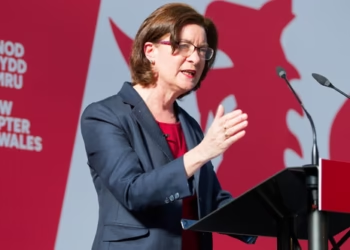
The discussion over leadership has intensified following a difficult electoral period for Labour. In England’s local elections, the party suffered notable losses, while in Scotland the Eluned Morgan-led political environment faced similar pressure as opposition parties made significant gains. Meanwhile, in Wales, Labour lost long-held dominance, marking a historic shift in regional political alignment.
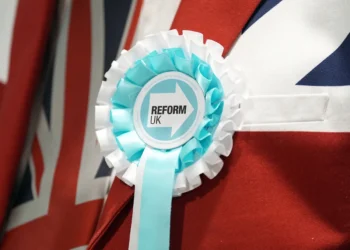
One of the most striking outcomes of the election cycle was the rise of Reform UK, led by Nigel Farage, which secured hundreds of council seats and gained control of several local authorities. Analysts suggest that Reform’s surge has added further pressure on Labour’s leadership, particularly in working-class regions where traditional voting patterns are shifting.
In London, the Greens also made significant advances, winning control of multiple councils, which further highlighted a broader fragmentation of the progressive vote. Political observers argue that this reflects growing dissatisfaction among voters who previously supported Labour but are now exploring alternative parties.
Within Labour’s membership, frustration appears to be extending beyond leadership concerns. The poll found that 36% of members have considered cancelling their party membership altogether, while nearly half believe that Starmer shares responsibility for the party’s poor performance alongside his government team. Around one-third of respondents also indicated they are actively reconsidering their continued involvement in the party.
Internal party dynamics have further complicated the situation. Burnham’s potential path to leadership remains blocked under current NEC rules, which prevent him from standing for parliament while serving as mayor. Attempts to challenge this restriction have previously been unsuccessful, despite lobbying from some MPs and party members.
Sources within the party suggest that at least 10 MPs have publicly or privately called for Starmer to establish a clear timeline for departure. Among those expressing concern are senior figures such as former transport secretary Louise Haigh, alongside MPs elected in the 2024 intake, including Sarah Owen and others. They argue that a planned transition would help stabilise the party and prevent further electoral decline.
However, opponents of a leadership challenge warn that internal division could further weaken Labour’s position at a critical political moment. They argue that replacing Starmer without a clear electoral strategy could deepen uncertainty and benefit opposition parties, particularly Reform UK and other emerging political forces.
The thinktank Compass, which conducted the polling, warned that Labour is facing a “moment of serious political reckoning.” Its deputy director Lena Swedlow stated that both voters and party members are demanding change in leadership style and policy direction. She emphasised that restoring trust would require “orderly and considered” reform rather than abrupt political upheaval.

Despite the internal pressure, senior party officials close to Starmer have indicated that no immediate leadership challenge is expected. They argue that the Prime Minister remains focused on stabilising government policy and addressing economic challenges, particularly amid global uncertainty and domestic fiscal pressures.
Nonetheless, political analysts note that leadership speculation is unlikely to subside in the short term. The combination of electoral setbacks, rising opposition momentum, and internal dissatisfaction has created one of the most challenging periods for Labour since its return to government.
Burnham’s supporters continue to position him as a potential future unifier of the party, citing his popularity among grassroots members and strong electoral performance in local government. However, without a clear route back into parliamentary politics, his leadership prospects remain uncertain.
As Labour navigates this turbulent period, the party faces competing pressures: maintaining government stability, responding to electoral losses, and managing internal demands for leadership renewal. Whether Starmer can consolidate authority or whether a leadership transition debate will intensify further is expected to be a defining issue in the months ahead.
Related News:
 Green Party Surges Past Labour in Latest UK Poll
 Trump’s UK Ambassador Urges North Sea Drilling to Strengthen US Ties
 French Taxi Driver Cleared in David Lammy Theft Case After Fare Dispute
 Millionaires group urge Reeves to introduce wealth tax to ‘lift kids out of poverty’
 Starmer Faces Growing Dissent as Labour MPs Weigh Leadership Challenge
 Reeves rejects £1bn plea for NHS redundancy payouts
 PM Condemns Leaks, Vows Loyalty to Ministers and Stability
 Major Rent Reform Ends No-Fault Evictions in England
 Peers Flood Assisted Dying Bill with 942 Amendments
 Most Tories Expect to Support a Farage-Led Government
 Labour MP claims devolution bill is ‘blatant discrimination’ against Cornwall
 Millions Face Higher Taxes Under Reeves New Budget
 Starmer Says Labour’s Economic Plan Needs Years to Deliver
 Culture secretary to review Telegraph takeover by Daily Mail owner
 UK Government Borrowing Drops to £11.6bn in December
 Labour Blocks Burnham as Party Rift Deepens Ahead of Polls
 Andy Burnham and the Labour Rift Over Power and Leadership
 Huge mistake: Labour blocks Burnham from byelection bid
 Artificial intelligence will cost jobs, admits Liz Kendall
 Labour targets Greens on drugs in Gorton Denton byelection
 Greens nominate Hannah Spencer for Gorton and Denton byelection
 Mandelson Faces Police Inquiry Over Epstein Leak
 Starmer Condemns ‘Depraved’ Russian Strikes on Ukraine
 Labour Thinktank Row Deepens Over Journalist Probe Claims
 Morgan McSweeney downfall shocks Labour leadership
 Labour Lord Doyle Apologises Over Paedophile Ties in Political Storm
 Cabinet Secretary Shake-Up Triggers Due Diligence Warning
 Starmer Faces Inquiry Calls Over Thinktank Probe
 Royal Mail Delivery Crisis Deepens Amid Weather Chaos
 UK shelves £110m border project amid trade strain
 Farage Unveils Reform UK Frontbench Team
 California Democrats Vow Trump Reckoning
 Trump Tariffs Threat Spark UK and EU Alarm
 Wales Approves Assisted Dying Bill Consent
 UK EU Trade Reset Gains Public Backing
 Your Party leadership fight nears dramatic end
 NHS Maternity Units Cover Up Harmful Childbirth Errors
 Green Party Stuns Labour in Gorton and Denton Byelection
 Corbyn Leads Your Party in Coordinated Left-Flank Strategy
 Labour Together scandal sparks clean break vow
 Asylum Seekers to Work After Year-Long Wait
 Starmer Row as Greens Demand Apology
 Proposed Law Leaves Gap for Children of Convicted Paedophiles
 Gordon Brown urges court for crimes against children
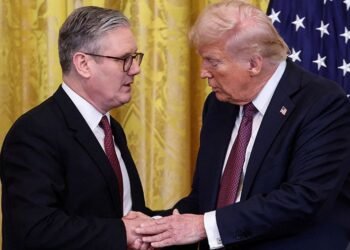 Starmer Praised for Stance on Trump and Iran Conflict
 Inquiry into HMRC child benefit errors launched by NAO
 NHS Plans to Cut Overseas Workers Labeled Overambitious
 Farage Faces Backlash Over Crypto Cameo Endorsements
 Family Court Reform Promises New Era for UK Families
 Army Probes Apache Flyover at Kid Rock’s Nashville Estate
 Relationship with Trump may be beyond repair, Starmer warned
 Unions Raise Concerns Over Doctors’ Pay Dispute
 UK Government Poised to Revive Stalled Hillsborough Law
 UK Stands Firm on Falklands Amid US Rift
 Welsh Labour Faces Potential Historic Election Defeat
 Starmer Survives Mandelson Rebellion
 Silent Tracks: Rail Line Without Passengers
 Major test for Labour as polls open in Great Britain
 Reform UK Faces Crisis as Newly Elected Councillors Resign
 Farage Faces New Questions Over Private Helicopter Use
 NHS Drug Deal Faces Legal Threat Over US Trade Agreement
 Green Party Makerfield Candidate Resigns Over Posts
 UK Welfare: Focus on Jobs Over Benefit Cuts, Says JRF
 Secret Role of UK Security Services in Troubles Amnesty Law
 Starmer Leadership Under Pressure After Setbacks
 The Hidden Crisis Eroding Trust in British Communities
 Deepfake Abuse on X Sparks Safety Concerns for Dissidents
 Modernising the Military: Carns Demands Urgent Procurement Reform
 UK Ministers Lobby Trump Over Under-16s Social Media Ban
 Starmer Resolves to Fight Burnham in Leadership Battle
 Starmer Resigns as Prime Minister Amid Internal Pressure
 MP Warning: Northern Rail Risks Repeating HS2 Failures
 Hollie Ridley to Step Down as Labour General Secretary
 New South Wales Premier Chris Minns Signals Tough Road Ahead for Labor
 Jarvis Urges Burnham to Secure 3.5% Defence Spending
 Farage Warns Sky News Following Financial Inquiry
 Reform UK Finances Face Deep NCA Probe
 Ann Widdecombe, Formidable Political Figure, Dies at 78
 Treasury Reform Urged After Tragic Loss
 Sadiq Khan Backs Call for Maximum UK Work Heat Limit