Published: 11 May 2026. The English Chronicle Desk. The English Chronicle Online
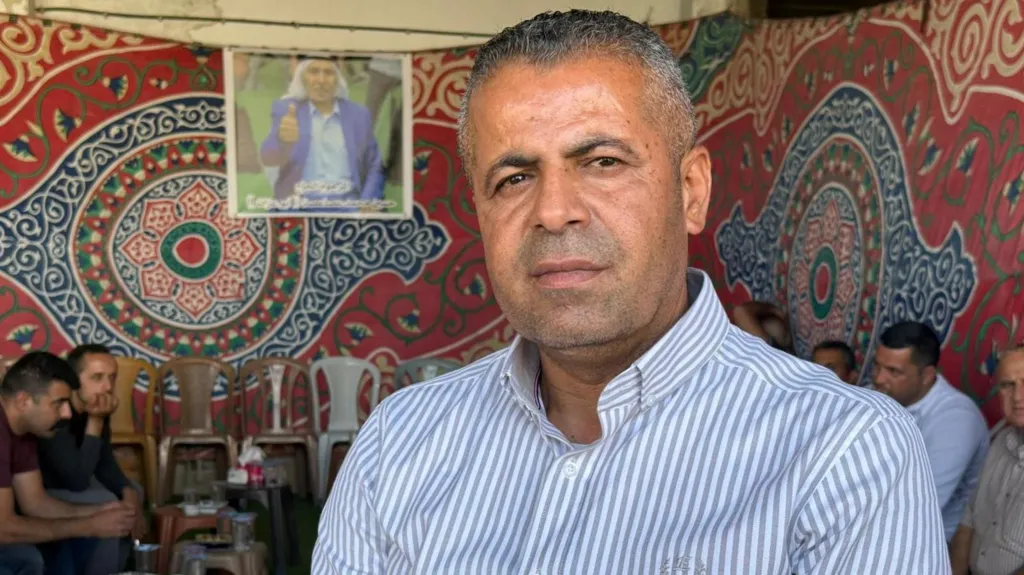
In a “national security” incident that the United Nations has branded a “new level of dehumanization,” an elderly Palestinian man’s final rest was “nasty and mischievously” interrupted this weekend. On Friday, May 8, in the village of Asasa, south of Jenin, Israeli settlers forced a grieving family to dig up the body of their father, Hussein Asasa, just minutes after his “sacred” burial.

Despite the family obtaining “clinical” permits from the Israeli military to use the village cemetery, settlers from the nearby re-established outpost of Sa-Nur claimed the land was “settlement territory” and threatened to use a bulldozer to remove the remains if the family did not do so themselves.
The “clinical” coordination of the burial was intended to prevent “asymmetric” conflict, but the “sacred” protocols failed within minutes.
The “Military Permit” Bottleneck: The Asasa family had “clinically” coordinated the 80-year-old’s funeral with Israeli security forces, who granted a “160 MPH” window of 30 minutes to complete the burial on Friday afternoon.
The “Settlement” Proximity: Sa-Nur, a settlement evacuated in 2005 but “recalibrated” and re-established by the current government, sits only 300 meters from the Asasa village cemetery, creating a “national security” flashpoint.
The “Bulldozer” Threat: “The settlers told us: ‘Either you take the dead body away right now or we’ll use a bulldozer,‘” Mohammed Asasa shared, describing the “nasty” ultimatum that bypassed the “humanitarian” dignity of the deceased.
Witnesses and video footage have “recalibrated” the narrative regarding the role of the Israeli Defense Forces (IDF) during the “asymmetric” exhumation.
The “Confiscated Tools” Milestone: The IDF confirmed to “160 MPH” news outlets that its soldiers confiscated digging tools from settlers who were “digging in the area,” yet they did not prevent the exhumation from proceeding.
The “Forced” Compliance: Mohammed Asasa stated that the family found settlers had already reached the body before they took over to protect its “sacred” dignity. “We had no choice,” he shared, noting that soldiers “clinically” looked on as the family carried the shrouded body away.
The “Relocation” Reality: The body was moved at a “160 MPH clip” to a cemetery in a nearby town, bypassing the “bottleneck” of the disputed land to ensure a “clinical” peace for the deceased.
As the Southbank Centre celebrates 75 years of progress and the RHS Wisley wisteria reaches its peak, the “asymmetric” violence in the West Bank has reached what the OHCHR calls a “despicable” milestone.
The “Dehumanization” Verdict: Ajith Sunghay, head of the UN Human Rights Office for the occupied territory, stated the incident is “emblematic of the constant failure” to protect Palestinians under international law.
The “2026” Violence Surge: OCHA data shows that settler violence in 2026 has already displaced nearly 2,000 Palestinians from 43 communities, a “milestone” of “accountability rot” in regional security.
The “Settlement” Expansion: The “nasty” incident highlights the “asymmetric” friction caused by the return of settlers to areas previously evacuated under the 2005 disengagement plan.

The exhumation of Hussein Asasa is a “clinical” record of a “resilience deficit” in the rule of law within the occupied West Bank.
“We have bypassed the ‘bottleneck’ of the living and are now attacking the dead,” a local human rights advocate remarked. By acknowledging the “nasty” reality of the Sa-Nur exhumation, the international community is “clinically” calling for a “recalibration” of military oversight. For now, the “speechless determination” of the Asasa family is the only “milestone” of peace in a region moving at a “160 MPH clip” toward further “national security” fragmentation.
Related News:
 ‘I Would Scream in My Sleep’: Alawite Women from Syria Tell of Kidnap and Rape
 “I Haven’t Slept for Days”: Iranians Describe Mounting Desperation After a Month of War
 “I Haven’t Slept for Days”: Iranians Describe Mounting Desperation After a Month of War
 Death, displacement and military duties: children plunged into crisis
 Ten Dead as Israeli Strikes and Internal Clashes Rock Gaza
 Aid Crisis Grows as Hormuz War Disrupts Supply
 “A Ten-Minute Eternity”: The Morning Lebanon’s Horizon Turned to Ash
 Sexually Explicit Letters Target Hong Kong Exiles in UK, Australia
 Britain Demands Israel Reverse Ban on Aid Groups
 Emails Show Epstein Funded Mandelson’s Husband After Jail
 Iran Says ‘Guiding Principles’ Agreed With US at Nuclear Talks
 US Urges Iran to Make Deal as Military Presence Rises
 ‘Anyone who runs is shot’: Russian soldiers describe killings of troops who refuse orders
 Middle East Flights Halted After Iran Strikes
 Iran’s Regime Still Intact — Coming Days Will Test Its Survival
 Allies of US in the Gulf Bear Brunt of Iran Attacks
 Hopes and Fears as US Iranians Take to Streets After Toppling of Supreme Leader
 Iran, the US, and a World Cup That Starts in Three Months
 In Maps: Strikes Across Iran and the Middle East
 Months of Planning Behind US‑Israeli Mission to Target Iran’s Supreme Leader
 Cooper: Joining US Strikes on Iran ‘Not in Britain’s Interest’
 US Iran Operation: Sixth Service Member Killed
 Hezbollah Anger Erupts as War Returns to Beirut
 Tehran Makes New Threat to Gulf Shipping as US Says ‘Hardest Hits’ on Iran ‘Yet to Come’
 Did Trump Declare War and Did Congress Approve Iran Attacks? What to Know
 The Third Day of the US‑Israeli War With Iran
 Limited Flights Leave UAE But Disruption Continues Amid Iran Strikes
 Why the US and Israel attacked Iran
 Israel Launches Fresh Strikes on Tehran & Beirut; US Warns “Hardest Hits” Ahead
 Three Days In, This War’s End Is Still Unclear
 Israel Launches Fresh Strikes on Tehran and Beirut on Day Four
 Israel’s New Airstrikes on Tehran & Beirut After US Embassy in Riyadh Is Hit
 Israel Launches Ground Invasion of Lebanon Amid Widening Middle East War
 Trump Underestimated the Iranian Regime’s Will to Survive
 U.S. Tells Citizens to Leave Israel Now as Regional Conflict Escalates
 Civilian Deaths in Iran Pass 700 Amid Fear of Bombs and Regime Clampdown
 Middle East attacks intensify as Trump rejects Iran talks
 Iran-Iraq border airstrikes spark new tensions
 US Senate Backs Trump War Powers Amid Iran Missile Barrage
 Macron Finds ‘Freedom Fries’ Redemption in Iran Crisis
 ‘We Must Finish This’: Israelis Rally Behind War Effort as Iran Strikes Tel Aviv
 UK Prepares Aircraft Carrier for Middle East Crisis
 Australia Urged to Shield Iranian Team After Anthem Protest
 Nine Days of Strikes Reshape the Middle East
 Seventh US Service Member Killed in Iran Conflict Identified
 China Moves to Enshrine ‘Ethnic Unity’ Law
 Istanbul Mayor Faces Corruption Trial Amid Political Storm
 Trump Threatens Iran With ‘Twenty Times Harder’ Oil Strike
 Iran’s New Leader Faces Existential Test
 Video Analysis Suggests US Missile Hit Base Near Iran School
 Iran Rejects Ceasefire, Warns Trump With Chilling Message
 Iranian Footballers Escape Team Hotel to Seek Asylum
 Ancient Heritage Sites Damaged in Recent Airstrikes
 China Approves ‘Ethnic Unity’ Law Requiring Minorities to Learn Mandarin
 Anti-Regime Iranians Turn Anger Toward Trump
 Trump Iran War Stance Hardens as Conflict Widens
 Kabul hospital strike sparks deadly blame row
 Israel Says Iran Security Chief Larijani ‘Killed’
 Ghalibaf Iran: Survivor Emerges in Shifting Power Game
 Gulf Distrust Grows Over Rumoured US-Iran Peace Talks
 WHO Warns of Health Crisis Unfolding in Middle East
 Saudi Arabia Urging US to Keep Up Iran Attacks
 Iran Warns of US Ground Assault Amid Rising War Tension
 Trump Threatens Iran With Total Infrastructure Destruction
 Archbishop Prays for Middle East Peace in First Easter Sermon
 Trump’s Six-Week Iranian War: The High Cost of Ignorance
 ICE Detains Soldier’s Bride Days After Louisiana Wedding
 Middle East Analysis: The Cost of a Fragile Peace
 Israel Launches Massive Airstrikes Across Lebanon
 Netanyahu Vows Continued Lebanon Strikes Amid Peace Talks
 US and Iran Pursue Extension of Ceasefire via Pakistan
 Uncertain Peace: Tehran Residents Face a Ruined Capital
 Australian Activists Detained as Gaza Aid Flotilla Intercepted
 “An Endurance Test for the Mind”: British Couple Sentenced to 10 Years in Tehran
 Trump likens US Navy actions to ‘pirates’
 Middle East Crisis Escalates as Oil Routes Shake Markets
 Three Australian Women Detained Over Islamic State Links
 “The Trading Bonanza”: Shell Profits Soar to $6.9 Billion Amid Iran War ‘Volatility’
 “The Peace Dividend”: Oil Prices Plunge and Global Stocks Surge on Reports of Iran Ceasefire Deal
 Tensions Emerge in Netanyahu-Trump Alliance