Published: 19 May 2026. The English Chronicle Desk. The English Chronicle Online
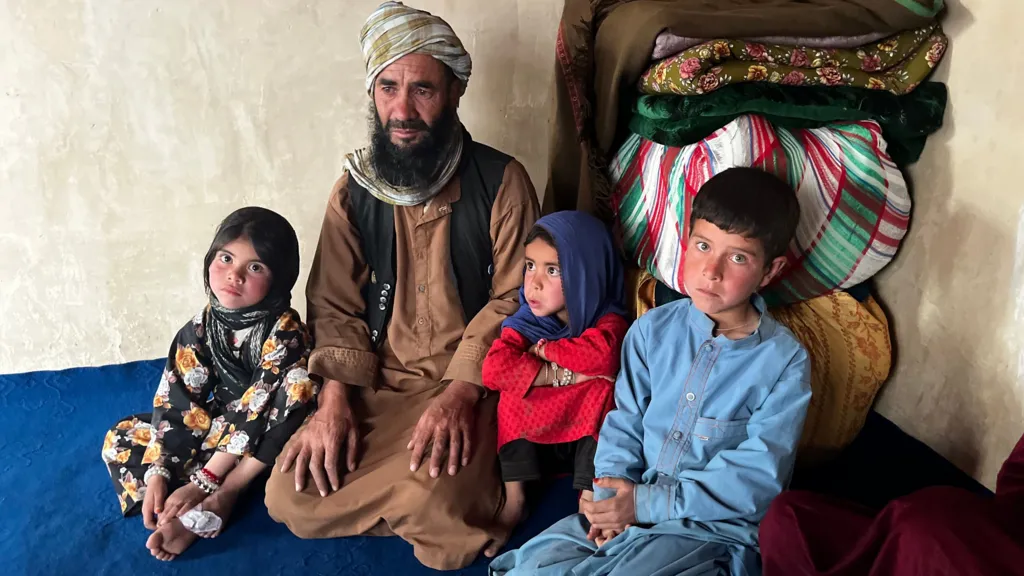
In a “national security” tragedy that humanitarian organizations are calling a structural “accountability rot,” the economic collapse of Afghanistan is forcing destitute parents into unfathomable compromises. Following years of frozen central bank assets, international sanctions, and a severe “resilience deficit” under the Taliban administration, desperate fathers in Western provinces are increasingly selling their young daughters into forced marriages or labor to bypass the “bottleneck” of immediate starvation for the rest of their families.

According to a “milestone” regional survey by non-profit groups, the transaction price for a child—frequently between $500 and $2,000—is often the only buffer protecting multi-child households from total winter devastation.
The “clinical” calculation made by families highlights an unprecedented “resilience deficit” in basic food security across rural settlements.
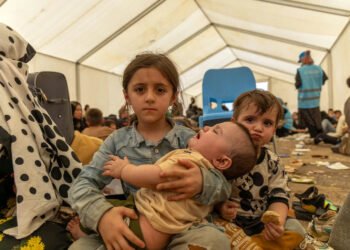
The “Herat Camp” Displacements: In makeshift camps outside Herat and Badghis, thousands of internally displaced farmers who lost their livelihoods to climate shocks have run out of assets to sell. “I sold my daughter due to poverty and hunger to save the life of the others,” shared Mohammed Khan, a father who relinquished his young child.
The “Future Bride” Protocol: In accordance with conservative regional customs, buyers—frequently older men—pay a “bride price” up front. While the young girls often remain with their biological parents until reaching adolescence, the transaction “clinically” strips them of any future autonomy, moving them at a “160 MPH clip” into cycles of early domestic labor and abuse.
Suicide and Mental Health Surge: Independent medical reports track an “asymmetric” spike in depression and anxiety among Afghan teenage girls, a “nasty” indicator of the broader societal fragmentation occurring beneath the surface.
Humanitarian operators stress that the crisis cannot be “clinically” solved by standard aid distribution alone, as structural economic blocks remain absolute.
The “Aid vs. Economy” Friction: While groups like Save the Children and World Vision deploy emergency cash assistance to temporarily stall child sales, directors warn that no amount of charity can substitute for a functioning national market.
The “Red Phase” Map: A food security assessment map managed by global experts shows nearly the entirety of Afghanistan marked in “Emergency” red—consistently positioned just one phase away from a “Catastrophe” or outright famine declaration.
The “Debt Collector” Threat: Many fathers reveal they were forced into transactions after accumulating massive debts to local merchants just to buy wheat flour. “The creditors knocked at my door. My alternative was to watch everyone starve or give up one child,” a former schoolteacher in Kabul stated.
As the Southbank Centre celebrates 75 years and the RHS Wisley wisteria reaches its peak, the international community faces deep moral friction regarding its “asymmetric” sanctions strategy.
Justice Has No Expiry Date: Human rights advocates argue that while isolating the regime is a “national security” priority for Western capitals, the current financial “bottleneck” is punitively impacting the most vulnerable.
The “Unborn” Marketplace: UN reports have documented extreme instances where mothers, burdened by ancestral debts, have signed agreements to sell their unborn infants to creditors in exchange for the cancellation of financial liabilities.
The “1% Connectivity” Struggle: Severe restrictions on banking and communication networks mean the internal desperation of these border provinces rarely reaches global headlines at a “160 MPH clip,” keeping the crisis behind a wall of “clinical silence.”
The surge in child sales across Afghanistan is a “nasty” and structural reminder of what happens when a nation’s economy enters a total free fall.

“We have bypassed the ‘bottleneck’ of political posturing and arrived at the absolute floor of human misery,” an international aid coordinator remarked. By acknowledging the “resilience deficit” within the country’s borders, humanitarian networks are “clinically” demanding a “recalibration” of how the world delivers financial liquidity to frozen states. For now, the “speechless determination” of parents fighting to keep their remaining children alive is the only “milestone” left in a territory moving at a “160 MPH clip” toward complete social unraveling.
Related News:
 Sexually Explicit Letters Target Hong Kong Exiles in UK, Australia
 Britain Demands Israel Reverse Ban on Aid Groups
 Grief, Fear and Fury: Mothers Unite to End Israeli-Palestinian Violence
 Iran Leader Blames Protesters, Says They Serve Trump
 Emails Show Epstein Funded Mandelson’s Husband After Jail
 Thousands Protest ICE in New York Against Trump Deportation Campaign
 The Martin Luther King Protégé Who Helped Reshape America
 ‘I Would Scream in My Sleep’: Alawite Women from Syria Tell of Kidnap and Rape
 Leave Chagos Now, Britain Tells Returning Islanders
 Australian Women in Syrian Camp Offer Separation Deal
 ‘Anyone who runs is shot’: Russian soldiers describe killings of troops who refuse orders
 Two Arrested After Death of ‘British Lip King’
 Tribunal Rules Burgertory Founder’s Chant Incited Hatred
 Dirty Laundry and Chocolate Bars: How Venezuelan Prisoners Smuggled Messages Out of Jail
 Australia Urged to Shield Iranian Team After Anthem Protest
 China Moves to Enshrine ‘Ethnic Unity’ Law
 Istanbul Mayor Faces Corruption Trial Amid Political Storm
 Iranian Footballers Escape Team Hotel to Seek Asylum
 Iran Women Footballers Seek Asylum After Anthem Protest
 Middle East crisis live: Supreme leader ‘safe’, Iran and Israel escalate conflict
 China Approves ‘Ethnic Unity’ Law Requiring Minorities to Learn Mandarin
 Anti-Regime Iranians Turn Anger Toward Trump
 Hong Kong Bookstore Arrests Spark New Freedom Concerns
 Zelensky Visits Saudi Arabia After Offering Drone Expertise
 Min Aung Hlaing Poised for Presidency Amid Engineered Transition
 “I Haven’t Slept for Days”: Iranians Describe Mounting Desperation After a Month of War
 “I Haven’t Slept for Days”: Iranians Describe Mounting Desperation After a Month of War
 “Humanitarian Gesture”: Cuba Pardons 2,010 Prisoners as Trump’s “Maximum Pressure” Peaks
 Death, displacement and military duties: children plunged into crisis
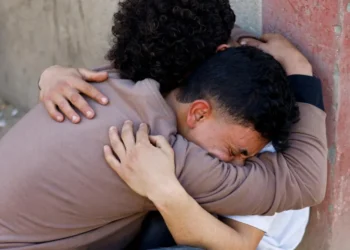 Ten Dead as Israeli Strikes and Internal Clashes Rock Gaza
 ICE Detains Soldier’s Bride Days After Louisiana Wedding
 Bondi Nanny Adriana Rivas to Face Extradition to Chile
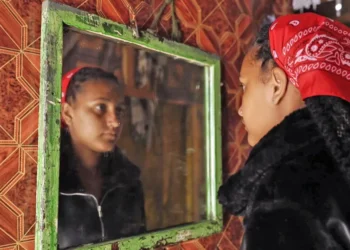 Identity Reclaimed: DNA Project Unmasks the Fathers of Kenya’s ‘Abandoned’ Children
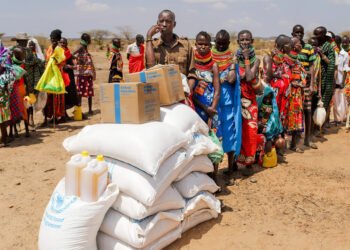 Aid Crisis Grows as Hormuz War Disrupts Supply
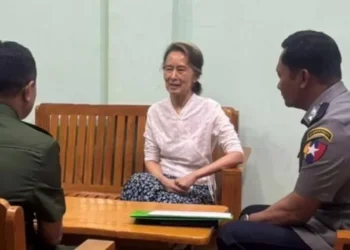 “Humanitarian Concern” or Political Shield? Aung San Suu Kyi Moved to House Arrest Amidst Civil War
 “An Endurance Test for the Mind”: British Couple Sentenced to 10 Years in Tehran
 Judge halts deportation of Yemeni refugees in US
 Activists allege abuse after Gaza flotilla seizure
 Alice Springs Murder Case: Justice Begins for Little Baby
 Afghan Families Left in Limbo Face Risk of Deportation
 “A Ten-Minute Eternity”: The Morning Lebanon’s Horizon Turned to Ash
 “The Humanitarian Compass”: Couple Honoured with ‘Milestone’ Award for Aiding Escaped Prisoner of War
 Three Australian Women Detained Over Islamic State Links
 “The Digital Eye”: Government Brands Police Body-Worn Video Misuse ‘Concerning’
 Trump Announces 3-Day Russia–Ukraine Ceasefire Deal
 “The Desecrated Grave”: West Bank Settlers Force Palestinian Family to Exhume Father’s Body
 “Double Trauma”: Iranian Activist Tells BBC How Fear of War Intensifies the ‘National Security’ Weight of Repression
 “Life Hangs in the Balance”: Nobel Laureate Narges Mohammadi Released on Bail Amid ‘Nasty’ Health Crisis
 UK Must Act with Courage and Clarity on Israel-Palestine Conflict, Says Foreign Affairs Committee Report
 BBC to Apologise Over Edited Trump Speech Amid Backlash
 Greene Pushes Epstein Files Amid Trump Fallout
 Zelenskyy Signs Fighter Jet Deal Amid Russian Drone Attacks
 Shadow Fleet at Sea: Europe’s Battle Against Illicit Oil Shipping
 US Suspends Afghan Immigration After White House Shooting
 ‘Extinct’ Antelope Returns to Sahara, Bringing Hope
 Sydney Shark Attack Surge Shocks Australia Beaches
 Portugal Election Delivers Socialist Win as Far Right Surges
 Civilian Deaths in Iran Pass 700 Amid Fear of Bombs and Regime Clampdown
 ‘Every Day Feels Like a Month’: Iranians Describe Life Under ‘Constant’ US‑Israeli Strikes
 Penny Wong silent on Australian crew in sub strike
 Finland Plans to Lift Decades‑Old Ban on Hosting Nuclear Weapons
 Trump Pressures Congress Over Save America Act
 Iran War Puts Trump at Political Risk Amid Rising Prices
 Goma Drone Attack Kills Three as Conflict Escalates
 Queensland Protest Laws Spark Free Speech Backlash
 Trump Nato threats expose Iran strategy vacuum
 Trump Facing Backlash from Epstein Survivors Over Files
 UK Forces Ready to Seize Russian Shadow Fleet Vessels
 Trump Considers Military Operation to Seize Iran’s Uranium
 Spain Faces Backlash Over Xenophobic Chants in Egypt Draw
 “It Ends With Trial”: Judge Tosses Blake Lively’s Sexual Harassment Claims Against Justin Baldoni
 The Banbridge Rescue: 300 Sheep Saved from Massive Hay Shed Inferno
 Report Says Pezzullo Acted ‘Recklessly’ in Dealings
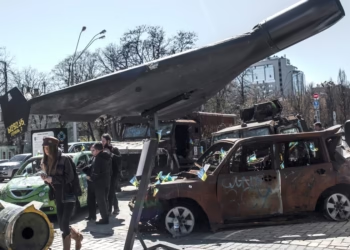 Oil and Diplomacy: Russian Refineries Burn as Zelenskyy Secures Middle East Shield
 Electric Shock: Australians Buy Record Number of New EVs as Fuel Crisis Bites
 The Suffocating Silhouette: Why Metal’s Mask Trend is Turning Deadly
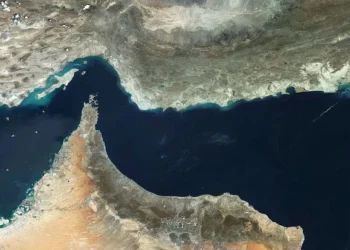 The Great Chokehold: Why the Strait of Hormuz is the Epicenter of the 2026 Crisis
 Moldova River Crisis Exposes War’s Hidden Cost
 Tragedy Strikes Outside Melbourne Comic Con
 The Fog of War and the Ticker Tape: Suspicious Trades Rile Washington