Published: 04 August 2026 | The English Chronicle Desk | The English Chronicle Online
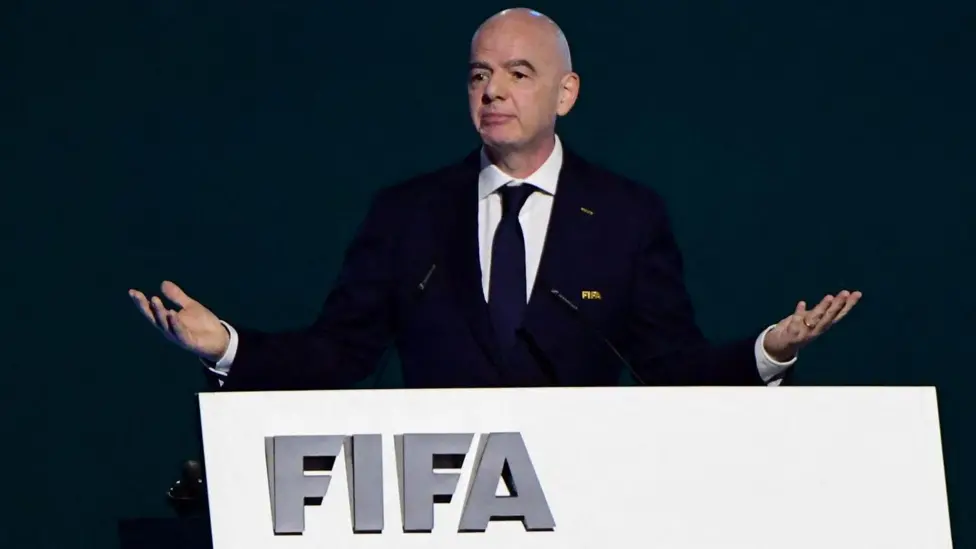
Pressure on FIFA President Gianni Infantino has intensified after a growing group of football stakeholders threatened to adopt a policy of “non-cooperation” with world football’s governing body unless concerns over governance, transparency and decision-making are addressed.
The warning marks the latest development in an escalating dispute surrounding FIFA’s leadership and future direction. While the organisation continues to defend its governance model and long-term strategy, critics argue that key decisions have been taken without sufficient consultation, fuelling tensions between FIFA and several influential football bodies.
Although the precise scope of any non-cooperation campaign remains unclear, the dispute has highlighted widening divisions within international football at a time when the sport faces important decisions over competitions, commercial rights and institutional governance.
The latest disagreement centres on broader concerns about how FIFA conducts its affairs and consults with member associations and continental confederations.

Opponents argue that major strategic decisions should involve greater collaboration with football’s wider governing community.
They contend that transparency and accountability are essential for maintaining trust in an organisation responsible for overseeing the world’s most popular sport.
Supporters of FIFA’s current leadership, however, argue that decisive leadership has helped modernise football’s administration, expand global investment and strengthen development programmes in many countries.
The contrasting views reflect an increasingly public debate about how football should be governed in the coming decades.
Rather than immediately proposing formal sanctions or legal action, critics have suggested that coordinated non-cooperation could become an effective means of expressing dissatisfaction.
Such measures could potentially involve declining participation in certain governance processes, limiting institutional collaboration or withholding support for future FIFA initiatives.
No comprehensive plan has yet been confirmed, and discussions among football organisations remain ongoing.
Observers note that the effectiveness of any coordinated action would depend largely on the number and influence of organisations willing to participate.
The prospect of widespread institutional resistance nevertheless represents a significant challenge for FIFA’s leadership.
Gianni Infantino has served as FIFA president during a period of substantial commercial growth and global expansion.
Under his leadership, FIFA has introduced new competitions, expanded existing tournaments and secured record commercial revenues.
Supporters credit these developments with increasing investment in football across all continents.
Critics, however, argue that commercial success should not come at the expense of transparent governance or meaningful consultation.
Some believe recent controversies have raised legitimate questions regarding decision-making processes within the organisation.
The latest dispute has therefore become closely linked to broader assessments of Infantino’s leadership.
FIFA has consistently highlighted record financial performance in recent years.
Revenue generated through broadcasting rights, sponsorship agreements and major tournaments has allowed the organisation to increase funding for football development worldwide.
Officials argue these financial achievements demonstrate effective leadership and long-term planning.
Opponents acknowledge FIFA’s commercial progress but insist governance standards deserve equal attention.
They argue that financial success alone cannot resolve concerns regarding institutional accountability and stakeholder engagement.
The debate reflects differing priorities regarding football’s future direction.
Europe continues to hold considerable influence within global football due to the sporting and commercial strength of its clubs, leagues and national teams.
Many of the world’s most successful football competitions are based in Europe, making relationships between FIFA and European football authorities particularly important.
Any deterioration in cooperation between these organisations could have implications extending beyond governance debates.
Nevertheless, analysts expect both sides to continue pursuing dialogue given their shared interest in maintaining the stability of international football.
Several football administrators have argued that reforms should prioritise broader consultation before implementing major structural changes.
They believe member associations, players, leagues and continental confederations should play more active roles in shaping decisions affecting the global game.
Supporters of this approach say collaborative governance strengthens institutional legitimacy.
FIFA has repeatedly stated that its decision-making processes follow established constitutional procedures involving member associations.
Whether additional reforms are introduced remains uncertain.
Although the current disagreement primarily concerns governance rather than competition itself, prolonged institutional conflict could create uncertainty within international football.
Major tournaments depend upon cooperation between FIFA, continental federations, national associations, clubs and broadcasters.
Maintaining constructive working relationships remains essential for organising events involving hundreds of participating nations and thousands of players.
Most observers therefore expect continued efforts to resolve disagreements through negotiation rather than prolonged confrontation.
While administrators continue debating governance issues, players and coaches remain largely focused on preparations for upcoming competitions.
Professional footballers generally have limited involvement in institutional disputes unless governance decisions directly affect playing conditions or tournament participation.
Supporters have similarly expressed hope that administrative disagreements will not overshadow football itself.
Many fans remain primarily interested in competitions, player performances and sporting achievements rather than organisational politics.
FIFA has consistently maintained that its policies are designed to promote football globally while ensuring long-term financial sustainability.
Officials argue that expanding investment, increasing development funding and growing international competitions benefit member associations across every continent.
The organisation has also emphasised its commitment to dialogue with stakeholders.
Whether ongoing discussions lead to compromise or further disagreement will likely shape the coming months of football governance.
The coming period may prove significant for relations between FIFA and its critics.
Further meetings between football administrators are expected as organisations assess possible responses and explore opportunities for constructive dialogue.
Many governance experts believe both sides ultimately share common objectives despite current disagreements.
Protecting football’s integrity, ensuring sustainable development and maintaining public confidence remain priorities across the sport.
Finding consensus on how best to achieve those goals will be the central challenge.

The threat of non-cooperation with FIFA represents one of the most serious governance challenges facing world football in recent years.
Although disagreements currently centre on institutional leadership and decision-making rather than competition itself, the debate reflects broader questions about transparency, accountability and the future direction of the global game.
With Gianni Infantino’s leadership once again under scrutiny, football’s governing institutions now face the task of balancing commercial ambition with effective collaboration.
Whether dialogue can bridge existing divisions may determine not only the outcome of the present dispute but also the future relationship between FIFA and many of the organisations that help shape international football.
Related News:
 FIFA Crisis Deepens as Infantino Faces Calls to Quit
 FIFA Defends Its Position After UEFA Threatens World Cup Boycott
 FA Set to Withdraw Support for FIFA President Gianni Infantino Amid Growing Football Crisis
 Southgate Calls for Different Approach to Boys
 Fans Bring Flags and Fire to World Cup Scenes
 11 EFL Stars Ready to Shine at World Cup
 Arsenal Trio Named on Player of the Year List
 Fans Invited to Share Scotland World Cup Stories
 Iran Team Arrives in Mexico Amid US Visa Dispute
 “My Drinking Days Are Over” — How to Enjoy an Alcohol-Free World Cup
 Scotland Branded “Unprofessional” in World Cup Fallout as England Build Momentum
 Kane Enters Ballon d’Or Debate After Bayern Form, but World Cup Seen as Decisive Factor
 Football Regulator Contacts West Ham Over “Serious Allegations” Linked to Sullivan
 Chinese Football Fans Embrace Referee as Unexpected World Cup Figure
 Referee Controversy Raises Questions Over FIFA’s Control of the World Cup
 Nike Charges Fans Most for World Cup Replica Shirts
 Safeguarding Probe Limits West Ham Owner’s Role
 Saka Playing Through Pain As England World Cup Campaign Looms
 England Cruise Past Costa Rica as World Cup Warm-Up Sharpens Tuchel’s Vision
 Football Hopes to Outshine World Cup Drama in Mexico
 Inside the Three Lions: Bellingham Reveals Euro 2024 Flaws
 Chaos and Celebration at the Historic Azteca Stadium
 ‘We all love him’: Henderson backs Bellingham for England success
 Messi Equals World Cup Record In Masterclass Victory
 Tuchel’s England Mission Goes Beyond Football Success
 Historic Victory for Canada as They Defeat Nine-Man Qatar
 Heartbreak for Canada as Koné Suffers Horrific Injury
 New Premier League Fixtures Set Stage for Thrilling Season
 How ‘Little Scotland’ Is Embracing the World Cup Spirit
 Cape Verde Hold Uruguay in Dramatic World Cup Clash
 World Cup 2026: Reclaiming the American Dream
 Great Stories, Little Jeopardy – Does the New World Cup Format Really Work?
 Pampered, Protected and Primed – So Why Didn’t Scotland’s Players Perform?
 Paraguay Shock Germany in Historic Penalty Shootout
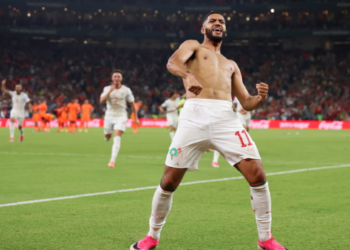 Morocco Beat Dutch in Wild World Cup Penalty Drama
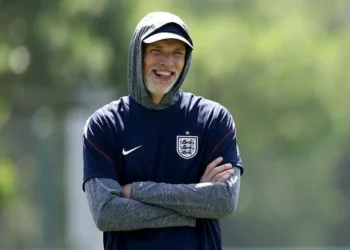 Tuchel Set to Retain Southgate’s Penalty Strategy as England Focus on Tournament Success
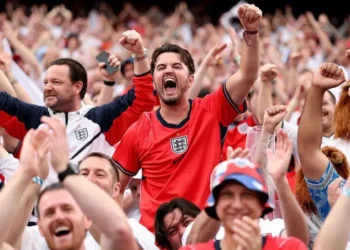 England Fans Praised for ‘Excellent’ Behaviour During World Cup Campaign
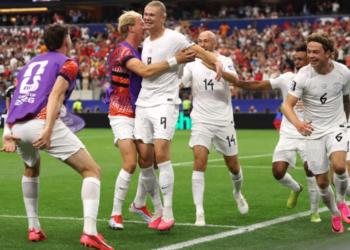 Haaland Heroics Send Norway Into Historic Last 16 Knockout
 Kane Saves Tuchel as England Survive Dramatic Exit
 Ramos Sends Portugal into the Last 16
 Pubs Granted Permission to Stay Open Until 5am for England’s World Cup Clash with Mexico
 Taylor Swift and Travis Kelce Marry at Madison Square Garden
 Paul Seixas: French Cycling’s Teenage Hope at the Tour
 Trump Helps Clear Balogun for Belgium World Cup Clash
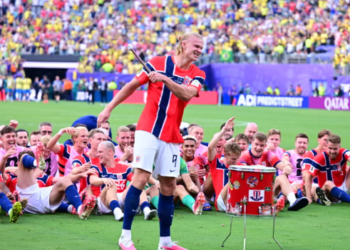 Norway’s Stunning World Cup Victory Over Brazil
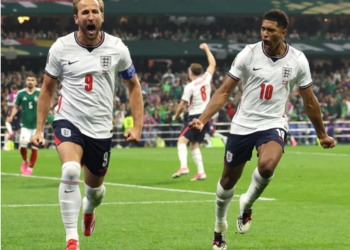 England Triumph in Azteca World Cup Thriller
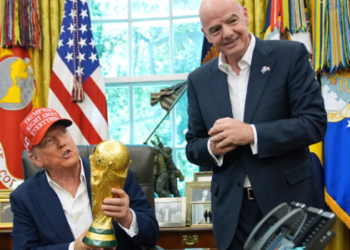 Trump’s Red-Card Intervention Hurts the US World Cup
 Trump Helps Clear Balogun for Belgium World Cup Clash
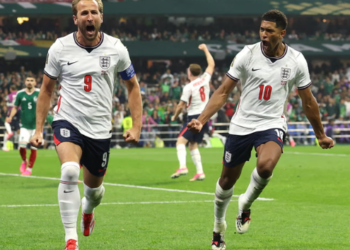 England’s 10 Men Hold Firm in World Cup Thriller
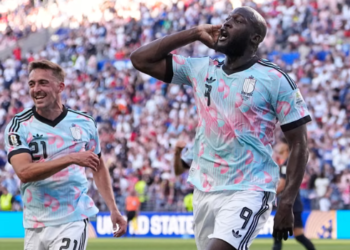 Belgium Thrashes USA After Red Card Controversy
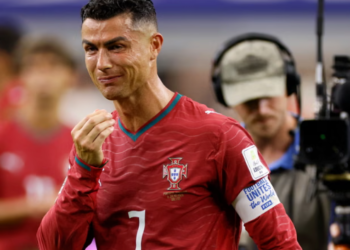 Ronaldo Says Farewell to the World Cup Stage
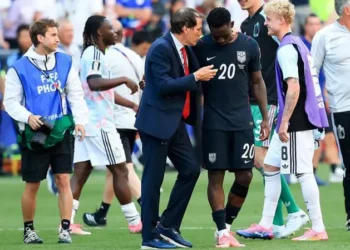 Balogun Drama Overshadows USA’s World Cup Exit
 Messi’s Tears and Triumph in Epic World Cup Escape
 Egyptian Fury After Argentina World Cup Heartbreak
 Mbappé Brilliance Leads France Into Semi-Finals
 Kane vs Haaland: Which Striker Would You Choose?
 De la Fuente’s Spain Eye History Through Unity
 Haaland’s Two Worlds Meet on Football’s Biggest Stage
 Belgium Draws Global Support Before Spain Showdown
 Golden Boot Battle Reaches World Cup Boiling Point
 Rollercoaster Semi-Final Leaves Fans Breathless
 Haaland and Bellingham: A Dortmund Bond Tested
 Bryne Backs Haaland Before England World Cup Clash
 Lamine Yamal’s Birthday: Football, Fame, and France
 Rice Poised for England Semi-Final Clash Against Argentina
 Spain Shock France to Reach World Cup Final
 Tuchel: England Ready for Historic Argentina Clash
 Tuchel Backs England Stars to Overcome Messi’s Argentina
 Argentina End England’s World Cup Dream With Semi-Final Victory
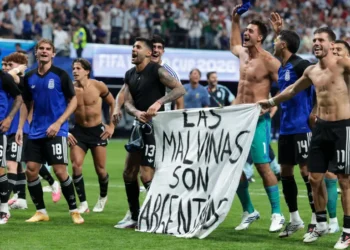 Argentina Face FIFA Investigation After Players Display Falklands Banner Following World Cup Victory
 The Financial Winners and Losers From the World Cup
 Who Am I? Guess World Cup Star No 40 – The Mystery Player Captivating Football Fans
 Sir David Beckham Consoled by Victoria After Heartbreaking World Cup Defeat
 World Cup Rings for Winners as Trump Attendance Confirmed
 Thousands of Tickets Still Available for England v France Clash
 Sixteen Titles in Five Years: How Spain Built an Unrivalled Era of Football Dominance
 Zidane Confirmed as France Head Coach
 Zidane Confirmed as France Head Coach After Long Wait
 UEFA May Discuss World Cup Boycott Over FIFA Proposal
 FA ‘Deeply Concerned’ by FIFA Plan as UEFA Prepares for Crucial Meeting