Published: 29 July 2026 | The English Chronicle Desk | The English Chronicle Online
The Football Association (FA) has expressed “deep concern” over a controversial FIFA proposal as European football leaders prepare to meet to discuss their response. The growing dispute has intensified tensions between FIFA and UEFA, with concerns being raised over the future direction of international football, player welfare and the increasingly crowded football calendar.
The FA, which governs football in England, is among several European football organisations questioning the potential impact of FIFA’s plans. While the exact details of the proposal continue to be debated, officials fear it could create further pressure on players, clubs and national teams.
UEFA leaders are expected to hold discussions with member associations as they consider how European football should respond. The meeting comes at a time when relations between FIFA and some European federations have become increasingly strained.

Although no immediate action has been announced, the strength of the concerns highlights a growing divide over how the global game should be managed.
The FA’s statement reflects wider worries among European football bodies that major decisions are being made without sufficient consultation.
Officials have repeatedly argued that changes affecting international competitions, scheduling and player workloads must involve national associations, clubs, leagues and footballers themselves.
The FA believes that maintaining a sustainable football structure is essential for protecting the sport’s long-term future.
A spokesperson said the organisation was closely monitoring developments and would continue working with UEFA and other partners to assess the potential consequences of FIFA’s proposal.
The concerns come as football faces increasing pressure from the expansion of competitions at both domestic and international levels.
UEFA is expected to discuss the issue with representatives from across Europe as it seeks a coordinated position.
The organisation represents 55 national football associations, including some of the world’s most powerful football nations.
Any collective response from UEFA would carry significant influence because European football contributes a substantial share of the global game’s financial and sporting power.
Officials are expected to examine the impact of FIFA’s plans on national teams, domestic leagues and European competitions.
The meeting could also address concerns about communication between FIFA and continental football authorities.
The dispute reflects a wider disagreement about the direction of international football.
FIFA has promoted several changes in recent years aimed at expanding competitions, increasing global participation and creating new commercial opportunities.
However, UEFA and several European stakeholders have questioned whether these changes can be introduced without creating additional strain on players and clubs.
European football leaders argue that the football calendar is already close to breaking point.
Players competing at the highest level often take part in dozens of matches each season, including league fixtures, domestic cups, European tournaments and international competitions.
One of the biggest concerns surrounding FIFA’s plans is the potential impact on player health.
Professional footballers are already facing demanding schedules, with many playing matches almost every few days during busy periods.
Managers, medical experts and player representatives have warned that increased workloads could lead to more injuries and reduced performance levels.
The global players’ union has previously called for reforms to ensure footballers have adequate rest periods.
European football authorities say protecting players must be a central consideration whenever new competitions are introduced.
Top European clubs are also watching developments closely.
Many of the world’s biggest teams already compete across multiple competitions each season.
Domestic leagues, UEFA Champions League fixtures, cup competitions and international commitments create a packed schedule for elite players.
Club executives argue that additional matches could create financial and sporting challenges.
While expanded competitions can generate new revenue, clubs must also manage increased travel demands, squad rotation and injury risks.
Some teams have warned that the quality of football could suffer if players are forced to compete too frequently.
Supporters of FIFA’s approach argue that expanding international competitions can benefit football worldwide.
FIFA has often said that its goal is to increase opportunities for nations outside traditional football powers and provide more countries with the chance to compete on the global stage.
The organisation believes reforms can help grow the sport commercially while supporting football development programmes around the world.
However, critics argue that expansion should not come at the expense of existing competitions or player wellbeing.
The disagreement highlights a fundamental question facing modern football: how to balance global growth with sustainability.
Money remains a major factor in the debate.
International football competitions generate significant revenue through broadcasting rights, sponsorships and commercial partnerships.
FIFA and UEFA both rely heavily on these income streams to support their operations and development programmes.
Expanding competitions could create additional financial opportunities, but European football stakeholders argue that financial benefits should not override sporting concerns.
The FA and other associations want assurances that any changes will protect the competitive balance of domestic and international football.
Football supporters are also closely following the dispute.
Many fans welcome opportunities to watch more international football, but others worry about fixture overload and declining match quality.
Some supporters argue that fewer, more meaningful matches would be better than constantly expanding competitions.
Others believe that football’s global popularity creates opportunities for more nations and players to participate at the highest level.
The challenge for governing bodies is finding a balance that satisfies both commercial interests and supporters’ expectations.
The upcoming UEFA discussions could provide a clearer indication of how European football intends to respond.
A united position from UEFA members could increase pressure on FIFA to reconsider aspects of its proposal or improve consultation with stakeholders.
However, a compromise remains possible if both sides agree to further negotiations.
Football history has seen several disputes between FIFA and UEFA, but most have eventually been resolved through dialogue.

The current disagreement, however, reflects deeper questions about who controls the future of the sport and how decisions should be made.
The debate over FIFA’s plan is part of a larger conversation about the future of football.
As the sport continues expanding globally, governing bodies must decide how to manage commercial ambitions while protecting players, clubs and traditional competitions.
The FA’s warning and UEFA’s planned meeting demonstrate that European football leaders are prepared to challenge proposals they believe could harm the game’s structure.
For now, no boycott or major action has been confirmed, but the coming discussions could prove important in determining the future relationship between FIFA and European football.
As the world’s most popular sport continues to evolve, the decisions made during this dispute may shape international football for years to come.
Related News:
 England Cruise Past Costa Rica as World Cup Warm-Up Sharpens Tuchel’s Vision
 Declan Rice Facing Burnout as Tuchel Confronts Midfield Crisis
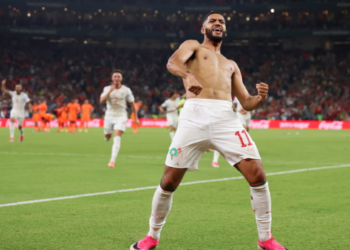 Morocco Beat Dutch in Wild World Cup Penalty Drama
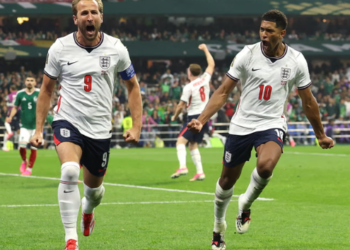 England’s 10 Men Hold Firm in World Cup Thriller
 Scotland Branded “Unprofessional” in World Cup Fallout as England Build Momentum
 Nike Charges Fans Most for World Cup Replica Shirts
 Safeguarding Probe Limits West Ham Owner’s Role
 Saka Playing Through Pain As England World Cup Campaign Looms
 Inside the Three Lions: Bellingham Reveals Euro 2024 Flaws
 ‘We all love him’: Henderson backs Bellingham for England success
 Can France Escape the Ghosts of their 2002 World Cup Nightmare?
 Deschamps Shields Mbappé From Fierce Political Storm
 Messi Equals World Cup Record In Masterclass Victory
 Erling Haaland Double Fires Norway To Victory On Debut
 Iran Files Official Fifa Complaint Over World Cup Travel
 Historic Victory for Canada as They Defeat Nine-Man Qatar
 Heartbreak for Canada as Koné Suffers Horrific Injury
 Rodrygo Reflects On World Cup Pressure And Social Media
 Cape Verde Hold Uruguay in Dramatic World Cup Clash
 World Cup 2026: Reclaiming the American Dream
 Martinelli Strikes Late as Brazil Edge Past Brave Japan
 Paraguay Shock Germany in Historic Penalty Shootout
 France Dominate Sweden as Deschamps’ New Era Takes Shape
 Haaland Heroics Send Norway Into Historic Last 16 Knockout
 Kane Saves Tuchel as England Survive Dramatic Exit
 Ramos Sends Portugal into the Last 16
 Swiss Star Manzambi Shines in World Cup Victory
 Norway’s Stunning World Cup Victory Over Brazil
 England Triumph in Azteca World Cup Thriller
 Trump’s Red-Card Intervention Hurts the US World Cup
 Trump Intervenes in Fifa World Cup Balogun Ban
 USA World Cup Heartbreak: Belgium Ends Their Dream
 Spanish Late Winner Sends Ronaldo Into Final Sunset
 Belgium Thrashes USA After Red Card Controversy
 Kylian Mbappé Slams Paraguayan Senator Over Racist Attack
 Messi’s Tears and Triumph in Epic World Cup Escape
 Switzerland Advance in Penalty Thriller
 Egyptian Fury After Argentina World Cup Heartbreak
 World Cup 2026 Power Rankings: England on the Rise
 Mbappé Brilliance Leads France Into Semi-Finals
 Belgium Draws Global Support Before Spain Showdown
 Haaland and Bellingham: A Dortmund Bond Tested
 World Cup Fever Set to Boost UK Economy by £500m
 Rice Poised for England Semi-Final Clash Against Argentina
 Tuchel Backs England Stars to Overcome Messi’s Argentina
 Argentina End England’s World Cup Dream With Semi-Final Victory
 Salah & Gravenberch Lead Liverpool to Win Against Villa
 Granit Xhaka Rescue Earns Everton Draw at Sunderland
 Bellingham has ‘the edge’ among England No 10s
 Man City Masterclass on Guardiola’s Milestone Day Exposes Liverpool Woes
 VAR Must Rein Its Neck In to Save Football’s Spirit
 Mary Earps’s Manchester United Return Faces Mixed Reception
 Former Lion Heskey Warns of Shortage of England Strikers
 Moyes Defends Gueye After Dramatic Everton Bust-Up
 Stokes urges empathy for England players amid Ashes struggles
 Hugo Ekitike Becomes Liverpool’s New Cult Hero
 Japan Triumphs 1-0 Over Australia to Claim Women’s Asian Cup
 Premier League drama defines crucial weekend
 Foden Commits Future to Man City Until 2030
 Southampton Face Player Legal Action Over Playoff Scandal
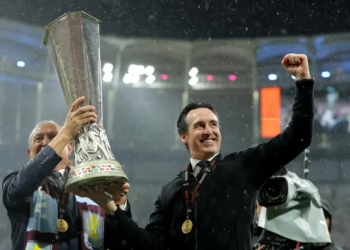 The Battle for Wembley Sparking Unprecedented Legal Warfare
 Tuchel Defends Tough England Squad Decisions
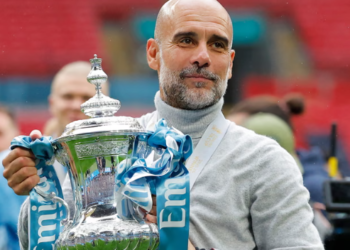 Farewell to an Icon: Pep Guardiola to Exit Manchester City
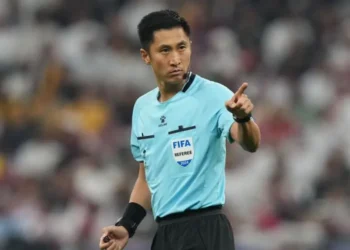 Chinese Football Fans Embrace Referee as Unexpected World Cup Figure
 Referee Controversy Raises Questions Over FIFA’s Control of the World Cup
 Tuchel’s England Mission Goes Beyond Football Success
 Blackpool Cricket Stands Firm Amid County Struggles
 The Last Stand of English Cricket’s Greatest Partners
 Trump Helps Clear Balogun for Belgium World Cup Clash
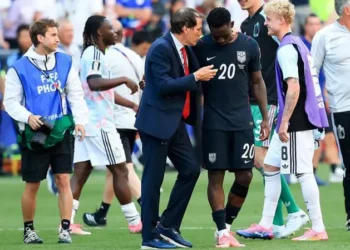 Balogun Drama Overshadows USA’s World Cup Exit
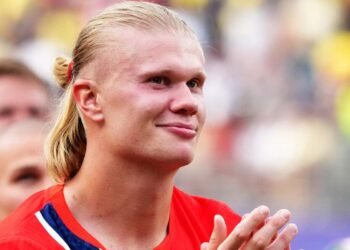 Bryne Backs Haaland Before England World Cup Clash
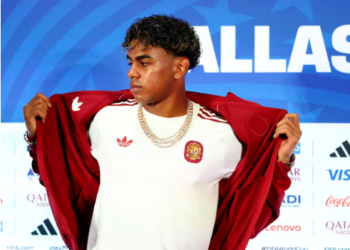 Lamine Yamal’s Birthday: Football, Fame, and France
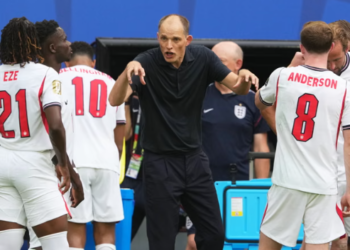 Tuchel: England Ready for Historic Argentina Clash
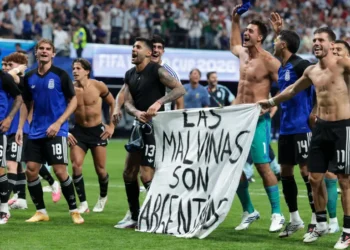 Argentina Face FIFA Investigation After Players Display Falklands Banner Following World Cup Victory
 Who Am I? Guess World Cup Star No 40 – The Mystery Player Captivating Football Fans
 Sir David Beckham Consoled by Victoria After Heartbreaking World Cup Defeat
 World Cup Rings for Winners as Trump Attendance Confirmed
 Thousands of Tickets Still Available for England v France Clash
 Sixteen Titles in Five Years: How Spain Built an Unrivalled Era of Football Dominance
 Zidane Confirmed as France Head Coach After Long Wait