Published: 19 May 2026. The English Chronicle Desk. The English Chronicle Online
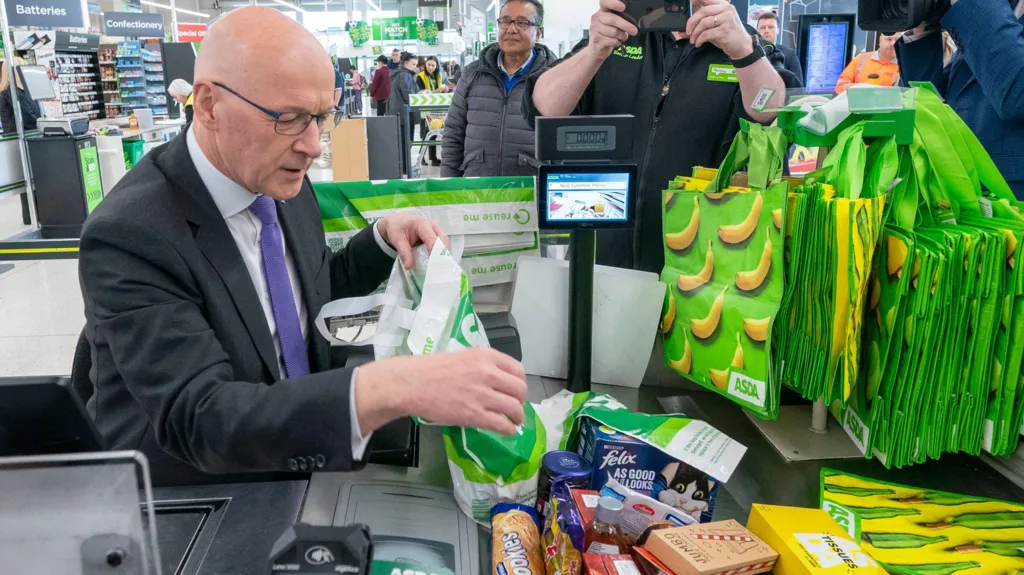
In a high-stakes political gambit that has set the stage for an explosive parliamentary showdown, John Swinney has broken his “clinical silence” to fiercely defend his controversial flagship food price cap policy just hours before Holyrood is scheduled to vote on confirming his position as Scotland’s First Minister. Following the May 7 parliamentary elections—which delivered a historic fifth consecutive term for the Scottish National Party (SNP) but left them short of a definitive overall majority—Swinney faces an immediate “asymmetric” challenge to secure the backing of cross-party MSPs. Rather than diluting his agenda to win over unionist or business-aligned critics, the SNP leader has doubled down on his most radical economic intervention, positioning the state-mandated capping of grocery bills as an absolute, non-negotiable public health emergency that must bypass the traditional “bottleneck” of Westminster trade rules.

The policy at the absolute epicenter of this pre-vote storm is Swinney’s “Fair Food Prices” initiative, which promises to legally compel large supermarkets across Scotland to place a maximum price ceiling on up to 50 essential grocery items, including bread, milk, cheese, eggs, rice, and chicken. Swinney argues that the plan moves at a frantic “160 MPH clip” to directly confront a severe national “resilience deficit,” noting that persistent inflationary pressures and global supply chain shocks have eroded household budgets to a “nasty” degree. “Things have got so tough that it is now fundamentally impacting upon our nation’s nutrition,” Swinney declared to reporters outside the Scottish Parliament, insisting that when the cost of basic subsistence threatens the physical wellbeing of citizens, the government has a moral and statutory obligation to intervene directly in the free market.
However, the bold proposal has triggered a monumental “accountability rot” between the incoming Scottish Government and the retail sector, with business leaders branding the legislation as an unworkable and economically illiterate gimmick. The Scottish Retail Consortium (SRC) and the Scottish Grocers’ Federation have raised urgent red flags, warning that mandatory price controls will compress razor-thin retail margins, inadvertently drive shoppers away from independent local high street businesses, and potentially trigger severe artificial product shortages at the till. Critics from the Institute for Fiscal Studies (IFS) have further complicated Swinney’s defense, labeling the plan both “radical and risky” due to a lack of a credible funding buffer, suggesting that supermarkets will simply respond by inflating the prices of non-capped luxury goods to offset their losses.
Recognizing these vulnerabilities, Swinney used his pre-vote briefing to unveil a series of protective adjustments designed to mollify anxious agricultural unions and domestic producers. He explicitly pledged that his administration will introduce strict “necessary mechanisms” within its first 100 days to legally guarantee that supermarkets cannot pass the financial burden of the price caps down the supply chain to struggling Scottish farmers. To justify the legality of the measure—given that macroeconomic trade regulations are strictly reserved to the UK Parliament under the Scotland Act—Swinney intends to deploy a sophisticated “backdoor” legal maneuver, treating supermarket pricing as a localized public health issue similar to the SNP’s successful 2018 introduction of Minimum Unit Pricing (MUP) for alcohol.
This constitutional positioning has placed the incoming Scottish Government on an immediate, “asymmetric” collision course with Whitehall. The UK Government has already characterized the proposal as entirely “incoherent and undeliverable,” hinting that it will look to deploy the post-Brexit Internal Market Act (IMA) to block any Holyrood legislation that distorts cross-border trade parity. Swinney has aggressively weaponized this potential veto ahead of the First Minister vote, warning opposition MSPs that any attempt by London to strike down Scotland’s public health measures represents a direct assault on the democratic legitimacy of the devolved parliament. By framing the food price cap as a choice between protecting hungry families or bowing to Westminster corporate interests, Swinney is attempting to box the Scottish Greens and unaligned members into supporting his nomination, betting that no progressive politician will dare vote against a measure explicitly designed to lower the cost of the weekly family shop.

Ultimately, the fury surrounding the “Fair Food Prices” bill underscores the incredibly narrow tightrope John Swinney must walk as he seeks to stabilize his minority administration. With pressing domestic crises hollowing out public confidence—including ballooning NHS waiting lists and severe disruption across the island ferry networks—this aggressive focus on supermarket aisles is a high-risk attempt to reclaim the political narrative. As Holyrood clerks prepare the ballots for the afternoon session, the “speechless determination” of the SNP frontbench to push through this intervention highlights a fundamental shift in Scottish governance. Swinney has made it clear that his second tenure in the highest office will not be defined by cautious consensus, but by a willingness to structurally recalibrate the Scottish economy—even if it means triggering a defining constitutional war at the supermarket checkout.
Related News:
 “The Power Paradox”: Can Scotland’s Politicians Truly Bypass the ‘Hormuz’ of Energy Pricing?
 UK Must Act with Courage and Clarity on Israel-Palestine Conflict, Says Foreign Affairs Committee Report
 Radioactive Leak at UK’s Nuclear Warhead Base Sparks Outcry Over Safety and Secrecy
 Mutual Inconvenience: Why Alaska Was Chosen for the Trump-Putin Summit on Ukraine
 Hong Kong Summons UK and Australian Envoys Following Asylum Grants to Democracy Activists
 Is the UK Ready to Put Boots on the Ground in Ukraine? Assessing Military Capacity and Challenges
 Channel Crossings Surge: Over 1,000 People Arrive in the UK in Small Boats in a Single Day
 Widow of Charlie Kirk Forgives Killer at Emotional Memorial Service
 Yvette Cooper Signals Global Momentum Towards Gaza Peace Deal Amid Humanitarian Crisis
 Russia’s Latest Push to Win US Favors Shows Deep Desperation
 BBC to Apologise Over Edited Trump Speech Amid Backlash
 Britain deploys RAF specialists to assist Belgium with drone threats
 Trump Urges Herzog to Grant Netanyahu Full Pardon
 Indian authorities demolish Kashmir home linked to Red Fort blast
 Greene Pushes Epstein Files Amid Trump Fallout
 December Run-Off in Chile as Election Produces No Winner
 Canada Passes Carney’s First Budget in Tight Parliamentary Vote
 Shadow Fleet at Sea: Europe’s Battle Against Illicit Oil Shipping
 India’s COP30 Delay Raises Global Climate Concerns
 Georgians Defy Government Crackdown After Year of Protests
 Albanese Opens Door to Bondi Royal Commission Amid Rising Pressure
 EU weighs response amid Greenland tariff crisis with Trump
 EU Says US Ties Have Suffered ‘Big Blow’ After Greenland Crisis
 Israel Moves to Bar MSF From Gaza Operations
 Australian Families Leave Syrian Camp for Home
 Starmer Weighs Fast-Tracking Defence Boost
 Nine Arrested in France Over Death of Far‑Right Student
 Andrew Arrest Sparks Republic Debate in Australia
 Australian PM Says Former Prince Andrew Has Suffered ‘Extraordinary Fall’ but That Won’t Prompt Republic Referendum
 Musk Cuts Starlink Access for Russian Forces – Giving Ukraine an Edge at the Front
 Farage Chagos Islands Row Sparks Fury
 Ukraine Negotiator Reveals What It Feels Like Facing Russia
 Chad Shuts Border With Sudan in Bid to Stop Conflict Spreading
 French Minister Moves to Block US Envoy Kushner from Government Access
 Has Europe truly learned from the failures of 2022?
 American Citizen Killed in Cuba Boat Shooting, U.S. Officials Say
 Iran’s Regime Still Intact — Coming Days Will Test Its Survival
 Trump Faces Questions Over Iran Conflict Plan
 Herzog Asio meeting sparks security storm
 Finland Plans to Lift Decades‑Old Ban on Hosting Nuclear Weapons
 Minister Meets Crews Who Will ‘Take Out’ Iranian Drones
 Nine Days of Strikes Reshape the Middle East
 Trump Pressures Congress Over Save America Act
 Iran War Puts Trump at Political Risk Amid Rising Prices
 Iranian Football Squad Asylum Drama Shocks Australia
 Ukraine War Becomes Flashpoint in Hungarian Election
 Tommy and Gail Sheridan to Stand for New Political Party After Alba Demise
 Queensland Protest Laws Spark Free Speech Backlash
 Yvette Cooper: UK Must Follow Principles, Not US Pressure
 Trump Nato threats expose Iran strategy vacuum
 Trump’s Confidence Undimmed — But Every Iran Option Carries Risk
 Israel Says Iran Security Chief Larijani ‘Killed’
 Philippines energy emergency sparks coal power surge
 Trump Facing Backlash from Epstein Survivors Over Files
 UK Forces Ready to Seize Russian Shadow Fleet Vessels
 Trump Considers Military Operation to Seize Iran’s Uranium
 Report Says Pezzullo Acted ‘Recklessly’ in Dealings
 Hungary Claims Plot to Target Gas Pipeline Pre-Vote
 Oil and Diplomacy: Russian Refineries Burn as Zelenskyy Secures Middle East Shield
 ‘The Soul of Spain’: Politicians Clash Over Renewed Push to Move Picasso’s Guernica
 The Great Chokehold: Why the Strait of Hormuz is the Epicenter of the 2026 Crisis
 Moldova River Crisis Exposes War’s Hidden Cost
 The Frozen Frontier: Why Frostbite is the Least of Concerns for Canada’s Arctic Forces
 Diplomatic Deadlock: Lebanon Enters High-Stakes Border Talks with ‘No Cards to Play’
 The ‘Big Fish’ Lands: Marcos Confirms Arrest of Key Figure in Flood-Control Scandal
 The Fog of War and the Ticker Tape: Suspicious Trades Rile Washington
 Brinkmanship in Islamabad: Tehran Vows ‘New Battlefield Cards’ as Ceasefire Wanes
 Judicial Whiplash: Virginia Court Pauses Redistricting 24 Hours After Public Vote
 “Industrial-Scale Extraction”: White House Memo Accuses China of Mass AI Theft
 Capitalism ‘Suicidal’, Warns Petro at Climate Summit
 “An Endurance Test for the Mind”: British Couple Sentenced to 10 Years in Tehran
 Trump Threatens UN Budget Cuts as US Pushes ‘Trade Over Aid’ Agenda
 “Lotus Blooms in the East”: BJP Scripts History with Landslide Victory in West Bengal
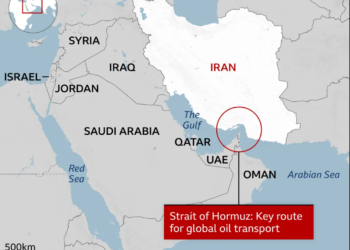 “The Pivot to Pakistan”: Trump Pauses ‘Project Freedom’ in Hormuz Amid Iran Deal Hopes
 “The New Silk Road”: India and Vietnam Forge Strategic Maritime Alliance to Counter Regional Volatility
 “The Cost of Conviction”: Palestine Action Activists Found Guilty Over ‘Clinical’ Factory Damage
 “The Digital Frontier”: Scotland’s Papers Grapple with AI Harassment and ‘Mortgage Bottlenecks’
 “The Tightrope Walk”: Lula and Trump Meet at White House to ‘Recalibrate’ Fractured Alliance
 “The Local Gavel”: Polls Open Across Hampshire and Isle of Wight in Delayed ‘Milestone’ Vote
 US Awaits Iran Reply on New Ceasefire Proposal