Published: 20 May 2026. The English Chronicle Desk. The English Chronicle Online
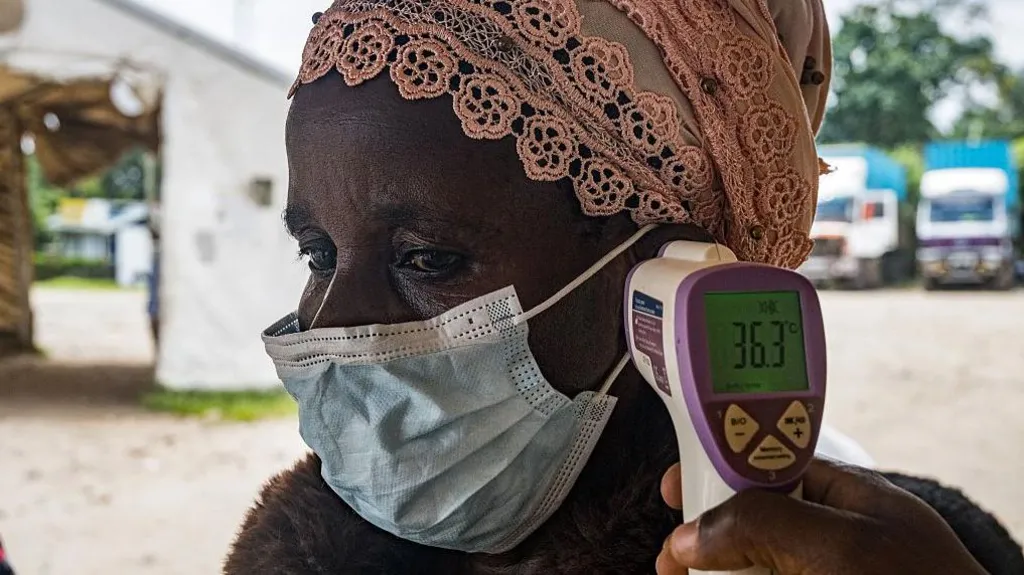
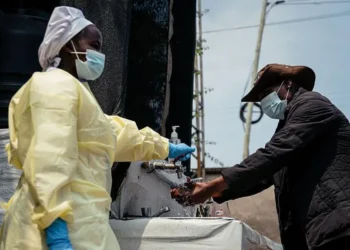
In the volatile heart of the Democratic Republic of the Congo’s Ituri Province, a new and terrifying chapter of viral history is being written. Barely five months after the conclusion of the country’s previous epidemic, a high-mortality outbreak of the rare Bundibugyo ebolavirus has emerged, triggering a global health alert and plunging the region into a state of profound, “asymmetric” anxiety. As of May 20, 2026, health authorities report a rapidly climbing death toll of 136, with over 540 suspected cases identified across multiple health zones. For the communities of eastern DRC, where the echoes of past trauma remain fresh, the arrival of this virus is being described by locals as a form of “torture”—an invisible, relentless force that is once again forcing them to barricade their homes, bury their kin, and fear the touch of those they love.

The current outbreak, officially declared on May 15, is particularly harrowing because of the specific strain involved. Unlike the more common Zaire ebolavirus, for which proven vaccines and therapeutics exist, the Bundibugyo virus currently circulating has no licensed vaccine or specific medical treatment. This “clinical” void in our defensive arsenal has transformed the response into a desperate, manual race against time. Frontline health workers, who are already operating under the shadow of a long-standing humanitarian crisis, are now attempting to manage a pathogen that is moving at a frantic “160 MPH clip” through densely populated mining hubs and high-traffic transit routes. The fear is palpable in cities like Bunia, where residents are struggling to reconcile the return of a disease that feels like a recurring, inescapable nightmare.
This crisis is unfolding within a “bottleneck” of extreme instability. The Ituri region, which hosts nearly two million displaced persons, is characterized by a “resilience deficit” that makes traditional outbreak containment strategies—such as contact tracing and isolation—nearly impossible. Armed conflict, the presence of various non-state actors, and a high degree of population mobility have created the perfect conditions for the virus to expand its reach. Recent reports of attacks on healthcare facilities have further complicated the situation, leading to an “accountability rot” where distrust of medical authorities is rising, and terrified citizens are increasingly avoiding official treatment centers in favor of informal, unsafe practices. This has led to clusters of community deaths, many of which are occurring outside the reach of formal surveillance, leaving experts to fear that the true scale of the tragedy is significantly larger than the official statistics suggest.
The international response, while rapid, is struggling to overcome these systemic barriers. On May 16, the World Health Organization (WHO) declared the outbreak a Public Health Emergency of International Concern (PHEIC), citing the confirmed export of cases to neighboring Uganda and the threat of further regional spread. However, the diplomatic and logistical response is hampered by the harsh reality on the ground. With one confirmed case already reported in Goma, a vital gateway to the rest of the country and international borders, the risk of a “nasty,” uncontrollable surge is at an all-time high. The border closures intended to contain the virus are also serving to strangle local economies and restrict the flow of humanitarian aid, creating a vicious cycle of hunger, displacement, and disease that the current, fragile health infrastructure is ill-equipped to resolve.
For those trapped in the epicenter, the “speechless determination” of the response teams is their only hope. These teams—consisting of epidemiologists, contact tracers, and brave local healthcare volunteers—are working in environments where their very presence can be a flashpoint for conflict. They are facing a “clinical” reality where the standard tools of public health are insufficient, forced to rely on intensive, supportive care in isolation wards that are currently understaffed and undersupplied. As the death toll mounts, the narrative shifting across the region is one of exhaustion and mourning. There is a sense that the current efforts, while valiant, are merely trying to hold back a tide that has already breached the walls.

As the international community debates the potential for experimental vaccine deployment and clinical trials, the people of the eastern DRC are living through a day-to-day struggle for survival. The Bundibugyo virus has become a symbol of the broader, “asymmetric” vulnerabilities that define life in the region—where a single undetected link in the transmission chain can spark a catastrophe, and where the resilience of a population is repeatedly tested to its breaking point. Until the insecurity is addressed and a safe, reliable corridor for medical intervention is established, the “torture” of this Ebola strain will likely continue to tighten its grip, leaving the people of Ituri to face an uncertain, terrifying future in the shadow of an invisible enemy.
Related News:
 Costa Blanca Holiday Horror as Food Poisoning Outbreak Hits Four-Star Hotel
 CDC Plunged Into Turmoil as Ousted Chief Susan Monarez Refuses to Step Down
 First Group of Children from Gaza Arrive in UK for Life-Saving NHS Treatment
 Global Study Reveals Violence in GP Surgeries Linked to Long Waiting Times and Drug Refusals
 The diet that can significantly ease symptoms of IBS
 Europe, North America face early wave of bird flu
 US Healthcare Needs Fixing, But There’s No Agreement on How to Do It
 Facing a Demographic Catastrophe, Ukraine Is Paying for Troops to Freeze Their Sperm
 Greenland Says ‘No Thanks’ to Trump’s US Hospital Boat Offer
 Drugs, Denial, Stigma: Fiji’s HIV Crisis Hits Children
 ‘I Wanted to Save Her Life’ — The Moment Twin Sisters Learned They Were Identical
 Martin Short’s Daughter Katherine Dies at 42
 Tick Bite Tragedy Claims Teen in Meat Allergy Case
 Hospital Fungal Outbreak Sparks Major Cover-Up Claims
 The Sad, Strange Story of the World’s Most Radioactive Paradise
 Wellness Peptide Craze: Why People Are Injecting Drugs ‘Not for Human Consumption’
 Not in the Mood to Exercise? These Simple Daily Habits Work Every Time
 Tehran Diary: Dark Days Under Relentless Bombardment
 Canada Plasma Deaths Raise Safety Concerns After Two Donors Die
 Horror in the Outback as Crocodile Kills World-Renowned Doctor
 ‘I’m So Ready’: Céline Dion Announces 10-Night Paris Comeback Residency
 Starmer Issues 48-Hour Ultimatum to Resident Doctors: Call Off ‘Reckless’ Strikes or Lose Job Package
 ‘The Invisible Killer’: Chiang Mai Air Pollution Sparks Health Crisis as Children Suffer Nosebleeds
 ‘The Invisible Killer’: Chiang Mai Air Quality Crisis Sparks Pediatric Health Emergency
 “An Amazing Legacy”: Prince William Praises Incredible £20m Milestone for Bowelbabe Fund
 “He Was One of the Kindest People I Knew”: The Tragic Death of Oliver Robinson
 Bangladesh Launches Emergency Vaccine Drive After 100 Child Deaths
 “I was fighting two wars”: Ukraine soldiers’ addiction crisis
 Fragile Silence Broken: 14 Killed in Southern Lebanon During “Bloodiest Day” of Truce
 Giuliani hospitalised in critical condition
 “The Floating Fever”: WHO Confirms Second Hantavirus Case as Cruise Outbreak Death Toll Reaches Three
 US Court Restores Abortion Pill Access Temporarily
 The Quarantine Crossing”: Hantavirus-Hit MV Hondius Bound for Canary Islands After Deadly Outbreak
 “The Reggio Return”: Princess Catherine to Embark on First Official Overseas Visit Since Cancer Treatment
 “The Heavyweight Hero”: FTD Brothers Smash £1 Million Milestone Mid-Marathon Odyssey
 “The Friendly Neighbourhood Runner”: Father’s 50-Marathon ‘Spider-Man’ Quest Hits Milestone for Sick Children
 “The Pressure Valve”: New GP Walk-In Clinic Eases Local ‘Resilience Deficit’ with 183 Patients Treated
 “The Exile of Care”: Vulnerable Teens Sent 200 Miles from Home as Local ‘Resilience Deficit’ Persists
 “The Price of Life”: Air Ambulances in the South Face ‘Resilience Deficit’ Amid Fuel Surge
 “The Ghost Galleon”: Hantavirus-Hit Cruise Ship Bound for Tenerife After High-Stakes Evacuations
 “The Swap Shop”: TV’s Dr Chris van Tulleken Backs Teenagers’ Fight Against ‘The Matrix’ of Ultra-Processed Food
 “The Swap Shop”: Dr Chris van Tulleken Backs Southampton Teens’ Fight Against ‘The Matrix’ of Ultra-Processed Food
 “The Humanitarian Compass”: Couple Honoured with ‘Milestone’ Award for Aiding Escaped Prisoner of War
 Hantavirus Cruise: Britons Face 45-Day Isolation Order
 “The Bio-Marker Breakthrough”: At-Home Blood Test Could Spot Alzheimer’s Risk Years Before ‘Clinical’ Symptoms
 “The Bio-Security Watch”: Two Britons in Self-Isolation After Bypassing ‘Hantavirus Bottleneck’ on MV Hondius
 “The Porthole Prison”: Passengers Reveal Life Inside the ‘Clinical Silence’ of the Hantavirus-Stranded MV Hondius
 “The Rhythm of Resilience”: Why an ‘Uneven’ Heart Rate is the New ‘Clinical’ Milestone for Health
 The Pathogen Protocol”: Third British National Monitored for ‘Nasty’ Suspected Hantavirus
 Bad Weather Threatens Hantavirus Cruise Ship Evacuation
 Crisis in the Canary Islands as Cruise Ship Evacuated
 Cruisers Face Perth Quarantine After Hantavirus Outbreak
 WHO Declares Ebola Outbreak a Global Emergency
 “An Invisible Enemy”: DR Congo Ebola Death Toll Hits 131 as Vaccine-Resistant Strain Spreads
 “The Cluster Widens”: Fourth Reading Meningitis Case Confirmed in Junior School Pupil Following Teen Fatality
 BBC to Apologise Over Edited Trump Speech Amid Backlash
 Reeves rejects £1bn plea for NHS redundancy payouts
 Greene Pushes Epstein Files Amid Trump Fallout
 Zelenskyy Signs Fighter Jet Deal Amid Russian Drone Attacks
 Shadow Fleet at Sea: Europe’s Battle Against Illicit Oil Shipping
 US Suspends Afghan Immigration After White House Shooting
 Five-Year-Old Dies After Rare Tonsil Surgery Complication
 ‘Extinct’ Antelope Returns to Sahara, Bringing Hope
 Energy Drinks Linked to Rising Heart and Stroke Risks
 Civilian Deaths in Iran Pass 700 Amid Fear of Bombs and Regime Clampdown
 ‘Every Day Feels Like a Month’: Iranians Describe Life Under ‘Constant’ US‑Israeli Strikes
 Penny Wong silent on Australian crew in sub strike
 Finland Plans to Lift Decades‑Old Ban on Hosting Nuclear Weapons
 Trump Pressures Congress Over Save America Act
 Iran War Puts Trump at Political Risk Amid Rising Prices
 Goma Drone Attack Kills Three as Conflict Escalates
 Queensland Protest Laws Spark Free Speech Backlash
 Social Media Giant Trial Reaches Final Jury Decision
 Trump Nato threats expose Iran strategy vacuum
 Charity Watchdog Takes Control of Learning Disability Care Home
 NHS Satisfaction Rises for First Time Since 2019
 Trump Facing Backlash from Epstein Survivors Over Files
 UK Forces Ready to Seize Russian Shadow Fleet Vessels
 Trump Considers Military Operation to Seize Iran’s Uranium
 Tiger Woods: Golf Legend Steps Away to Seek Treatment