Published: 22 May 2026. The English Chronicle Desk. The English Chronicle Online.
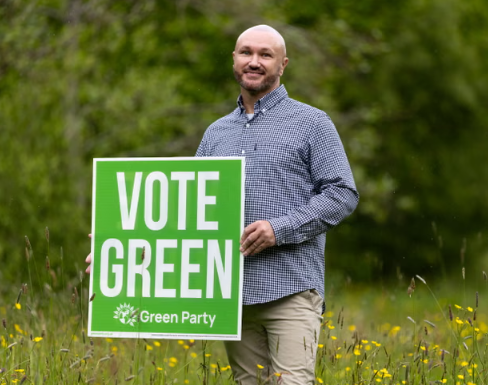
The political landscape in Greater Manchester has been thrown into sudden turmoil following an unprecedented turn of events in the upcoming Makerfield parliamentary byelection. On Thursday morning, local party officials proudly announced that Chris Kennedy would stand as their official candidate for the region. Mr Kennedy is a professional nurse and an established specialist in children’s safeguarding within the local community. His initial selection was viewed by many as a strong step forward for the progressive movement. However, his campaign unravelled with astonishing speed over the course of a single afternoon. Within just nine hours of the initial announcement, his candidacy was completely withdrawn from the ballot. The dramatic decision followed intense press scrutiny regarding his past activity on various social media platforms.
The sudden departure has left local party members searching for swift and stable answers. A formal statement issued by the national party leadership initially cited personal and family reasons. They emphasized that family must always come first during such challenging and turbulent times. They also extended their warmest personal wishes to Mr Kennedy and his immediate family members. Yet, political journalists quickly uncovered a much more complex narrative behind this abrupt public exit. Investigative reporters from The Times had reportedly approached the candidate regarding several controversial online shares. These specific posts directly concerned recent sensitive incidents involving the Jewish community in north London. The nature of the shared content immediately raised serious questions about his political suitability.
According to media reports, one shared Instagram video minimized a serious security incident in April. The video reportedly described the police arrests of two men as total political deception. Mr Kennedy also reportedly shared content from a self-described ethno-nationalist on another online platform. This particular post questioned the official response to a recent arson attack in Golders Green. The revelations caused immediate alarm within the highest levels of the national political organization. Senior party figures recognized that the situation required an immediate and decisive public response. A national spokesperson quickly clarified that the shared posts did not reflect party views. They confirmed that officials had spoken directly with Mr Kennedy regarding his internet history. The candidate subsequently deleted the problematic material and offered an official apology for offense.
The selection process in Makerfield had already been fraught with internal tension and difficulty. Before Mr Kennedy was chosen, a portrait artist named Hayley Pierce was the clear frontrunner. Her political prospects were also severely damaged by controversial social media posts published online. The local membership subsequently pivoted to Mr Kennedy in hopes of finding a stable candidate. This second social media controversy has therefore left the local branch in a difficult position. The national leadership has now resolved to reopen the official nomination process immediately on Friday. A critical selection meeting has already been scheduled for Monday evening to choose a replacement. Party leaders remain absolutely determined to offer the voters of Makerfield a genuine progressive choice.
The timing of this internal crisis is particularly challenging for the progressive political movement. The byelection is taking place against a backdrop of deep national economic anxiety and division. Voters across the United Kingdom are increasingly expressing frustration with the traditional major political establishments. The Green message has focused heavily on forcing the super-rich to pay fair taxes. They are also campaigning on lowering energy bills and providing genuinely affordable local housing options. Furthermore, their platform emphasizes the urgent protection of public services and valuable green spaces. Leaders maintain that their campaign aims to offer communities genuine hope over divisive political rhetoric. However, this recent candidate controversy threatens to overshadow these core policy messages entirely.
Beyond the immediate candidate crisis, the party faces a broader and deeper strategic dilemma. Some local members are deeply worried about splitting the progressive vote with Labour candidates. There is a tangible fear that a fractured left wing could hand victory to Reform. The Reform party has been campaigning aggressively in traditional working-class seats across the country. A senior party figure expressed these strategic anxieties openly to the Financial Times newspaper. They stated clearly that they do not want this vital seat falling to Reform. There is also a major concern that Labour will weaponize this specific mathematical reality. Labour could argue that a progressive vote for smaller parties inherently helps right-wing candidates. Such an argument could damage progressive electoral prospects for the next three years nationally.
This local crisis also mirrors wider strategic debates currently taking place within the organization. The Guardian recently revealed internal discussions regarding how to challenge the regional metro mayor. Reporters described these high-level debates over regional strategy as being entirely civilised but intense. The party is balancing the desire for electoral growth with practical Westminster political realities. In seats like Makerfield, the pressure to maintain a united progressive front is immense. The outcome of Monday’s emergency selection meeting will therefore have significant long-term implications. The new candidate will have to rebuild trust with voters almost immediately on arrival. They must also unite a local membership that has been shaken by consecutive setbacks.
The situation in Greater Manchester remains fluid as the Friday nomination deadline approaches rapidly. Local organizers are working around the clock to vet potential replacement figures more thoroughly. They are acutely aware that another vetting failure could prove fatal to their campaign. Meanwhile, rival political parties are already adjusting their campaign strategies to exploit this vulnerability. Labour is positioning itself as the only stable choice to defeat right-wing insurgencies locally. Reform is utilizing the situation to portray the established progressive options as fundamentally disorganized. The voters of Makerfield are therefore watching an increasingly complex multi-party battle unfold online. The upcoming days will decide if the progressive movement can successfully recover its footing.
As the weekend approaches, the focus shifts entirely to Monday’s crucial local selection meeting. The individuals gathered will face the heavy responsibility of rescuing a disrupted election campaign. They must find an individual who embodies their environmental values without any digital liabilities. The national executive committee is expected to provide extra oversight during this emergency process. This intervention highlights just how high the political stakes have become for national leadership. A successful replacement could still rally the progressive base and deliver a respectable result. Conversely, a poor showing would validate the deepest fears of anxious party strategists nationwide. The final outcome will ultimately depend on the resilience of the local volunteer network.
The brief candidacy of Chris Kennedy will likely become a modern political cautionary tale. It demonstrates how decades of professional community service can be erased by online actions. In the modern digital age, past internet behavior remains a permanent political reality. For Makerfield, the immediate priority is moving past this highly embarrassing nine-hour campaign. The community deserves a focused debate on the serious economic challenges facing their region. Whether the political organization can refocus the conversation onto policy remains to be seen. The coming week will provide the definitive answer to that critical question for voters.
Related News:
 Green Party Surges Past Labour in Latest UK Poll
 Trump’s UK Ambassador Urges North Sea Drilling to Strengthen US Ties
 French Taxi Driver Cleared in David Lammy Theft Case After Fare Dispute
 Millionaires group urge Reeves to introduce wealth tax to ‘lift kids out of poverty’
 Starmer Faces Growing Dissent as Labour MPs Weigh Leadership Challenge
 Reeves rejects £1bn plea for NHS redundancy payouts
 PM Condemns Leaks, Vows Loyalty to Ministers and Stability
 Major Rent Reform Ends No-Fault Evictions in England
 Peers Flood Assisted Dying Bill with 942 Amendments
 Most Tories Expect to Support a Farage-Led Government
 Starmer Says Labour’s Economic Plan Needs Years to Deliver
 Culture secretary to review Telegraph takeover by Daily Mail owner
 UK Government Borrowing Drops to £11.6bn in December
 Labour Blocks Burnham as Party Rift Deepens Ahead of Polls
 Andy Burnham and the Labour Rift Over Power and Leadership
 Huge mistake: Labour blocks Burnham from byelection bid
 Artificial intelligence will cost jobs, admits Liz Kendall
 Labour targets Greens on drugs in Gorton Denton byelection
 Greens nominate Hannah Spencer for Gorton and Denton byelection
 Mandelson Faces Police Inquiry Over Epstein Leak
 Starmer Condemns ‘Depraved’ Russian Strikes on Ukraine
 Labour Thinktank Row Deepens Over Journalist Probe Claims
 Morgan McSweeney downfall shocks Labour leadership
 Labour Lord Doyle Apologises Over Paedophile Ties in Political Storm
 Cabinet Secretary Shake-Up Triggers Due Diligence Warning
 Starmer Faces Inquiry Calls Over Thinktank Probe
 Royal Mail Delivery Crisis Deepens Amid Weather Chaos
 UK shelves £110m border project amid trade strain
 Farage Unveils Reform UK Frontbench Team
 California Democrats Vow Trump Reckoning
 Trump Tariffs Threat Spark UK and EU Alarm
 Wales Approves Assisted Dying Bill Consent
 UK EU Trade Reset Gains Public Backing
 Your Party leadership fight nears dramatic end
 NHS Maternity Units Cover Up Harmful Childbirth Errors
 Green Party Stuns Labour in Gorton and Denton Byelection
 Corbyn Leads Your Party in Coordinated Left-Flank Strategy
 Labour Together scandal sparks clean break vow
 Asylum Seekers to Work After Year-Long Wait
 Starmer Row as Greens Demand Apology
 Proposed Law Leaves Gap for Children of Convicted Paedophiles
 Gordon Brown urges court for crimes against children
 Starmer Praised for Stance on Trump and Iran Conflict
 Inquiry into HMRC child benefit errors launched by NAO
 NHS Plans to Cut Overseas Workers Labeled Overambitious
 Farage Faces Backlash Over Crypto Cameo Endorsements
 Family Court Reform Promises New Era for UK Families
 Army Probes Apache Flyover at Kid Rock’s Nashville Estate
 Relationship with Trump may be beyond repair, Starmer warned
 Unions Raise Concerns Over Doctors’ Pay Dispute
 UK Government Poised to Revive Stalled Hillsborough Law
 Starmer Faces Commons Test Over Mandelson Scandal
 UK Stands Firm on Falklands Amid US Rift
 Crackdown Backfires on UK Climate Protesters
 Welsh Labour Faces Potential Historic Election Defeat
 Starmer Survives Mandelson Rebellion
 Silent Tracks: Rail Line Without Passengers
 Major test for Labour as polls open in Great Britain
 Labour Members Doubt Starmer Future as Burnham Leads Poll
 Reform UK Faces Crisis as Newly Elected Councillors Resign
 Keir Starmer Struggles to Secure His Grip on Downing Street
 Farage Faces Standards Probe Over Cash Property Purchase
 UK Welfare: Focus on Jobs Over Benefit Cuts, Says JRF
 Secret Role of UK Security Services in Troubles Amnesty Law
 Starmer Leadership Under Pressure After Setbacks
 The Hidden Crisis Eroding Trust in British Communities
 Deepfake Abuse on X Sparks Safety Concerns for Dissidents
 Modernising the Military: Carns Demands Urgent Procurement Reform
 UK Ministers Lobby Trump Over Under-16s Social Media Ban
 Starmer Resolves to Fight Burnham in Leadership Battle
 Starmer Resigns as Prime Minister Amid Internal Pressure
 MP Warning: Northern Rail Risks Repeating HS2 Failures
 Hollie Ridley to Step Down as Labour General Secretary
 New South Wales Premier Chris Minns Signals Tough Road Ahead for Labor
 Jarvis Urges Burnham to Secure 3.5% Defence Spending
 Farage Warns Sky News Following Financial Inquiry
 Reform UK Finances Face Deep NCA Probe
 Ann Widdecombe, Formidable Political Figure, Dies at 78
 Treasury Reform Urged After Tragic Loss
 Sadiq Khan Backs Call for Maximum UK Work Heat Limit